Dogs Ear Swollen: Possible Causes and When to Seek Care
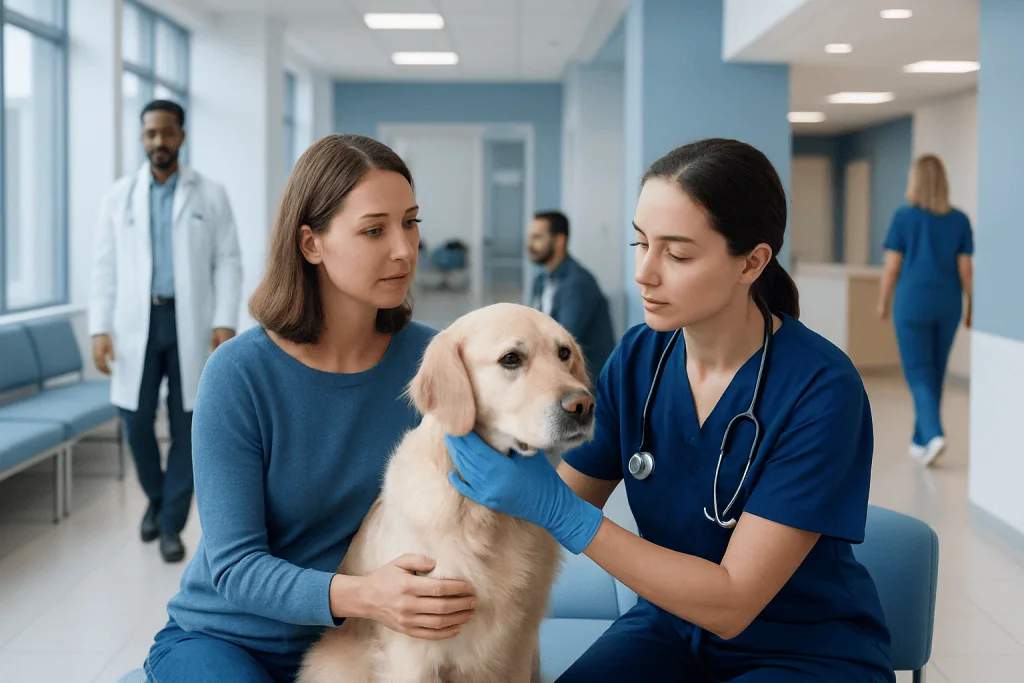
A swollen dog ear is a symptom rather than a diagnosis, and its appearance can help identify the likely cause. A soft, warm, fluid-filled ear flap may indicate an aural hematoma, often triggered by head shaking or scratching.
Key Takeaways
- A swollen dog ear is a symptom rather than a diagnosis, and its appearance can help identify the likely cause.
- A soft, warm, fluid-filled ear flap may indicate an aural hematoma, often triggered by head shaking or scratching.
- Ear infections, allergies, parasites, injuries, and bite reactions can all lead to swelling.
- Do not puncture, squeeze, or place human ear drops or medicines in a dog's ear without veterinary advice.
- Urgent veterinary care is important if swelling follows trauma, affects balance, causes severe pain, or is accompanied by facial swelling or breathing difficulty.
A swollen ear in a dog may be caused by scratching, injury, infection, allergies, an insect bite, or a blood-filled ear flap called an aural hematoma. Because some causes are painful and can worsen without treatment, a veterinarian should assess persistent, rapidly developing, or uncomfortable ear swelling.
What Does a Swollen Ear in a Dog Mean?
When a dog’s ear is swollen, the change may involve the outer ear flap, the ear canal, or the skin around the ear. A small local bump may follow an insect bite or minor scratch, while a larger, puffy ear flap can develop when blood or fluid collects between layers of tissue. The exact cause cannot be confirmed by appearance alone, particularly when the ear canal is also sore or inflamed.
Many dogs with ear discomfort shake their head, rub an ear on furniture, or scratch repeatedly. These actions can make swelling worse and may cause additional injury. Even if a dog otherwise seems well, a new swollen ear is worth monitoring closely and discussing with a veterinarian, especially if it does not settle quickly.
Dogs with floppy ears, narrow ear canals, frequent allergies, or a history of ear disease may be more prone to recurrent ear irritation. Early assessment can identify the source of discomfort and help prevent chronic inflammation, scarring, or changes to the shape of the ear flap.
Common Patterns of Ear Swelling
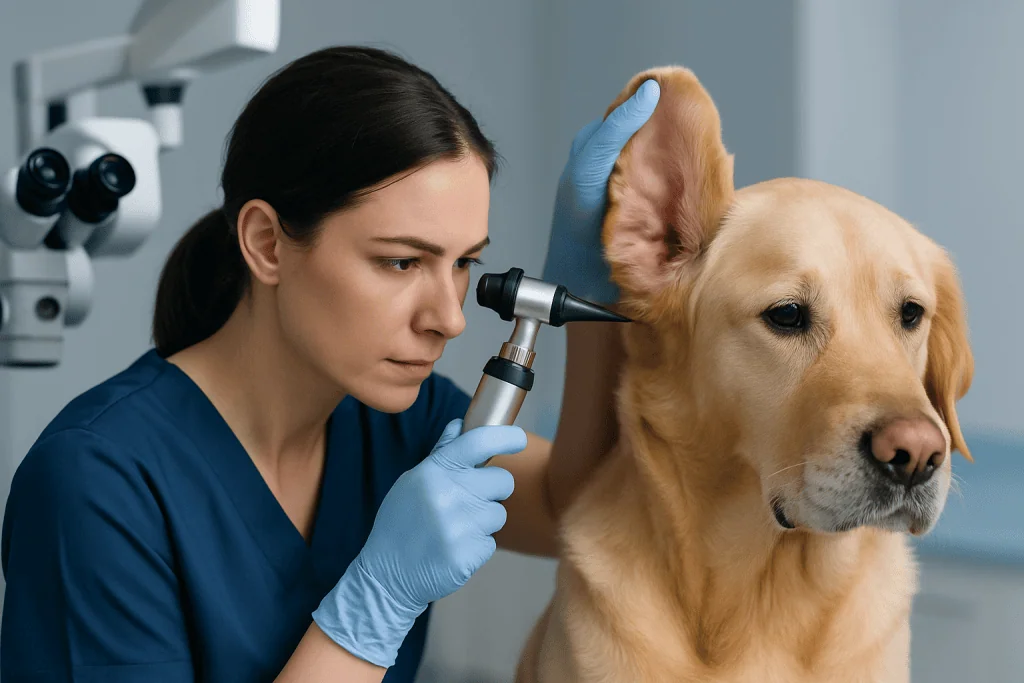
The location and feel of the swelling can provide useful clues. An ear flap that looks balloon-like, thickened, warm, or squishy may be an aural hematoma. This occurs when small blood vessels break and blood collects within the pinna, the visible outer part of the ear. It is commonly linked to vigorous head shaking or scratching rather than appearing without a trigger.
Swelling at the ear opening or within the canal is more often associated with inflammation or infection. The ear may look red and may contain wax, discharge, or debris. A dog may resist having the ear touched, hold the head to one side, or develop a noticeable odor from the ear.
A small raised area on the outside of the ear can result from a bite, sting, skin infection, cyst, or injury. Sudden swelling involving both ears, the face, or the muzzle can occur with an allergic reaction. This pattern needs prompt attention, particularly if it is accompanied by hives, vomiting, weakness, noisy breathing, or trouble breathing.
Possible Causes and Risk Factors
Ear infections are a frequent reason for head shaking and ear swelling. Bacteria or yeast may overgrow when the ear canal is inflamed, damp, or affected by an underlying condition such as allergy. Ear mites are another possible cause, particularly in puppies and dogs with exposure to other animals; they can cause intense itching and dark, crumbly debris.
Environmental or food-related allergies can affect the skin of the ears and the ear canals. Repeated flare-ups may lead to persistent itching, skin thickening, and secondary infection. Other skin conditions, foreign material such as a grass awn, excess moisture after swimming, and over-cleaning of the ears may also irritate the canal.
Trauma is another important consideration. Rough play, a bite from another animal, impact injury, or repeated scratching can damage the ear flap. Older dogs may occasionally develop lumps or growths in or around the ear that require examination. A veterinarian may recommend testing or sampling when a mass is present, growing, bleeding, or not healing.
- Floppy or heavily haired ears can retain moisture and debris.
- Dogs with chronic skin allergies may have recurring ear inflammation.
- Previous ear disease can narrow the canal and make future problems more likely.
- Frequent swimming or bathing may contribute to moisture-related irritation in susceptible dogs.
How Veterinarians Diagnose the Cause
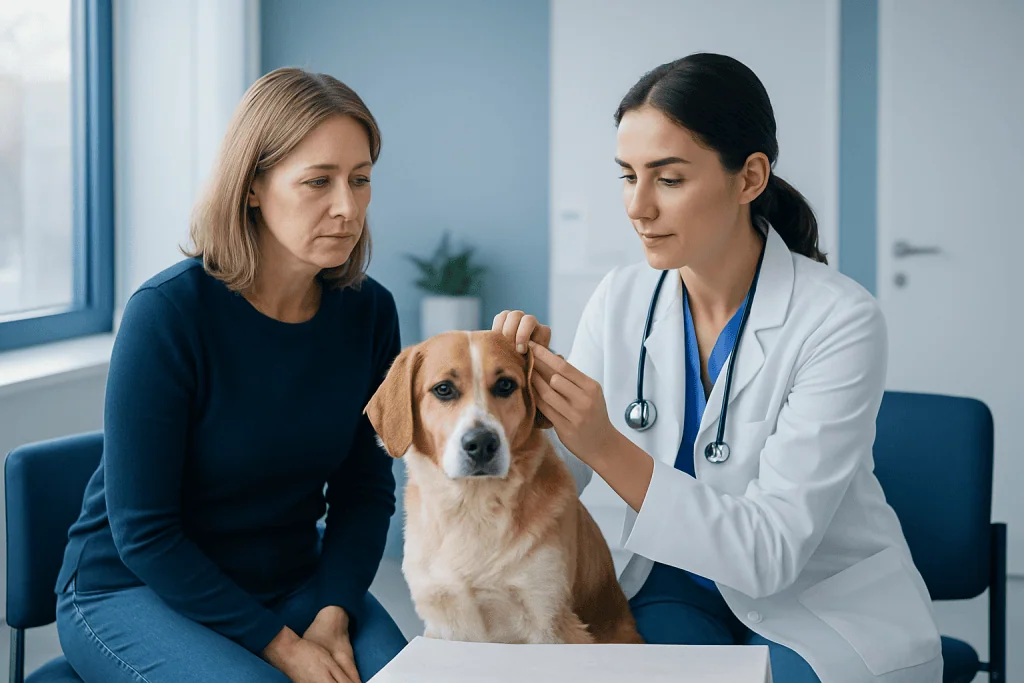
A veterinarian will usually ask when the swelling began, whether the dog has been scratching or shaking the head, and whether there has been recent swimming, grooming, travel, trauma, or exposure to other animals. They will examine the ear flap, surrounding skin, and ear canal. This helps distinguish a hematoma from a localized skin problem or a deeper ear condition.
An otoscope may be used to look safely into the ear canal and assess the eardrum when possible. Swabs of ear debris can be examined under a microscope to look for yeast, bacteria, mites, or inflammatory cells. In recurrent or severe cases, a sample may be sent for culture to guide treatment choices.
If there is a lump, persistent one-sided swelling, or concern for a foreign body or deeper disease, further tests may be needed. These can include needle sampling, biopsy, imaging, or examination under sedation when the ear is too painful to assess fully. The diagnostic approach is individualized to the dog’s signs and history.
Treatment Options for a Swollen Dog Ear
Treatment depends on what is causing the swelling. For an ear infection, the veterinarian may clean the ear and prescribe medicated ear treatment targeted to the findings. Addressing an underlying allergy, parasite problem, or skin condition is often important to reduce the chance of recurrence. Treatment should be completed and reviewed as directed, even if the dog seems more comfortable sooner.
An aural hematoma generally needs veterinary treatment because the collection of blood or fluid may persist, refill, or heal with a thickened and distorted ear flap. Options can include drainage, a drain or bandage, medication in selected cases, or a procedure to close the space between tissue layers. The best approach depends on the hematoma’s size, duration, the dog’s comfort, and the underlying cause of head shaking.
For insect bites, mild local irritation, or minor superficial injury, a veterinarian may advise monitoring, preventing scratching, and using treatment appropriate for the dog. If a foreign object, abscess, mass, or more extensive injury is found, treatment may involve removal, wound care, or surgery. Human pain medicines, ear drops, and leftover pet medication should not be used unless specifically prescribed for that dog.
Safe Steps at Home While Arranging Care
Keeping the dog from scratching or shaking the head excessively can reduce further injury. A properly fitted protective collar may be helpful if advised or tolerated. Keep the ear dry and avoid vigorous cleaning, probing with cotton swabs, or putting oils, alcohol, peroxide, or homemade remedies into the ear canal. These products can irritate inflamed tissue and may be unsafe if the eardrum is damaged.
Owners can note when the swelling began, whether it is changing in size, and any signs such as odor, discharge, reduced appetite, head tilt, or loss of balance. A clear photograph taken in good light can help document changes before the veterinary visit. If there is discharge, it may be useful not to clean it away immediately before the appointment, as the veterinarian may need a sample.
Routine prevention includes regular checks of the ears, especially after bathing, swimming, or walks in areas with tall grass. Cleaning should only be done with a veterinary-recommended product and technique suited to the dog. Dogs with repeated ear problems benefit from a veterinary plan that addresses the underlying cause rather than treating each flare-up in isolation.
When to Seek Medical Care
A veterinarian should be contacted promptly for a newly swollen ear that is painful, warm, enlarging, bleeding, filled with fluid, or not improving within a short period. Same-day assessment is sensible if the dog is repeatedly shaking the head, crying when the ear is touched, has a strong odor or pus-like discharge, or seems unable to rest comfortably.
Urgent veterinary care is needed after a bite, significant injury, or suspected foreign object in the ear. It is also important to seek urgent help if ear swelling occurs with facial swelling, widespread hives, vomiting, collapse, breathing changes, severe lethargy, a head tilt, stumbling, rapid eye movements, or other signs that may indicate a serious reaction or deeper ear involvement.
For international patients seeking coordinated veterinary-related guidance, Acibadem International’s multidisciplinary specialists and JCI-accredited hospitals provide care for human health conditions; pet ear concerns should be evaluated by a qualified veterinarian or veterinary emergency service. A veterinarian can determine whether the swelling is minor or needs targeted treatment and follow-up.
Frequently asked questions
Why is my dog's ear flap suddenly swollen?
A suddenly swollen ear flap may be an aural hematoma, where blood or fluid collects inside the ear flap after head shaking, scratching, or trauma. It can also result from a bite, sting, or skin injury. A veterinarian should examine it to identify the cause and prevent recurrence.
Can a dog ear hematoma heal on its own?
Some small hematomas may gradually reduce, but they can be painful, may refill, and may heal with a thickened or permanently wrinkled ear flap. The cause of the head shaking or scratching also needs attention. Veterinary assessment is recommended to discuss the safest treatment approach.
Should I drain my dog's swollen ear at home?
No. Draining or puncturing a swollen ear at home can cause infection, bleeding, pain, and rapid refilling. It may also delay diagnosis of an infection, mass, or injury. A veterinarian can assess the swelling and perform treatment safely if drainage is appropriate.
Can an ear infection make a dog's outer ear swell?
Yes. Ear infections can inflame the ear canal and surrounding tissues, causing redness, swelling, pain, odor, discharge, and head shaking. Infections may involve yeast, bacteria, or both, and treatment should be based on veterinary examination. Recurrent infections may point to allergies or another underlying problem.
Is a swollen dog ear an emergency?
It can be urgent if the swelling is rapidly increasing, follows a bite or major injury, is very painful, or occurs with facial swelling, breathing difficulty, balance problems, or marked weakness. Otherwise, prompt veterinary evaluation is still advisable, particularly for a fluid-filled ear flap or ear discharge. A veterinarian can advise on the appropriate timing based on the dog’s symptoms.
What should I avoid putting in my dog's swollen ear?
Avoid human ear drops, hydrogen peroxide, alcohol, essential oils, and leftover medicines unless a veterinarian has specifically advised their use. Do not insert cotton swabs deeply into the ear canal. These actions can worsen irritation, push debris farther inward, or be harmful if the eardrum is not intact.
This article is for general information only and is not a substitute for professional medical advice. Please consult a qualified doctor about your individual situation.
Explore treatments in Turkey — costs, top hospitals & a free quote
JCI-accredited · board-certified surgeons · reply within 24h
Add us as a Preferred Source to see more of our trusted health content across Google Search, AI Overviews and Discover.

More from the Health Library

Can You Drink Coffee Before Fasting Blood Work? Here Is What the Evidence Says

How Long Does Mucinex Last in the Body?

Spots on skin that are white: Common Causes, Warning Signs, and When to Worry

Throwing up clear liquid: Common Causes, Warning Signs, and When to See a Doctor

What Cancer Can Cause Itchy Skin? Causes, Explanations, and Next Steps