Navel Hernia While Pregnant: A Complete Clinical Guide for Patients

Pregnancy can make a pre-existing umbilical weakness more noticeable as the abdomen expands. A soft, reducible bulge with mild discomfort is commonly monitored, especially when there are no warning signs.
Key Takeaways
- Pregnancy can make a pre-existing umbilical weakness more noticeable as the abdomen expands.
- A soft, reducible bulge with mild discomfort is commonly monitored, especially when there are no warning signs.
- Sudden severe pain, persistent vomiting, a hard tender bulge, or skin color changes require urgent medical care.
- Surgery is usually considered after delivery for uncomplicated hernias, although urgent surgery may be necessary for complications.
- Pregnancy support garments may improve comfort for some people but do not repair the hernia.
A navel hernia while pregnant is a bulge at or near the belly button caused by tissue pushing through a weak area in the abdominal wall. Many are manageable with observation during pregnancy, while symptoms and the hernia’s behavior guide whether specialist assessment or treatment is needed.
Overview: What Is a Navel Hernia During Pregnancy?
A navel hernia while pregnant, also called an umbilical hernia in pregnancy, occurs when fat or, less commonly, a small section of intestine pushes through a weak point in the abdominal wall near the belly button. It may appear as a rounded bulge that becomes more visible while standing, coughing, laughing, or straining. The bulge may reduce or disappear when lying down.
Pregnancy increases pressure inside the abdomen as the uterus grows. This pressure can reveal a weakness that existed before pregnancy or make a small hernia more noticeable. Although the appearance can be concerning, many umbilical hernias remain uncomplicated and can be monitored with guidance from an obstetrician and, when appropriate, a surgeon.
A hernia is different from the usual outward change in the belly button during pregnancy. Many belly buttons become flatter or protrude as the skin and abdominal wall stretch. A hernia is more likely to feel like a defined lump and may be associated with localized discomfort or a gap in the abdominal wall.
How It May Feel and Look
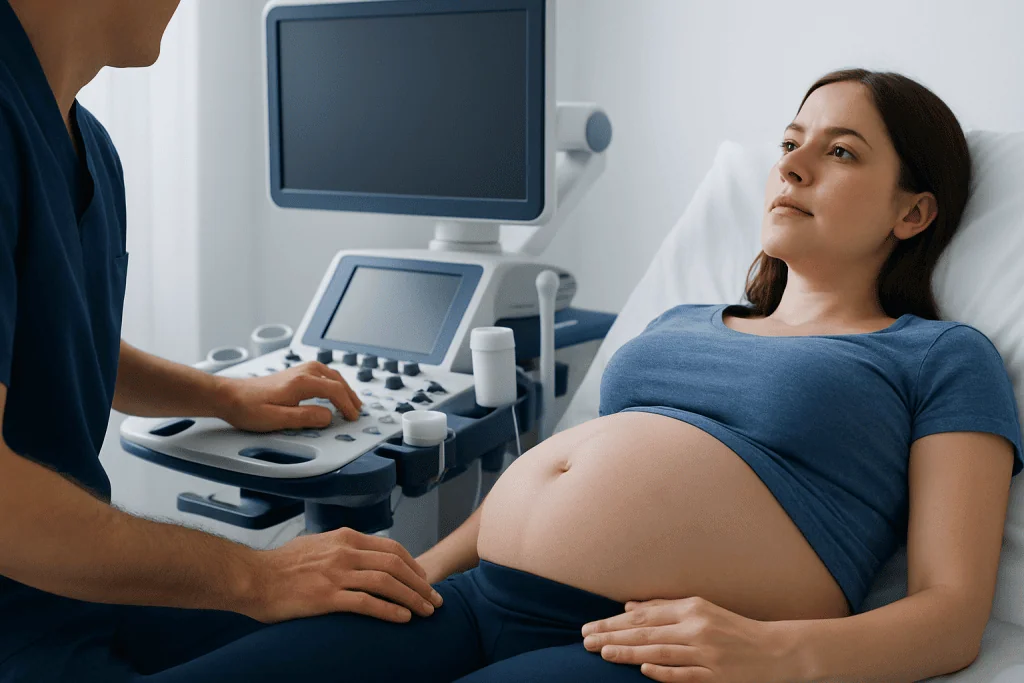
Symptoms vary considerably. Some people notice only a painless bulge at the navel. Others experience pressure, pulling, tenderness, or an ache around the belly button, particularly later in pregnancy or after activity. Discomfort may become more noticeable with constipation, coughing, lifting, or movements that raise abdominal pressure.
An uncomplicated hernia is often soft and may be gently reducible, meaning it moves back inside when a person lies down or relaxes. It should not be forcibly pushed back, particularly if it is painful or difficult to move. A clinician can advise whether a bulge is consistent with a hernia and whether it is safe to observe.
Not every lump near the navel is a hernia. Skin changes, stretched tissue, diastasis recti (separation of the abdominal muscles), and less common conditions can create changes in the abdominal contour. A physical examination is important for a clear diagnosis.
- Possible mild symptoms: a soft bulge, pressure, or intermittent soreness.
- Symptoms that deserve prompt assessment: increasing pain, a bulge that no longer reduces, or tenderness that is worsening.
- Emergency symptoms: severe persistent pain, vomiting, abdominal swelling, fever, or red, purple, or dark skin over the bulge.
Why Navel Hernias Develop in Pregnancy

The umbilicus is a natural weak point in the abdominal wall because it is where the umbilical cord passed before birth. A small opening or weakness can remain without causing symptoms for years. As pregnancy progresses, increased abdominal pressure can push tissue through this area and produce a visible hernia.
Some factors may make an umbilical hernia more likely. These include a previous pregnancy, multiple pregnancy, a larger abdomen from a growing baby or excess amniotic fluid, chronic coughing, constipation with repeated straining, and previous abdominal surgery. Carrying excess body weight may also increase strain on the abdominal wall.
Hernias may coexist with diastasis recti, a widening of the connective tissue between the two rectus abdominal muscles. Diastasis itself is not a true hernia because there is no hole through which abdominal contents protrude. However, both can contribute to changes around the midline of the abdomen and should be assessed individually.
Diagnosis and Pregnancy-Safe Assessment
Diagnosis commonly begins with a medical history and physical examination. The clinician may ask when the bulge appeared, whether it changes with position or activity, whether it can be reduced, and whether there are associated digestive symptoms. Examination is often enough to identify a typical umbilical hernia.
If the diagnosis is uncertain or complications are suspected, an ultrasound may be used. Ultrasound does not use ionizing radiation and is generally considered suitable during pregnancy when clinically indicated. In selected circumstances, other imaging may be discussed by the care team if the expected benefit is important for safe decision-making.
Assessment during pregnancy also considers the stage of pregnancy, the hernia’s size, pain level, whether the hernia is reducible, and signs of bowel obstruction or compromised blood supply. A coordinated approach involving the obstetric team and a general surgeon helps ensure that both maternal and fetal considerations are included.
For broader information about this condition, readers can review umbilical hernia information.
Management During Pregnancy and After Delivery
For a small, reducible, minimally symptomatic navel hernia, watchful waiting is often appropriate during pregnancy. This means monitoring symptoms, avoiding activities that clearly worsen discomfort, and attending recommended prenatal appointments. The aim is to recognize a change promptly rather than to treat an uncomplicated hernia urgently.
A maternity support garment may improve comfort for some people by supporting the abdomen. It should fit comfortably and should not cause pain, pressure, breathing difficulty, or skin irritation. These garments do not close the abdominal-wall opening or prevent every complication, so they should be considered a comfort measure rather than a cure.
Planned hernia surgery is often deferred until after delivery for an uncomplicated hernia. Waiting can allow the abdominal wall and body weight to stabilize after pregnancy, which may help with surgical planning. The timing also depends on symptoms, future pregnancy plans, the size of the hernia, and whether diastasis recti is present.
If a hernia becomes incarcerated, meaning its contents are trapped, or strangulated, meaning the blood supply may be affected, urgent surgery may be needed during pregnancy. This is uncommon, but protecting the pregnant person’s health is essential. When repair is appropriate, the surgical team may discuss hernia surgery options, including the expected recovery and individualized considerations.
Everyday Comfort and Self-Care
Gentle daily habits can reduce avoidable strain on the abdominal wall. People should use safe body mechanics, bend their knees when lifting, avoid holding their breath during effort, and ask for help with heavy objects. Pregnancy-specific exercise should be discussed with the obstetric clinician, especially when a hernia is painful or increasing in size.
Preventing constipation may reduce repeated straining. Adequate fluid intake, fiber-rich foods, and regular movement can help many people, although dietary changes should suit individual pregnancy needs. A clinician or pharmacist can advise on pregnancy-appropriate options if constipation continues.
It is sensible to avoid trying to treat a hernia with firm massage, binding, or unverified devices. These approaches may be uncomfortable and do not repair the underlying weakness. New pain, a changing bulge, or concerns about exercise and activity should be discussed with the prenatal care team.
After birth, the appearance of the abdominal wall may change as swelling settles and tissues recover. A follow-up examination can clarify whether the hernia remains, whether symptoms are improving, and whether referral for elective repair is advisable.
When to Seek Medical Care
A pregnant person should contact their obstetric clinician or doctor promptly if a belly button bulge is new, enlarging, painful, or difficult to reduce. Early assessment is reassuring in many cases and allows the care team to distinguish a stable hernia from a problem needing closer follow-up.
Urgent medical assessment is needed for severe or constant pain at the hernia, a hard or very tender bulge, a bulge that cannot be reduced when it previously could, vomiting, inability to pass stool or gas, fever, or skin that becomes red, purple, dark, or unusually warm over the area. These symptoms can indicate a complication requiring timely treatment.
People should not delay emergency care because they are pregnant. Most abdominal symptoms in pregnancy have causes other than a complicated hernia, but a clinician should assess concerning symptoms safely and promptly. Acibadem International’s multidisciplinary specialists and JCI-accredited hospitals diagnose and treat hernia conditions for international patients.
Frequently asked questions
Is a navel hernia while pregnant dangerous?
Most navel hernias in pregnancy are not immediately dangerous, particularly when the bulge is soft, reducible, and only mildly uncomfortable. However, all new or changing abdominal bulges should be assessed by a clinician. Severe pain, vomiting, or a hard bulge that does not reduce needs urgent evaluation.
Can an umbilical hernia harm the baby?
An uncomplicated umbilical hernia usually affects the pregnant person’s abdominal wall rather than the baby. The main concern is the rare possibility of a hernia complication affecting the mother’s health. Prompt assessment of warning symptoms helps clinicians protect both mother and baby.
Will a navel hernia go away after pregnancy?
Some pregnancy-related bulging and discomfort improve after delivery as abdominal pressure decreases. A true hernia opening may persist, even if it becomes less noticeable. A postpartum examination can help determine whether observation or elective repair is appropriate.
Can a navel hernia be repaired during pregnancy?
Elective repair is commonly postponed until after delivery when the hernia is uncomplicated. Surgery may be recommended during pregnancy if the hernia is incarcerated, strangulated, or causing significant symptoms that cannot be safely managed otherwise. The decision is individualized with obstetric and surgical input.
Can exercise make an umbilical hernia worse during pregnancy?
Exercise does not necessarily worsen every hernia, but activities that cause pain, marked pressure, or straining should be avoided. A clinician can suggest suitable pregnancy-safe activity based on symptoms and overall health. Heavy lifting and breath-holding during exertion are generally best avoided.
Is it safe to wear a belly band with a navel hernia during pregnancy?
A maternity support garment may help relieve discomfort for some people when used comfortably and as advised by a clinician. It does not repair the hernia and should not be overly tight. Pain, skin irritation, shortness of breath, or increased pressure are reasons to stop using it and seek advice.
References
- American College of Obstetricians and Gynecologists
- American College of Surgeons
- National Health Service
- Society of American Gastrointestinal and Endoscopic Surgeons
- MedlinePlus
This article is for general information only and is not a substitute for professional medical advice. Please consult a qualified doctor about your individual situation.
Persistent digestive symptoms? Get evaluated in Turkey
JCI-accredited · board-certified surgeons · reply within 24h
Add us as a Preferred Source to see more of our trusted health content across Google Search, AI Overviews and Discover.

More from the Health Library



Related Specialists

Prof. Dr. S. Sami Kartı
Hematology
Prof. Dr. Ahmet Karabulut
Cardiology
Prof. Dr. Ercüment Yılmaz
Cardiology
Assoc. Prof. Dr. Ahmet Küçükçelebi
Aesthetic Plastic & Reconstructive Surgery