

Feeling Short of Breath in Early Pregnancy Explained: Causes, Management, and When to See a Doctor
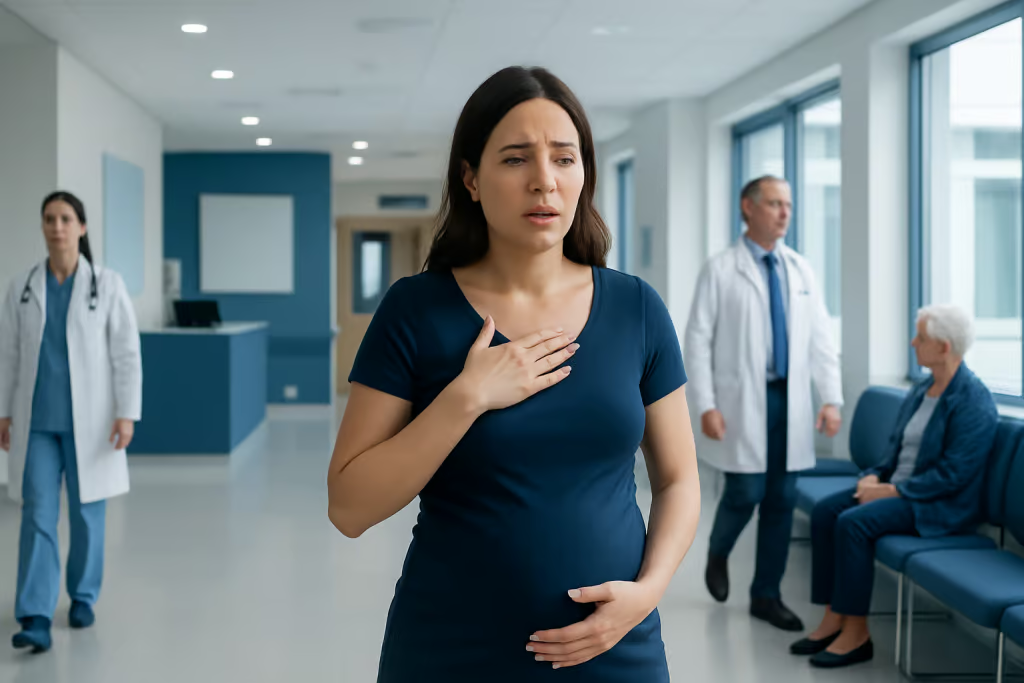
Mild breathlessness can begin early in pregnancy, even before the uterus is large enough to press on the lungs. Progesterone can make breathing feel deeper or more noticeable, while the body’s oxygen needs also rise during pregnancy.
Key Takeaways
- Mild breathlessness can begin early in pregnancy, even before the uterus is large enough to press on the lungs.
- Progesterone can make breathing feel deeper or more noticeable, while the body’s oxygen needs also rise during pregnancy.
- Anemia, asthma, respiratory infections, anxiety, and heart or blood-clot conditions can also cause shortness of breath.
- Resting, changing position, pacing activities, and avoiding smoke may help mild symptoms.
- Urgent medical care is needed for sudden or severe breathlessness, chest pain, blue lips, fainting, coughing blood, or signs of a blood clot.
Feeling short of breath in early pregnancy is common and is often caused by pregnancy hormones changing how the body senses and manages breathing. However, breathlessness that is sudden, severe, worsening, or accompanied by chest pain, fainting, fever, or one-sided leg swelling should be assessed promptly.
Why shortness of breath can happen early in pregnancy
Feeling short of breath in early pregnancy can be unsettling, especially when it happens before there is an obvious physical change in the abdomen. In many cases, mild breathlessness is a normal pregnancy symptom. Hormonal changes begin soon after conception and can affect breathing well before the growing uterus has any meaningful effect on the diaphragm or lungs.
Progesterone, a hormone that rises during pregnancy, increases the body’s sensitivity to carbon dioxide. This encourages deeper breathing and a slightly higher amount of air moved in and out of the lungs. Some people describe this as needing to take frequent deep breaths, being unable to get a satisfying breath, or becoming winded more easily while climbing stairs or carrying groceries.
Pregnancy also increases the body’s need for oxygen and gradually changes circulation. These normal adjustments are usually manageable and should not prevent someone from speaking in full sentences or doing light everyday tasks. New breathlessness should still be mentioned at prenatal appointments, because pregnancy does not rule out other causes.
What normal early pregnancy breathlessness may feel like
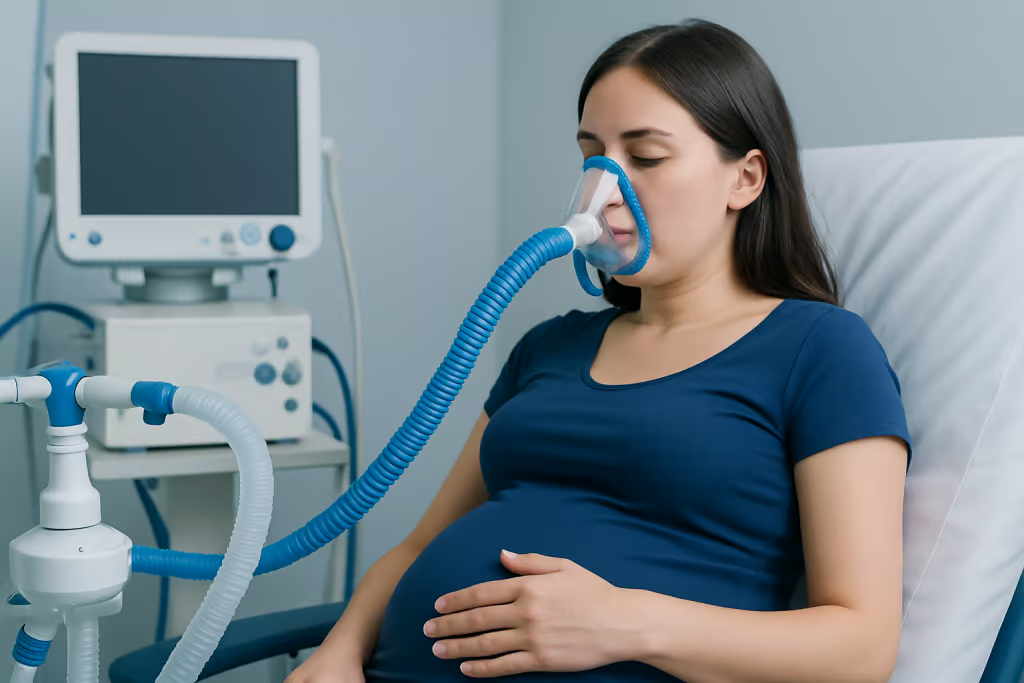
Breathlessness related to normal pregnancy changes is usually mild, intermittent, and more noticeable during physical activity. It may occur when walking quickly, going upstairs, talking while moving, or lying in a position that feels uncomfortable. It often improves with rest and does not usually cause chest pain, fainting, wheezing, or a persistent cough.
People experience pregnancy symptoms differently. Some notice their breathing more when they are tired, dehydrated, stressed, or nauseated and eating less than usual. Anxiety can also make breathing feel difficult or shallow, although symptoms should not automatically be attributed to anxiety without considering physical causes.
Keeping a simple record can be useful. Note when symptoms occur, what activity triggered them, how long they last, and whether there are associated symptoms such as palpitations, cough, fever, dizziness, or leg swelling. This information can help an obstetrician or midwife decide whether further evaluation is needed.
- Mild symptoms that settle with rest are often compatible with normal pregnancy adaptation.
- Symptoms that steadily worsen, occur at rest, or limit normal activity deserve medical review.
- Breathing that feels suddenly different from usual should not be ignored.
Other possible causes and risk factors
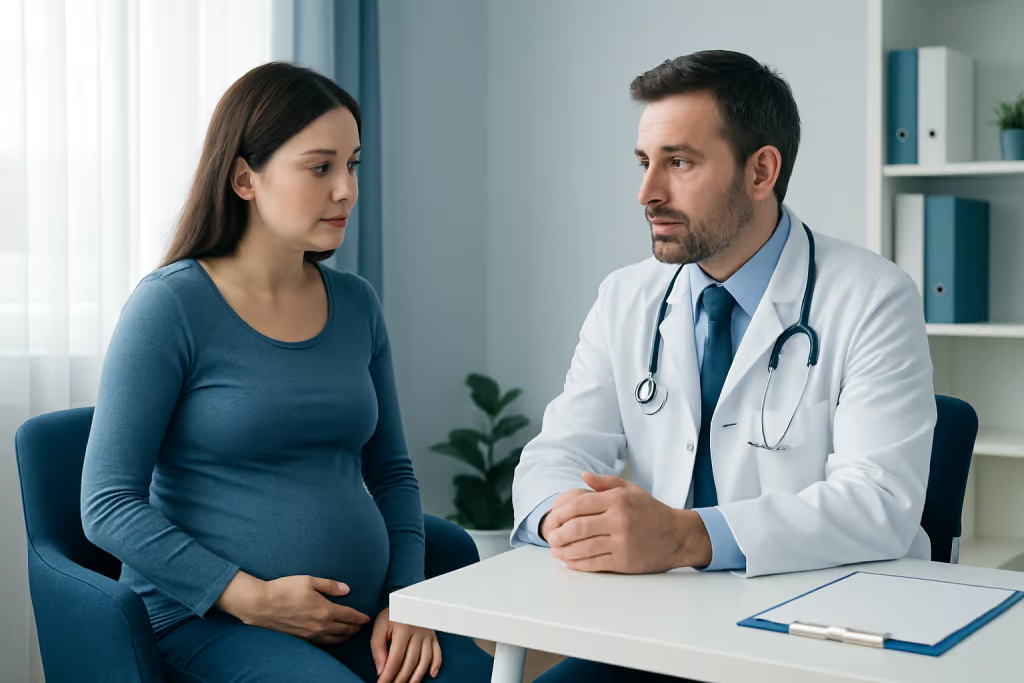
Although hormones are a common explanation, shortness of breath can have many causes during pregnancy. Iron-deficiency anemia is relatively common and may cause tiredness, weakness, dizziness, headaches, paleness, palpitations, and becoming breathless with exertion. A clinician can check for anemia with a blood test and recommend appropriate treatment if needed.
Asthma may first become noticeable during pregnancy or may change in people who already have it. Wheezing, chest tightness, coughing, and breathlessness triggered by allergens, cold air, exercise, or respiratory infections may suggest asthma. Maintaining good asthma control in pregnancy is important; prescribed medicines should not be stopped without speaking with a clinician. Learn more about asthma and its medical management.
Viral respiratory infections, including influenza and COVID-19, may cause cough, fever, sore throat, body aches, or worsening breathlessness. Less commonly, heart conditions, thyroid disorders, and pulmonary embolism, a blood clot in the lungs, can cause shortness of breath. Risk factors for blood clots include a previous clot, a known clotting disorder, prolonged immobility, recent surgery, smoking, and certain medical conditions.
How clinicians assess breathlessness in pregnancy
A healthcare professional will usually begin by asking about the timing and pattern of symptoms. They may ask whether breathlessness started suddenly or gradually, whether it happens only with activity or also at rest, and whether there is chest pain, cough, fever, wheezing, rapid heartbeat, dizziness, or swelling and pain in one leg.
Assessment may include checking blood pressure, pulse, oxygen level, temperature, heart and lung sounds, and signs of swelling. Depending on the symptoms and medical history, blood tests may check for anemia or infection. A clinician may also consider heart tracing tests, lung-function testing, ultrasound of the legs, or imaging when needed to investigate potentially serious causes. Appropriate diagnostic testing can be performed in pregnancy when the expected benefit outweighs any potential risk.
It is helpful to share information about prior asthma, heart disease, blood clots, anemia, recent illness, medications, smoking or vaping, and family history. Pregnant people should seek professional guidance before taking over-the-counter cold remedies, supplements, or herbal products for breathing symptoms.
Practical ways to manage mild symptoms
For mild, stable breathlessness that has been discussed with a prenatal clinician, small adjustments may improve comfort. Slowing down during activity, taking breaks, and avoiding rushing can reduce the sensation of being winded. Gentle movement, such as walking or pregnancy-appropriate exercise approved by the care team, may support fitness and circulation over time.
Good posture can make breathing feel easier. Sitting upright with the shoulders relaxed and sleeping with the upper body slightly elevated may help some people, particularly if reflux or nasal congestion is present. Staying hydrated, eating regular nourishing meals, and prioritizing sleep can also support energy levels.
Smoke, vaping aerosols, and secondhand smoke can irritate the airways and reduce respiratory comfort. Avoiding these exposures is important throughout pregnancy. If there is a history of asthma or another lung condition, the person should follow their individualized treatment plan and ask their clinician whether an inhaler technique or medication review is needed.
Breathing exercises can be calming for some people: sitting comfortably, relaxing the shoulders, and taking slow breaths without forcing the lungs to fill completely may ease tension. They should not be used to delay assessment of severe, unexplained, or worsening symptoms.
When to seek medical care
Contact an obstetrician, midwife, or doctor soon if shortness of breath is becoming more frequent, is interfering with usual activities, occurs at rest, or comes with persistent fatigue, dizziness, palpitations, cough, wheezing, or fever. Early assessment can identify treatable issues such as anemia, asthma flare-ups, or infection.
Seek urgent medical care for sudden or severe difficulty breathing; chest pain, pressure, or pain that worsens when breathing; fainting; confusion; blue or gray lips; coughing up blood; a very rapid heartbeat; or one-sided leg pain, redness, or swelling. These symptoms can have serious causes that need prompt evaluation.
Anyone who is unsure whether their symptoms are normal should err on the side of contacting their pregnancy care team. Acibadem International’s multidisciplinary specialists and JCI-accredited hospitals support international patients with pregnancy-related assessment and care when medically appropriate.
Supporting healthy breathing throughout pregnancy
Regular prenatal care is one of the best ways to support health throughout pregnancy. Appointments allow clinicians to monitor blood pressure, discuss symptoms, screen for anemia when indicated, and review any chronic conditions that may affect breathing. It is useful to bring up new symptoms even if they seem mild.
A balanced diet that includes iron-rich foods, protein, vegetables, fruits, and whole grains can help meet increased nutritional needs. A clinician may recommend a prenatal vitamin or iron supplement based on individual needs and blood-test results. Supplements should not be started in high doses without professional advice.
Vaccinations recommended during pregnancy can help reduce the risk of certain respiratory infections and their complications. Individual recommendations vary by location, pregnancy stage, health history, and current public-health guidance, so they should be discussed with a qualified clinician.
Finally, people should listen to their bodies. Fatigue and a reduced exercise tolerance can be normal in early pregnancy, but progressive breathlessness is not something that must simply be endured. Clear communication with the prenatal care team helps ensure symptoms are appropriately understood and managed.
Frequently asked questions
Is feeling short of breath in early pregnancy normal?
Mild breathlessness can be normal in early pregnancy because hormonal changes affect breathing before the uterus becomes larger. It should generally be mild and improve with rest. A healthcare professional should assess symptoms that are new, worsening, severe, or occurring at rest.
Can shortness of breath happen before a missed period?
Hormonal changes can begin very early after conception, but shortness of breath alone is not a reliable sign of pregnancy. Many other conditions, including anxiety, anemia, asthma, and respiratory infections, can cause a similar sensation. A pregnancy test and clinical advice can help clarify the cause.
How can someone tell whether pregnancy breathlessness is serious?
Normal pregnancy-related breathlessness is usually gradual, mild, and more noticeable with exertion. Sudden severe symptoms, chest pain, fainting, blue lips, coughing blood, or one-sided leg swelling require urgent medical attention. It is also important to seek care if breathing difficulty occurs at rest or gets progressively worse.
Does low iron cause shortness of breath in pregnancy?
Yes. Iron-deficiency anemia can reduce the blood’s ability to carry oxygen and may lead to fatigue, weakness, dizziness, palpitations, and breathlessness during activity. A blood test can diagnose anemia, and a clinician can advise on diet, supplements, or other treatment if necessary.
Should asthma medication be stopped during pregnancy?
No prescribed asthma medication should be stopped without speaking to the clinician managing the pregnancy or asthma. Poorly controlled asthma can affect the health of both the pregnant person and the pregnancy. A clinician can review which medicines and inhalers are appropriate.
Can anxiety cause the feeling of not getting enough air in pregnancy?
Anxiety can cause rapid or shallow breathing and a sensation of not being able to take a full breath. However, breathing symptoms should not be assumed to be anxiety, particularly when they are new or accompanied by physical warning signs. A clinician can help rule out medical causes and recommend supportive strategies.
References
- American College of Obstetricians and Gynecologists
- National Health Service
- Centers for Disease Control and Prevention
- American Lung Association
- World Health Organization
This article is for general information only and is not a substitute for professional medical advice. Please consult a qualified doctor about your individual situation.
Explore treatments in Turkey — costs, top hospitals & a free quote
JCI-accredited · board-certified surgeons · reply within 24h
Add us as a Preferred Source to see more of our trusted health content across Google Search, AI Overviews and Discover.
Check your numbers in seconds
BMI, calories, due date, blood pressure and 30+ more clinical calculators — free, instant, doctor-reviewed ranges.

More from the Health Library



Related Specialists

Assoc. Prof. Dr. Emine Karabük
Gynecology & Obstetrics
Prof. Dr. Güler Berkiten
Otorhinolaryngology
Fzt. Mustafa Özcan
Physical Medicine & Rehabilitation
Dr. Muhammet Mustafa Yıldız
Emergency Service