

Arm lift Recovery: Week-by-Week Timeline

Arm lift recovery varies with the extent of surgery, overall health and whether other procedures were performed at the same time. Compression garments, wound-care instructions and avoiding heavy lifting support safer early healing.
Key Takeaways
- Arm lift recovery varies with the extent of surgery, overall health and whether other procedures were performed at the same time.
- Compression garments, wound-care instructions and avoiding heavy lifting support safer early healing.
- Many people return to desk-based work in about 1 to 2 weeks, while physically demanding work may require more time.
- Walking is usually encouraged soon after surgery, but upper-body exercise and lifting must be reintroduced gradually.
- Contact the surgical team promptly for worsening pain, fever, spreading redness, drainage, sudden swelling or shortness of breath.
Arm lift recovery is gradual: most people need help and rest during the first few days, can often return to light daily activities within 1 to 2 weeks, and resume more strenuous exercise only after their surgeon confirms healing. Swelling, bruising, tightness and scar maturation may continue to improve for several months.
Arm Lift Recovery Overview
Arm lift recovery, also called brachioplasty recovery, is the healing period after surgery to remove excess skin and, in some cases, reshape fatty tissue in the upper arms. The first week is usually focused on rest, pain control, wound care and protecting the incisions. Most patients become increasingly comfortable with light daily activities over the next few weeks, although complete settling of swelling and scars takes longer.
Recovery is individual. It can be influenced by the amount of skin removed, whether liposuction or another procedure was performed at the same time, smoking status, nutrition, medical conditions and how closely aftercare instructions are followed. The operating surgeon provides the most reliable personal timeline because they can assess healing at follow-up visits.
An arm lift is designed to improve upper-arm contour when loose skin does not respond to exercise or weight changes. It is not a weight-loss procedure. For an overview of the operation itself, patients can review arm lift surgery with their plastic surgeon.
How an Arm Lift Works and Who May Be a Candidate
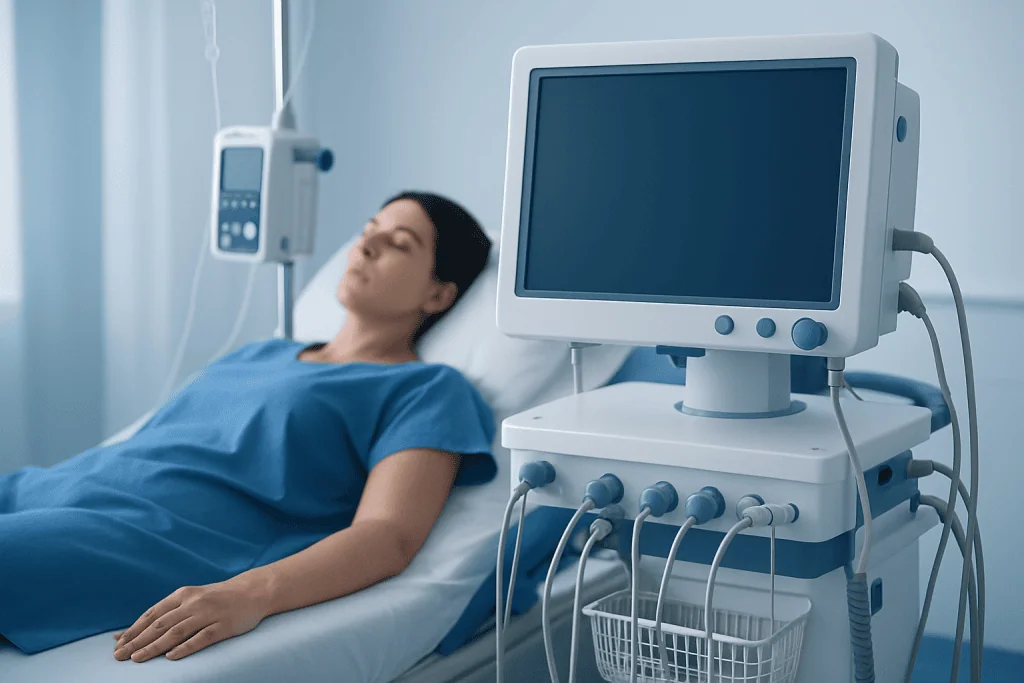
During an arm lift, a plastic surgeon removes a planned amount of loose skin from the upper arm. The incision may be limited to the underarm area or extend along the inner arm toward the elbow, depending on the degree and location of skin laxity. Liposuction may be used when there is localized fat that can be safely reduced alongside skin tightening.
Suitable candidates are generally adults with bothersome upper-arm skin laxity, a stable weight and realistic expectations about scars and recovery. Good candidates are also able to follow restrictions on lifting, exercise and wound care. People considering surgery should discuss their health history, medicines, allergies, previous operations and any history of poor wound healing or abnormal scars.
Smoking and nicotine exposure can reduce blood flow to healing tissue and raise the risk of wound complications. A surgeon may recommend stopping nicotine products well before and after surgery. Reaching and maintaining a sustainable weight before an arm lift can also help support a longer-lasting contour.
What Happens During the Procedure
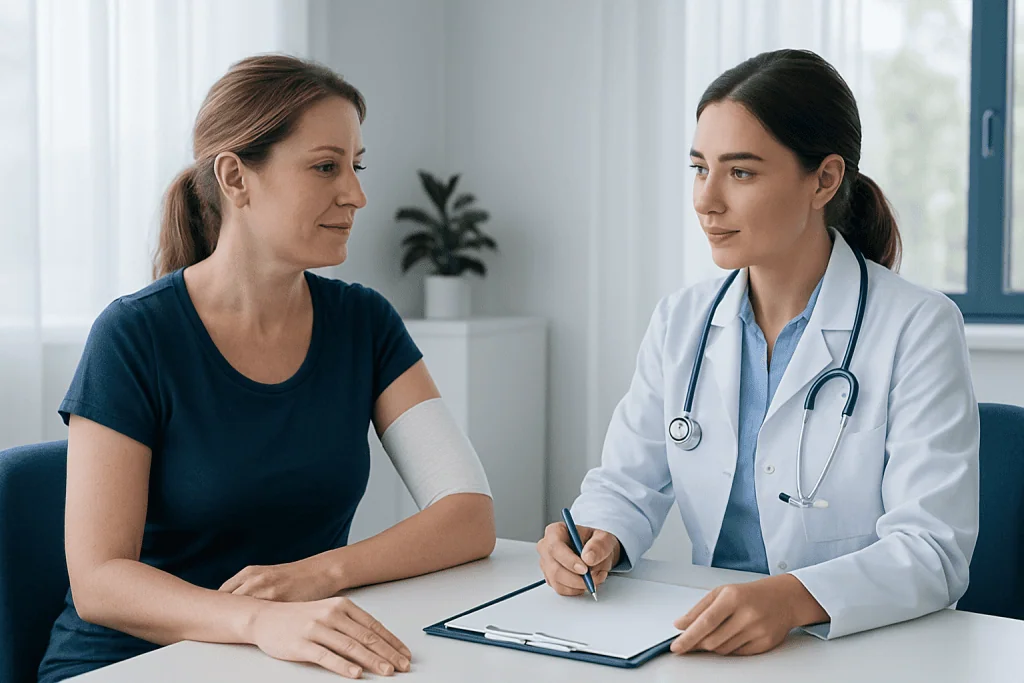
Arm lift surgery is commonly performed under general anesthesia, although the anesthesia plan depends on the procedure and the patient’s health. Before surgery, the surgeon marks the arms while the patient is standing to plan skin removal and incision placement. The surgical team then monitors the patient throughout the operation.
After making the incision, the surgeon removes excess skin and may reshape underlying tissue or perform liposuction when appropriate. The skin is redraped and closed with sutures. Dressings and compression garments may be placed to limit swelling and support the treated area while it heals.
Patients may go home the same day or may be observed longer depending on the operation, anesthesia and individual needs. They need a responsible adult to accompany them home and assist during the early recovery period. Written discharge instructions should explain medication use, bathing, dressing care, follow-up appointments and symptoms that require prompt contact with the clinical team.
Arm Lift Recovery: Week-by-Week Timeline
Days 1 to 3: The arms may feel sore, tight, swollen and bruised. Prescribed or recommended pain relief should be taken only as directed. Keeping the arms supported and elevated when resting may help limit swelling. Short, gentle walks around the home are commonly encouraged to support circulation, but patients should avoid reaching, pushing, pulling and lifting.
Week 1: Swelling and bruising are still expected, but discomfort often becomes easier to manage. Compression garments should be worn exactly as instructed. The first follow-up visit may include incision checks, dressing changes or drain management if drains were used. Patients should not drive while taking sedating pain medicine or until they can safely control a vehicle without discomfort or restricted movement.
Weeks 2 to 3: Many people can return to desk work or other light duties if they no longer need prescription pain medicine and their surgeon agrees. Light walking can usually increase gradually. The incisions may feel firm, numb, itchy or sensitive; these sensations often improve with time. Heavy lifting, repetitive arm movements and strenuous housework should still be avoided.
Weeks 4 to 6: Swelling generally continues to reduce, and everyday arm movement often feels more natural. Some patients may begin carefully increased activity after review by their surgeon. Exercise involving the arms, weights, swimming and high-impact workouts should wait until the incisions are securely healed and individual clearance is given. Manual work, childcare involving lifting or jobs with repeated overhead movement may require a longer absence.
After 6 weeks and beyond: Many patients can progressively return to their usual fitness routine, including strength training, when cleared. Residual swelling may take several months to settle. Scars commonly look red or raised initially, then slowly soften and fade over many months. Protecting scars from sun exposure and following the surgeon’s scar-care advice can support the best possible appearance.
Returning to Work, Exercise and Daily Activities
The timing for returning to work depends more on the physical demands of the job than on the calendar alone. Office-based work may be possible after around 1 to 2 weeks for some people, provided pain is controlled and arm movement is comfortable. Jobs involving lifting, pushing, pulling, patient handling, warehouse work or frequent overhead reaching may require several weeks or longer.
Walking is often the first activity reintroduced because it is gentle and supports overall recovery. Patients should increase distance slowly and stop if they develop worsening pain, pulling at the incision or unusual swelling. Heavy bags, children, pets and gym equipment should not be lifted until the surgeon confirms it is safe.
Upper-body workouts, swimming and contact sports can place tension on healing incisions. Returning too soon may increase swelling, wound separation or scar widening. A gradual, surgeon-approved return is safer than attempting to meet a fixed schedule. Patients should ask specifically about their preferred activities, including yoga, Pilates, tennis, weight training or physically active work.
Benefits, Risks and Supporting Healing
The potential benefit of an arm lift is a smoother, firmer upper-arm contour and reduced discomfort from excess skin rubbing or folding. Some people also find clothing fits more comfortably. Results are best maintained through stable weight, regular physical activity after recovery and ongoing general health care.
Like all operations, arm lift surgery has risks. These include bleeding, infection, fluid collection, delayed wound healing, changes in sensation, uneven contour, persistent swelling, unfavorable scarring, blood clots and anesthesia-related complications. Scars are permanent, although their color and texture often improve gradually. The surgeon will discuss personal risk factors before surgery and explain how complications are monitored and managed.
Helpful recovery steps include attending all follow-up appointments, wearing compression garments if prescribed, eating regular nutritious meals, staying hydrated and avoiding nicotine. Patients should not use supplements, anti-inflammatory medicines or herbal products during recovery unless the surgeon has confirmed they are appropriate, as some can affect bleeding or healing.
Acibadem International’s multidisciplinary specialists and JCI-accredited hospitals support assessment, surgery and follow-up planning for international patients considering arm lift treatment.
When to Seek Medical Care
Patients should contact their surgeon or surgical team promptly if pain, redness, warmth or swelling is getting worse rather than gradually improving. Other reasons to call include fever, foul-smelling drainage, pus-like drainage, bleeding that soaks through a dressing, wound opening, new numbness or marked one-sided arm swelling.
Urgent medical assessment is needed for chest pain, shortness of breath, fainting, coughing blood or sudden severe swelling, as these symptoms may indicate a serious problem unrelated to normal postoperative discomfort. Patients should follow the emergency instructions provided by their surgical team and seek local emergency care when needed.
It is always appropriate to contact the clinical team with concerns about healing. Early assessment can provide reassurance when symptoms are normal and allows treatment to begin promptly if a complication is developing.
Frequently asked questions
How long does arm lift recovery take?
Initial recovery commonly takes several weeks, while swelling and scar maturation can continue for several months. The exact timeline depends on the extent of surgery, whether other procedures were performed and the person’s healing progress. The surgeon’s follow-up assessment should guide the return to normal activities.
When can someone return to work after an arm lift?
Some people with desk-based jobs return in about 1 to 2 weeks if they feel comfortable and are no longer taking sedating pain medicine. Physically demanding work usually requires more recovery time because lifting and repetitive arm movement can strain healing tissue. A surgeon can provide work-specific restrictions.
When can someone exercise after an arm lift?
Gentle walking is commonly encouraged soon after surgery, but strenuous exercise should be delayed. Upper-body training, weight lifting, swimming and activities with repetitive arm movement should begin only after the surgeon confirms that the incisions have healed adequately. Progression should be gradual.
Is swelling normal after arm lift surgery?
Yes, swelling and bruising are common in the first days and weeks after an arm lift. They should improve progressively, although minor swelling can persist for months. Sudden, severe or increasing swelling should be reported to the surgical team.
How painful is arm lift recovery?
Soreness, tightness and tenderness are expected, especially during the first few days. Pain is usually managed with the medication plan and activity restrictions provided by the surgeon. Pain that becomes severe or worsens after initially improving should be assessed.
Will there be scars after an arm lift?
An arm lift leaves scars because skin is removed through surgical incisions. Their length and location depend on the amount of correction needed. Scars commonly appear more noticeable at first and gradually fade over time, though they do not disappear completely.
References
- American Society of Plastic Surgeons
- American Society for Aesthetic Plastic Surgery
- National Health Service
- Mayo Clinic
This article is for general information only and is not a substitute for professional medical advice. Please consult a qualified doctor about your individual situation.
Arm Lift in Turkey — costs, top hospitals & a free quote
JCI-accredited · board-certified surgeons · reply within 24h
Add us as a Preferred Source to see more of our trusted health content across Google Search, AI Overviews and Discover.

Plastic, Reconstructive & Aesthetic Surgery
Reconstructive and aesthetic procedures for the face and body, performed by experienced surgeons.
35 specialists in this unitMore from the Health Library

Related Specialists

Dr. Mustafa Süveran
Gastroenterology
Dr. Canan Çelebi
Internal Medicine
Dr. Salim Sırrı Türker
Orthopedic Surgery & Traumatology
Dr. Haldun Şentürk
Emergency Service