Tummy tuck Before & After: What Realistic Results Look Like

A tummy tuck removes excess lower-abdominal skin and fat and may tighten separated abdominal muscles. Early after photos do not show the final result; swelling can take months to settle and scars continue to fade over time.
Key Takeaways
- A tummy tuck removes excess lower-abdominal skin and fat and may tighten separated abdominal muscles.
- Early after photos do not show the final result; swelling can take months to settle and scars continue to fade over time.
- The procedure is best suited to people near a stable weight who have loose skin or muscle separation that does not improve with lifestyle measures.
- A tummy tuck is not a weight-loss operation and does not prevent future weight changes or pregnancy-related stretching.
- All surgery carries risks, including bleeding, infection, fluid collections, delayed wound healing and visible scarring.
Tummy tuck before and after results can include a flatter abdominal contour, removal of loose skin and, when needed, repair of separated abdominal muscles. Final changes develop gradually as swelling improves and scars mature, so realistic expectations are essential when considering abdominoplasty.
What tummy tuck before and after results realistically show
Tummy tuck before and after images commonly show a smoother, flatter abdominal profile, especially below the navel. The operation, also called abdominoplasty, is designed to remove excess skin and may address stretched or separated abdominal muscles. It can be helpful after pregnancy, substantial weight change or ageing when loose skin remains despite healthy eating and regular activity.
Results are individual rather than identical. A person’s skin quality, amount and distribution of tissue, muscle condition, previous scars, weight stability and healing response all influence the outcome. A realistic goal is improved contour and comfort in clothing, not a perfectly flat abdomen or a body that matches someone else’s photographs.
Before-and-after images should be viewed carefully. Comparable photographs are taken with similar posture, lighting, clothing and timing after surgery. They should also show the type of operation performed, since a mini tummy tuck, full tummy tuck and extended tummy tuck can create different changes and leave scars of different lengths.
How a tummy tuck changes the abdomen
A tummy tuck reshapes the abdominal wall rather than treating a medical disease. During a full procedure, the surgeon makes a low incision that is usually planned to sit beneath underwear or swimwear. Excess skin and some fatty tissue are removed, and the remaining skin is redraped to create a smoother contour. The navel may be repositioned as part of a full tummy tuck.
Pregnancy or weight changes can stretch the connective tissue between the abdominal muscles, a condition called diastasis recti. If this is present and appropriate for surgery, the surgeon may bring the muscles closer together with internal sutures. This can improve abdominal support and reduce a central bulge, but it is not intended to replace treatment for hernias or other abdominal conditions.
Liposuction may sometimes be combined with abdominoplasty to refine contour in selected areas. However, liposuction and tummy tuck surgery have different purposes: liposuction removes localized fat, whereas abdominoplasty primarily addresses loose skin and, where needed, muscle separation. A consultation for tummy tuck surgery can clarify which approach is suitable.
Who may be a suitable candidate
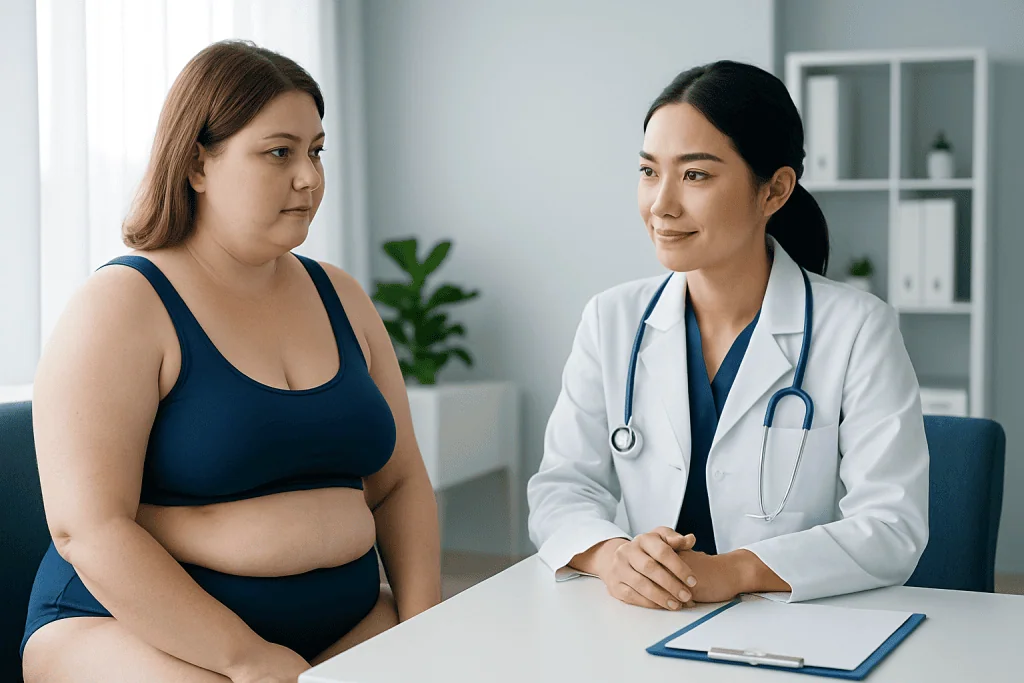
Good candidates are generally adults in good overall health who are close to a weight they can maintain and are bothered by loose abdominal skin, a lower-abdominal overhang or muscle separation. They should understand that the operation creates a permanent scar and requires a recovery period with temporary activity restrictions.
People often consider a tummy tuck after completing pregnancies or after maintaining weight loss for a period of time. Future pregnancy or significant weight gain can stretch the skin and abdominal wall again, potentially changing the surgical result. For this reason, timing is an important part of the decision.
A surgeon will review medical history, previous abdominal operations, smoking or nicotine use, medications, blood-clot risk and expectations. People with uncontrolled medical conditions, active infection, poor wound-healing risk or plans for near-term pregnancy may be advised to postpone surgery or consider other options. The assessment should also distinguish loose skin from abdominal fullness caused by internal fat, which a tummy tuck cannot remove.
- Stable weight and realistic expectations support more predictable results.
- Stopping nicotine products before and after surgery is important because nicotine can impair wound healing.
- Any concern about a painful bulge or suspected hernia should be medically assessed before cosmetic surgery.
What happens during the procedure
Abdominoplasty is usually performed under general anaesthesia. The exact technique depends on the amount and location of excess skin, whether muscle repair is needed and whether additional contouring is planned. The surgical team discusses the incision pattern, expected scar placement and recovery arrangements before the operation.
In a full tummy tuck, the surgeon typically makes a low horizontal incision, lifts the abdominal skin, repairs muscle separation when indicated and removes excess lower-abdominal skin. The navel is brought through a new opening in the reshaped skin. A mini tummy tuck is more limited, generally treating skin below the navel and usually leaving a shorter incision; it does not suit everyone.
Small drains may be placed temporarily to reduce fluid accumulation, although some surgeons use techniques that avoid drains. Dressings and a support garment may be used after surgery. Patients need a responsible adult to help them return home and assist during the first stage of recovery, according to their surgeon’s instructions.
Recovery timeline and how results develop
Immediately after surgery, the abdomen is swollen, tender and tight. It is common to walk slightly bent at the waist for a short time to reduce tension on the incision. Pain relief, gentle walking and careful wound care are important parts of early recovery. The surgeon will provide individualized instructions about showering, garments, drains and follow-up appointments.
Many people can manage light daily activities after the initial recovery period, but they should avoid lifting, strenuous exercise and core-focused activity until cleared by their surgical team. Return to work varies with the person’s job, the extent of surgery and their recovery. Activities that raise abdominal pressure, including heavy lifting, need particular caution.
Early before-and-after changes can be encouraging, but they are not final. Swelling usually improves in stages, and small areas of firmness or unevenness can occur during healing. Scars are initially more noticeable and often change in colour and texture over many months. Protecting healing scars from sun exposure and following scar-care guidance can support their maturation.
A realistic case example is a person with loose skin after pregnancy and stable weight who notices that clothing fits more comfortably and the lower abdomen is smoother after healing. Another person may have a more modest visible change because their main concern is internal abdominal fat or skin laxity extends beyond the area treated. These differences are why an in-person examination is more useful than comparing photographs alone.
Benefits, limitations and possible risks
Potential benefits include removal of loose skin, improved lower-abdominal contour, reduced chafing or skin-fold discomfort and repair of muscle separation when appropriate. Some people also report greater comfort in clothing. These outcomes can be long-lasting when weight remains stable, but no surgical result is immune to the effects of ageing, pregnancy or substantial weight fluctuation.
A tummy tuck does not replace balanced nutrition, physical activity or weight-management care. It does not treat obesity, remove visceral fat around internal organs or guarantee relief from back pain or other symptoms. People seeking weight-loss support may need a separate discussion with a qualified clinician.
Possible complications include bleeding, infection, blood clots, fluid collection beneath the skin, numbness, delayed wound healing, wound separation, asymmetry, persistent swelling and unfavourable scarring. Changes in skin sensation can occur and may be temporary or long-lasting. Rarely, additional treatment or revision surgery may be needed.
Choosing an appropriately qualified plastic surgeon, sharing complete medical information and following pre- and postoperative instructions can help reduce avoidable risks. The surgeon should explain what is expected in the individual case, including the scar, recovery limitations and signs that need prompt attention.
When to seek medical care
After a tummy tuck, patients should contact their surgical team promptly if they develop worsening pain rather than gradual improvement, fever, spreading redness, foul-smelling drainage, increasing swelling on one side, opening of the incision or bleeding that soaks through a dressing. These symptoms do not always mean a serious problem, but they need professional advice.
Urgent medical care is needed for chest pain, shortness of breath, fainting, coughing up blood, or sudden swelling and pain in one leg. These can be signs of a blood clot or another urgent condition and should not be managed at home.
Before surgery, a new abdominal lump, severe abdominal pain, unexplained weight loss, persistent bowel changes or symptoms of a possible hernia should be assessed by a doctor rather than assumed to be a cosmetic concern. Acibadem International’s multidisciplinary specialists and JCI-accredited hospitals evaluate and treat patients considering abdominal contouring, including international patients.
Frequently asked questions
How long does it take to see final tummy tuck results?
The abdominal contour begins to change immediately, but swelling and healing mean the early appearance is not final. Most improvement develops over the following months, while scars can continue to mature for a year or longer.
Will a tummy tuck leave a scar?
Yes. A tummy tuck requires an incision, so it leaves a scar, usually low on the abdomen where it may be covered by underwear or swimwear. The length and position depend on the technique and the amount of skin removed.
Can a tummy tuck remove belly fat?
A tummy tuck can remove some fat with excess skin, but it is not a weight-loss procedure and does not remove internal visceral fat. Liposuction may be considered for localized fat in some patients, but suitability depends on the examination and treatment plan.
What is the difference between a mini tummy tuck and a full tummy tuck?
A mini tummy tuck generally targets loose skin below the navel and uses a shorter incision. A full tummy tuck treats a larger area of skin and may include navel repositioning and abdominal muscle repair when needed.
Can pregnancy affect tummy tuck results?
Yes. Pregnancy can stretch the abdominal skin and muscles again, which may change the result of a previous tummy tuck. People planning a future pregnancy may wish to discuss the timing of surgery with their surgeon.
Is tummy tuck surgery painful?
Discomfort, tightness and swelling are expected during early recovery, and the surgical team provides a pain-management plan. Pain should gradually improve; worsening or severe pain should be reported to the care team.
References
- American Society of Plastic Surgeons
- American Society for Aesthetic Plastic Surgery
- National Health Service
- Mayo Clinic
This article is for general information only and is not a substitute for professional medical advice. Please consult a qualified doctor about your individual situation.
Explore treatments in Turkey — costs, top hospitals & a free quote
JCI-accredited · board-certified surgeons · reply within 24h
Add us as a Preferred Source to see more of our trusted health content across Google Search, AI Overviews and Discover.