Pilonidal Cyst Treatment Options and Care

An infected pilonidal cyst with an abscess usually needs prompt drainage; antibiotics alone often do not resolve a collection of pus. Not every pilonidal pit or cyst requires surgery if it causes no symptoms.
Key Takeaways
- An infected pilonidal cyst with an abscess usually needs prompt drainage; antibiotics alone often do not resolve a collection of pus.
- Not every pilonidal pit or cyst requires surgery if it causes no symptoms.
- Surgery may be recommended for recurrent abscesses, persistent drainage, or complex sinus tracts.
- Recovery differs by procedure, with wound care and reducing pressure or friction in the cleft playing important roles.
- A colorectal or general surgeon can tailor treatment to the extent of disease, previous treatment, and daily activities.
Pilonidal cyst treatment depends on whether the area is symptom-free, infected, or repeatedly draining. Options range from local skin care and abscess drainage to procedures that remove sinus tracts and help reduce recurrence.
Overview: What Is Pilonidal Cyst Treatment?
Pilonidal cyst treatment is selected according to the symptoms and severity of pilonidal disease. A small, symptom-free pit in the skin may only need observation and measures to keep the area clean and dry. A painful infected cyst, especially one containing a pocket of pus called an abscess, generally requires a medical procedure to drain it.
Pilonidal disease usually develops in the cleft between the buttocks, near the tailbone. Loose hairs and friction can enter small openings in the skin, causing inflammation, tunnels beneath the skin called sinus tracts, or infection. The condition is common in adolescents and young adults, but it can affect people of different ages.
Treatment aims to relieve pain and infection, promote wound healing, and lower the chance of future flare-ups. The right approach may be simple for a first acute abscess and more planned for persistent or recurrent disease. The related condition is described in more detail in pilonidal cyst information.
Choosing Treatment Based on Symptoms and Disease Pattern
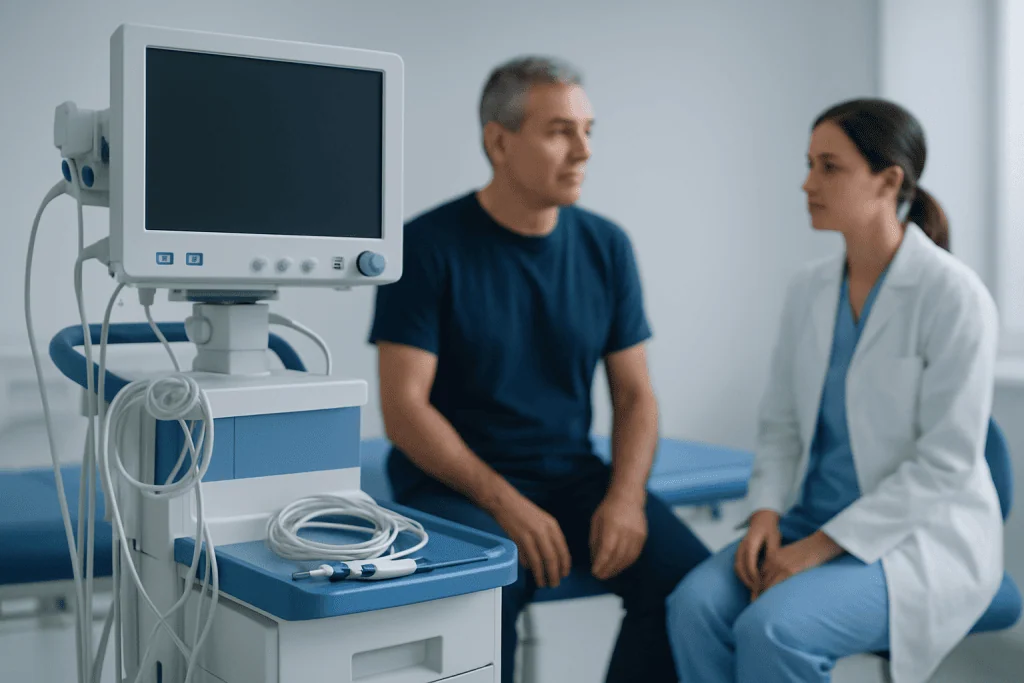
Clinicians first determine whether there is an acute abscess, chronic draining disease, or inactive pilonidal pits. An abscess can cause a tender lump, redness, swelling, warmth, drainage, fever, or difficulty sitting. Chronic disease more often causes intermittent discharge, staining of underwear, discomfort, and one or more small openings in the skin.
For an asymptomatic pit, a clinician may recommend watchful waiting rather than immediate surgery. Keeping the area clean, reducing hair accumulation, avoiding prolonged pressure when possible, and monitoring for pain or drainage may be sufficient. Any new swelling, increasing tenderness, or fever should be assessed promptly.
Recurrent infections or long-standing drainage can indicate that sinus tracts remain under the skin. In this situation, planned treatment is often more effective than repeatedly treating individual flare-ups. The treatment decision should consider the number and location of pits, prior operations, wound-healing factors, work or school demands, and the person’s preferences.
- Inactive, symptom-free disease: observation and preventive skin care may be appropriate.
- Acute abscess: incision and drainage is usually the main treatment.
- Chronic or recurrent disease: a minimally invasive or surgical procedure may be considered.
Medication and Non-Surgical Care

Medication has a limited but sometimes useful role in pilonidal disease. Pain relievers may help manage discomfort, and a clinician may prescribe antibiotics when there is spreading skin infection, fever, significant surrounding cellulitis, or particular health risks. However, antibiotics cannot reliably clear an abscess because pus in a closed cavity usually needs to be released.
After examination, a clinician may advise warm compresses for comfort, gentle cleansing, and a clean dressing if there is drainage. Squeezing, cutting, or trying to drain a cyst at home should be avoided. These actions can worsen tissue injury, increase infection risk, and delay appropriate care.
Hair control can be part of ongoing prevention after the acute problem is managed. This may involve careful clipping or other clinician-recommended hair-reduction methods. Shaving can irritate skin or leave short hairs that may become trapped, so the best method should be discussed with the treating team. Good hygiene supports care, but it does not replace drainage or surgery when these are needed.
Drainage for an Infected Pilonidal Abscess
Incision and drainage is a common procedure for a painful pilonidal abscess. It relieves pressure by opening the abscess and allowing pus to drain. For many people, this provides rapid improvement in pain, although it may not remove all of the underlying pits or sinus tracts that can lead to recurrence.
How it works and who may benefit: the procedure is generally suitable for people with a localized, tender collection of pus. It may be performed using local anesthetic, sometimes with sedation or general anesthesia depending on the extent of infection, pain level, and clinical setting.
What happens: after numbing and cleaning the area, the clinician makes a small opening, drains the collection, and gently cleans the cavity. The wound may be left open to heal from the inside out, and a dressing or packing may be used in selected cases. The person receives instructions for dressing changes, bathing, activity, and follow-up.
Many people can return to lighter activities within a few days, but healing and drainage can continue for several weeks. A follow-up assessment is important, particularly if drainage persists or another painful lump develops. For detailed procedural options, patients can review pilonidal cyst treatment options.
Surgery for Recurrent or Chronic Pilonidal Disease
Surgery may be recommended when pilonidal disease repeatedly becomes infected, continues to drain, or has several sinus openings. The purpose is to remove or open diseased tissue and reshape the area, when appropriate, so that hair and friction are less likely to collect in the deep natal cleft. The exact operation is individualized; no single method is best for every person.
How surgery works: depending on the pattern of disease, a surgeon may remove pits and sinus tracts through a limited approach, open and clean the tract, excise a wider area of affected tissue, or use a flap technique to move the scar away from the midline. Less extensive procedures may suit selected uncomplicated cases, while flap procedures are more often considered for complex or recurrent disease.
Step by step: before surgery, the surgeon reviews health history, medications, smoking status, and anesthesia needs. During the procedure, the area is cleaned and the identified tracts are treated or removed. The wound may be left open, partly closed, or closed with tissue positioned off the midline. A dressing is applied, and the patient receives a plan for pain control, wound care, activity, and review appointments.
Benefits and risks: surgery can address persistent disease and may reduce future episodes, especially when techniques minimize a midline scar. Risks include bleeding, infection, fluid collection, delayed healing, wound separation, scarring, numbness, and recurrence. A surgeon can explain the expected benefits and risks of each approach in the context of the individual’s condition.
Recovery Timeline and Aftercare
Recovery after pilonidal treatment varies with the procedure, wound size, and whether the incision is left open or closed. After simple abscess drainage, discomfort often improves quickly, while ongoing wound drainage may last days to weeks. After more extensive surgery, returning to desk work, school, driving, sports, or heavy lifting may take longer and should follow the surgical team’s advice.
Open wounds typically require regular dressing changes until healthy new tissue fills the area. A closed incision also needs careful monitoring for redness, increasing pain, fluid leakage, or separation. Keeping follow-up appointments allows the care team to assess healing and adjust wound care if needed.
Most people are encouraged to walk gently as they are able, while avoiding activities that create excessive friction, pressure, or stretching near the wound during early healing. Drinking enough fluids, eating a balanced diet with adequate protein, and preventing constipation can support comfort and recovery. Smoking cessation is also important because smoking can slow wound healing.
It is normal to have questions about travel, sitting, exercise, and return to work. These decisions should be individualized, particularly after a flap procedure or when wound healing is delayed. Acibadem International’s multidisciplinary specialists at JCI-accredited hospitals assess and treat pilonidal disease for international patients, including planning appropriate follow-up care.
Preventing Recurrence and Knowing When to Seek Medical Care
Recurrence is possible even after successful treatment, but consistent skin and wound care may help lower risk. Once the skin has healed, recommendations may include regular washing and drying of the cleft, minimizing trapped loose hair, wearing breathable clothing, maintaining a healthy weight where relevant, and taking movement breaks during prolonged sitting. The surgical team may advise a specific hair-management plan based on the procedure performed.
When to seek medical care: prompt assessment is advisable for a new painful lump near the tailbone, redness that spreads, pus or foul-smelling drainage, fever, or worsening pain when sitting. These symptoms can suggest an abscess or spreading infection. People with diabetes, immune suppression, or difficulty healing should contact a healthcare professional early if they notice signs of infection.
After drainage or surgery, urgent medical advice is appropriate for fever, rapidly increasing redness or swelling, severe or worsening pain, heavy bleeding, inability to keep fluids down, or a dressing that becomes repeatedly soaked with blood or pus. A planned review is also appropriate when a wound does not seem to improve, drainage continues, or symptoms return.
Questions to Discuss With a Surgeon
A consultation gives patients the opportunity to understand the likely pattern of their pilonidal disease and the full range of reasonable options. Bringing a list of previous infections, prior procedures, medicines, allergies, and any concerns about work, sport, travel, or caregiving can help guide a practical treatment plan.
Useful questions include whether an abscess is present, whether drainage is needed now, what type of surgery is recommended if symptoms recur, and whether the wound will be open or closed. It is also reasonable to ask about anesthesia, expected wound care, time away from normal activities, signs of complications, and the plan for preventing recurrence.
Shared decision-making is particularly valuable for chronic disease because the balance between recovery time, wound care needs, and recurrence risk differs among procedures. A qualified general or colorectal surgeon can explain options clearly and help the patient choose an approach that fits the condition and personal circumstances.
Frequently asked questions
Can a pilonidal cyst go away without surgery?
A symptom-free pilonidal pit may not require surgery and can sometimes be managed with observation and preventive skin care. However, an infected abscess usually needs medical assessment and drainage. Recurrent pain or drainage may indicate chronic disease that could benefit from a planned procedure.
Do antibiotics cure a pilonidal cyst infection?
Antibiotics may be used when there is spreading skin infection, fever, or other clinical reasons. They do not usually cure a pilonidal abscess on their own because trapped pus generally needs to be drained. A clinician can determine whether antibiotics are appropriate.
How long does recovery take after pilonidal cyst surgery?
Recovery depends on the operation and the way the wound is managed. Some people return to light daily activities within days to a couple of weeks, while complete wound healing can take several weeks or longer, especially for an open wound. The surgeon’s aftercare instructions should guide activity and return-to-work timing.
Is pilonidal cyst surgery painful?
Some pain and discomfort are expected after drainage or surgery, particularly during the first days and with dressing changes. Pain is usually managed with a personalized plan that may include prescribed or non-prescription medicines, depending on the patient’s health and procedure. Increasing pain after initial improvement should be reported to the care team.
Can pilonidal disease come back after treatment?
Yes, recurrence can happen after either drainage or definitive surgery. The likelihood varies according to the extent of disease, the procedure used, wound healing, and ongoing factors such as hair accumulation and friction. Follow-up care and prevention measures can help reduce the chance of future problems.
When is a pilonidal cyst an emergency?
A painful, rapidly enlarging swelling with fever, spreading redness, or significant pus drainage should be assessed urgently because it may be an abscess or spreading infection. Urgent evaluation is also important for severe pain, heavy bleeding after a procedure, or worsening symptoms in someone with diabetes or a weakened immune system.
References
- National Health Service
- American Society of Colon and Rectal Surgeons
- Mayo Clinic
- MedlinePlus
- Cleveland Clinic
This article is for general information only and is not a substitute for professional medical advice. Please consult a qualified doctor about your individual situation.
Hair transplant in Turkey — costs, graft counts & a free assessment
JCI-accredited · board-certified surgeons · reply within 24h
Add us as a Preferred Source to see more of our trusted health content across Google Search, AI Overviews and Discover.