What Causes Thyroid nodules? Risk Factors Explained
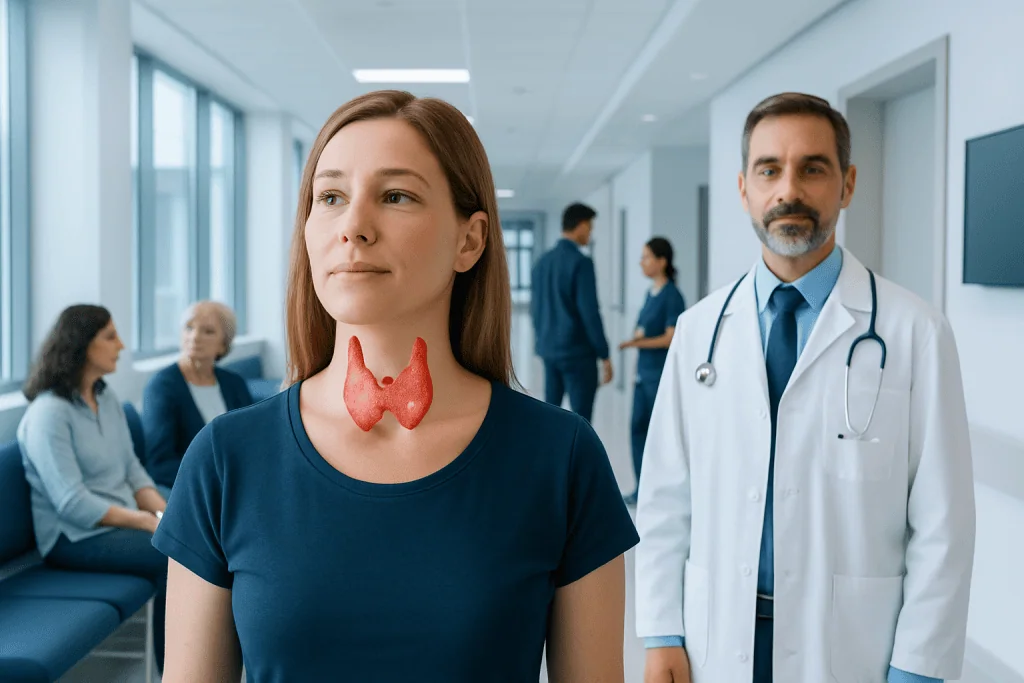
Most thyroid nodules are benign and do not cause symptoms. The exact cause is not always known, but age, female sex, family history, radiation exposure and thyroid disease can increase risk.
Key Takeaways
- Most thyroid nodules are benign and do not cause symptoms.
- The exact cause is not always known, but age, female sex, family history, radiation exposure and thyroid disease can increase risk.
- Ultrasound and, when appropriate, fine-needle aspiration biopsy help assess a nodule's features.
- A thyroid nodule does not automatically mean thyroid cancer, and many people only need follow-up monitoring.
- New neck swelling, voice changes, swallowing difficulty or breathing symptoms should be assessed promptly.
Thyroid nodules are common lumps within the thyroid gland. They can develop for several reasons, including benign tissue overgrowth, cyst formation, inflammation, iodine-related changes and, less commonly, thyroid cancer; evaluation helps identify which nodules need monitoring or treatment.
Overview: What Causes Thyroid Nodules?
Thyroid nodules causes include benign overgrowth of thyroid cells, fluid-filled cysts, inflammation of the thyroid gland, changes related to iodine intake and, less often, thyroid cancer. In many cases, no single cause can be identified, and most nodules are not harmful.
The thyroid is a small, butterfly-shaped gland at the front of the neck. It produces hormones that support metabolism, temperature regulation, heart function and many other body processes. A nodule is a localized area of growth or change within this gland; it may be solid, filled with fluid, or mixed.
Some nodules are found when a person or clinician notices a lump in the neck. Others are discovered incidentally during an ultrasound, CT scan or other imaging test performed for a different reason. Finding a nodule can be concerning, but it is important to know that the majority are benign and can often be monitored safely.
Common Types and Underlying Causes
Benign thyroid tissue overgrowth is among the most frequent explanations for a thyroid nodule. This may produce a single benign nodule, often called an adenoma, or multiple nodules, known as multinodular goiter. These changes may occur even when thyroid hormone levels are normal.
Some nodules develop when fluid, blood or old tissue collects inside the thyroid, creating a cyst or partly cystic nodule. Cysts are commonly benign, although a clinician may recommend follow-up if they are large, recurrent or have solid components.
Inflammatory thyroid conditions can also change the gland’s texture and create nodular areas. Hashimoto’s thyroiditis, an autoimmune condition, may cause an enlarged or uneven thyroid and can be associated with nodules. In some cases, a nodule makes excess thyroid hormone independently; this is called an autonomously functioning or “hot” nodule.
Thyroid cancer is a less common cause of a nodule. Risk assessment relies on ultrasound appearance, medical history, physical examination and, if needed, biopsy results rather than size alone. A nodule should therefore be assessed carefully, without assuming that it is either benign or cancerous before appropriate testing.
Risk Factors for Thyroid Nodules

Thyroid nodules become more common with age and are more frequently identified in women. Having a close family member with thyroid nodules, goiter or certain hereditary cancer syndromes may also increase a person’s likelihood of developing nodules or needing a more detailed assessment.
Previous exposure of the head, neck or upper chest to radiation is an important risk factor, particularly when exposure occurred during childhood. This may include prior radiation therapy for another medical condition. Routine diagnostic imaging generally delivers much lower radiation doses, but clinicians should still consider a person’s prior medical exposures as part of the evaluation.
Iodine is needed for thyroid hormone production. Both inadequate and excessive iodine intake can influence thyroid health in some populations, although individuals should not start iodine supplements without medical advice. Autoimmune thyroid disease, an enlarged thyroid gland and a personal history of thyroid nodules can also be relevant.
- Older age and female sex are associated with a higher chance of nodules.
- Family history of thyroid disease or thyroid cancer may affect risk assessment.
- Childhood or therapeutic neck radiation warrants careful clinical review.
- Autoimmune thyroid disease and prior goiter may contribute to nodular changes.
Symptoms and Features That Need Assessment
Many thyroid nodules do not cause any symptoms. A person may notice a small lump, neck fullness or an asymmetry in the lower front of the neck, but smaller nodules are often detectable only on imaging. A clinician may discover them during a routine neck examination.
Large nodules or goiters can sometimes cause pressure-related symptoms, such as a sensation of fullness, difficulty swallowing, a persistent cough, shortness of breath when lying down or voice changes. These symptoms can have other causes as well, but they should be discussed with a doctor.
If a nodule produces too much thyroid hormone, symptoms may include palpitations, tremor, sweating, heat intolerance, unintentional weight loss, anxiety or more frequent bowel movements. Conversely, thyroid inflammation or other thyroid disorders may be associated with low hormone levels, tiredness, dry skin, constipation or feeling unusually cold. Blood testing can help clarify thyroid function.
How Thyroid Nodules Are Diagnosed
Assessment usually begins with a medical history and examination of the neck. The clinician may ask about radiation exposure, family history, medication use, symptoms of thyroid hormone imbalance and how quickly a lump has changed. Blood tests, particularly thyroid-stimulating hormone (TSH), are commonly used to evaluate thyroid function.
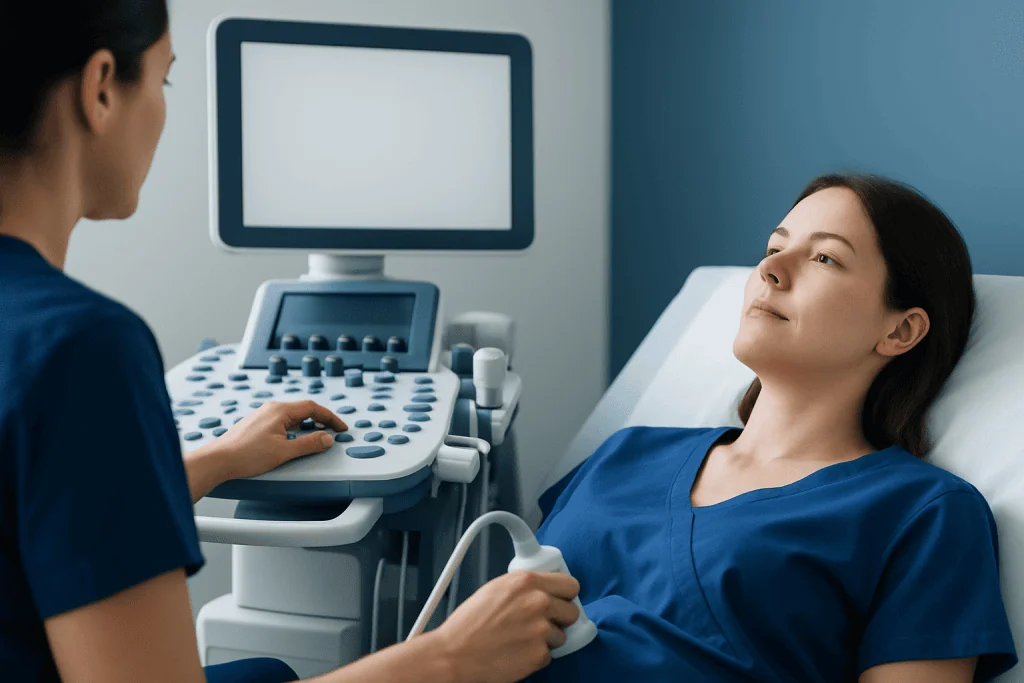
Thyroid ultrasound is the main imaging test for characterizing nodules. It can show the nodule’s size, whether it is solid or cystic, its margins, shape and other features that guide the next step. Ultrasound also helps identify whether nearby lymph nodes appear unusual.
If ultrasound findings and nodule size meet established criteria, the clinician may recommend fine-needle aspiration biopsy. During this outpatient test, a thin needle collects cells from the nodule, usually with ultrasound guidance. The sample is examined by a pathologist to help determine whether the nodule is benign, suspicious or requires further investigation.
When TSH is low, a thyroid scan may be considered to identify whether a nodule is producing hormone independently. For a fuller explanation of assessment and care pathways, see thyroid nodule diagnosis and treatment options.
Treatment Options and What Procedures Involve
Treatment depends on the cause, ultrasound findings, biopsy result, size, symptoms and thyroid hormone activity. Benign nodules that are small and not causing symptoms often need no immediate treatment. Instead, the clinician may recommend periodic examination, thyroid blood tests when appropriate and repeat ultrasound at an individualized interval.
Fine-needle aspiration biopsy is a diagnostic procedure rather than a treatment. It is usually suitable when a nodule has features or size criteria that warrant cell sampling. The neck is cleaned, ultrasound is used to guide a very thin needle into the nodule, and several samples may be taken. Most people return to normal daily activities the same day and may have mild temporary tenderness or bruising.
For a benign but troublesome cystic nodule, drainage or selected minimally invasive approaches may be considered. Nodules causing significant pressure symptoms, nodules with concerning or indeterminate biopsy results, and confirmed cancers may require surgery. Thyroid surgery may involve removal of one thyroid lobe or the whole gland, depending on the diagnosis and clinical circumstances.
Potential benefits of treatment include obtaining a clear diagnosis, relieving pressure symptoms, addressing hormone overproduction or removing cancer when present. Risks vary by procedure and may include bleeding, infection, scarring, voice changes, low calcium levels after total thyroid surgery and the need for lifelong thyroid hormone replacement if the entire gland is removed. A specialist can explain candidacy, alternatives and recovery expectations in an individual case.
Prevention, Monitoring and Self-Care
There is no guaranteed way to prevent thyroid nodules, because many arise from common changes within the thyroid gland. Maintaining a balanced diet that includes appropriate iodine intake is generally helpful, but excessive iodine from supplements or seaweed-based products can also affect thyroid function. Supplement use should be discussed with a doctor, especially for people with thyroid disease.
People who have been advised to monitor a nodule should keep scheduled ultrasound and clinical follow-up appointments. It can be useful to report new symptoms, such as neck pressure, voice changes, swallowing difficulty or symptoms of excess thyroid hormone, rather than waiting for the next routine visit.
Self-checking the neck cannot diagnose thyroid nodules or cancer, and repeated pressing may increase worry without providing useful information. A more reliable approach is to seek professional assessment for a newly noticed neck lump or a visible change in the lower neck. Acibadem International’s multidisciplinary specialists and JCI-accredited hospitals diagnose and treat thyroid conditions for international patients.
When to Seek Medical Care
A person should arrange a medical appointment if they notice a new lump or persistent fullness in the neck, especially if it is growing. Evaluation is also appropriate for unexplained changes in voice, difficulty swallowing, ongoing throat pressure or symptoms that suggest thyroid hormone imbalance.
More urgent medical attention is needed for sudden or worsening trouble breathing, rapidly enlarging neck swelling, or significant difficulty swallowing. These symptoms are uncommon and can have several causes, but prompt assessment is important.
People with a history of childhood neck radiation, a strong family history of thyroid cancer or certain inherited endocrine conditions should mention this history to their clinician. Early review can help determine whether ultrasound, blood testing or referral to an endocrinologist or thyroid surgeon is appropriate.
Frequently asked questions
Are thyroid nodules usually cancerous?
No. Most thyroid nodules are benign. Ultrasound findings and, when needed, a fine-needle aspiration biopsy help clinicians identify nodules that require closer investigation or treatment.
Can stress cause thyroid nodules?
Stress is not considered a direct established cause of thyroid nodules. Stress can affect overall wellbeing and may worsen awareness of symptoms, but a new neck lump should still be evaluated medically.
Can iodine deficiency cause thyroid nodules?
In areas where iodine intake is low, iodine deficiency can contribute to goiter and nodular thyroid changes. However, taking extra iodine without guidance is not recommended because too much iodine can also disrupt thyroid function.
How is a thyroid nodule biopsy performed?
A fine-needle aspiration biopsy uses a thin needle to collect cells from the nodule, typically with ultrasound guidance. It is usually performed as an outpatient procedure and most people can resume usual activities afterward.
Do benign thyroid nodules need to be removed?
Not usually. Benign nodules may be monitored if they are not causing symptoms and do not have concerning features. Treatment may be considered if a nodule grows, produces excess hormone, causes pressure symptoms or has uncertain test results.
Can thyroid nodules disappear on their own?
Some small cystic or inflammatory nodules can shrink or change over time. Solid nodules often remain present, but this does not mean they are dangerous; follow-up recommendations depend on their individual features.
References
- American Thyroid Association
- National Institute of Diabetes and Digestive and Kidney Diseases
- National Cancer Institute
- Mayo Clinic
- British Thyroid Foundation
This article is for general information only and is not a substitute for professional medical advice. Please consult a qualified doctor about your individual situation.
Medical weight-loss options in Turkey — costs & eligibility
JCI-accredited · board-certified surgeons · reply within 24h
Add us as a Preferred Source to see more of our trusted health content across Google Search, AI Overviews and Discover.

More from the Health Library



Related Specialists
Fzt. Perihan Yıldız
Physical Medicine & Rehabilitation
Dr. Burcu Yılmaz
Gynecology & Obstetrics
Fzt. Faika Nur Erkol
Treatment of Lymphedema
Fzt. Sabit Kılıç
Physical Medicine & Rehabilitation