

Breast lift Risks & Side Effects Explained by Surgeons

A breast lift, also called mastopexy, raises and reshapes sagging breasts but does not usually increase breast size. Scars are expected after breast lift surgery, although they often fade over time and vary between individuals.
Key Takeaways
- A breast lift, also called mastopexy, raises and reshapes sagging breasts but does not usually increase breast size.
- Scars are expected after breast lift surgery, although they often fade over time and vary between individuals.
- Smoking, uncontrolled medical conditions, significant weight changes and poor wound healing can increase complication risks.
- Most early effects, including swelling, bruising and discomfort, improve during the first weeks of recovery.
- Urgent medical advice is needed for worsening pain, fever, spreading redness, shortness of breath or sudden swelling.
Breast lift risks include visible scars, temporary swelling and altered nipple sensation, along with less common complications such as infection, bleeding, wound-healing problems and breast asymmetry. A consultation with a qualified plastic surgeon helps a person understand their individual risk profile, expected recovery and realistic results.
Breast Lift Risks: The Answer First
Breast lift risks include scarring, swelling, bruising, discomfort, temporary or lasting changes in nipple or breast sensation, uneven breast shape and wound-healing difficulties. Less common but important surgical complications include infection, bleeding, fluid collection, blood clots, problems with blood supply to the nipple or skin, and reactions to anaesthesia.
A breast lift is an elective operation, so the decision should be based on a clear understanding of both benefits and limitations. A qualified plastic surgeon evaluates health history, breast anatomy, skin quality, smoking status and future pregnancy or weight-change plans to help determine whether surgery is appropriate and how risks can be reduced.
This article explains safety considerations rather than replacing a personal surgical consultation. For an overview of the operation and options available, readers can review breast lift treatment information with an experienced plastic surgery team.
How a Breast Lift Works and Who May Be a Candidate
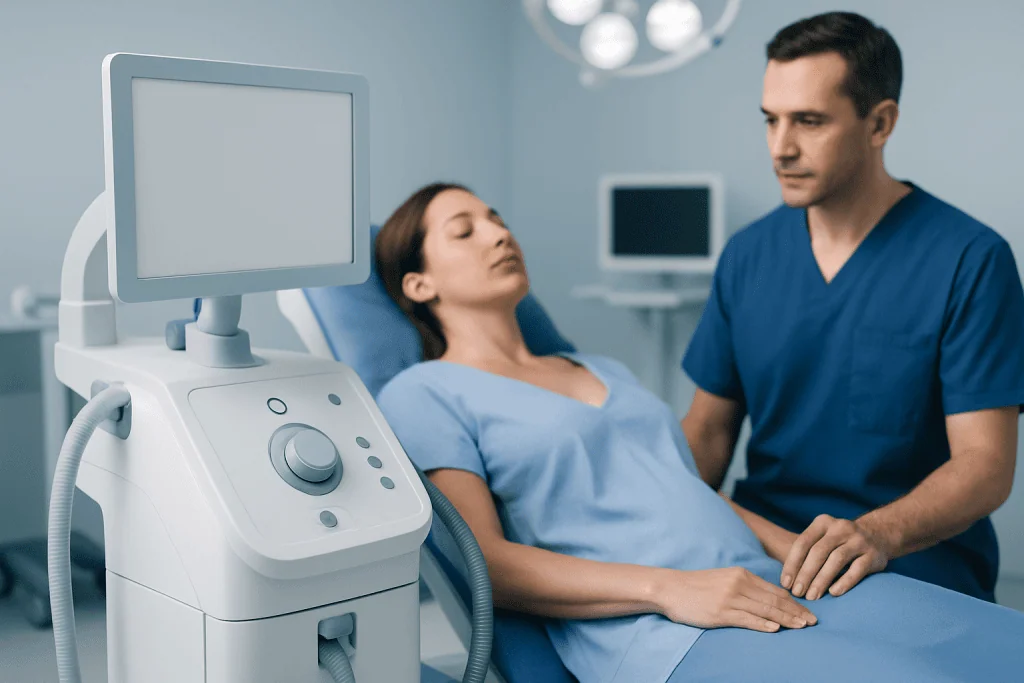
A breast lift, medically called mastopexy, reshapes breasts that have lost firmness or sit lower on the chest. During surgery, the surgeon removes selected excess skin, reshapes breast tissue and repositions the nipple and areola when needed. The goal is a more lifted breast contour; the procedure does not reliably add upper-breast fullness or substantially increase breast volume.
People may consider a breast lift after pregnancy, breastfeeding, ageing, weight loss or natural changes in skin elasticity. Suitable candidates are generally in good overall health, have stable weight, do not smoke or are able to stop nicotine use as instructed, and have realistic expectations about scars and results. Breast screening and imaging may be advised based on age, symptoms and personal or family history.
Future pregnancy can change breast shape again, and significant weight fluctuation may affect the longevity of results. A lift can sometimes be combined with breast augmentation or breast reduction, but combining procedures may alter recovery and risk considerations. The surgeon should explain why a particular plan is recommended for the individual.
What Happens During the Procedure
Breast lift surgery is commonly performed under general anaesthesia. Before surgery, the surgeon marks the planned incisions while the patient is standing, because breast position changes when lying down. The incision pattern depends on the amount of lifting required and may be around the areola, vertically down the lower breast, and sometimes along the breast crease.
Once anaesthesia is working, the surgeon makes the planned incisions, removes excess skin and reshapes the underlying tissue. The nipple and areola may be moved to a higher position while remaining attached to underlying tissue whenever possible. The incisions are then closed with sutures, and supportive dressings or a surgical bra are applied.
No operation can guarantee perfectly symmetrical breasts, as natural breast differences are common before surgery. The surgical team should discuss incision placement, the possibility of drains, expected scar patterns, anaesthesia planning and the steps used to reduce infection and blood-clot risks before consent is given.
Common Side Effects and Expected Recovery
Swelling, bruising, tightness, tenderness and reduced energy are common in the days after a breast lift. Some people notice temporary numbness, tingling or heightened sensitivity in the nipples or breast skin. These effects often improve as swelling settles and nerves recover, but the degree and speed of recovery differ between individuals.
Most patients need a period away from strenuous work and exercise. Light walking is usually encouraged early, as advised by the surgical team, while heavy lifting, upper-body training and impact activity are limited until healing is sufficiently advanced. A supportive bra and careful incision care may be recommended to protect the breasts during recovery.
Initial breast shape can look high, firm or uneven because of swelling and tissue adjustment. Improvement continues over weeks to months, while scar maturation may take longer. Follow-up appointments are important because they allow the surgeon to assess healing, remove or review sutures if necessary, and address concerns early.
- Scars are permanent, but frequently become less noticeable over time.
- Temporary sensation changes are relatively common after breast surgery.
- Breasts may continue to change with ageing, pregnancy or weight changes.
- Recovery instructions should be followed exactly, including guidance about bathing, sleep position and medicines.
Potential Complications and Factors That Raise Risk
Although serious complications are uncommon, patients should understand them before deciding on surgery. Infection may cause increasing redness, warmth, pain, discharge or fever. Bleeding or a haematoma can lead to rapid swelling, pressure and pain and may occasionally require a procedure to remove collected blood. A seroma is a collection of fluid that may need monitoring or drainage.
Delayed healing and wound separation can occur, particularly where incisions are under tension. Rarely, reduced blood supply can damage skin, breast tissue or the nipple-areola complex. This risk may be higher with smoking or nicotine exposure, certain health conditions, prior breast surgery, larger tissue adjustments or reduced circulation. Loss of nipple sensation or the ability to breastfeed can occur and may be temporary or permanent.
Other possible outcomes include persistent pain, thick or raised scars, asymmetry, changes in areola size or position, dissatisfaction with contour, and a need for revision surgery. General anaesthesia also has risks, including allergic or medication reactions, and major surgery carries a small risk of blood clots. The surgical team assesses individual risks and uses preventive measures where appropriate.
Risk reduction begins before surgery. Patients should disclose all medications, supplements, allergies, previous operations and medical conditions. They should follow instructions on stopping nicotine, arranging support at home, attending follow-up and avoiding activities that could strain healing incisions.
Benefits, Limitations and Making an Informed Choice
A successful breast lift can improve breast position, nipple placement and overall breast shape, which may make clothing fit differently and help some people feel more comfortable with their appearance. Benefits are personal and vary according to anatomy, the degree of breast ptosis, skin quality and the operation performed.
However, a breast lift cannot permanently stop the effects of gravity, ageing or changes in weight. It does not necessarily restore breast volume lost after pregnancy or weight loss. If additional volume is desired, the surgeon may discuss separate or combined options, including breast augmentation, while explaining the additional considerations involved.
An informed decision includes discussing goals, photographs of expected incision locations, the likelihood of asymmetry, breast screening needs and how future pregnancy may affect results. It is also reasonable for a patient to ask about the surgeon’s qualifications, the accredited surgical setting, aftercare arrangements and what happens if a complication occurs.
When to Seek Medical Care
Patients should contact their surgical team promptly if pain, swelling or redness is getting worse rather than gradually improving. Other reasons to seek advice include fever, chills, foul-smelling drainage, opening of an incision, a sudden breast size difference, persistent bleeding or a change in skin colour around the nipple or incision.
Emergency medical care is needed for symptoms that may indicate a serious problem, such as chest pain, shortness of breath, coughing blood, fainting, confusion, or sudden severe swelling and pain. These symptoms are not expected parts of routine recovery and should not be managed by waiting for a scheduled appointment.
Acibadem International’s multidisciplinary specialists and JCI-accredited hospitals support international patients who need assessment and treatment planning for breast lift surgery. Personal advice should always come from the treating surgeon, who can interpret symptoms in the context of the individual procedure and recovery.
Frequently asked questions
What are the most common breast lift side effects?
Temporary swelling, bruising, tenderness, tightness and fatigue are common after a breast lift. Changes in nipple or breast skin sensation can also occur. These effects usually improve during healing, but sensation changes can occasionally last longer or be permanent.
Are breast lift scars permanent?
Yes, breast lift surgery leaves scars because the skin must be incised and reshaped. Scars usually change over time, often becoming flatter and lighter, but their final appearance varies with incision type, skin characteristics, healing and aftercare. A surgeon can explain the expected scar pattern before surgery.
Can a breast lift affect breastfeeding?
It can. Some people can breastfeed after a breast lift, while others may have reduced milk production or be unable to breastfeed. The risk depends partly on the technique used and whether milk ducts and nerves are affected, so future breastfeeding plans should be discussed before surgery.
How long does breast lift recovery take?
Early recovery commonly takes several weeks, while swelling and breast shape continue to settle for months. The exact timeline depends on the procedure, whether it is combined with another operation and the person’s healing process. The surgical team provides individualized guidance on returning to work, driving and exercise.
Who has a higher risk of complications after a breast lift?
Risk may be higher for people who smoke or use nicotine, have poorly controlled diabetes, have circulation or clotting conditions, or have a history of wound-healing problems. Significant weight changes and some prior breast surgeries can also affect results and healing. A full preoperative assessment helps identify and address modifiable risks.
Can breast lift complications be corrected?
Some complications, such as a fluid collection or certain wound problems, can be treated during recovery. Persistent asymmetry, unsatisfactory scars or changes in breast shape may sometimes be addressed with revision surgery after tissues have healed. The appropriate approach depends on the specific concern and should be determined by a qualified plastic surgeon.
References
- American Society of Plastic Surgeons
- American Society for Aesthetic Plastic Surgery
- National Health Service
- U.S. Food and Drug Administration
- Mayo Clinic
This article is for general information only and is not a substitute for professional medical advice. Please consult a qualified doctor about your individual situation.
Explore treatments in Turkey — costs, top hospitals & a free quote
JCI-accredited · board-certified surgeons · reply within 24h
Add us as a Preferred Source to see more of our trusted health content across Google Search, AI Overviews and Discover.

Plastic, Reconstructive & Aesthetic Surgery
Reconstructive and aesthetic procedures for the face and body, performed by experienced surgeons.
35 specialists in this unitMore from the Health Library



Related Specialists
Assoc. Prof. Dr. Abdülhak Hamit Karayağız
General Surgery
Dr. Ayşe Cennet Sarimehmetoğlu
Cardiology
Assoc. Prof. Dr. Fatma Ölmez
Gynecology & Obstetrics
Prof. Dr. Metin Keskin
General Surgery