Breast Augmentation
Breast augmentation enhances breast size and shape using implants, tailored to body proportions and aesthetic goals. It is performed by plastic surgeons after detailed planning and medical evaluation.

Quick answer
Breast augmentation, also called augmentation mammoplasty, is surgery that increases breast volume and improves breast shape by placing implants behind the breast tissue or partly under the chest muscle. Performed under general anaesthesia, it usually takes about one to two hours. It suits adults in good health who want fuller breasts, better proportion, or the return of volume lost after pregnancy or weight change.
What Is Breast Augmentation?
Breast augmentation, also called augmentation mammoplasty, is a surgical procedure that increases breast volume and refines breast shape by placing implants behind the breast tissue or partly under the chest muscle. It is intended for adults in good general health who want fuller breasts, better proportion between the chest and the rest of the body, or the return of volume lost after pregnancy, breastfeeding, ageing or significant weight loss. You may also see it described as breast enlargement or, informally, a boob job, every one of those names refers to the same operation.
It is one of the most commonly performed aesthetic operations, and one of the procedures people most often travel abroad for. If you are weighing up breast augmentation in Turkey, two separate questions deserve honest answers: whether the operation suits your body and your goals, and how a surgical journey abroad is organised safely. This page works through both. It explains what the surgery involves, who it helps, what it cannot do, how recovery unfolds, what shapes the cost, and what a well-planned treatment trip looks like in practice.
A well-planned augmentation is never only about size. The plan takes in your chest width, breast tissue quality, skin elasticity, shoulder and hip proportions, nipple position, lifestyle, posture and your own sense of what looks right on you. The result should feel intentional and proportionate, compatible with your frame rather than chosen from a catalogue of volumes. Surgeons who plan this way tend to produce results that still look considered years later, because the implant respects what the tissue can carry.
What does breast augmentation actually change?
Breast augmentation adds volume, projection and upper-breast fullness, and it can soften mild differences in size between the two breasts. What it does not do is just as important. An implant does not lift a breast that has descended significantly, does not tighten skin that has stretched, and does not stop the natural changes that come with ageing, future pregnancy, weight shifts or hormones. Patients who understand these limits before surgery are consistently better prepared for the result, and for the fact that the final shape develops over months, not days.
How is breast augmentation different from a breast lift?
Augmentation adds volume; a lift raises and reshapes a breast that has significant sagging. They solve different problems, and choosing the wrong one produces a disappointing result. If the nipple sits low on the breast or points downward, an implant alone will make the breast larger without correcting its position, and can even make heaviness more obvious. Some patients need both procedures: an implant for fullness and a breast lift (mastopexy) for position. During consultation, the surgeon measures nipple height, skin laxity and breast fold position, then tells you plainly whether augmentation alone is anatomically sensible or whether a combined operation would serve you better.
Are implants the only way to add breast volume?
No. Breast fat transfer uses your own fat, harvested by liposuction and injected into the breast, to create a more modest, natural increase without a device. It suits patients who want subtle change and have enough donor fat; it cannot match the projection an implant provides. Gradual breast expansion using a temporary tissue expander is a different technique altogether: it belongs to tissue expansion in reconstructive surgery, where skin must be stretched before a permanent implant, not to cosmetic enlargement. Your surgeon should explain which approach fits your anatomy rather than defaulting to one method.
Who Is a Good Candidate for Breast Augmentation?
The best candidates are adults in good general health, with fully developed breasts, stable weight, and realistic expectations about what an implant can and cannot achieve. Non-smokers heal more predictably; if you smoke, you will be asked to stop for a period before and after surgery, because nicotine impairs wound healing. Candidacy is a medical judgement, not a formality: a responsible surgeon will decline or postpone surgery when the timing or the anatomy is wrong, and that caution protects you.
The reasons patients seek augmentation vary more than the marketing around this surgery suggests. Some have naturally small breast volume or breasts that feel out of proportion with their hips and shoulders. Some have lost fullness after pregnancy, breastfeeding or weight loss, often they are content with their size in a bra but feel the upper breast has emptied. Others have a developmental difference between the two breasts that makes clothing and swimwear difficult to fit. Each of these situations points toward a slightly different surgical plan, which is why planning starts with examination rather than implant selection.
The consultation is the diagnostic step. The plastic surgeon reviews your medical history, previous operations, current medications, allergies, family history of breast disease, pregnancy plans and expectations. A physical examination assesses breast volume, skin quality, tissue thickness, nipple position, chest wall shape, breast width and any asymmetry. Measurements taken here, not preference alone, define the range of implant dimensions your body can carry well.
Depending on your age, risk factors and history, breast imaging such as ultrasound or mammography may be recommended before surgery. This matters most for patients with breast symptoms, a family history of breast cancer, previous breast procedures, or screening that is not up to date; the breast health department handles this kind of assessment. Two points deserve emphasis. Breast augmentation does not replace routine breast screening at any age. And mammograms remain possible after implants: the imaging centre simply needs to know implants are present so specialised views can be used.
Some patients are not suitable candidates, at least for now. Active infection, an untreated breast abnormality, an uncontrolled medical condition, current pregnancy or breastfeeding, and unrealistic expectations all rule surgery out or delay it. Smoking, certain autoimmune or bleeding conditions, and a history of problematic scarring call for additional evaluation. The most responsible recommendation is sometimes to wait, until weight is stable, breastfeeding has ended, or a medical condition is better controlled.
Conditions and Concerns Breast Augmentation Can Address
The most common indication is aesthetic enhancement, but the range is wider. Augmentation can address breast hypoplasia, naturally limited breast development, and the volume loss that follows pregnancy and breastfeeding. It can restore upper-pole fullness, improve projection in breasts that are relatively flat for the patient’s frame, and bring the silhouette into better balance with the shoulders and hips.
Mild to moderate asymmetry, where one breast is smaller than the other, often responds well. The surgeon may use two different implant sizes or profiles, or combine augmentation with other techniques on one side. Honesty matters here: when asymmetry involves significant differences in nipple height, breast fold position or skin envelope, an implant alone will not equalise the breasts, and additional procedures are needed. Perfect symmetry is not a realistic promise from any surgeon.
Tuberous or constricted breasts: a narrow breast base, a high breast fold, an enlarged areola, limited lower-breast development, represent a more complex correction. Augmentation can be part of the answer, usually alongside internal tissue release or areolar reshaping, depending on the anatomy. If a surgeon describes a tuberous breast as a straightforward implant case, treat that as a warning sign rather than reassurance.
Augmentation can also sit within a broader post-pregnancy or post-weight-loss contouring plan, alone or combined with a lift when the skin has stretched and the breast has descended. Combined operations are legitimate but must be planned carefully: anaesthesia time, blood loss, recovery burden and safety all set limits on how much should be done in one session.
Breast Implants: Type, Size, Shape and Placement
In breast augmentation breast implants are the devices that create the change, so choosing them well matters more than any other single decision. Implants come in two broad families, silicone gel and saline, with modern cohesive silicone gels designed to hold their shape and feel closer to natural tissue. Beyond fill material, implants differ in base width, projection (profile), volume, shape and surface characteristics. Round implants create fullness above the nipple; anatomical shapes follow a teardrop contour. None of these choices is universally better; each is a trade-off your surgeon should explain against your anatomy.
Size is where planning discipline shows. A larger implant is not automatically a better one. If an implant exceeds what your tissue envelope can support, it raises the likelihood of tissue thinning, visible implant edges, rippling, implant malposition and a result that reads as artificial. The right implant is found by matching your aesthetic preference against measured chest dimensions and soft-tissue coverage, base width first, volume second.
Placement is the third decision. The implant pocket may sit under the breast tissue (subglandular), under the pectoral muscle (submuscular), or in a dual-plane position where muscle covers the upper implant while the lower portion shapes the breast directly. Thin tissue usually argues for more muscle coverage to disguise the implant; thicker tissue opens more options. Activity level, implant type and the contour you want all feed into this choice.
One fact belongs in every honest discussion: implants are not lifetime devices. Many patients enjoy their result for many years, but revision surgery may become necessary, because of capsular contracture, implant changes, pregnancy, ageing, or simply a change in what you want. Some patients later choose breast prosthesis removal or exchange. Building long-term awareness into the plan from the start is a mark of good surgical counselling, not pessimism.
How Breast Augmentation Surgery Is Performed
Preparation begins well before the operating room. For international patients, the process typically starts with a preliminary review of photographs, medical history, previous imaging and relevant laboratory results, but the final treatment plan is only ever made after an in-person examination. In that consultation the surgeon discusses implant options, incision location, implant placement, anaesthesia, expected recovery, possible risks and the realistic appearance your anatomy allows. The aim is shared decision-making: your goals guide the plan; medical judgement defines what is safe and proportionate.
Preoperative testing may include blood work, an anaesthesia evaluation, an electrocardiogram when indicated, and breast imaging according to age and risk profile. Some medications and supplements, aspirin, certain anti-inflammatory drugs, some herbal products, can increase bleeding risk, so your surgeon will review everything you take and tell you exactly what to do; never change any medication on your own, because that decision belongs to the treating doctor. Smoking and nicotine products are typically stopped for a defined period before and after surgery. You will also be advised to arrange help for the first days afterwards and to plan enough time near the hospital for early follow-up.
The operation itself follows a consistent sequence:
- Step 1: Anaesthesia. Breast augmentation is usually performed under general anaesthesia, with continuous monitoring by the anaesthesia team throughout.
- Step 2: Incision. The incision is placed where it will be discreet: most often in the natural fold under the breast, sometimes around the lower border of the areola, and in selected cases through the underarm.
- Step 3: Pocket creation. The surgeon creates a precise pocket in the plane chosen during planning, subglandular, submuscular or dual-plane, controlling bleeding carefully as the space is developed.
- Step 4: Implant placement. The implant is positioned and the surgeon checks symmetry, height, central alignment with the nipple and breast shape, anticipating how the tissues will settle during healing.
- Step 5: Closure and support. Incisions are closed in layers to support the skin and minimise tension, and a surgical bra or support garment is fitted. Drains are not routine, but may be used in selected cases.
- Step 6: Recovery and discharge. After a period of observation, patients go home the same day or stay overnight, depending on medical factors and the care plan.
The procedure commonly takes about one to two hours, longer when additional techniques, a lift, asymmetry correction, tuberous breast release, are performed in the same session.
Technology supports planning and safety without replacing judgement. Standardised clinical photography, digital planning tools and implant sizers help you and the surgeon agree on proportions before surgery. Modern operating rooms rely on advanced anaesthesia monitoring, sterile technique and instruments designed for controlled tissue handling, and breast imaging is used beforehand when medically appropriate. Which tools are used depends on your individual plan and the hospital setting.
Before discharge you receive detailed written instructions covering wound care, sleeping position, activity limits, how to take prescribed medication, and precisely which changes your surgical team wants to hear about during healing. A follow-up visit checks the incisions and implant position before you travel home.
Recovery After Breast Augmentation
Recovery varies with implant placement, surgical technique, individual healing and whether other procedures were combined, but most patients follow a recognisable pattern. Expect tightness, swelling, pressure and soreness across the chest in the early days: these are normal and settle progressively rather than overnight.
| Time period | What to expect |
|---|---|
| Day 1 | Chest tightness, swelling, pressure and soreness are common. You rest, wear the support bra, take prescribed medication as directed, and walk gently to support circulation. |
| First week | Discomfort usually eases. Light daily activity is encouraged; lifting, upper-body exertion and driving (until cleared) are restricted. A follow-up visit checks incision healing and implant position. |
| First month | Swelling continues to fall. Many patients are back at work and normal social activity, with exercise reintroduced gradually on the surgeon’s instructions. |
| Two to three months | Implants settle into a more natural position, scars mature and the breasts soften. Most patients resume a wider range of physical activity if healing is on track. |
| Longer term | The final contour develops over several months. Routine breast screening continues as normal, and any change in shape, firmness or comfort should be assessed by a surgeon. |
Most patients with desk-based work return to it within about a week, though this varies with the individual and the placement plane, submuscular implants often feel sorer for longer. Exercise, swimming, heavy lifting and upper-body training stay restricted for several weeks beyond that. The shape you see at one week is not the final result: implants sit high at first and descend gradually as swelling resolves and the tissues relax.
When can you fly home after breast augmentation?
Your surgeon decides, based on how your healing looks at the first follow-up, most patients are cleared to fly within the first week or so once incisions and implant position have been checked. Long flights bring their own practicalities: move regularly, stay hydrated, and avoid handling heavy luggage, which counts as the lifting you have been told to avoid. Written aftercare instructions travel with you so the plan continues at home.
Benefits of Breast Augmentation
For appropriate candidates, the operation offers a combination of aesthetic and practical benefits, always within the limits set by anatomy.
| Benefit | What it means for you |
|---|---|
| Increased breast volume | Implants add fullness and projection when breast size feels naturally small or has decreased after pregnancy, breastfeeding, ageing or weight loss. |
| Improved body proportion | A carefully selected implant brings the breasts into better balance with shoulders, waist and hips while respecting your natural frame. |
| Enhanced breast shape | Augmentation improves upper-breast fullness and contour, especially where skin quality and nipple position suit an implant alone. |
| Better symmetry | Different implant sizes or tailored techniques can reduce visible size differences between the breasts, although perfect symmetry is not realistic. |
| More clothing options | Many patients find dresses, swimwear and fitted clothing align more closely with their preferred silhouette after recovery. |
| Personalised aesthetic result | The plan can be tuned toward a subtle, natural-looking enhancement or a more defined contour, depending on anatomy and preference. |
What Influences a Good Breast Augmentation Result?
Matching the implant to your anatomy matters more than any single choice of volume. Breast width, tissue thickness, skin elasticity, nipple position, chest wall shape and natural asymmetry all determine what will look balanced and heal well. An implant too wide or too heavy for the tissues stresses the skin and the breast fold over time, and the result deteriorates rather than settles.
Soft-tissue coverage is the second factor. Patients with thin breast tissue are more likely to see or feel implant edges, especially with larger implants; muscle or dual-plane coverage helps disguise the device. Patients with thicker tissue have more freedom. A good surgeon explains these trade-offs plainly, so the plan you agree to supports both appearance and longevity.
Skin quality and breast position decide whether augmentation alone is enough. Where there is significant sagging, an implant adds weight without correcting position, and can produce a heavy or double-contoured look. When nipple position and skin laxity call for it, a lift should be part of the plan, even if that was not what you arrived wanting to hear.
Surgical technique carries the rest: precise pocket creation, careful bleeding control, sterile handling, thoughtful incision placement and layered closure all shape recovery and outcome. The position of the breast fold, central alignment of the implant, and the relationship between implant and nipple determine whether the result reads as natural.
Your own conduct matters too. Smoking, poorly controlled diabetes, major weight fluctuation and insufficient rest during recovery all raise complication risk. Wearing the recommended support garment, avoiding early heavy lifting, attending follow-up visits and following the written instructions are not optional extras: they are part of the operation’s success.
Finally, expectations. Augmentation improves size, shape and proportion. It does not create perfect symmetry, stop ageing, or prevent future change from pregnancy, weight shifts or hormones. Patients who accept this before consenting are almost always more satisfied afterwards.
What are the risks of breast augmentation?
All surgery carries risk, and this one is no exception. Possible complications include bleeding, infection, changes in nipple or breast sensation, unfavourable scarring, asymmetry, implant malposition, rippling, capsular contracture (hardening of the scar tissue around the implant), implant rupture, fluid accumulation and the need for revision surgery. Some patients report systemic symptoms they associate with implants; scientific discussion in this area is ongoing and your surgeon should address it openly. A rare lymphoma, breast implant-associated anaplastic large cell lymphoma, has been linked primarily with certain textured implants. Before you consent, the surgeon should walk through implant safety considerations, what long-term monitoring looks like, and how complications would be managed if they arose. A consultation that skips this conversation is incomplete.
Why Timely Evaluation Matters
Breast augmentation is elective, so nothing about the decision should feel rushed. Even so, an early, thorough evaluation is valuable: it establishes whether augmentation alone suits you, whether a lift is needed, or whether a different approach would answer your concern better, before you commit money, travel or hope to a plan built on assumptions.
Evaluation becomes genuinely important when there are breast symptoms: a lump, nipple discharge, skin changes, persistent pain, or a new asymmetry. These findings need diagnostic assessment before any cosmetic procedure is considered, so that aesthetic surgery never distracts from an underlying health issue. This is one reason having augmentation within a hospital that also runs breast diagnostics has practical value: if imaging raises a question, breast specialists and radiology are already in the building.
Timing matters for recent mothers and patients after weight loss, too. Breast size and skin quality keep changing during breastfeeding and while weight is settling; operating too soon means the result shifts as the body stabilises. The responsible recommendation is often to wait until breastfeeding has ended and weight has been stable for an appropriate period: a surgeon who tells you to wait is working for your result, not against your plans.
For patients who already have implants, certain changes carry meaning: sudden swelling, new hardness, implant displacement, persistent pain, redness, fever, or a change in breast shape can indicate haematoma, infection, capsular contracture, rupture or fluid accumulation. These are findings a surgeon assesses rather than signs to watch at home.
How Much Does a Breast Augmentation Cost?
There is no single honest number, and this page deliberately does not print one: a figure only means something after an examination, because the cost of breast augmentation depends on the plan built for you. The main drivers are:
- The implant itselfbrand, model, fill material and shape vary in price.
- The surgeon and teamexperience and the complexity your anatomy demands.
- The facilitya full-service hospital with anaesthesia teams and inpatient capacity is priced differently from a small day clinic.
- Anaesthesia and length of staysame-day discharge versus an overnight stay.
- Combined proceduresadding a lift or asymmetry correction changes operating time and cost.
- Aftercarewhether follow-up visits, garments and postoperative support are included.
Treat advertised all-inclusive package headlines with care. A meaningful quote is itemised: it states which implant is included, what happens if an overnight stay becomes medically necessary, which follow-up visits are covered, and how a complication or revision would be handled. The cheapest quote is not automatically unsafe, and the most expensive is not automatically best, judge the whole pathway, not the headline. Note also that purely cosmetic augmentation is generally not covered by health insurance, so confirm your own position before planning.
Breast Augmentation in Turkey: Planning as an International Patient
Turkey receives large numbers of international patients for aesthetic breast surgery, and the journey works well when it is treated as a medical pathway rather than a shopping trip. A typical care pathway at Acibadem runs in stages. Before travel, your medical history, photographs, previous imaging and relevant laboratory results can be reviewed so the surgical team forms a preliminary view of candidacy and approach. Nothing is final at this stage: the definitive plan is made only after in-person examination, which is why the itinerary always includes consultation and preoperative testing before the operation itself.
On arrival, the sequence is consultation and measurements, preoperative tests and anaesthesia assessment, surgery, a monitored recovery with same-day discharge or an overnight stay as medically appropriate, and at least one follow-up visit before you are cleared to fly. If a breast imaging question arises before cosmetic surgery, evaluation is coordinated with breast specialists and radiology within the same hospital structure, aesthetic treatment is not handled in isolation from your overall health. For a fuller step-by-step walkthrough of the journey, see the breast augmentation in Turkey treatment guide.
Practical support is part of the design. Acibadem International provides assistance in more than 20 languages, covering appointment scheduling, medical record coordination, interpreter support during consultations, and guidance on airport transfers and accommodation. Written aftercare instructions go home with you, and if further communication is needed after you return, the international patient team helps route it to the relevant medical department. Many patients also value the privacy of recovering away from home, but travelling for surgery carries responsibility: you should be medically stable, prepared to stay through early recovery, and willing to follow activity restrictions to the letter.
How long do you stay in Turkey after breast augmentation?
Long enough for the pre-operative consultation and tests, the surgery itself, and the first follow-up visit, for a straightforward augmentation that commonly means staying around a week, though your surgeon sets the exact timeline based on how your healing looks. Combined procedures, an overnight hospital stay or slower early healing extend it. Build flexibility into your ticket rather than booking the earliest possible flight home.
Is Turkey good for breast surgery?
Turkey has a large, well-established plastic surgery sector and hospitals experienced in treating international patients, which is why so many people travel here for breast procedures. But “Turkey” is not a single standard of care, quality varies between providers, exactly as it does in any country. What actually protects you is specific: a qualified plastic surgeon who examines you before finalising the plan, a hospital setting with anaesthesia teams and postoperative monitoring, a clear answer on how complications would be handled, and structured follow-up. Judge the institution and the surgeon, not the destination.
Which country is the best for getting a boob job?
No country is objectively best, and any page claiming otherwise is selling rather than informing. Outcomes depend on the individual surgeon’s skill and judgement, the facility’s safety infrastructure, honest candidacy assessment, and follow-up continuity, none of which a flag guarantees you. Wherever you go, ask the same questions: who exactly operates on me, where would I be treated if something went wrong, what does the quote include, and how is aftercare handled once I am home. Choose the answer to those questions, not the country.
Making the Decision
Breast augmentation rewards patience in planning. The right result is not a number of cubic centimetres or a photograph of someone else’s chest; it is defined by proportion, tissue quality, safety and long-term thinking applied to your own measurements. Take the time to understand what your anatomy supports, what an implant can and cannot change, and what the years after surgery involve. A plan built on examination and honest conversation will always outlast one built on a headline.
Preparation
- Before breast augmentation, the surgeon evaluates breast anatomy, skin quality, body proportions, and expectations. Implant type, size, incision location, and placement are planned individually. Patients may need blood tests, imaging if indicated, and instructions to stop smoking or adjust certain medications before surgery.
Aftercare
- After surgery, patients usually wear a supportive surgical bra and avoid heavy lifting or strenuous exercise for several weeks. Mild swelling, bruising, and tightness are expected and improve gradually. Follow-up visits help monitor healing, implant position, and scar care.
Frequently Asked Questions
What affects the cost of breast augmentation?
Cost is influenced by implant type, surgeon experience, hospital setting, anaesthesia, preoperative tests, medical garments, aftercare, and whether additional procedures such as a breast lift or asymmetry correction are needed.
How can I get a personalised quote for breast augmentation in Turkey?
You can request a free consultation by sharing your medical history, current photos if appropriate, aesthetic goals, and any previous breast surgery details. A specialist team can then prepare a personalised treatment plan and quote.
Are implants, hospital care, and transfers usually included in a package?
Package inclusions vary by provider. For international patients, a package may include consultation, tests, surgery, implants, anaesthesia, hospital services, garments, transfers, and follow-up, but the exact inclusions should be confirmed in writing.
Does a higher-cost implant mean a better result?
Not necessarily. The best choice depends on anatomy, tissue quality, implant dimensions, surgical technique, and the patient’s goals. A plastic surgeon should recommend the most suitable option rather than the most expensive one.
Will travel and accommodation change my total cost?
Yes. Flights, hotel stay, local transport, companion travel, translation needs, and the recommended length of stay can affect the overall budget, even when the medical package is fixed.
Is this information a medical or financial recommendation?
No. This is general educational information. A personal consultation with a qualified specialist is needed to assess suitability, explain risks, and provide an accurate quote.
Medically reviewed by the Acıbadem International Medical Board September 1, 2026
See our medical review board →
Update history
- PublishedJune 8, 2026
- Medical review approvedSeptember 1, 2026
- Last content updateSeptember 1, 2026
References1
Read this treatment guide in your language
Planning this treatment in Turkey
Our English guides for international patients: costs, timelines, safety and travel.
Planning tools for this treatment
Indicative figures for orientation only: your written plan and quote follow a free medical review.
Trusted care for international patients
Compare options, costs and recovery
Breast surgery costsledger-based guide ranges, or browse the full Turkey Medical Price Index.
From the Acibadem Blog
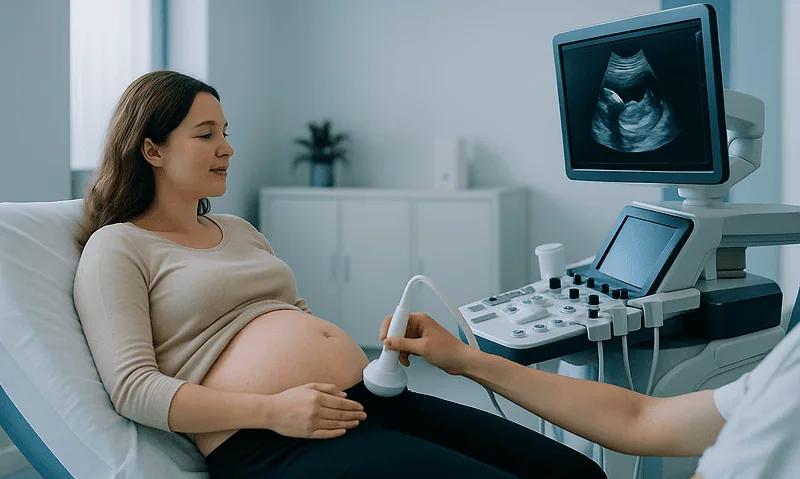
Breast Augmentation Before Future Pregnancies: Breastfeeding, Changes and Planning Timing
Having breast augmentation before pregnancy is medically possible, and most people with implants can later carry a pregnancy and breastfeed. The trade-off is unpredictability:…

Breast Augmentation Cost: Implants, Surgery and Aftercare: Where the Money Goes
For international patients, breast augmentation with implants typically falls within our guide range of EUR 3,900-6,500, covering the surgeon, anesthesia, hospital stay and the…

Breast Augmentation Revision: Why Implants Are Replaced and How a Second Surgery Differs
Breast implants are replaced most often because of capsular contracture, rupture, shifting position, or a change in the size or look a person wants.…

Breast Augmentation Recovery: A Week-by-Week Guide to Healing, Sleep and Activity
Breast augmentation recovery typically takes six to eight weeks. Discomfort peaks in the first 72 hours, most people with desk jobs return to work…
Doctors Performing This Treatment


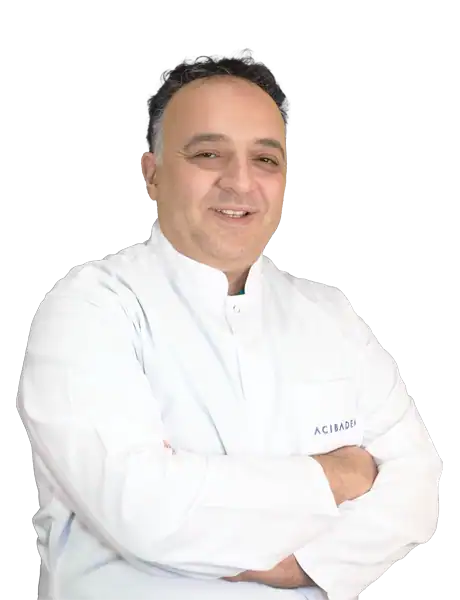
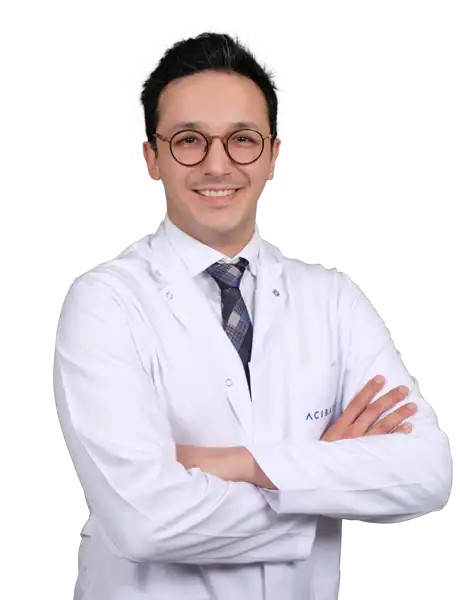
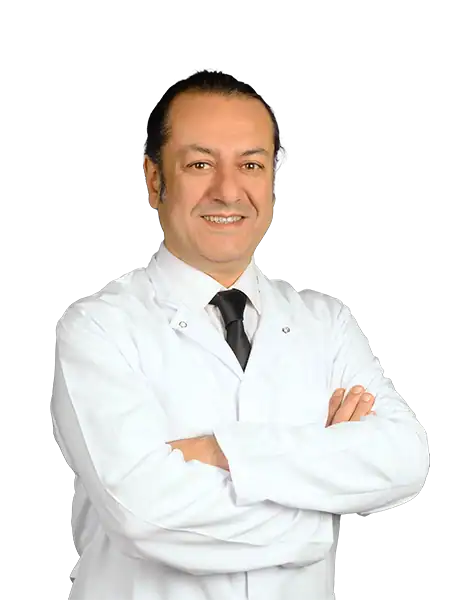
Aesthetic Plastic & Reconstructive Surgery
Prof. Mehmet Veli Karaaltın, MD

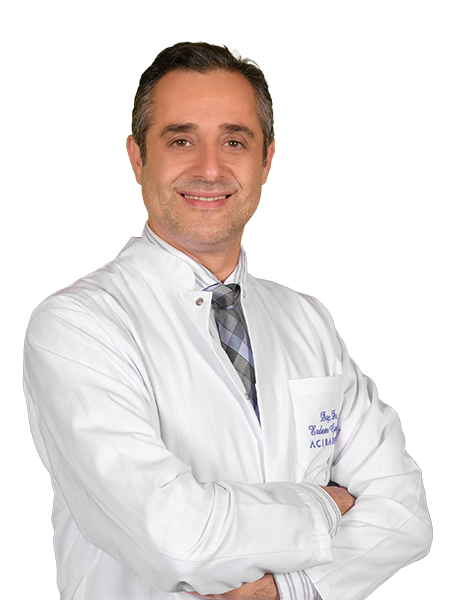
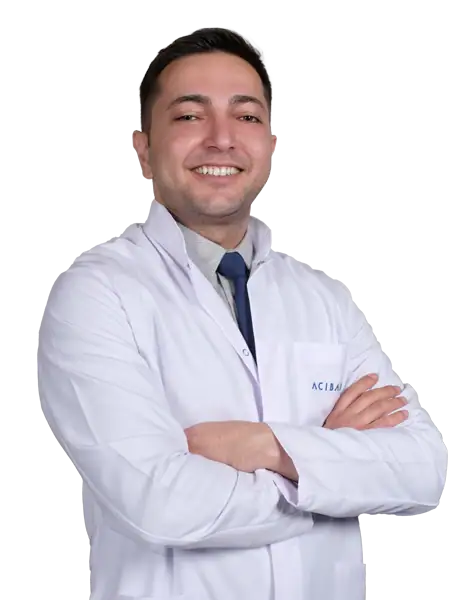
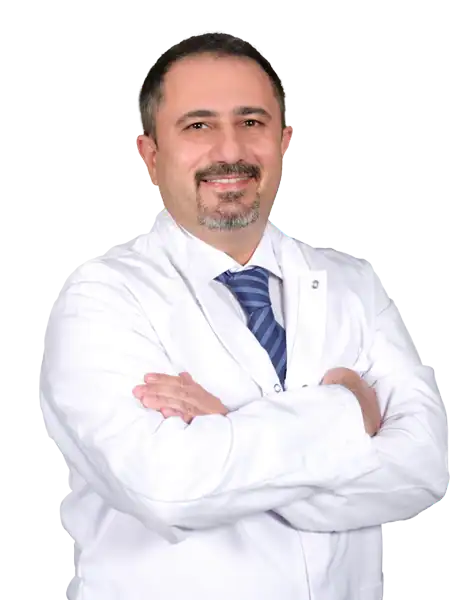
Aesthetic Plastic & Reconstructive Surgery
Assoc. Prof. Erdem Güven, MD

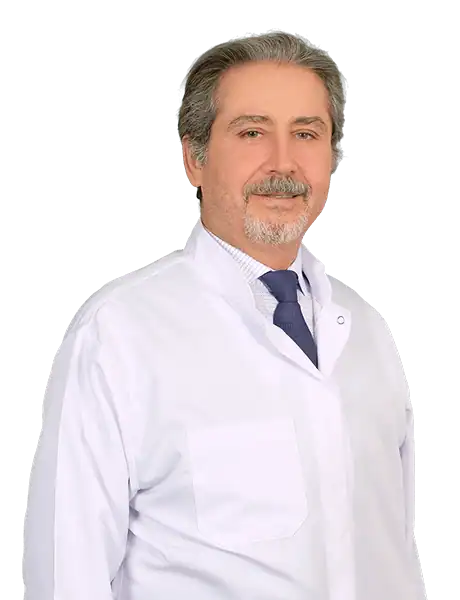
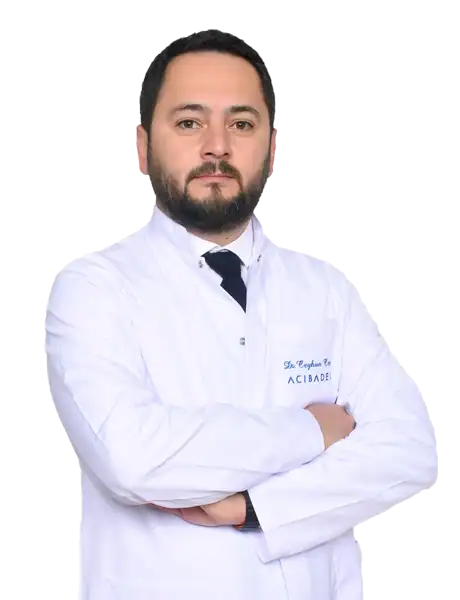
Aesthetic Plastic & Reconstructive Surgery
Assoc. Prof. Ahmet Küçükçelebi, MD
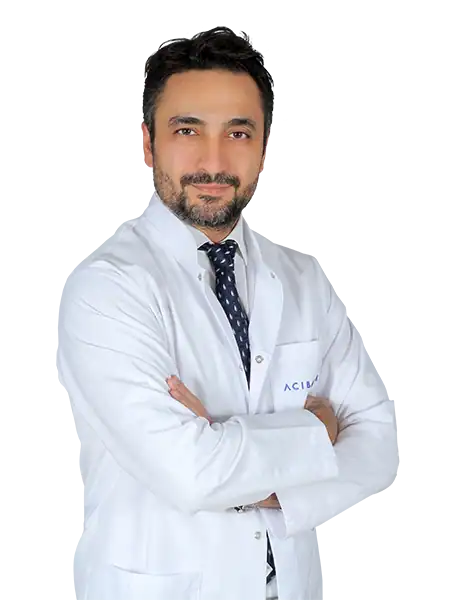
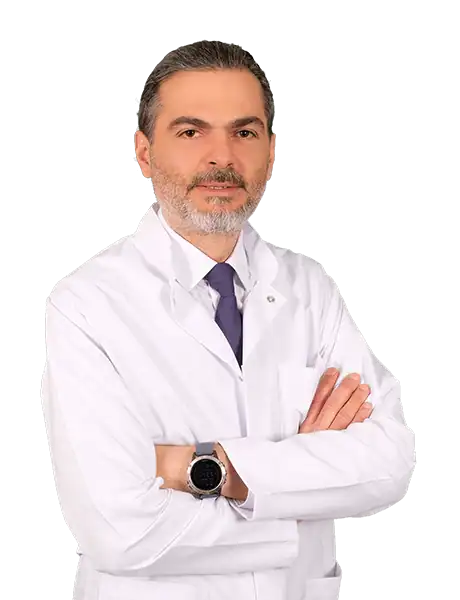
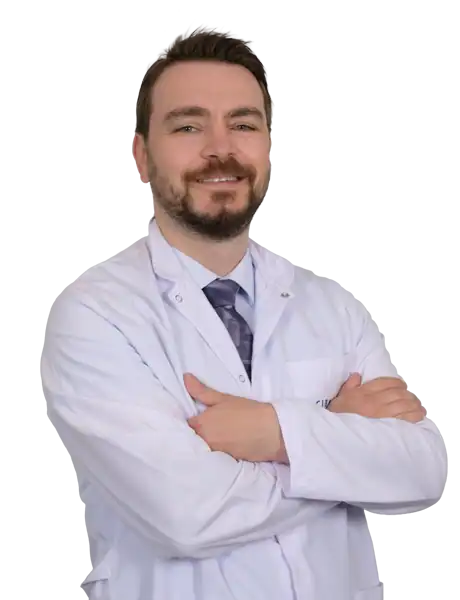
Aesthetic Plastic & Reconstructive Surgery
Assoc. Prof. Mehmet Altıparmak, MD

Aesthetic Plastic & Reconstructive Surgery