Breast Fat Transfer
Breast fat transfer enhances breast volume and shape using purified fat harvested by liposuction from areas such as the abdomen or thighs. It offers natural-looking augmentation without implants.

Quick answer
Fat transfer breast augmentation, also called breast fat transfer, uses your own fat to enlarge and reshape the breasts. A surgeon removes fat from areas such as the abdomen or thighs by liposuction, purifies it, and injects it into the breast in small, layered amounts. It typically gives a modest, natural-feeling increase in volume and suits people who prefer not to have implants.
Fat Transfer Breast Augmentation: A Natural Approach to Breast Enhancement
Fat transfer breast augmentation is a surgical procedure that enlarges and reshapes the breasts using your own fat rather than an implant. Fat is removed from areas such as the abdomen, flanks or thighs by liposuction, purified in the operating theatre, and injected into the breast in small, carefully layered amounts. It is designed for people who want a modest, natural-feeling increase in breast volume, a softer contour or better symmetry, and who would rather not have a medical device placed in the body.
Choosing breast enhancement is a personal decision, and it rarely starts with a technique. It starts with a change you have noticed or a result you want. Many patients describe a loss of fullness after pregnancy, breastfeeding or weight loss. Others have naturally small breasts, mild asymmetry between the two sides, or contour changes after previous breast surgery. What these patients often share is a preference for a result that looks and feels like their own tissue, because it is their own tissue.
It is also normal to have questions and reservations. Patients considering fat transfer breast augmentation usually want to know whether the transferred fat will last, how much enlargement is realistic, what recovery feels like, and how the operation compares with implant-based surgery. Most also want to understand what follow-up involves and how safety is managed before, during and after the procedure. This page works through each of those questions in turn, including the ones about cost and durability that most clinics answer vaguely.
One point is worth stating early: breast fat transfer is not simply liposuction followed by an injection. Done properly, it is a refined procedure that depends on careful patient selection, gentle fat harvesting, correct purification of the fat and meticulous placement of small amounts into the breast tissue. The aim is to improve breast shape and volume while keeping the result in proportion with your body. For many patients there is a second benefit: contour improvement in the donor areas, the abdomen, flanks, thighs or hips, where the fat is collected.
The technique also has honest limits, and they matter as much as the advantages. Fat transfer usually delivers a subtle to moderate increase rather than a dramatic change in cup size. Some of the transferred fat is naturally reabsorbed by the body during the healing period, and a second session may be considered if you want more volume or further refinement. Understanding these limits before surgery, rather than discovering them afterwards, is what allows you to choose the technique that genuinely fits your anatomy, your goals and your lifestyle.
What Is Breast Fat Transfer?
Breast fat transfer, also called autologous fat grafting to the breast, is a surgical technique that uses your own fat to enhance the breasts. Fat is harvested from selected areas of the body through liposuction, processed to separate healthy fat cells from fluid, oil and damaged material, and then injected in small, carefully layered deposits into the breast. Because the added volume is your own living tissue, the result can feel very natural and move like native breast tissue.
The biology matters more than the marketing. Once transferred, fat cells must develop a blood supply in their new location and integrate with the surrounding tissue. The portion that does this successfully can remain long term. The portion that does not is absorbed by the body during the healing months. Experienced surgeons plan the procedure with this biological process in mind, which is one reason the volume you see in the first weeks after surgery is not the volume you keep. Early fullness includes swelling and fat that will not all survive; the settled result emerges gradually.
Breast fat transfer may be used for cosmetic augmentation, contour refinement, improvement of mild asymmetry, correction of small irregularities, or selected reconstructive purposes. It can also be combined with other breast procedures in carefully chosen cases, such as a breast lift, implant revision or refinement after reconstruction. The exact approach depends on your breast anatomy, skin quality, the amount of donor fat available, your medical history and the outcome you want. Because the operation involves both liposuction and breast sculpting, it requires expertise in body contouring as well as breast aesthetics, two skills that do not automatically come together.
Is fat grafting breast augmentation the same procedure?
Yes. Fat grafting breast augmentation, breast fat transfer, autologous fat transfer to the breast and lipofilling all describe the same operation, and you will see all four names used by clinics and in medical literature. The word “graft” is the accurate one: like any graft, the transferred tissue has to survive in its new location, and everything about good technique is organised around giving it the best chance to do so. If you have been reading about fat grafting more broadly, the same principles apply to the face, hands and body: the breast is simply one of the areas where the technique is most frequently requested, and one of the areas where careful planning matters most.
How is fat transfer different from breast implants?
Implants add volume with a manufactured device placed under the breast tissue or chest muscle; fat transfer adds living fat cells within the breast area. The practical differences follow from that. Implants deliver a chosen, predictable volume and can achieve larger size increases in a single operation. Fat transfer offers a subtler change without a device, avoids implant-related maintenance considerations, and adds donor-area contouring as a side benefit, but the volume you retain depends on your biology, not on a catalogue number. Some patients combine both approaches, using an implant for volume and fat to soften visible edges or refine the transition to the chest wall. If a larger or more predictable enlargement is your priority, implant-based breast augmentation may suit you better, and it is worth understanding both options properly before deciding between them.
Who Is a Candidate for Breast Fat Transfer?
Breast fat transfer is generally considered for women who are physically healthy, at a stable weight, and looking for a natural increase in breast volume or an improvement in breast shape. The most suitable candidates have enough donor fat available for harvesting and realistic expectations about the degree of enlargement the technique can provide. Very lean patients may not have sufficient donor fat to make the procedure worthwhile. Patients who want a significant size increase in one operation are usually better served by implants or by a combined approach, and a responsible consultation will say so plainly rather than promising what fat alone cannot deliver.
The common reasons patients ask about this procedure are consistent: loss of breast fullness after pregnancy or breastfeeding, volume reduction after weight loss, naturally small breasts, mild asymmetry between the two sides, or contour concerns after previous breast surgery. Some patients simply do not want an implanted device, for personal rather than medical reasons. Others already have implants and are interested in using fat to soften visible implant edges or refine an earlier result. All of these are legitimate starting points; what differs is whether fat transfer alone can meet the goal.
Treatment planning begins with a detailed consultation. The plastic surgeon reviews your goals, general health, medications, allergies, smoking status, previous operations, family history and any history of breast imaging. A physical examination then assesses breast volume, skin elasticity, nipple position, chest wall shape, existing asymmetry, and the quality and quantity of potential donor fat. From this, the surgeon can tell you honestly whether fat transfer alone will achieve what you want, whether a different procedure would serve you better, or whether a staged or combined plan makes more sense.
Do you need breast imaging before fat transfer?
Often, yes. For patients above certain age groups or with specific risk factors, breast imaging such as mammography or ultrasound may be requested before surgery. This is not because fat transfer is expected to be unsafe; it is because a clear baseline evaluation of the breast matters for your long-term care. Fat transfer can sometimes produce benign changes in the breast, fat necrosis, oil cysts or small calcifications, and radiologists can usually distinguish these from suspicious findings when images are interpreted properly, particularly when a pre-surgery baseline exists. Structured breast assessment of this kind is the everyday work of a dedicated breast health department, and having it done before cosmetic surgery supports safer breast monitoring for the rest of your life. You should also tell any future imaging provider that you have had fat transfer, just as you would report any breast operation.
Two further factors deserve honest mention. First, nicotine: patients who smoke or use nicotine products are generally advised to stop well before surgery and to stay off them during recovery, because nicotine reduces blood flow and impairs healing, and grafted fat depends entirely on developing a new blood supply. Second, stability: individuals with uncontrolled medical conditions, active breast disease, significant ongoing weight fluctuation or plans for pregnancy in the near future may be advised to postpone treatment. Pregnancy and breastfeeding change breast volume and skin quality, and major weight change alters the transferred fat itself. A careful preoperative assessment is not bureaucracy; it is a large part of what produces a safe and satisfying result.
What Breast Fat Transfer Can Address
In cosmetic breast enhancement, fat transfer is most often used for natural-looking augmentation where the desired change is subtle to moderate. It can improve cleavage softness, upper pole fullness, side contour and overall breast proportion. Because the surgeon controls exactly where each small deposit of fat is placed, the technique is also well suited to correcting mild differences between the breasts, adding slightly more volume to the smaller or less full side to bring the two closer together.
After pregnancy, breastfeeding or weight loss, some patients notice that the breast feels less full even though the skin has not dropped enough to need lifting. Fat transfer can restore a degree of volume and improve shape in these cases. Where there is significant sagging, however, fat alone will not elevate the nipple or tighten the breast skin: that requires a breast lift (mastopexy), either instead of or in combination with fat transfer, depending on what the examination shows.
Fat transfer also has an established role in revision and reconstructive surgery. For patients with implants, small-volume grafting can soften visible implant edges, improve rippling, and create a more natural transition between the implant and the chest wall. In reconstructive settings, fat may be used to refine breast shape after breast reconstruction, smooth contour irregularities, or improve soft-tissue quality after previous treatments. These situations require individualised planning and sometimes a multidisciplinary team, because the tissue involved has usually been operated on or treated before.
Not every concern is best treated this way. Patients seeking a large increase in size, a very predictable volume change in a single operation, or major correction of drooping will need alternative or additional procedures, and the wider field of aesthetic breast surgery exists precisely because no single technique fits every breast. The purpose of the consultation is to identify the right operation for your anatomy, not to fit you into whichever procedure a clinic happens to promote.
How Fat Transfer to Breast Tissue Is Performed
Fat transfer to breast tissue follows four surgical stages, and each one influences the final result:
- Harvestingfat is removed gently by liposuction from the planned donor areas.
- Processingthe harvested fat is purified to concentrate healthy, living fat cells.
- Injectionsmall amounts of purified fat are placed into the breast in fine, layered deposits.
- Shapingthe surgeon builds volume gradually, checking symmetry, fullness and contour throughout.
Preparing for surgery
Preparation begins with the consultation and a full medical review. The surgeon discusses your aesthetic goals, examines the breasts and the donor areas, and explains what the operation can and cannot achieve in your specific case. Photographs are usually taken for planning and documentation. You may be asked to complete blood tests, an anaesthesia assessment and breast imaging where appropriate. The medical team reviews your current medications and supplements, including blood thinners, anti-inflammatory medicines, hormonal therapies and herbal products that can affect bleeding or healing, so that any adjustments are decided and directed by your doctors before the operation.
Before surgery you receive clear instructions about eating and drinking, showering, arrival time and what to bring. Nicotine should be avoided for the recommended period. You will also need to plan enough time for preoperative evaluation, the surgery itself, early recovery and a follow-up visit before returning to your normal routine; the sensible amount of time depends on the extent of liposuction, the amount of fat transferred and whether other procedures are performed at the same time.
Anaesthesia and surgical planning
Breast fat transfer is usually performed under general anaesthesia or deep sedation with continuous monitoring, depending on the surgical plan and your individual factors. On the day of surgery, the surgeon marks the donor areas while you are standing, because fat distribution and body contour look different lying down. The markings identify where fat will be harvested and how the donor region should be shaped afterwards. The breasts are marked as well, to guide fat placement, symmetry correction and contour refinement.
Donor areas are chosen on the basis of fat availability and overall body shape. Common sites include the abdomen, waist, flanks, thighs, hips and sometimes the arms. The objective is twofold: to collect healthy fat for grafting and to leave a balanced, improved contour in the donor region. The surgeon also plans for biology, not all harvested fat will be suitable for grafting after processing, and not all transferred fat will survive, so the harvest is planned with a margin in mind.
Fat harvesting with liposuction
The first surgical stage is liposuction. Small incisions are made in discreet locations, and a fluid solution is introduced into the donor area to reduce bleeding and make fat removal gentler. A thin cannula is then used to remove fat from the planned zones. The technique deliberately favours low trauma over speed, because the whole operation depends on the quality of the fat cells: fat that is harvested roughly has a poorer chance of surviving after transfer.
Liposuction is also a contouring step in its own right. Removing fat from the waist or abdomen changes the breast-to-body proportion, which means the visual result of the operation is often greater than the breast volume change alone would suggest. The extent of liposuction is tailored to you, some patients need only limited harvesting, while others choose more comprehensive body contouring in the same session, where their health and the surgical plan allow it.
Processing and purifying the fat
Fat grafting succeeds or fails partly at this stage, before any fat reaches the breast. After harvesting, the fat is processed to concentrate healthy fat cells and remove excess fluid, blood, oil and damaged tissue. Different validated methods may be used, gentle filtration, washing, decanting or centrifugation, depending on the surgeon’s protocol and the clinical situation. The purpose in every case is the same: to prepare clean, viable fat that is suitable for precise grafting.
This step is one of the reasons breast fat transfer demands specialised technique rather than general liposuction experience. Transferring poorly prepared fat reduces the quality of the result and can increase the risk of lumps or oil cysts. Careful handling protects cell viability and supports more predictable integration, although individual biology still plays a major role in how much fat ultimately remains, and no processing method removes that variability.
Injecting the fat into the breast
The purified fat is placed into the breasts through very small entry points using fine cannulas. Rather than injecting a large amount in one place, the surgeon deposits tiny threads of fat in multiple layers and directions. This micro-layering maximises the contact between each fat deposit and the surrounding vascularised tissue, which is what fat survival depends on. The surgeon shapes the breast gradually, checking symmetry, fullness and contour repeatedly as the volume builds.
Fat is usually placed in the subcutaneous and soft-tissue planes of the breast area, never as a single mass. Exact placement follows the plan: upper breast fullness, side contour, cleavage softness or asymmetry adjustment. There is also a ceiling. Overfilling beyond what the tissue can nourish reduces fat survival rather than increasing the result, so experienced judgement matters more here than ambition. The best outcomes come from respecting the capacity of the breast tissue and building volume carefully, sometimes across more than one session.
What technology is used during breast fat transfer?
Modern breast fat transfer is supported by several categories of equipment. Liposuction systems harvest fat with controlled suction and fine cannulas, which helps limit tissue trauma. Fat processing systems separate viable fat from unwanted fluid and oil. Imaging tools, mammography, ultrasound and related diagnostics, support breast evaluation before surgery where indicated, and ultrasound can assist assessment of the tissue or of postoperative concerns in some cases. In the operating theatre, anaesthesia monitoring tracks your vital signs continuously, and sterile surgical systems support safety throughout.
It is worth keeping the technology in perspective. Devices support the process, but the decisive “technology” in fat transfer is the combination of careful planning, gentle tissue handling and precise graft placement. A well-marketed machine does not compensate for poor patient selection or hurried technique, which is why questions about the surgeon’s approach are at least as useful as questions about equipment.
How long does the operation take, and what happens immediately afterwards?
Most breast fat transfer operations take several hours from anaesthesia to completion, with the exact duration depending on the amount of liposuction, the number of donor areas and any additional procedures. Afterwards, you are monitored in the recovery area until stable. Some patients return home the same day with a responsible adult; others stay overnight, depending on the care plan and the medical assessment.
Expect swelling, bruising and soreness, often more noticeable in the liposuction areas than in the breasts themselves, which tend to feel full or tight rather than acutely sore. A surgical bra or soft support garment may be recommended for the breasts, and compression garments are commonly worn over the donor areas. You will be shown how to sleep, shower, move and care for the small incision sites. Early gentle walking is encouraged to support circulation; strenuous exercise and any pressure on the breasts should be avoided during the initial healing period.
Why Timing and Preparation Matter
Breast fat transfer is an elective procedure, so “early treatment” does not carry the urgency it does in disease medicine. Even so, timing matters in practical ways. An early, unhurried evaluation clarifies your options before a concern becomes more distressing, and before multiple uncoordinated treatments are pursued in different places. Whether fat transfer alone is appropriate, or whether a lift, implant-based augmentation, revision or staged plan would serve you better, usually depends on subtle anatomical details that only a specialist examination can settle. Patients delay for opposite reasons: some assume their concern is too minor for a consultation, others that it is too complex. Both usually benefit from simply having the assessment.
Timing also matters when the breast itself has changed. New lumps, pain, nipple discharge or abnormal imaging findings need proper diagnostic evaluation before any cosmetic surgery proceeds. This ordering protects you: it ensures that aesthetic treatment never obscures or delays necessary medical care, and it gives the surgical team an accurate picture of the tissue they are working with.
Finally, stability matters. Because fat transfer uses living fat cells, significant weight gain or loss before or after surgery changes the result. If you are planning major weight loss, you will usually be advised to reach and hold your target weight first. If you are planning pregnancy soon, you may choose to postpone, since pregnancy and breastfeeding alter breast volume and skin quality in ways no operation can pre-empt. Arriving at surgery stable, in weight, health and expectations, is one of the strongest predictors of a result you will be happy with.
Benefits of Breast Fat Transfer
For carefully selected patients, breast fat transfer offers several potential advantages over other forms of breast enhancement. None of them is automatic; all of them depend on suitability and technique.
| Benefit | What It Means for You |
|---|---|
| Natural tissue enhancement | The added breast volume comes from your own fat, which can create a soft look and feel that resembles native breast tissue. |
| No breast implant device | Patients who prefer to avoid implants may achieve modest breast enlargement without implant maintenance or device-related considerations. |
| Improved body contour in donor areas | Fat is collected with liposuction from areas such as the abdomen, waist, thighs or hips, which may refine overall body proportion. |
| Subtle correction of asymmetry | Small differences in breast size or shape can often be improved by placing different amounts of fat in specific areas. |
| Minimal breast incisions | Fat is injected through small entry points, so visible scarring on the breast is typically limited compared with larger incision procedures. |
| Versatile contour refinement | Fat can be placed strategically to soften edges, improve upper fullness, refine cleavage or correct localised contour irregularities. |
Recovery After Breast Fat Transfer
Recovery varies from patient to patient and with the extent of liposuction, but the pattern is broadly consistent: the donor areas dominate the early discomfort, the breasts settle over months rather than weeks, and the shape you see at the start is deliberately fuller than the shape you keep. The timeline below describes what many patients can generally expect.
| Time Period | What Patients Can Expect |
|---|---|
| Day 1 | You may feel tired from anaesthesia and notice swelling, bruising and soreness, especially in the liposuction areas. Gentle walking is usually encouraged, while rest and careful positioning are important. |
| First week | Discomfort often improves gradually. Compression garments may be worn over donor areas, and a soft bra may be recommended. Most patients avoid work, travel strain, lifting and exercise during this early phase. |
| First month | Swelling and bruising continue to decrease. Many patients return to light daily routines and non-strenuous work, depending on the extent of surgery. The breasts may still look fuller than the final result because some fat resorption is expected. |
| Two to three months | The breast shape becomes more settled as swelling improves and the transferred fat stabilises. Exercise is often resumed gradually with surgeon approval. Donor-area firmness or sensitivity continues to soften. |
| Longer term | The fat that successfully integrates can remain long term, although breast appearance may change with weight fluctuation, ageing, pregnancy and hormonal changes. Some patients consider a second session for additional volume or refinement. |
Two practical points help this period go smoothly. First, do not judge the result early: swelling makes the breasts look larger in the first weeks, and some resorption afterwards is normal biology, not failure. The more reliable assessment comes after the early healing period, once the retained fat has settled. Second, protect what you have paid for in effort and healing, follow garment instructions, avoid nicotine, keep pressure off the breasts as advised, walk regularly, and keep your weight stable, since the transferred fat responds to weight change exactly as fat elsewhere in your body does.
Results, Longevity and Honest Downsides
How long does fat transfer last for breast augmentation?
The fat that survives the healing period, meaning the cells that develop a blood supply and integrate with the surrounding tissue during the first months, can remain long term, in many cases for years. But “long-lasting” is not the same as “unchanging”. Transferred fat is living tissue and behaves like fat anywhere else in your body: significant weight loss can shrink it and reduce breast volume, weight gain can enlarge it and alter contour, and pregnancy, hormonal shifts and ageing all continue to shape the breast over time. Patients who hold a stable weight tend to see the most consistent long-term results, which is why surgeons place such emphasis on weight stability both before and after the operation.
What are the downsides of fat transfer?
The main downsides of fat transfer to the breast are the modest size increase, the unpredictability of fat survival, and the possibility of needing more than one session. You cannot choose a precise final volume the way you can select an implant; some resorption is expected, and the amount varies between individuals even with excellent technique. Recovery involves the donor areas as well as the breasts, so there is liposuction-related bruising, swelling and garment-wearing to plan for. Benign tissue changes such as fat necrosis, oil cysts or calcifications can occur, and although radiologists familiar with post-surgical breasts can usually distinguish them from suspicious findings, they can prompt additional imaging.
Beyond these technique-specific points, breast fat transfer carries the risks of any surgery. These may include bleeding, infection, asymmetry, contour irregularities, changes in sensation, prolonged swelling, small scars at the liposuction entry points, and the possibility of revision. Anaesthesia-related risks are assessed during the preoperative evaluation. The procedure is generally considered safe when performed by qualified specialists in an appropriate medical setting, but a candid discussion of these possibilities is part of responsible surgical planning, if a clinic will not have that conversation, that itself is useful information.
Is a fat transfer to breasts worth it?
It is worth it for the right goal: a modest, natural-looking and natural-feeling increase in breast volume, softer contours or improved symmetry, achieved with your own tissue and paired with donor-area contouring. It is a poor fit for the wrong goal: a large cup-size jump, an exactly predictable final volume, or correction of significant sagging, none of which fat alone can deliver. Most dissatisfaction with this operation traces back to a mismatch between expectation and technique rather than to the technique itself. An honest consultation, where the surgeon tells you what your anatomy supports, not what you hoped to hear, is the best predictor of whether you will consider the result worthwhile.
What determines how good the result is?
Several interacting factors decide the outcome. Patient selection comes first: adequate donor fat, good general health, stable weight and realistic expectations. Tissue capacity comes second: the breast must be able to accommodate and nourish the transferred fat, so tight tissue limits how much can be safely placed in one session, while mild laxity accepts fat more readily; staged procedures may be discussed where the desired change exceeds single-session capacity. Technique comes third: gentle liposuction, careful processing and micro-layered injection all influence how the fat behaves, and true symmetry demands attention to breast base width, chest wall shape and nipple position, not just volume. Finally, individual healing biology varies, some resorption is normal even after technically excellent surgery, and your own behaviour during recovery, from nicotine avoidance to garment discipline, contributes to the result you keep.
One long-term point deserves its own mention: breast imaging after fat transfer should be interpreted by radiologists familiar with post-surgical breast changes. Routine breast screening should continue according to your age, risk profile and your physicians’ recommendations, and every future imaging provider should be told that you have had fat transfer, just as you would report any breast operation.
How Much Does Fat Transfer Breast Augmentation Cost?
There is no single price for this operation, because it is not a single fixed product. The cost of your specific procedure depends on the number of donor areas treated, the volume of fat harvested and transferred, the total operating time, the type of anaesthesia, whether the surgery is performed in a full hospital setting or an outpatient facility, the surgeon’s experience, and whether other procedures, a lift, implant work or additional body contouring, are combined in the same session. Geography plays a role too, since surgical fees, facility charges and anaesthesia costs differ substantially between countries and cities.
What is the average cost of a fat transfer breast augmentation?
Published “average” figures are of limited use, because they blur together operations of very different scope: a small single-area harvest with modest transfer is a different undertaking from multi-area liposuction with staged grafting. The only cost figure that means anything for you is a personal quotation prepared after a proper examination, when the surgeon knows your donor areas, your target and your plan. When you compare quotations, compare their contents rather than their headlines: ask what is included, anaesthesia, hospital or facility fees, garments, follow-up visits, and ask specifically how a possible second session would be priced, since some patients choose one for additional volume or refinement. A quotation that itemises these things honestly tells you as much about the clinic as the number does.
Breast Fat Transfer at Acibadem
Having breast fat transfer involves more than choosing a surgeon. It requires confidence in the hospital environment, the diagnostics, the anaesthesia care, the communication and the follow-up planning. At Acibadem, breast fat transfer is planned by experienced plastic surgeons who evaluate both breast aesthetics and donor-area body contour, and performed in a hospital environment with sterile operating conditions, trained anaesthesia teams and appropriate postoperative monitoring. Cosmetic or not, this is surgery, and the infrastructure around it matters.
The consultation is built around matching the plan to your anatomy and expectations rather than fitting you to a standard offer. Some patients are best served by fat transfer alone; others need a lift, implant-based augmentation, revision surgery or a staged approach, and the recommendation follows the examination, with a clear explanation of benefits, limits and recovery. Where cases are more complex: a history of breast disease, prior reconstruction, abnormal imaging or difficult revisions, multidisciplinary input is available, involving breast surgeons, radiologists, anaesthesiologists and other specialists working to evidence-based protocols. Diagnostic pathways support this planning: mammography, ultrasound, MRI, laboratory testing and preoperative medical assessment are available according to clinical need, so risk factors are identified before surgery rather than discovered during it.
Follow-up is treated as part of the operation rather than an afterthought. Garment use, wound checks, activity progression and the timing of review visits are planned before surgery, so you know in advance what the weeks after the operation will look like. Because the settled result of fat transfer emerges over months rather than weeks, scheduled reviews also give the surgical team the chance to assess how the retained volume is developing, to check the donor areas as they soften, and to discuss honestly whether a second session would add anything worthwhile in your particular case, or whether the result you have is the result to keep.
Making an Informed Decision
Breast fat transfer is an appealing option for the right patient: it can improve breast volume and shape using purified fat from your own body, while contouring the donor areas at the same time. The best results come from careful selection, precise technique, appropriate imaging where needed, and realistic expectations about the degree of enlargement and the normal biology of fat resorption. The technique’s limits are not flaws to be talked around: they are the information you need to decide whether this operation, an implant-based one, a lift or a combination actually fits your goals.
A specialist consultation is where those questions get settled against your own anatomy rather than against general descriptions: your medical history, any previous breast imaging or surgery, your donor fat, your skin quality and the change you actually want. Whether fat transfer alone, a combined approach or a staged plan is right for you is a clinical judgement, and it deserves to be made unhurried, with the limits stated as plainly as the benefits.
Preparation
- A plastic surgeon evaluates breast anatomy, donor fat areas, medical history, and expectations before planning the procedure. Preoperative blood tests and breast imaging may be requested depending on age and risk factors. Patients are usually advised to stop smoking, avoid blood-thinning medications, and fast before anesthesia as instructed.
Aftercare
- After surgery, patients usually wear a supportive bra and compression garments on liposuction areas. Mild swelling, bruising, and tenderness are expected and improve gradually. Strenuous exercise, pressure on the breasts, and sleeping on the stomach should be avoided until cleared by the surgeon.
Frequently Asked Questions
What affects the cost of breast fat transfer?
The cost depends on donor areas treated with liposuction, the amount of fat grafting required, operating time, hospital and anaesthesia needs, surgeon expertise, medical tests, garments, aftercare, and travel-related services. A personalised quote is only possible after specialist assessment.
How can I get a quote from Acibadem International?
You can request a free consultation by sharing your medical history, photos if requested, previous surgery details, and aesthetic goals. The medical team can then review your suitability and prepare an individual treatment plan and cost estimate.
Is breast fat transfer usually packaged for international patients in Turkey?
Many international patient pathways in Turkey are organised as packages that may include hospital services, surgeon and anaesthesia fees, translator support, transfers, hotel coordination, and follow-up guidance. The exact inclusions should always be confirmed in writing.
Can breast fat transfer replace breast implants?
It can be an implant-free option for patients seeking subtle to moderate enhancement and natural contouring. Patients wanting a larger or more predictable volume increase may be advised to consider implants or a hybrid approach, depending on specialist evaluation.
Will I need more than one fat transfer procedure?
Some patients may consider an additional session if they want more volume or if fat absorption affects the final result. This depends on healing, donor fat availability, breast tissue quality, and the surgeon’s assessment.
Is the lowest quote the best choice?
Not necessarily. Patients should compare what is included, surgeon qualifications, hospital accreditation, anaesthesia safety, aftercare, communication support, and revision policies. This information is general and is not medical or financial advice.
Medically reviewed by the Acıbadem International Medical Board September 1, 2026
See our medical review board →
Update history
- PublishedJune 8, 2026
- Medical review approvedSeptember 1, 2026
- Last content updateSeptember 1, 2026
References1
Trusted care for international patients
Breast surgery costsledger-based guide ranges, or browse the full Turkey Medical Price Index.
From the Acibadem Blog
Breast Fat Transfer vs Implants: Volume, Feel, Scars and Which Goals Each Option Suits
Fat transfer moves your own fat, taken by liposuction, into the breast for a modest, soft increase with only tiny needle-entry scars, but part…
How Breast Fat Transfer Is Done: Liposuction, Fat Purification and Layered Injection
A fat transfer breast augmentation procedure moves a person's own fat from one body area to the breasts in three stages: liposuction removes fat…

Recovery After Breast Fat Transfer: Healing Two Areas, Garments and Sleeping Positions
Fat transfer breast recovery means healing two areas at once: the breasts that received the fat and the liposuction donor site. Most people return…
Doctors Performing This Treatment


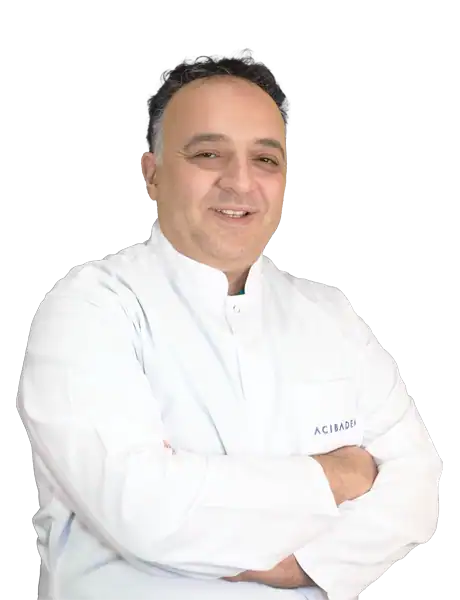
Aesthetic Plastic & Reconstructive Surgery
Prof. Mehmet Veli Karaaltın, MD

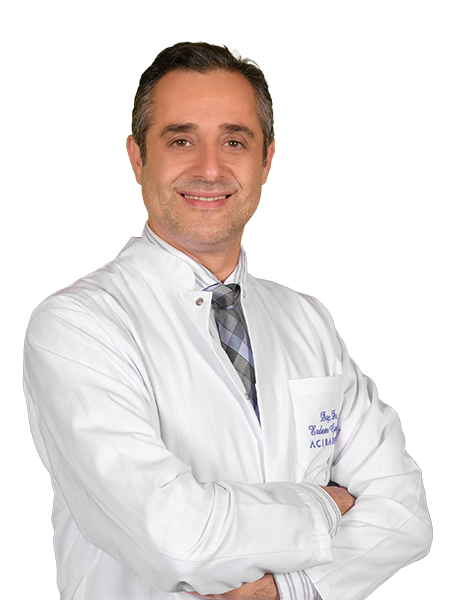
Aesthetic Plastic & Reconstructive Surgery
Assoc. Prof. Erdem Güven, MD

Aesthetic Plastic & Reconstructive Surgery
Assoc. Prof. Ahmet Küçükçelebi, MD
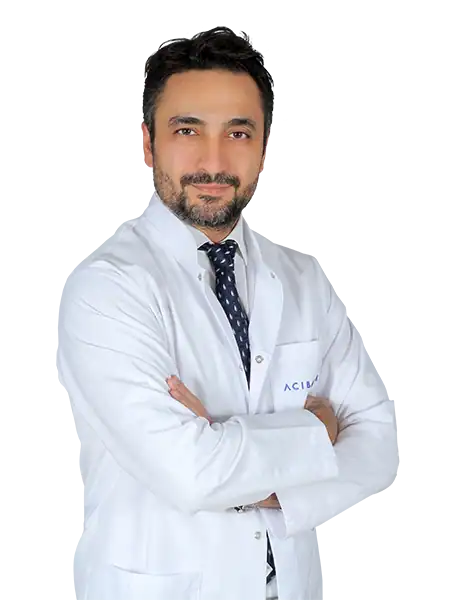
Aesthetic Plastic & Reconstructive Surgery
Assoc. Prof. Mehmet Altıparmak, MD

Aesthetic Plastic & Reconstructive Surgery