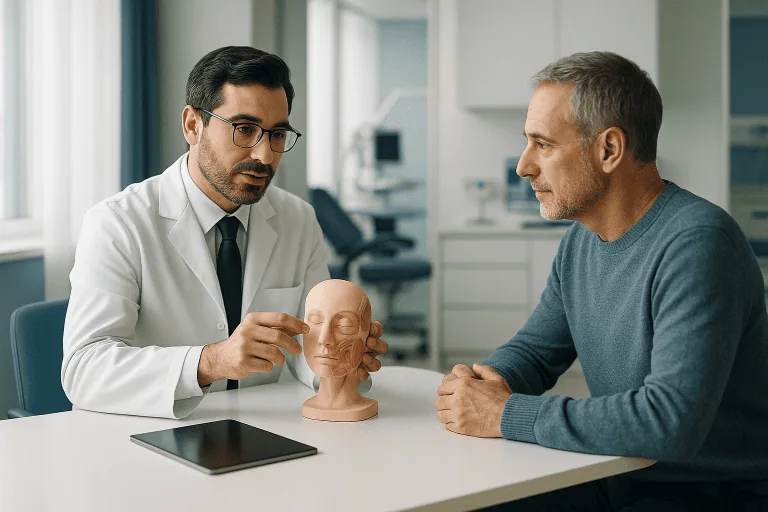
Fat Grafting
Fat grafting transfers a patient’s own purified fat to restore volume, improve contours, or support reconstruction in areas such as the face, breasts, hands, or scars.
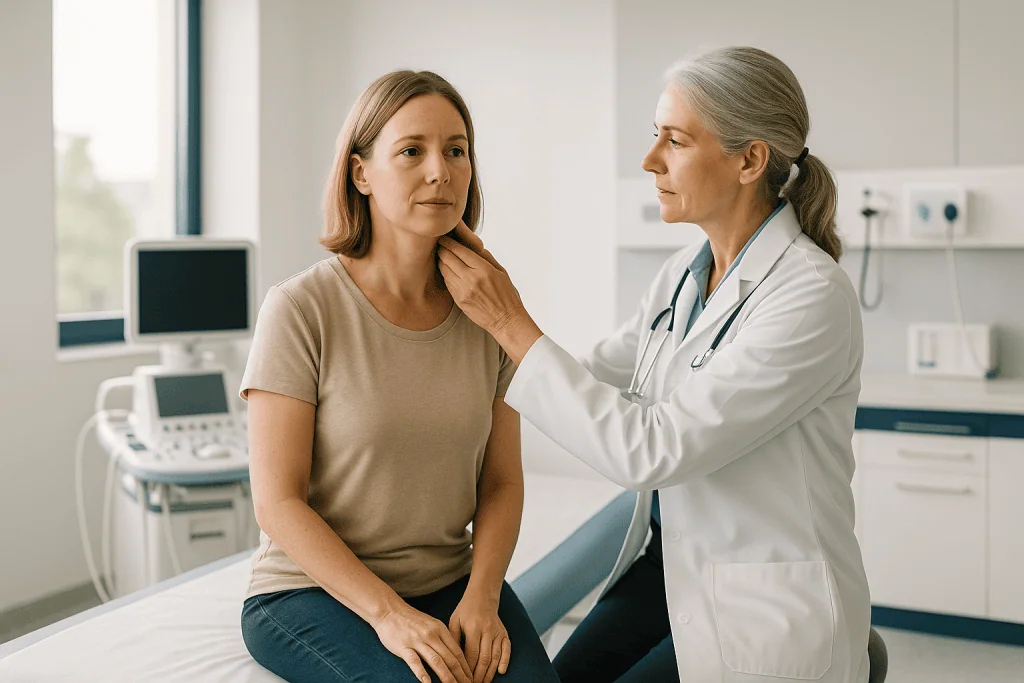
Quick answer
Fat grafting is a procedure that removes fat from one area of the body, purifies it, and injects it into another area to restore volume, improve contour, or support reconstruction. At Acibadem in Turkey, it is performed using the patient’s own fat after individual assessment and treatment planning for areas such as the face, breasts, hands, or scars.
Considering Fat Grafting: Restoring Volume With Your Own Tissue
Changes in facial volume, breast shape, body contours, scars or skin quality can affect how you feel when you look in the mirror. For some people, these changes are part of natural aging. For others, they follow pregnancy, weight loss, trauma, previous surgery, cancer treatment or a congenital difference. The concern is often not only cosmetic. Volume loss in the face may make a person appear tired or older than they feel. Irregular contours after surgery or injury may draw attention to an area a patient would rather not think about. Breast asymmetry after lumpectomy or reconstruction can be a daily reminder of treatment they have already been through.
Fat grafting, also called autologous fat transfer, is a procedure that uses a patient’s own fat to restore volume, soften contour irregularities or support reconstructive goals. Because the transferred tissue comes from your own body, many patients are drawn to the idea of a natural-feeling approach rather than an implant or synthetic filler. At the same time, patients often have important questions: Will the result look natural? How much of the fat will survive? Is it safe? How long is recovery? What happens if I am traveling from another country for treatment?
These are reasonable concerns. Fat grafting is both a surgical technique and an aesthetic judgment. A good outcome depends on careful patient selection, precise planning, gentle handling of the fat, appropriate placement and realistic expectations. The procedure can be subtle or more extensive depending on the area treated. It may be performed alone or combined with other operations, such as facelift surgery, breast reconstruction, scar revision or body contouring.
For international patients, the decision carries additional layers. You may be comparing medical systems, surgeon experience, safety standards, travel logistics and the clarity of communication in another language. Acibadem approaches fat grafting through individualized planning, evidence-based surgical protocols, modern diagnostic pathways and coordinated international patient services designed to help patients understand each step before they travel.
What Is Fat Grafting?
Fat grafting is a surgical procedure that transfers fat from one part of the body to another. The fat is usually removed from an area where there is a natural reserve, such as the abdomen, flanks, thighs or hips, using liposuction techniques. It is then processed to remove excess fluid, oil and blood components. The purified fat is injected in small amounts into the target area to restore volume, improve contour or support tissue quality.
The term autologous means the material comes from your own body. This is different from dermal fillers, which use manufactured injectable substances, or implants, which are medical devices placed to create volume or structure. Fat grafting uses living tissue. After transfer, some fat cells establish a new blood supply and remain long term, while some are naturally reabsorbed by the body. Because of this biology, surgeons often plan conservatively and may discuss the possibility of staged procedures if a larger or more precise change is desired.
Fat grafting can be used in several regions. In the face, it may restore volume in the cheeks, temples, under-eye area, jawline or around the mouth. In the breasts, it can improve shape, fill contour depressions, refine reconstruction after mastectomy or lumpectomy, and address selected cases of asymmetry. In the hands, it can soften the appearance of visible tendons or veins associated with aging. In scars or areas affected by trauma, it may improve contour, pliability and tissue feel. In selected body contouring cases, it can refine proportions in areas such as the buttocks or hips, although these procedures require especially careful safety planning.
Fat grafting is not simply “moving fat.” The success of the procedure depends on placing tiny parcels of fat into well-vascularized tissue, where they can receive oxygen and nutrients. Large deposits of fat placed in one pocket are less likely to survive and may increase the risk of firmness, cysts or unevenness. For this reason, experienced surgeons use layered, controlled injection patterns and adapt the technique to the patient’s anatomy and goals.
Who May Need Fat Grafting?
Patients consider fat grafting for a wide range of reasons. Some seek facial rejuvenation because volume loss has changed the balance of the face. Others want to improve the appearance of contour irregularities after liposuction, trauma or surgery. Many reconstructive patients consider fat grafting after breast cancer treatment, congenital breast asymmetry, burns or scars. The common theme is a need to restore or improve soft-tissue volume using the patient’s own tissue.
Typical concerns that may lead to a consultation include hollow cheeks or temples, deep tear troughs, flattened facial contours, thin or aged-looking hands, visible depressions in the skin, asymmetry between body areas, contour changes after breast surgery, or scars that feel tight or tethered. Some patients describe an area as looking “sunken,” “uneven,” “deflated” or “too sharp.” Others are not looking for a dramatic change but want a softer, more balanced appearance.
Diagnosis and treatment planning begin with a detailed medical consultation. Your surgeon evaluates the area to be treated, the availability and quality of donor fat, skin elasticity, scar tissue, previous procedures and your general health. Medical history is important, including prior surgeries, cancer treatment, radiation therapy, bleeding disorders, smoking or nicotine use, weight changes, medications and chronic conditions such as diabetes or autoimmune disease. If breast fat grafting is being considered, appropriate breast imaging may be reviewed or requested, particularly for patients with a history of breast cancer or those due for screening.
Photography is often used for planning and documentation. In reconstructive cases, imaging, surgical records and multidisciplinary review may be part of the pathway. For example, a patient who has had breast cancer treatment may benefit from coordinated input between plastic surgery, breast surgery, oncology and radiology teams. A patient with a traumatic defect or complex scar may require assessment of tissue quality, circulation and whether additional procedures are needed before or during fat transfer.
Not everyone is an ideal candidate. Patients need enough donor fat for harvesting, stable expectations and a willingness to accept that some resorption is normal. Very thin patients may have limited donor sites. Patients who smoke or use nicotine may have a higher risk of impaired healing and lower fat survival. Significant weight fluctuation after surgery can also affect results, because transferred fat can change with body weight like fat elsewhere in the body.
Conditions and Indications Fat Grafting Can Address
Fat grafting is used in both aesthetic and reconstructive medicine. The indication determines the technique, the volume transferred, the number of sessions that may be needed and the follow-up plan.
In aesthetic facial procedures, fat grafting may help restore age-related volume loss in areas such as the cheeks, temples, tear troughs, lips, chin or jawline. It can be used to soften transitions rather than simply fill lines. This distinction matters: aging is often related to loss of deep facial support, not only surface wrinkles. Fat grafting may be performed alone or combined with procedures such as facelift, eyelid surgery or skin resurfacing when appropriate.
In breast surgery, fat grafting may be used to improve contour after breast reconstruction, correct small depressions after lumpectomy, enhance the edges of an implant-based reconstruction or address selected asymmetries. It can also be considered for modest breast volume enhancement in carefully selected patients, though it is not a substitute for implants when a large increase in breast size is desired. In patients with a history of breast cancer, planning is individualized and coordinated with appropriate oncologic surveillance.
In scar treatment, fat grafting may improve areas that are depressed, adherent or stiff. The transferred fat contains adipose tissue and associated cellular components that may support tissue softness and mobility. While fat grafting cannot erase a scar, it may help improve contour and texture in selected cases, particularly when combined with scar release, revision or skin treatments.
For the hands, fat grafting can replace lost soft tissue over the back of the hand, creating a smoother appearance and reducing the prominence of underlying structures. For body contour refinement, it may be used to correct depressions, improve symmetry or add volume to selected regions. Safety considerations are especially important when fat is transferred near large vessels or deep muscle planes; modern approaches emphasize careful anatomic placement and risk reduction.
Fat grafting may also be used in congenital or developmental conditions involving soft-tissue deficiency, such as facial asymmetry or breast asymmetry. These cases often require staged planning because the goal is balance, not simply volume. In all indications, the best candidates are those whose goals match what fat grafting can reliably achieve.
How Fat Grafting Is Performed: From Planning to Recovery
Fat grafting begins before the operating room. A thorough consultation defines the goal: volume restoration, contour correction, reconstruction support, scar improvement or a combination. The surgeon identifies donor sites and recipient areas, reviews your medical background and explains what degree of change is realistic. If you are traveling internationally, the care team may review photographs, medical records and imaging before arrival, then complete an in-person assessment before confirming the surgical plan.
Preparation may include blood tests, anesthesia evaluation and imaging when indicated. Patients may be asked to stop smoking and avoid nicotine products well in advance, because nicotine can affect circulation and healing. Certain medications and supplements that increase bleeding risk may need to be paused under medical guidance. For breast procedures, recent mammography, ultrasound or MRI may be requested depending on age, history and clinical context. Clear preoperative instructions are especially important for international patients so that travel, accommodation and recovery time can be planned safely.
The procedure is usually performed under local anesthesia with sedation or general anesthesia, depending on the size and location of treatment, the amount of fat to be harvested and whether fat grafting is combined with another operation. Small access points are made near the donor area. A tumescent solution may be used to reduce bleeding and make fat removal more controlled. The surgeon then removes fat using gentle liposuction techniques designed to preserve viable fat cells.
Once collected, the fat is processed. Different processing methods may be used, such as settling, filtration or centrifugation, depending on the surgeon’s protocol and the clinical goal. The aim is to concentrate healthy fat while removing excess fluid, blood and damaged oil. This step matters because clean, carefully prepared fat is easier to place precisely and may reduce the risk of irregularities.
The purified fat is then transferred into syringes and injected into the recipient area through small cannulas. Rather than placing a large amount in one location, the surgeon deposits tiny threads of fat in multiple layers. This increases contact with surrounding tissue and supports the development of a new blood supply. In facial fat grafting, the technique is often delicate and conservative because small differences can affect expression and balance. In breast or body procedures, larger volumes may be used, but placement still needs to be controlled and anatomically safe.
Technology supports planning and execution in several ways. High-resolution imaging may be used in selected breast or reconstructive cases. Digital photography helps analyze proportions and document progress. Modern liposuction and fat-processing systems are designed to reduce tissue trauma and support consistent preparation of graft material. Fine cannulas allow controlled placement through small entry points. In hospital settings, anesthesia monitoring, sterile operating environments and postoperative observation protocols contribute to patient safety.
The duration of fat grafting varies. Small facial procedures may take less time, while breast reconstruction refinement or combined procedures can take several hours. Most patients go home the same day, although some may stay overnight if the operation is more extensive or combined with other surgery. International patients should plan enough time in Turkey for the operation, early follow-up and medical clearance before flying home.
After surgery, swelling, bruising and tenderness are expected in both donor and recipient areas. Compression garments may be recommended for liposuction donor sites to reduce swelling and support contour healing. The recipient area may appear fuller at first because of swelling and because surgeons may account for expected fat resorption. Over the following weeks, swelling decreases and some transferred fat is naturally absorbed. The more stable result develops gradually over several months.
Recovery instructions may include activity limits, wound care, medication guidance, sleeping position recommendations and precautions to avoid pressure on treated areas. For example, after certain breast or body fat transfer procedures, patients may be advised to avoid prolonged pressure on the grafted area for a period of time. Facial fat grafting patients may need to avoid strenuous exercise and excessive heat during early healing. Follow-up appointments allow the surgeon to monitor healing, identify any concerns early and guide return to normal routines.
Why Acting Early Can Matter
Fat grafting is rarely an emergency, but timing can still influence options and outcomes. When contour changes, scars or volume deficiencies are addressed before severe tissue tightening or long-standing asymmetry develops, correction may be more straightforward. In reconstructive cases, early specialist evaluation can help determine whether fat grafting should be performed alone, staged or combined with scar release, implant revision, flap surgery or other techniques.
Delaying evaluation may allow scar tissue to become more rigid, tissue planes to become less flexible or asymmetry to become more difficult to correct. In facial aging, continued volume loss and skin laxity may eventually require a different or more extensive approach than fat grafting alone. In breast reconstruction, small contour issues may be easier to refine before they affect implant positioning, clothing fit or patient comfort. In traumatic or postsurgical deformities, early planning can help coordinate treatment around healing, imaging needs and other medical priorities.
There are also times when waiting is appropriate. Patients who have recently lost significant weight may be advised to stabilize their weight before surgery. Patients who have completed radiation therapy or cancer treatment may need an individualized timeline based on tissue recovery and oncology follow-up. Those planning pregnancy or major weight change may need to discuss timing carefully. Acting early does not always mean operating immediately; it means seeking expert assessment before options narrow or uncertainty grows.
Benefits of Fat Grafting
Fat grafting offers several potential advantages when it is matched to the right patient, indication and surgical plan.
| Benefit | What It Means for You |
|---|---|
| Uses your own tissue | The transferred volume comes from your body, which can create a natural feel and avoids the need for synthetic filler material in the treated area. |
| Restores volume and contour | Fat grafting can soften hollow areas, fill depressions, improve asymmetry and create smoother transitions between body structures. |
| Can support reconstruction | In breast, scar and trauma-related reconstruction, fat transfer may help refine shape and improve soft-tissue coverage as part of a broader plan. |
| Minimal access points | Fat is harvested and placed through small incisions, so visible scarring is usually limited compared with more extensive open procedures. |
| Dual-area improvement | Because fat is removed from a donor area, some patients also experience improved contour where liposuction is performed, although donor-site changes are usually secondary to the main treatment goal. |
| Long-lasting potential | Fat cells that establish a blood supply can remain for the long term, though results vary and natural aging or weight changes can still affect appearance. |
Recovery Timeline After Fat Grafting
Recovery varies by treatment area, volume transferred, anesthesia type and whether fat grafting is combined with another procedure, but the following timeline reflects common patient experiences.
| Time Period | What Patients Can Expect |
|---|---|
| Day 1 | Swelling, bruising and mild to moderate soreness are common. Patients usually rest at home or in their accommodation, follow medication instructions and avoid pressure on grafted areas. |
| First Week | Bruising may become more visible before improving. Many patients resume light daily activities, while strenuous exercise, heavy lifting and travel may still be restricted depending on the procedure. |
| First Month | Swelling gradually decreases and early contour changes become clearer. Compression garments may still be used for donor areas. Some transferred fat is naturally reabsorbed during this period. |
| Three to Six Months | Results become more stable as tissues settle and the surviving fat integrates. The surgeon can assess whether the outcome meets the goal or whether refinement may be considered. |
| Longer Term | Stable grafted fat can remain, but aging, weight changes, pregnancy and medical treatments may influence the result over time. Maintenance depends on general health and lifestyle factors. |
What Influences a Good Result?
A successful fat grafting outcome is not defined only by how much fat is transferred. It is defined by proportion, symmetry, tissue quality, safety and whether the result fits the patient’s anatomy and expectations. Several factors influence this.
Patient selection is central. Good candidates have suitable donor fat, stable weight, reasonable skin elasticity and medical conditions that are well controlled. They also understand that fat grafting is biologic; not every transferred cell survives, and some degree of resorption is expected. Patients seeking a very large volume increase may need a different plan or multiple sessions.
Surgeon technique is equally important. Gentle harvesting helps preserve viable fat cells. Appropriate processing removes unwanted components. Layered injection improves contact between fat and recipient tissue. Avoiding excessive volume in one session reduces the risk of firmness, oil cysts, calcifications or uneven contour. In sensitive anatomic areas, precise knowledge of blood vessels, tissue planes and safe injection depth is essential.
Recipient tissue quality affects survival. Tissue with good circulation generally supports fat integration better than heavily scarred, radiated or damaged tissue, although fat grafting is often used precisely because these areas need improvement. In radiated breast tissue or severe scars, staged treatment may be recommended because the tissue may accept smaller volumes at a time.
Lifestyle and healing capacity also matter. Smoking and nicotine use are associated with poorer circulation and wound healing. Significant weight loss after surgery can reduce volume, while weight gain can enlarge transferred fat. Good nutrition, stable medical conditions and following postoperative restrictions all support recovery.
Planning and expectation management help prevent disappointment. The early postoperative appearance is not the final result. Swelling can create temporary fullness, and gradual resorption may reduce volume over weeks to months. For facial procedures, a subtle improvement may be preferable to overcorrection. For breast or reconstructive procedures, the surgeon may recommend staged refinement to build volume safely and predictably.
Potential risks should be discussed clearly before surgery. These may include bruising, swelling, infection, bleeding, asymmetry, contour irregularity, fat necrosis, cysts, calcifications, changes in sensation, undercorrection, overcorrection or the need for revision. In breast procedures, fat necrosis or calcifications may appear on imaging and should be interpreted by radiologists familiar with postoperative changes. In body fat transfer, rare but serious complications can occur if fat enters blood vessels, which is why anatomic safety protocols and careful technique are essential.
Why International Patients Choose Acibadem for Fat Grafting
Patients traveling for fat grafting often want more than a procedure. They want a careful medical opinion, a realistic plan, clear communication and a hospital environment that can manage both routine recovery and unexpected concerns. Acibadem Hospitals in Turkey provide fat grafting within a broader clinical structure that includes experienced plastic and reconstructive surgeons, JCI-accredited hospitals, modern operating rooms and coordinated support for international patients.
The first step is individualized assessment. For some patients, fat grafting is an aesthetic procedure focused on facial balance or body contour. For others, it is part of reconstruction after cancer treatment, trauma, congenital difference or previous surgery. Acibadem’s multidisciplinary approach is especially relevant in complex cases. When needed, plastic surgeons can coordinate with breast surgeons, oncologists, radiologists, dermatologists, anesthesiologists or other specialists. Specialist boards and collaborative review help align the surgical plan with the patient’s medical history and long-term care needs.
International and evidence-based treatment protocols guide patient safety. This includes preoperative evaluation, anesthesia planning, sterile surgical technique, postoperative monitoring and follow-up recommendations. In reconstructive breast cases, appropriate imaging and oncologic history are considered before fat transfer. In facial and body procedures, the plan is adapted to anatomy, skin quality and the limits of safe volume placement. The goal is not to perform the largest possible transfer, but to choose the most appropriate method for a balanced and medically sound result.
Advanced technology supports diagnosis, planning and surgery without replacing clinical judgment. High-quality imaging can help evaluate breast tissue, scars or complex anatomy. Digital documentation assists in comparing preoperative goals with postoperative progress. Modern fat harvesting and processing methods support gentle tissue handling. Fine cannulas and controlled injection techniques help surgeons place fat precisely. Hospital-based anesthesia and monitoring systems are important for patient safety, particularly when fat grafting is combined with other procedures.
For patients coming from the United States, Europe, the Middle East or other regions, logistics are part of care. Acibadem International provides dedicated international patient services in more than 20 languages. These teams can assist with appointment coordination, medical record transfer, interpretation, hospital admission guidance and communication between the patient and clinical team. This support is particularly valuable when patients need to share photographs, prior operative reports, pathology results or imaging before traveling.
Another important consideration is continuity. A responsible surgical plan includes not only the operation, but also what happens after you leave the hospital and after you return home. Patients receive postoperative instructions and follow-up guidance tailored to the procedure performed. If additional treatment may be needed, such as a second fat grafting session or scar refinement, this is discussed as part of the longer-term plan rather than presented as an afterthought.
Choosing care abroad requires trust, but trust should be based on clarity. Patients should feel comfortable asking who will perform the procedure, what anesthesia will be used, what risks apply to their case, how much recovery time is recommended before flying, what result is realistic and what signs should prompt medical attention after discharge. At Acibadem, these discussions are part of the consultation process so patients can make informed decisions with a clear understanding of both the possibilities and the limitations of fat grafting.
A Thoughtful Next Step
Fat grafting can be a refined and versatile option for restoring volume, improving contours and supporting reconstruction using your own tissue. It may help soften facial aging, correct depressions, improve breast reconstruction details, enhance hand appearance or improve selected scars. The best results come from careful diagnosis, realistic goals, precise technique and a treatment plan that respects both aesthetic proportion and medical safety.
If you are considering fat grafting, the next step is a personalized consultation or second opinion. Sharing your medical history, photographs, previous surgery records and relevant imaging can help the clinical team understand your goals and advise whether fat grafting is appropriate for you. For international patients, early communication also helps determine travel timing, length of stay and follow-up needs.
Acibadem’s plastic and reconstructive surgery teams can evaluate your case and explain whether fat grafting alone, a staged approach or a combined procedure is most suitable. With clear information and expert guidance, you can make a decision that is medically informed and aligned with what you hope to achieve.
This information is general and is not a substitute for professional medical advice. Diagnosis, treatment options and recovery expectations should always be discussed with a qualified physician who can assess your individual condition.
Preparation
- A plastic surgeon evaluates the donor and treatment areas, medical history, medications, and expectations. Blood tests and anesthesia assessment may be required before surgery. Patients are usually advised to stop smoking and avoid blood-thinning medications or supplements as instructed.
Aftercare
- Mild swelling, bruising, and soreness are common in both donor and treated areas. Patients should wear compression garments if recommended, avoid pressure on grafted areas, and follow activity restrictions. Final volume and contour become clearer as swelling resolves and some transferred fat naturally reabsorbs.
Frequently Asked Questions
What affects the cost of fat grafting?
The main factors are the treatment area, the amount of fat harvesting needed, anaesthesia type, hospital or clinic setting, surgeon expertise, and whether fat grafting is combined with another procedure. Tests, garments, medication, transfers, accommodation, and follow-up can also affect the final quote.
How can I get a personalised quote for fat grafting in Turkey?
A personalised quote usually requires medical photos, your goals, health history, previous surgery details, and any relevant imaging or reports. Acibadem International can arrange a free consultation so a specialist can review suitability and provide a tailored treatment plan.
Is fat grafting priced the same for the face, breast, hands, and scars?
No. Each area requires different planning, harvesting, purification, injection technique, and recovery support. Reconstructive cases or combined procedures may require additional assessment and a different hospital pathway.
What is usually included in an international patient package?
Package contents vary, but they may include specialist consultation, standard preoperative tests, hospital services, anaesthesia, interpreter support, care coordination, and local transfer assistance. Patients should confirm exactly what is included before travelling.
Will I need more than one fat grafting session?
Some patients may need a staged approach because transferred fat can be partially absorbed by the body. The likelihood of further treatment depends on the area treated, tissue quality, desired change, and the specialist’s assessment.
Is fat grafting suitable for everyone?
Not always. Suitability depends on general health, donor fat availability, skin and tissue quality, medication use, smoking status, and treatment goals. A plastic surgery specialist should decide whether fat grafting is appropriate and safe for you.
Medically reviewed by the Acıbadem International Medical Board June 20, 2026
See our medical review board →
Update history
- PublishedJune 8, 2026
- Medical review approvedJune 20, 2026
- Last content updateJune 8, 2026
Trusted care for international patients
From the Acibadem Blog
Which Patients Suit Fat Grafting? Donor Areas, Skin Quality and Volume Goals Explained
A good fat grafting candidate is generally a healthy, non-smoking adult at a stable weight who has enough surplus fat in a donor area…

How Long Do Fat Grafting Results Last? Graft Take, Volume Settling and Realistic Expectations
Fat grafting results are generally considered long-lasting once the transferred fat has survived, but not all of it does. Published reviews report that roughly…

Fat Grafting Recovery: Protecting the Grafted Area While the Donor Site Heals
Fat grafting recovery runs on two tracks at once: the grafted area needs protection from pressure, heat and movement while transplanted fat cells form…
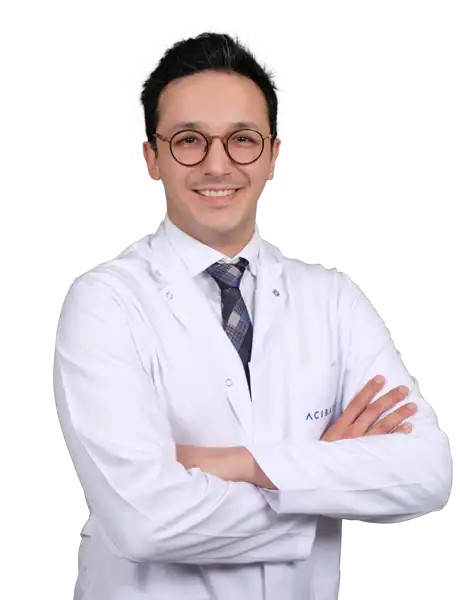
Doctors Performing This Treatment


Aesthetic Plastic & Reconstructive Surgery
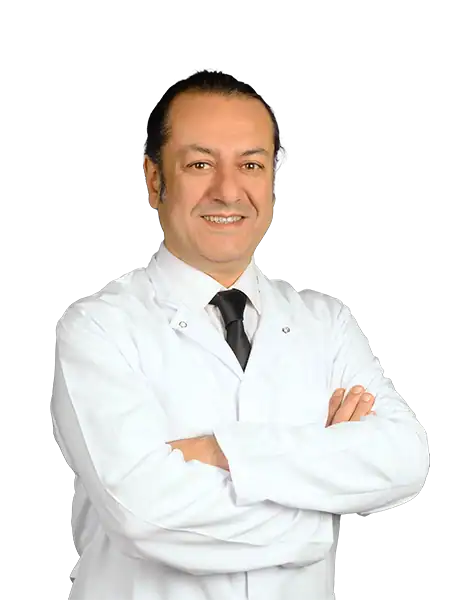
Prof. Mehmet Veli Karaaltın, MD

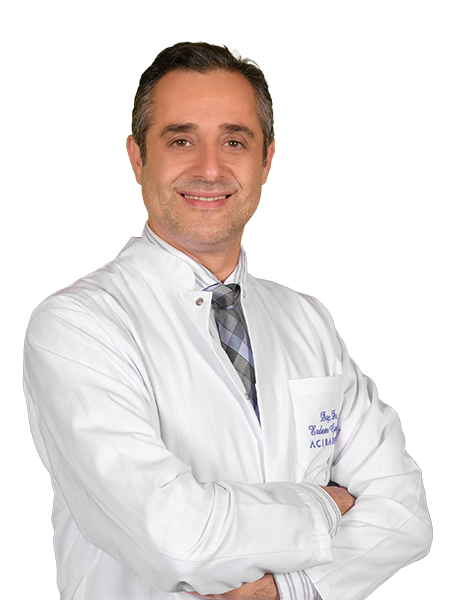
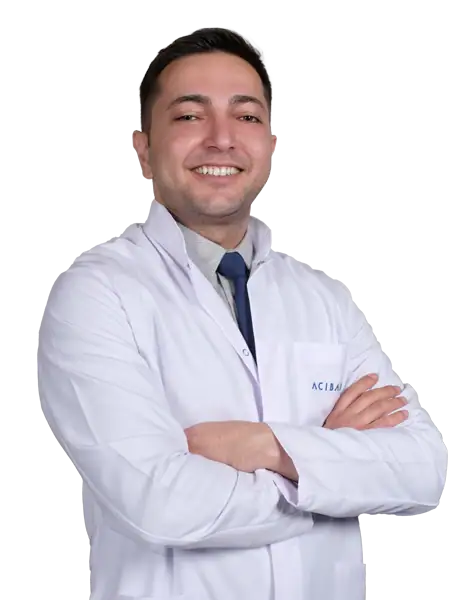
Aesthetic Plastic & Reconstructive Surgery
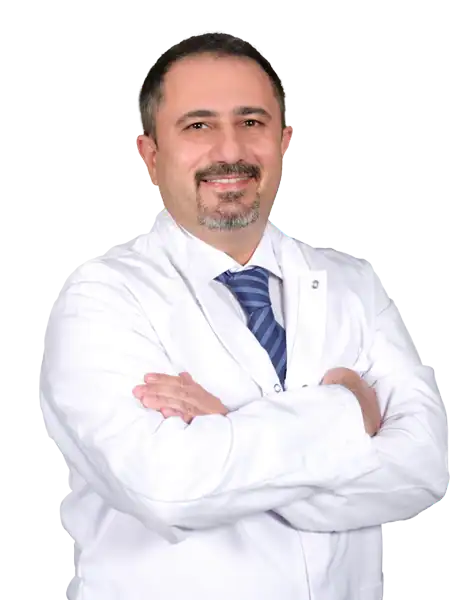
Assoc. Prof. Erdem Güven, MD

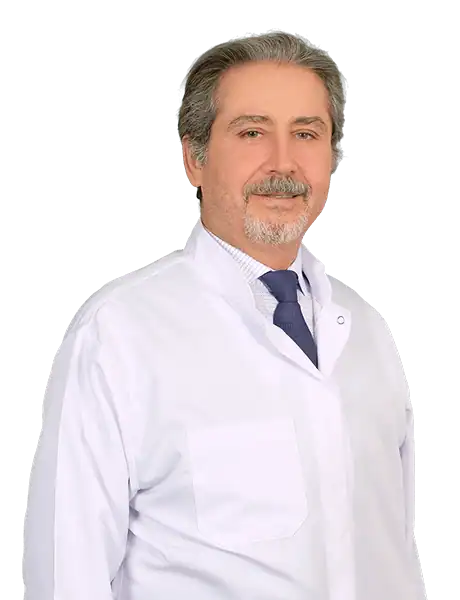
Aesthetic Plastic & Reconstructive Surgery
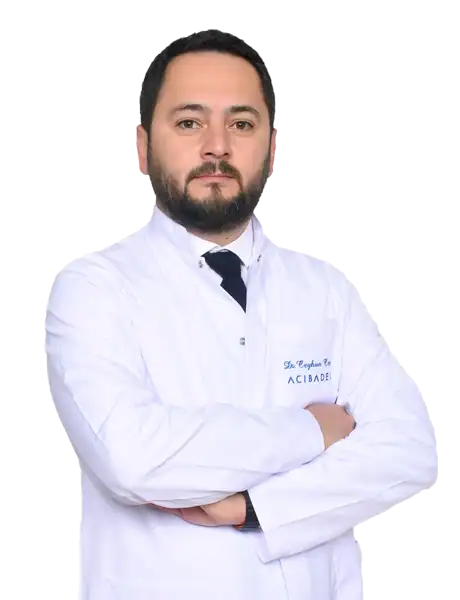
Assoc. Prof. Ahmet Küçükçelebi, MD
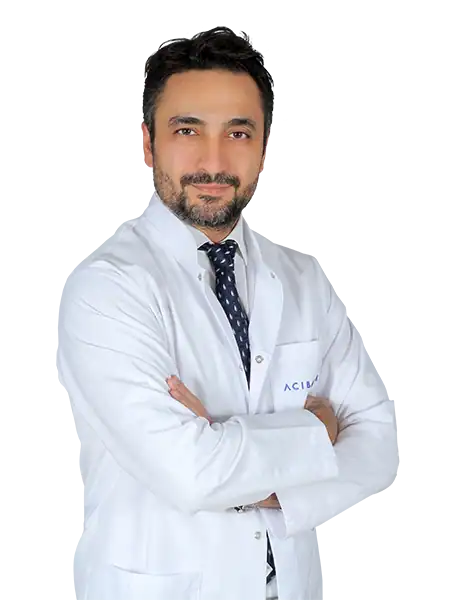
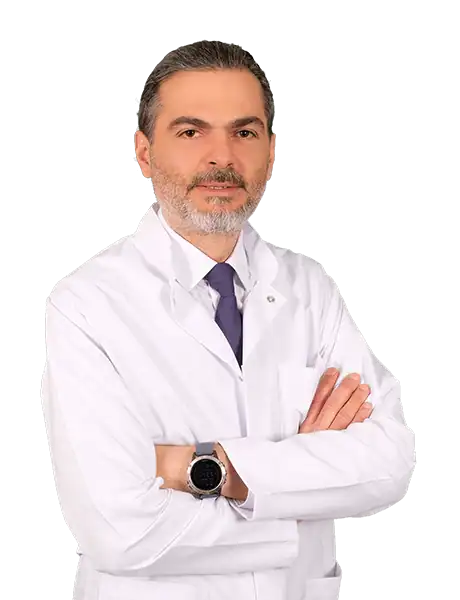
Aesthetic Plastic & Reconstructive Surgery
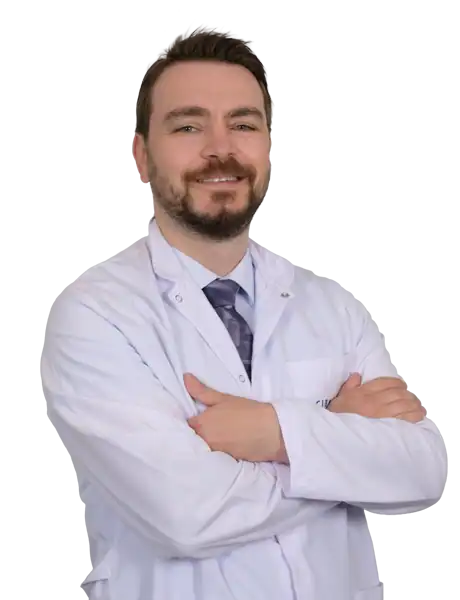
Assoc. Prof. Mehmet Altıparmak, MD

Aesthetic Plastic & Reconstructive Surgery