Am I a Candidate for Egg freezing? Eligibility Criteria

Egg freezing is a fertility-preservation option, not a guarantee of future pregnancy or live birth. A fertility specialist evaluates age, ovarian reserve, menstrual and medical history, ultrasound findings and treatment safety.
Key Takeaways
- Egg freezing is a fertility-preservation option, not a guarantee of future pregnancy or live birth.
- A fertility specialist evaluates age, ovarian reserve, menstrual and medical history, ultrasound findings and treatment safety.
- People considering delayed parenthood, treatment that may affect fertility, or surgery involving the ovaries may wish to ask about egg freezing.
- The process usually involves 10 to 14 days of hormone injections, monitoring, egg retrieval under sedation or anesthesia, and freezing of mature eggs.
- Recovery after retrieval is commonly brief, but symptoms such as severe pain, breathing difficulty or rapid weight gain need prompt medical review.
- A consultation can clarify whether egg freezing is appropriate now, whether other options may suit the person better, and what outcomes are realistic.
Am I a candidate for egg freezing? A person may be a candidate if they have ovaries, want to preserve the possibility of using their own eggs later, and can safely undergo ovarian stimulation and egg retrieval after an individualized fertility assessment. Age, ovarian reserve, medical history, reproductive plans and personal circumstances all help guide the decision.
Overview: Who May Be a Candidate for Egg Freezing?
Egg freezing, also called oocyte cryopreservation, is a method of preserving unfertilized eggs for possible use in future fertility treatment. A person may be a candidate if they have functioning ovaries, wish to keep the option of using their own eggs later, and are medically able to complete ovarian stimulation and an egg retrieval procedure. The decision is personal and should be based on an assessment with a fertility specialist rather than age alone.
It may be considered by people who are not ready to try for pregnancy now, those facing medical treatment that could affect ovarian function, or those with a higher likelihood of reduced fertility in the future. Egg freezing does not stop ovarian aging, prevent infertility, or ensure a future pregnancy. It preserves eggs at the age they are collected, which is why timing can matter.
Before deciding, it is helpful to understand the full process, likely number of eggs that can be collected, possible need for more than one cycle, future storage arrangements and the steps required to use frozen eggs. The dedicated egg freezing treatment page provides an overview of this fertility-preservation option.
Eligibility Criteria and Factors a Specialist Reviews
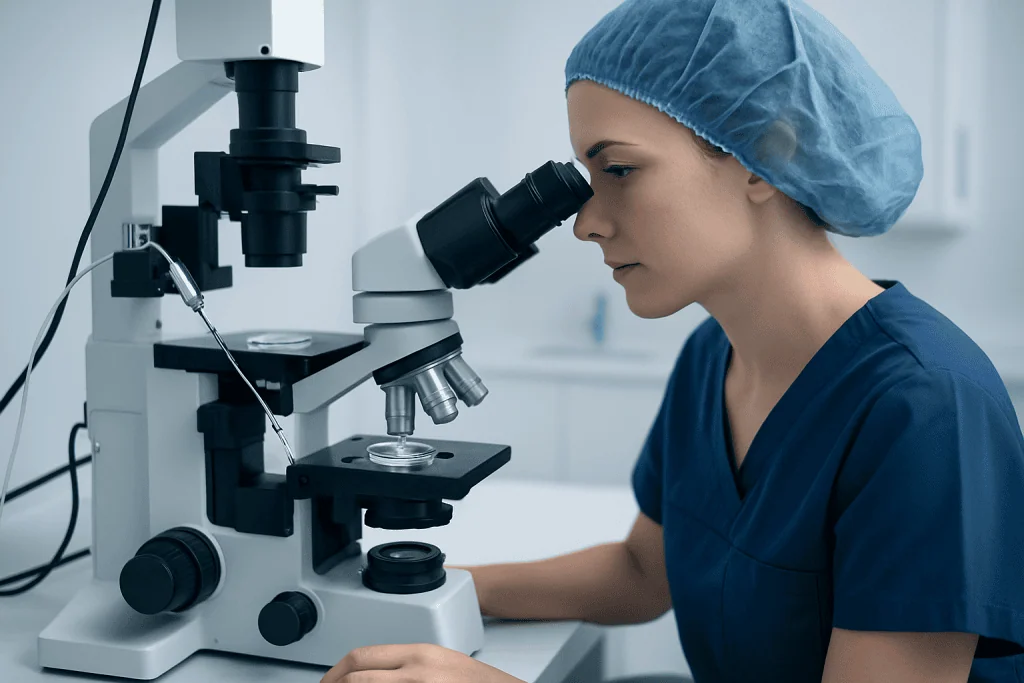
There is no single universal cutoff that determines eligibility. Fertility specialists usually consider the person’s age, ovarian reserve, menstrual history, ultrasound findings, medical conditions, medications and reproductive goals. Younger age at freezing is generally associated with a greater chance that collected eggs will be genetically healthy, but people of different ages may still benefit from an individualized discussion.
Ovarian reserve describes the estimated remaining egg supply and how the ovaries may respond to stimulation. It is commonly assessed using an antral follicle count on pelvic ultrasound and blood tests such as anti-Müllerian hormone (AMH), alongside other clinical information. These tests cannot measure egg quality directly or predict natural fertility with certainty, but they help clinicians plan treatment and discuss expected response.
People may particularly wish to seek advice when they are considering postponing parenthood, have a family history of early menopause, have had ovarian surgery, or have a condition that may affect fertility. For example, some people with endometriosis may discuss fertility preservation before ovarian surgery or if ovarian cysts are affecting the ovaries. Eligibility and timing depend on the individual situation.
- People planning to delay pregnancy for personal, educational, professional or relationship reasons.
- People preparing for chemotherapy, radiotherapy near the pelvis, or other treatments that may reduce ovarian function.
- People undergoing treatment or surgery that may affect one or both ovaries.
- People with a known or suspected risk of early decline in ovarian function.
When Egg Freezing May Not Be Suitable

Egg freezing may not be the best option for everyone. It can be less likely to be beneficial when ovarian reserve is very low, when few mature eggs are expected despite stimulation, or when a person’s age means that the chance of obtaining eggs with future reproductive potential is limited. These situations do not automatically rule out treatment, but they make realistic counseling especially important.
Some health conditions may need to be stabilized before a cycle begins. Hormone-sensitive cancers, significant heart or lung disease, uncontrolled endocrine disorders, active infection and conditions that raise anesthesia or clotting risks require careful review by the appropriate specialists. In urgent cancer care, a fertility-preservation team can often coordinate with the oncology team to assess whether egg freezing can be completed without an unsafe delay in treatment.
Egg freezing also requires time, repeated clinic visits and self-administered injections. A person should be able to give informed consent and understand that frozen eggs are not the same as embryos: they must later be thawed, fertilized using intracytoplasmic sperm injection (ICSI), and transferred as an embryo if pregnancy is pursued. Alternatives may include trying to conceive sooner, embryo freezing where appropriate, or discussing other family-building routes.
How the Procedure Works: Step by Step
The first stage is a consultation and pre-treatment assessment. The clinician reviews medical and reproductive history, performs or arranges a pelvic ultrasound, and requests relevant blood tests. The team explains expected benefits and limitations, possible risks, consent, future use of eggs and any legal or storage requirements that apply in the person’s location.
During ovarian stimulation, daily hormone injections encourage several follicles to develop in one cycle. Monitoring appointments, usually including ultrasound scans and blood tests, allow the specialist to adjust the plan and determine the right time for the final maturation injection. The stimulation phase commonly takes around 10 to 14 days, although the exact schedule varies.
Egg retrieval is typically performed through the vagina using ultrasound guidance. A fine needle is used to collect fluid from the ovarian follicles while the person receives sedation or anesthesia. The embryology laboratory identifies mature eggs and freezes them using vitrification, a rapid-freezing method designed to protect the cells. Not every follicle contains an egg, and not every collected egg is mature enough to freeze.
When a person later wants to use the eggs, they are thawed and usually fertilized with sperm by ICSI. Resulting embryos may be cultured and, if appropriate, transferred to the uterus. This later process is separate from the egg-freezing cycle and may involve additional evaluation and treatment.
Benefits, Limitations and Possible Risks
The main potential benefit of egg freezing is greater reproductive flexibility. It may reduce the pressure of trying to conceive within a particular time frame and can be especially valuable before treatment likely to affect fertility. Frozen eggs retain the age-related characteristics they had when collected, so eggs frozen earlier may offer better future potential than eggs collected later.
However, egg freezing cannot guarantee a baby. Outcomes depend on age at collection, the number and maturity of eggs frozen, laboratory processes, sperm factors, embryo development, uterine health and pregnancy-related factors. A specialist can discuss estimates in broad, individualized terms, but no assessment can predict a specific person’s outcome with certainty.
Common temporary effects of stimulation include bloating, pelvic pressure, mood changes, bruising at injection sites and mild discomfort. Retrieval can cause short-lived cramping, spotting, nausea or fatigue. Less common complications include bleeding, infection, injury to nearby structures, reactions to sedation or anesthesia, and ovarian torsion.
Ovarian hyperstimulation syndrome (OHSS) is now less common with modern protocols, but it can still occur. It may cause marked abdominal swelling or pain, nausea, reduced urination, sudden weight gain or shortness of breath. The clinic should provide clear instructions on which symptoms require urgent contact or emergency assessment.
Recovery Timeline and Practical Self-Care
Many people return home on the day of egg retrieval and feel able to resume light activities within one or two days. Because sedation or anesthesia may affect concentration and coordination, they should arrange for a responsible adult to take them home and avoid driving, alcohol, major decisions and strenuous activity for the period advised by their care team.
Mild cramping, bloating and vaginal spotting may continue for several days. Rest, hydration, comfortable clothing and the pain relief recommended by the clinician can help. The care team may advise avoiding vigorous exercise, heavy lifting and penetrative sex until the ovaries have returned closer to their usual size, as stimulated ovaries can be temporarily enlarged.
After the cycle, a follow-up discussion can review the number of mature eggs frozen and whether another cycle is worth considering. This conversation should focus on the person’s goals and medical circumstances, rather than treating a particular egg number as a promise of future success. Keeping contact and consent details up to date is also important while eggs remain in storage.
When to Seek Medical Care
Anyone considering egg freezing should book a fertility consultation before making decisions based on online information, a single hormone test or a friend’s experience. Earlier discussion can be useful for people who may need gonadotoxic cancer treatment, pelvic radiation, ovarian surgery or other time-sensitive treatment, since fertility preservation sometimes needs to be coordinated quickly.
During stimulation or after retrieval, the person should contact the fertility clinic promptly for worsening abdominal pain or swelling, persistent vomiting, heavy bleeding, fever, fainting, reduced urination, chest pain, shortness of breath, or rapid weight gain. These symptoms do not always indicate a serious problem, but they need timely clinical assessment.
People can prepare for the first appointment by recording menstrual history, current medicines, past pregnancies or fertility treatment, relevant family history and any upcoming medical treatment. An eligibility or pre-assessment form can help the fertility team identify important health information before the consultation. Acibadem International’s multidisciplinary specialists and JCI-accredited hospitals can assess and treat fertility-preservation needs for international patients.
Frequently asked questions
What age is best for egg freezing?
There is no single best age for every person, but eggs generally have greater reproductive potential when collected at younger ages. A fertility specialist can discuss how age, ovarian reserve and personal plans affect the likely value of freezing eggs now versus later.
Can someone freeze eggs if they have low AMH?
Low AMH does not automatically mean that egg freezing is impossible. It may indicate that fewer eggs could be collected in a cycle, so a specialist may discuss expected response, whether more than one cycle could be considered, and whether other options are appropriate.
Does regular menstrual bleeding mean egg freezing will work well?
Regular periods can suggest that ovulation is occurring, but they do not show the number or quality of eggs available. Ultrasound, hormone testing and clinical history provide more useful information for planning an egg-freezing cycle.
How long does an egg-freezing cycle take?
The stimulation and monitoring portion often takes about 10 to 14 days, followed by egg retrieval. Initial testing, consultation scheduling and recovery time mean that the overall process can take longer, and timing is individualized.
Is egg retrieval painful?
Egg retrieval is usually performed with sedation or anesthesia, so most people do not feel pain during the procedure. Mild cramps, bloating or spotting afterward are common and generally improve over several days; the clinic should be contacted if symptoms are severe or worsening.
How many eggs should be frozen?
There is no number that guarantees pregnancy, because future outcomes depend on age at freezing, egg maturity, embryo development and other factors. The care team can explain what may be realistic for the individual and whether an additional cycle might be discussed.
References
- American Society for Reproductive Medicine
- European Society of Human Reproduction and Embryology
- Human Fertilisation and Embryology Authority
- American College of Obstetricians and Gynecologists
This article is for general information only and is not a substitute for professional medical advice. Please consult a qualified doctor about your individual situation.
IVF & fertility treatment in Turkey — success rates and costs
JCI-accredited · board-certified surgeons · reply within 24h
Add us as a Preferred Source to see more of our trusted health content across Google Search, AI Overviews and Discover.

More from the Health Library



Related Specialists

Dr. Ayşenur Zorteymur
Pediatrics
Dr. Özgür Özer
Gynecology & Obstetrics
Dr. İletişim | 444 55 44
Inpatient Clinic Physicians Clinical Service
Prof. Dr. Salim Başol Tekin
Hematology