Uterine fibroids: When to See a Doctor (Red Flags)

Fibroids are common noncancerous growths in or around the uterus, but their symptoms can vary widely. Heavy periods, pelvic pressure, urinary changes, pain, and anemia symptoms are important reasons to arrange a medical review.
Key Takeaways
- Fibroids are common noncancerous growths in or around the uterus, but their symptoms can vary widely.
- Heavy periods, pelvic pressure, urinary changes, pain, and anemia symptoms are important reasons to arrange a medical review.
- Emergency care is appropriate for severe bleeding, fainting, chest pain, shortness of breath, or sudden intense pelvic pain.
- Not every fibroid needs treatment; decisions depend on symptoms, fibroid size and location, age, and pregnancy plans.
- Evaluation commonly includes a pelvic examination, blood tests when bleeding is significant, and pelvic ultrasound.
- Treatments range from monitoring and medicines to minimally invasive procedures and surgery.
A doctor should assess uterine fibroids when bleeding is heavy or prolonged, pelvic symptoms interfere with daily life, anemia is suspected, or there are concerns about fertility or pregnancy. Sudden severe pain, fainting, or very heavy bleeding needs urgent medical assessment.
Overview: when is medical advice needed?
When to see a doctor for uterine fibroids depends mainly on symptoms rather than on the presence of fibroids alone. A medical appointment is appropriate for heavy or prolonged menstrual bleeding, pelvic pain or pressure, frequent urination, difficulty emptying the bladder, worsening abdominal enlargement, or problems becoming or staying pregnant.
Fibroids, also called leiomyomas or myomas, are noncancerous growths made of muscle and connective tissue. They can develop within the uterine wall, bulge into the uterine cavity, or grow on the outer surface of the uterus. Many are found incidentally and cause no symptoms, while others can affect comfort, daily activities, blood levels, and reproductive health.
Most fibroids are not an emergency and do not require immediate treatment. However, new, changing, or disruptive symptoms deserve assessment because several gynecological conditions can cause similar concerns. A clinician can confirm the cause, check for anemia or other complications, and discuss whether observation or treatment is most appropriate.
When to seek medical care
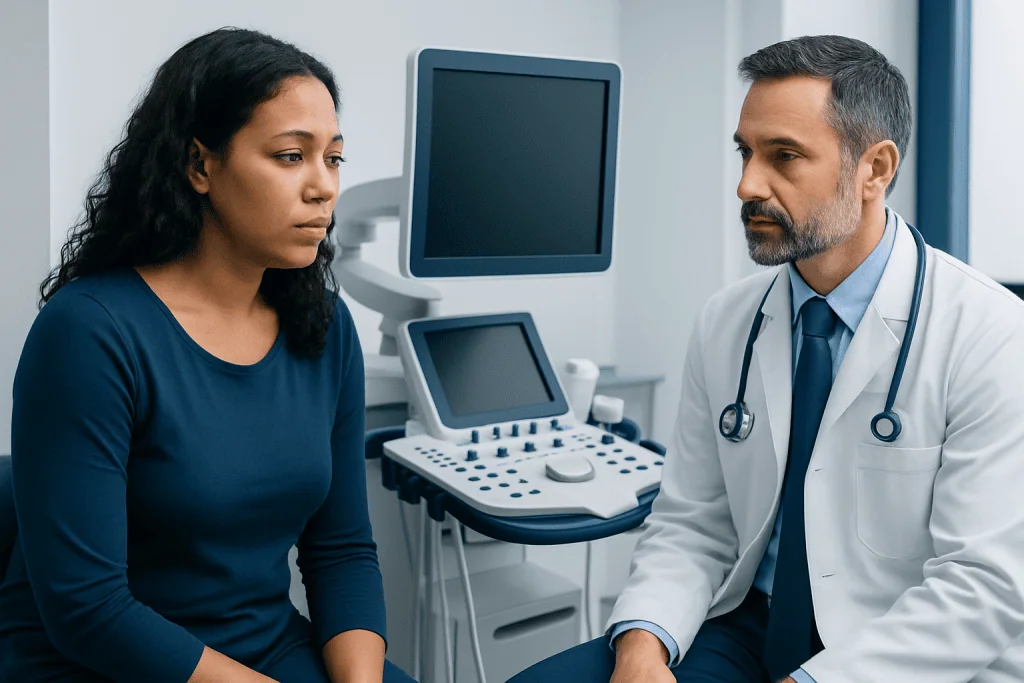
It is sensible to book a non-urgent gynecology appointment when periods become noticeably heavier, longer, more frequent, or less predictable than usual. Other reasons include pelvic heaviness, pressure in the lower abdomen, pain during sex, constipation, frequent urination, a feeling that the bladder does not empty fully, or an enlarging abdomen not explained by weight change.
Medical review is also important when heavy bleeding is accompanied by tiredness, dizziness, headaches, reduced exercise tolerance, paleness, or a racing heartbeat. These may be signs of iron-deficiency anemia. People who are trying to conceive, have had recurrent pregnancy loss, or are pregnant and have known fibroids should discuss their individual situation with an obstetrician-gynecologist.
Urgent medical care is needed for bleeding that soaks through pads or tampons very quickly, passing out or nearly passing out, severe weakness, chest pain, shortness of breath, or sudden severe pelvic or abdominal pain. These symptoms are not always caused by fibroids, but prompt assessment is important to identify and treat the cause safely.
- Arrange a consultation for persistent or worsening bleeding, pain, pressure, or urinary symptoms.
- Seek urgent help for severe bleeding, fainting, breathing difficulty, chest pain, or severe sudden pain.
- Contact a clinician promptly during pregnancy if there is bleeding, significant pain, contractions, or other new symptoms.
Symptoms and red flags to monitor
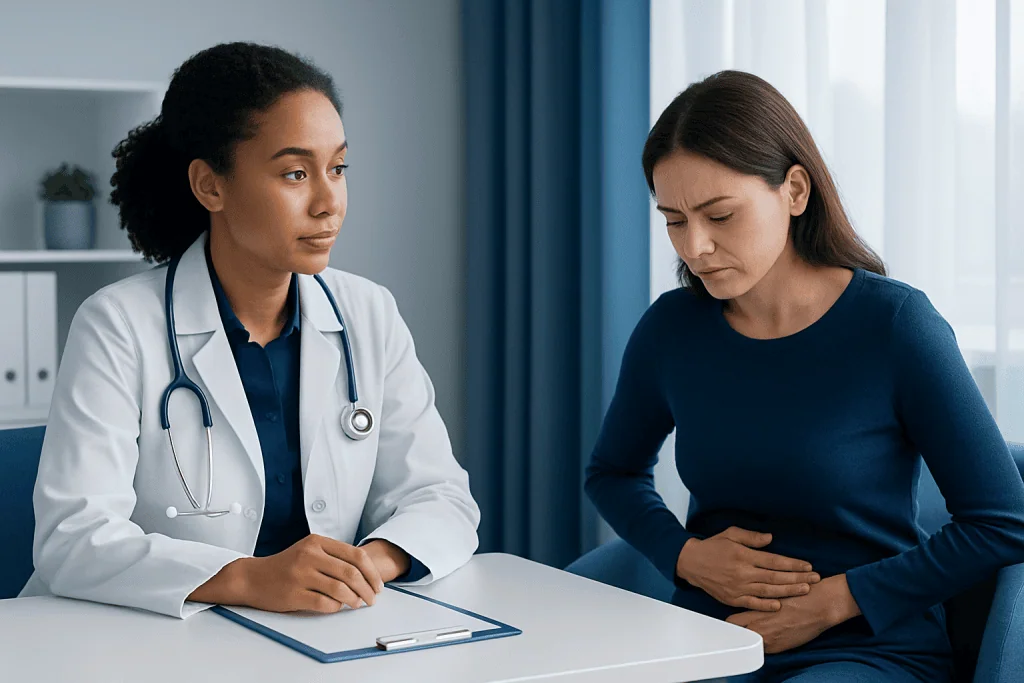
Heavy menstrual bleeding is one of the most common reasons fibroids are diagnosed. It may mean periods lasting longer than usual, needing to change menstrual protection very frequently, passing large clots, or bleeding that disrupts work, school, sleep, or social activities. Spotting between periods or bleeding after sex should also be assessed, as these symptoms may have causes other than fibroids.
The type and position of a fibroid influence symptoms. Fibroids growing toward the uterine cavity may be more closely associated with heavy bleeding and fertility concerns. Larger fibroids on the outside of the uterus can produce pressure on the bladder or bowel, leading to urinary frequency, constipation, backache, or a sense of fullness.
A rapidly changing abdominal size, a new pelvic mass, or symptoms that begin or continue after menopause warrant timely evaluation. Fibroids often shrink after menopause because hormone levels change, although individual experiences differ. A clinician can determine whether imaging or further tests are needed rather than assuming that new symptoms are due to a known fibroid.
Why fibroids develop and who may be affected
The exact cause of uterine fibroids is not fully understood. They are influenced by hormones, particularly estrogen and progesterone, and may also have a genetic component. They commonly develop during the reproductive years and often change in size over time.
Having a family history of fibroids may increase the likelihood of developing them. Age during the reproductive years, early onset of menstruation, and some lifestyle and health factors have also been associated with fibroids. These associations do not mean a person has done anything to cause their fibroids.
Fibroids are benign, meaning they are not cancer. A fibroid itself does not usually become cancerous. Nevertheless, it is important for a clinician to investigate symptoms such as unusual bleeding, persistent pain, or a growing pelvic mass, because a proper diagnosis should not rely on symptoms alone.
How doctors assess uterine fibroids
Assessment begins with a discussion of symptoms, menstrual pattern, medical history, medicines, pregnancy plans, and family history. The clinician may ask how often menstrual products are changed, whether clots occur, and how bleeding affects everyday life. A pelvic examination may provide information about the size and shape of the uterus, although it cannot define every fibroid.
Pelvic ultrasound is commonly the first imaging test. It can identify fibroids, estimate their number and size, and show their relationship to the uterine cavity. Depending on symptoms and the information needed, a clinician may recommend transvaginal ultrasound, saline infusion sonography, magnetic resonance imaging, or hysteroscopy.
Blood tests may be used to check for anemia when bleeding is heavy. Pregnancy testing, cervical screening where due, and tests for other causes of abnormal uterine bleeding may also be considered. The goal is to identify the source of symptoms and create a plan that reflects the person’s health needs and reproductive priorities.
Treatment options and how procedures are planned
Management is individualized. When fibroids are small and do not cause symptoms, monitoring with periodic clinical review may be all that is needed. For troublesome bleeding or pain, a clinician may discuss medicines that reduce bleeding, relieve pain, or temporarily alter hormone activity. The most suitable option depends on medical history, symptom severity, and whether pregnancy is desired now or in the future.
When symptoms remain significant, procedures may be considered. Options can include hysteroscopic removal of selected fibroids within the uterine cavity, myomectomy to remove fibroids while preserving the uterus, uterine artery embolization to reduce their blood supply, or hysterectomy for people who do not wish to preserve the uterus. Detailed information on evaluation and care is available through uterine fibroids.
Before a procedure, the care team reviews imaging, blood results, medical conditions, medicines, anesthesia needs, and fertility goals. The procedure choice is based on the fibroids’ number, location, and size as well as the person’s preferences. A specialist should explain expected benefits, alternatives, possible effects on future pregnancy, and potential complications before consent is given.
For a surgical procedure such as myomectomy, anesthesia is used and the surgeon reaches the fibroids through the vagina and cervix, small abdominal incisions, or an abdominal incision, depending on their position. The fibroids are removed and the uterus is repaired when appropriate. Recovery may range from days after a hysteroscopic or minimally invasive procedure to several weeks after open abdominal surgery; the team provides individualized activity, wound-care, and follow-up guidance.
Benefits, risks, and recovery considerations
Potential benefits of treatment include lighter bleeding, less pressure or pain, improved iron levels, and better daily functioning. Some uterus-preserving treatments may be appropriate for people who hope for future pregnancy, but suitability differs between individuals. Treatment can also improve the ability to assess the uterine cavity when fibroids are contributing to fertility difficulties.
All procedures carry potential risks. These can include bleeding, infection, injury to nearby organs, blood clots, anesthesia-related problems, adhesions, and the possibility that symptoms persist or fibroids return after uterus-preserving treatment. Certain procedures may not be recommended for those planning pregnancy, so discussing reproductive plans clearly is essential.
Recovery varies according to the procedure and a person’s general health. Mild cramping, fatigue, and temporary changes in bleeding may occur. Patients should follow postoperative instructions and contact their clinical team for fever, worsening pain, heavy bleeding, foul-smelling discharge, wound problems, leg swelling, chest pain, or shortness of breath.
Acibadem International’s multidisciplinary specialists in JCI-accredited hospitals assess and treat uterine fibroids for international patients, with care plans tailored to symptoms and reproductive goals.
Self-care, monitoring, and preparing for a consultation
There is no proven self-care approach that reliably eliminates fibroids. However, tracking bleeding days, clotting, pain, urinary or bowel symptoms, and the impact on everyday activities can help a clinician understand symptom severity. Keeping a list of medicines, supplements, previous imaging, and past treatments can also make the appointment more productive.
For heavy periods, a clinician may recommend checking iron levels and may advise iron replacement if deficiency is confirmed. It is best not to self-treat persistent heavy bleeding without medical guidance. Maintaining balanced nutrition, regular movement when comfortable, and rest during painful episodes can support general wellbeing but should not replace assessment of significant symptoms.
Questions to bring to a consultation may include whether the fibroids are likely to explain the symptoms, whether anemia is present, whether watchful waiting is safe, and how each treatment could affect fertility or pregnancy. Seeking care early can help prevent prolonged symptoms and support informed, unhurried treatment decisions.
Frequently asked questions
Can uterine fibroids cause sudden severe pain?
They can sometimes cause acute pain, for example if a fibroid outgrows its blood supply and degenerates or if a stalked fibroid twists. Sudden severe pelvic or abdominal pain should be assessed urgently because other conditions can cause similar symptoms. Medical evaluation is especially important if pain occurs with fever, vomiting, heavy bleeding, fainting, or pregnancy.
How heavy is too heavy for a fibroid period?
Bleeding that requires changing pads or tampons very frequently, causes leakage through clothing or bedding, lasts longer than usual, or prevents normal activities should be discussed with a doctor. Passing large clots and developing fatigue, dizziness, paleness, or breathlessness are also important warning signs. Urgent care is needed for very heavy bleeding with fainting, severe weakness, chest pain, or shortness of breath.
Do all uterine fibroids need treatment?
No. Fibroids that cause no symptoms often only need observation, particularly when they are stable and there are no fertility concerns. Treatment is usually considered when bleeding, pain, pressure symptoms, anemia, fertility issues, or rapid symptom changes affect health or quality of life.
Can fibroids affect fertility or pregnancy?
Some fibroids can affect fertility or pregnancy, especially those that change the shape of the uterine cavity. Many people with fibroids conceive and have healthy pregnancies, so the effect is individual. Anyone planning pregnancy or experiencing difficulty conceiving should discuss the fibroid location and treatment options with a specialist.
What tests are used to diagnose uterine fibroids?
A clinician may use a pelvic examination and pelvic ultrasound to identify fibroids and assess their size and location. Blood tests may be used to check for anemia when bleeding is heavy. In some cases, MRI, hysteroscopy, or other imaging is used to clarify the relationship between fibroids and the uterine cavity.
Should symptoms after menopause be checked if fibroids are already known?
Yes. Although fibroids often become smaller after menopause, new bleeding, pelvic pain, pressure, or abdominal enlargement should not automatically be attributed to fibroids. A gynecological assessment can identify the cause and determine whether further testing is needed.
References
- American College of Obstetricians and Gynecologists
- National Institute for Health and Care Excellence
- Mayo Clinic
- World Health Organization
This article is for general information only and is not a substitute for professional medical advice. Please consult a qualified doctor about your individual situation.
Uterine Fibroids in Turkey — costs, top hospitals & a free quote
JCI-accredited · board-certified surgeons · reply within 24h
Add us as a Preferred Source to see more of our trusted health content across Google Search, AI Overviews and Discover.

Gynecology & Obstetrics
Women’s health across pregnancy, gynecologic surgery and high-risk pregnancy care.
186 specialists in this unit