Parry-Romberg Syndrome: Facial Changes and Care
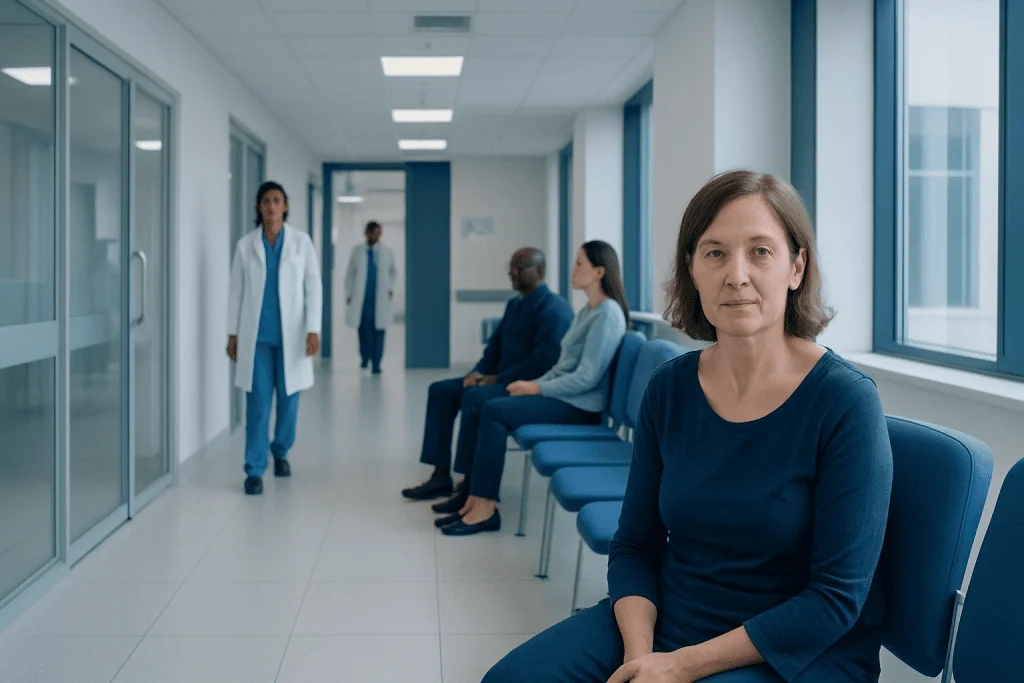
Parry-Romberg syndrome usually causes gradual tissue loss on one side of the face. The exact cause is unknown; it is not considered contagious and is not usually inherited.
Key Takeaways
- Parry-Romberg syndrome usually causes gradual tissue loss on one side of the face.
- The exact cause is unknown; it is not considered contagious and is not usually inherited.
- Symptoms may involve the skin, mouth, teeth, eye area and, less often, the nervous system.
- Imaging and specialist assessment help confirm the diagnosis and rule out similar conditions.
- Reconstructive procedures are commonly planned after facial changes have become stable.
- Prompt medical review is important for new facial changes, seizures, severe headaches or eye symptoms.
Parry-Romberg syndrome, also called progressive hemifacial atrophy, is a rare condition in which skin, fat, muscle and sometimes bone gradually lose volume on one side of the face. Its progression often slows or stops over time, and treatment focuses on monitoring active disease, managing related symptoms and restoring facial balance when appropriate.
Overview: what is Parry-Romberg syndrome?
Parry-Romberg syndrome is a rare disorder that causes gradual loss of tissue on one side of the face. The affected area may look thinner, indented or smaller because the skin, fatty tissue, muscle and, in some people, underlying bone lose volume. The condition is also known as progressive hemifacial atrophy.
It most often begins during childhood or adolescence, although it can start in adulthood. Changes commonly develop over several years and may then stabilize. The amount of facial involvement varies widely: some people have subtle changes in a limited area, while others have more extensive differences affecting the forehead, cheek, jaw, mouth or eye region.
Parry-Romberg syndrome is not contagious. It is not usually passed through families, and it is not caused by anything a person or parent did. Because visible facial changes can affect confidence and emotional wellbeing, care should address both physical symptoms and the person’s practical and psychological needs.
How facial changes and symptoms may appear
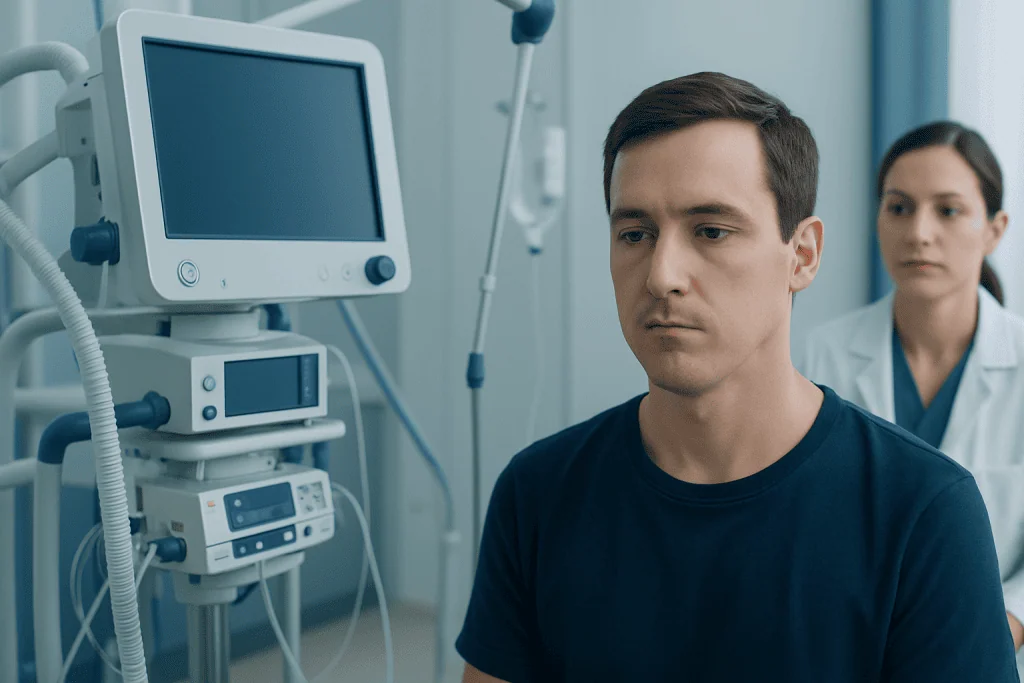
The earliest sign may be a patch of skin that looks darker, lighter, firmer or slightly sunken. Over time, one side of the face may develop noticeable hollowing, especially around the cheek, temple, jawline or under-eye area. The lips, nose and chin can appear less symmetrical when one side is affected.
In children whose facial bones are still growing, tissue loss can influence development of the jaw or other facial structures. This may contribute to a bite difference, delayed tooth eruption, dental root changes or uneven alignment of the teeth. Some people experience thinning of facial hair, eyebrow loss or a localized band of hair loss on the scalp.
Symptoms beyond facial appearance are possible but not present in everyone. These can include facial pain, headaches, changes in sensation, muscle weakness, dry eye, visual discomfort or difficulty opening and closing the mouth comfortably. A small proportion of people develop neurological symptoms such as seizures; these require prompt assessment.
- Gradual one-sided facial hollowing or shrinking
- Skin color or texture changes over the affected area
- Differences in jaw growth, bite or dental development
- Eye-area changes, including reduced cushioning around the eye
- Headaches, facial pain, numbness or, rarely, seizures
Why Parry-Romberg syndrome develops

The exact cause of Parry-Romberg syndrome remains uncertain. Researchers have considered several possible mechanisms, including an immune-related inflammatory process, changes involving small blood vessels, altered nerve regulation, prior injury and genetic susceptibility. No single explanation accounts for every case.
The condition is sometimes discussed alongside linear scleroderma “en coup de sabre,” which can cause a linear, hardened or discolored band on the forehead or scalp. The two conditions can overlap in some individuals, but they are not identical. Careful examination by clinicians experienced in skin, rheumatologic and facial conditions helps distinguish their features.
Parry-Romberg syndrome is generally sporadic, meaning it occurs without a family history. It should not be assumed to be an autoimmune disease in every person, even though immune activity may be relevant in some cases. A specialist team can assess whether there are signs of active inflammation or another related disorder that could influence treatment decisions.
Diagnosis and ongoing monitoring
Diagnosis is mainly clinical, based on the pattern and progression of facial changes, medical history and physical examination. A doctor may compare current photographs with older images to understand when changes began and whether they are still progressing. Standardized photographs and facial measurements can also be useful for tracking changes over time.
Imaging may be recommended to assess facial soft tissues, bones and structures around the eye. Magnetic resonance imaging (MRI) of the brain may be considered when a person has headaches, seizures, unusual sensory symptoms or other neurological concerns. Dental X-rays or specialist orthodontic assessment can help evaluate the teeth and jaw, particularly in children and adolescents.
There is no single blood test that confirms Parry-Romberg syndrome. Blood tests may be used to look for inflammation, autoimmune markers or other explanations for tissue changes when clinically appropriate. Assessment may involve dermatology, rheumatology, neurology, ophthalmology, dentistry or maxillofacial surgery, depending on the symptoms.
Regular follow-up is important during the active phase. Monitoring supports timely management of symptoms and helps reconstructive specialists decide when facial restoration is most likely to give a stable result.
Treatment options: managing activity and restoring facial contour
Treatment is individualized because disease activity, symptoms and facial involvement differ from person to person. When clinicians believe the condition is active and inflammation may be contributing, they may discuss medicines that modify immune activity. These medicines require specialist supervision, monitoring and a careful discussion of potential benefits and side effects.
Reconstructive treatment can improve facial contour and symmetry after changes have slowed or stabilized. Options may include fat grafting, dermal-fat grafts, tissue fillers, implants or flap-based reconstruction. The most suitable approach depends on the area involved, the amount of missing tissue, age, growth status and personal goals. Some procedures may need to be repeated because transferred fat can be partly reabsorbed and the face naturally changes over time.
Dental, orthodontic and jaw-related care can be important when the teeth or bite are affected. Eye care may be needed for dryness, incomplete eyelid closure, visual symptoms or structural changes around the eye. People with headaches, seizures or other neurological symptoms may need neurological treatment in addition to facial care.
Emotional support is also a meaningful part of treatment. Counseling, peer support and practical discussions about school, work and social situations can help people adapt to visible changes. At Acibadem International, multidisciplinary specialists and JCI-accredited hospitals can evaluate and treat Parry-Romberg syndrome for international patients.
Daily care, confidence and practical self-management
There is no proven home remedy that can stop or reverse Parry-Romberg syndrome. However, gentle skin care, regular dental visits and attention to eye comfort can support overall health. People should avoid unproven injections, supplements or invasive cosmetic procedures offered without a proper medical evaluation, especially while facial changes may still be active.
Sun protection may be helpful for areas with skin color change or sensitivity. If the eye area is involved, an ophthalmologist can advise on lubricating drops or protective measures when needed. Any new pain, skin tightening, visual symptoms or change in facial movement should be reported rather than managed independently.
Living with facial asymmetry can be challenging at any age. It may help to involve trusted family members, school staff or workplace contacts and to seek mental health support when appearance-related distress, anxiety, low mood or social withdrawal develops. These reactions are understandable and support is available.
When to seek medical care
Medical assessment is appropriate for any new or gradually worsening one-sided facial hollowing, skin changes or differences in facial growth. Early review can help rule out other causes and establish a baseline for monitoring, even when symptoms are mild.
Urgent medical attention is needed for a first seizure, sudden vision loss or major visual change, severe or unusual headache, new weakness, confusion, or rapidly worsening neurological symptoms. These symptoms are not always caused by Parry-Romberg syndrome, but they should be evaluated without delay.
People already diagnosed with the condition should contact their care team if facial changes appear to be accelerating, eye discomfort develops, dental problems affect eating or speech, or emotional wellbeing is being affected. Coordinated care can help address concerns before they become more difficult to manage.
Frequently asked questions
Is Parry-Romberg syndrome curable?
There is currently no treatment that is known to cure Parry-Romberg syndrome. In many people, the progressive phase eventually slows or stops, and treatment can address active inflammation when present, associated symptoms and facial volume loss. Long-term follow-up helps guide care as needs change.
Does Parry-Romberg syndrome get worse over time?
Facial changes often progress gradually for a period of years, but the pattern is unpredictable. Many people eventually reach a stable phase. Regular photographs, clinical examinations and specialist review can help determine whether changes are continuing.
Is Parry-Romberg syndrome hereditary?
Most cases occur sporadically, without a family history. Researchers are studying possible genetic influences, but the condition is not generally considered an inherited disorder. A doctor may recommend genetic counseling only if there are unusual features or a relevant family history.
Can Parry-Romberg syndrome affect the brain?
Most people do not develop serious neurological complications, but headaches, facial pain, sensory changes and seizures can occur in some cases. Brain imaging or neurological evaluation may be recommended when symptoms suggest nervous system involvement. New seizures or sudden neurological symptoms need urgent medical assessment.
When is reconstructive surgery considered?
Reconstructive procedures are often considered after facial tissue loss has stabilized, as this may reduce the need for repeated correction. The timing is individualized, especially for children who are still growing. A reconstructive surgeon can discuss options such as fat grafting, implants or more complex tissue reconstruction.
Can fillers be used for Parry-Romberg syndrome?
Fillers may be an option for selected areas of volume loss, particularly when changes are stable or as a temporary approach. They do not treat the underlying process, and results are not permanent. A qualified facial reconstruction or plastic surgery specialist should assess suitability and safety.
References
- National Institute of Neurological Disorders and Stroke
- National Organization for Rare Disorders
- Orphanet
- American Academy of Dermatology
- American Association of Neurological Surgeons
This article is for general information only and is not a substitute for professional medical advice. Please consult a qualified doctor about your individual situation.
Explore treatments in Turkey — costs, top hospitals & a free quote
JCI-accredited · board-certified surgeons · reply within 24h
Add us as a Preferred Source to see more of our trusted health content across Google Search, AI Overviews and Discover.