Function of the Mouth in Digestive System: A Complete Medical Overview

The mouth starts digestion before food reaches the stomach. Teeth, tongue, salivary glands and nerves work together during eating.
Key Takeaways
- The mouth starts digestion before food reaches the stomach.
- Teeth, tongue, salivary glands and nerves work together during eating.
- Chewing increases the food surface area available for digestive enzymes.
- Saliva moistens food, protects oral tissues and begins carbohydrate digestion.
- Persistent trouble chewing, swallowing, saliva production or mouth pain should be assessed by a healthcare professional.
The function of the mouth in digestive system is to receive food, break it into smaller pieces, mix it with saliva and form a soft bolus that can be swallowed safely. Digestion begins in the mouth through both mechanical chewing and the action of salivary enzymes.
Overview: How the Mouth Starts Digestion
The function of the mouth in digestive system is much more than simply allowing a person to eat. It is the first part of the digestive tract, where food is accepted, assessed by the senses, mechanically broken down and mixed with saliva. These steps make food easier and safer to swallow while preparing it for digestion in the stomach and intestines.
Digestion in the mouth involves coordinated work from the lips, teeth, jaw muscles, tongue, salivary glands, palate and nerves. The brain also has an important role: seeing, smelling or anticipating food can stimulate saliva production before eating begins. This early response helps prepare the mouth for chewing and swallowing.
Food does not need to be fully chemically digested in the mouth. Instead, the mouth creates a manageable, moist mass of food called a bolus. Once formed, the bolus is moved by the tongue toward the throat, beginning the swallowing process and allowing food to continue through the esophagus to the stomach.
The Main Structures Involved
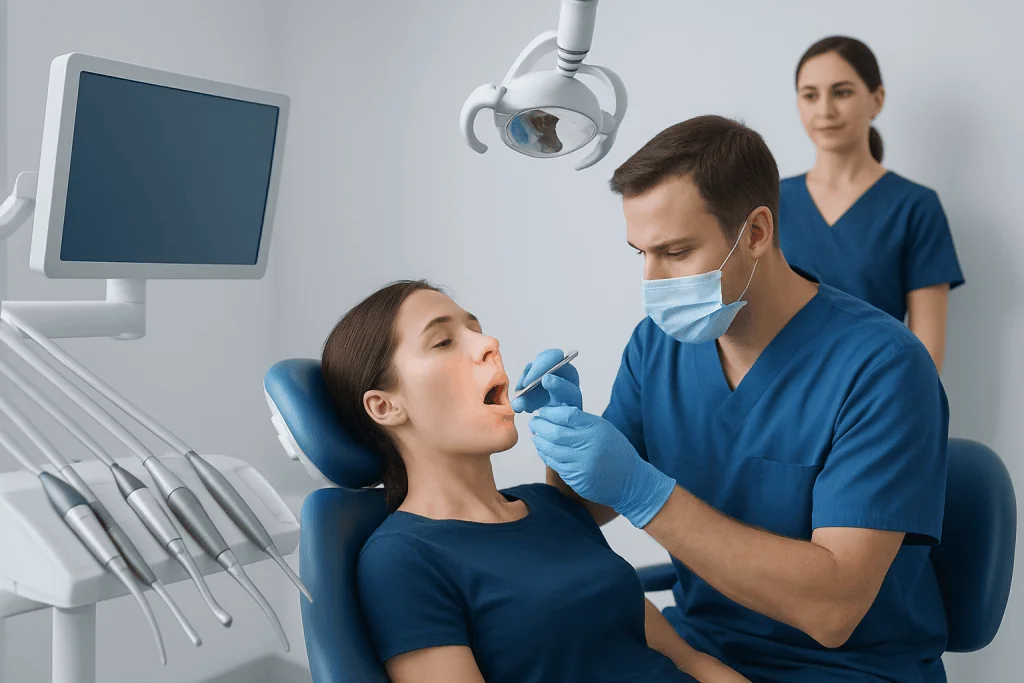
Each part of the mouth contributes to digestion in a distinct way. The lips help keep food inside the mouth, while the cheeks guide food onto the chewing surfaces of the teeth. The hard palate provides a firm surface against which the tongue can press food, and the soft palate helps direct the bolus appropriately during swallowing.
The teeth cut, tear and grind food. Incisors are suited to biting, canine teeth help tear, and premolars and molars crush and grind. The jaw muscles provide the force needed for chewing, while the jaw joint allows controlled movement in several directions. Healthy teeth and comfortable jaw movement are therefore important for efficient eating.
The tongue is a highly mobile muscle that positions food between the teeth, mixes it with saliva and gathers it into a bolus. It also carries taste receptors, which help identify flavors and may influence appetite, food choices and protective responses to spoiled or irritating foods. Sensory nerves in the mouth detect texture, temperature and pain, helping a person eat safely.
- Teeth and jaw: break food into smaller pieces.
- Tongue and cheeks: move, mix and collect food.
- Salivary glands: produce saliva for lubrication and early chemical digestion.
- Nerves and muscles: coordinate chewing, sensation and swallowing.
Chewing: Mechanical Digestion in Action

Chewing, also called mastication, is the mouth’s main form of mechanical digestion. Breaking food into smaller particles increases its surface area. This gives digestive enzymes more opportunity to work once the food reaches later parts of the digestive tract, particularly the stomach and small intestine.
Chewing also changes the texture of food. Dry, firm or fibrous foods become softer as they are crushed and combined with saliva. This improves comfort and helps reduce the risk that large pieces of food will be swallowed. Thorough chewing is especially useful for foods such as meat, raw vegetables, nuts and whole grains.
The number of times a person chews varies naturally according to the food and the individual. There is no single required number of chews. A practical goal is to eat at a calm pace and chew until food is soft enough to swallow comfortably, rather than rushing meals or swallowing large pieces.
Problems that affect teeth, gums, dentures, jaw movement or muscle control can interfere with chewing. When chewing is difficult, people may avoid nutritious foods that are harder to manage. A dental or medical assessment can help identify the cause and support appropriate treatment.
Saliva and the Beginning of Chemical Digestion
Saliva is essential to the function of the mouth in digestive system. It is produced mainly by the parotid, submandibular and sublingual salivary glands. Saliva is mostly water, but it also contains mucus, minerals, protective proteins and enzymes that support oral health and digestion.
One important salivary enzyme is amylase, which begins breaking down some starches into smaller carbohydrate molecules. This means digestion of carbohydrate-containing foods, such as bread, rice and potatoes, can begin while food is still in the mouth. Although most chemical digestion happens later in the digestive tract, this early step contributes to the overall process.
Saliva also moistens food and helps bind particles together into a bolus. Its lubricating effect makes swallowing smoother and protects the delicate lining of the mouth and throat. In addition, saliva helps rinse away food debris, buffers acids and supports tooth enamel, making it important for both digestion and dental health.
Reduced saliva production can cause dry mouth, discomfort, altered taste, difficulty wearing dentures, trouble chewing and problems swallowing dry foods. Dehydration, some medicines, medical treatments and certain health conditions can contribute. Persistent dry mouth should be discussed with a dentist or doctor because the underlying cause may need attention.
From the Mouth to the Throat: Forming and Swallowing the Bolus
After food is chewed and mixed with saliva, the tongue shapes it into a bolus. The tongue then presses the bolus against the palate and moves it toward the back of the mouth. This is the oral phase of swallowing, and it is largely under voluntary control.
Once the bolus reaches the throat, swallowing becomes more automatic. A coordinated series of muscle movements directs food into the esophagus while helping protect the airway. The soft palate closes off the nasal passage, and structures in the throat help prevent food or liquid from entering the windpipe.
Swallowing depends on precise timing between the mouth, throat, nervous system and breathing passages. Coughing occasionally when eating or drinking can happen, particularly if someone eats too quickly. However, repeated coughing, choking, a wet-sounding voice after meals or the feeling that food is sticking can indicate a swallowing problem that requires clinical evaluation.
Oral health conditions can sometimes affect this stage indirectly. For example, pain from tooth decay or gum disease may lead someone to chew less effectively, while conditions affecting nerves or muscles may reduce tongue control. Oral cancer and other mouth conditions may also affect eating or swallowing and should be assessed promptly when symptoms persist.
Why the Mouth Matters for Digestive Health and Nutrition
The mouth influences digestive health because it determines how food enters the rest of the digestive tract. Food that is chewed well and adequately moistened is generally easier to swallow and process. The mouth also helps a person recognize when food is too hot, sharp, hard or unpleasant to eat safely.
Taste and smell are part of the eating experience and can affect appetite and nutrition. Changes in taste, oral pain or reduced saliva may make meals less enjoyable and can lead to reduced food intake in some people. This may be particularly important for older adults, people with dental problems and individuals recovering from illness or medical treatment.
Good oral hygiene supports the mouth’s digestive functions. Brushing teeth with fluoride toothpaste, cleaning between teeth, maintaining regular dental care and addressing poorly fitting dentures can improve comfort during eating. Drinking water regularly may also help maintain oral moisture, unless a clinician has advised fluid restriction for another health reason.
For people with significant tooth loss, painful chewing or swallowing difficulties, care may involve dentists, gastroenterologists, speech and language therapists, dietitians or other specialists. Evaluation is individualized and may include dental treatment, nutrition advice, swallowing assessment or management of an underlying condition.
Supporting Healthy Mouth Function During Meals
Simple daily habits can support the mouth’s role in digestion. Eating slowly, taking smaller bites and chewing food thoroughly can improve comfort and give the mouth time to form a suitable bolus. Sitting upright while eating and remaining upright for a period afterward may also be helpful for people who experience swallowing concerns or reflux symptoms.
A balanced diet that includes a range of nutrient-rich foods supports general health, teeth and gums. Limiting frequent sugary snacks and drinks can reduce the risk of tooth decay, while avoiding tobacco products supports oral and overall health. Alcohol can dry the mouth and irritate oral tissues in some people, so moderation is important where alcohol is consumed.
People who have dry mouth may find that regular sips of water, sugar-free gum or sugar-free lozenges help stimulate or replace moisture, depending on their individual circumstances. They should seek professional advice before using products if they have ongoing symptoms, diabetes, swallowing difficulty or dental concerns.
Dental checkups are valuable even when there is no pain. Early treatment of cavities, gum disease, infection and denture problems may preserve chewing ability and prevent eating from becoming uncomfortable. A healthcare professional can recommend care suited to a person’s medical history and symptoms.
When to Seek Medical Care
A person should arrange a dental or medical appointment for ongoing mouth pain, tooth pain, bleeding gums, persistent dry mouth, new difficulty chewing or a change in taste that does not improve. These symptoms are common and often treatable, but an assessment can identify whether dental disease, medication effects, infection or another health issue is involved.
Prompt medical assessment is important for persistent difficulty swallowing, food regularly feeling stuck, repeated coughing or choking during meals, unexplained weight loss, a mouth sore that does not heal, a lump in the mouth or neck, or persistent hoarseness. Emergency care is appropriate if someone cannot breathe, cannot swallow saliva, has severe swelling affecting the mouth or throat, or believes food is completely stuck in the throat.
Assessment may include an oral examination, dental evaluation, review of medicines and medical history, and tests of swallowing when needed. Depending on the concern, clinicians may recommend oral and maxillofacial surgery or coordinated care with digestive, ear-nose-throat, dental and rehabilitation specialists.
Acibadem International’s multidisciplinary specialists and JCI-accredited hospitals diagnose and treat oral, dental and swallowing-related concerns for international patients. Individuals with concerning or persistent symptoms should consult a qualified healthcare professional for personal advice.
Frequently asked questions
What is the main function of the mouth in the digestive system?
The mouth begins digestion by taking in food, chewing it and mixing it with saliva. It also forms food into a moist bolus that can move safely from the mouth to the throat and esophagus.
Does digestion really begin in the mouth?
Yes. Chewing is a form of mechanical digestion, and saliva begins chemical digestion of some starches through the enzyme amylase. Most digestion and nutrient absorption still take place later in the stomach and small intestine.
Why is chewing food properly important?
Chewing breaks food into smaller pieces and mixes it with saliva, making it easier to swallow. It also increases the food surface available for digestive enzymes to act on later in the digestive tract.
What does saliva do besides keeping the mouth wet?
Saliva lubricates food, supports bolus formation and begins the digestion of certain carbohydrates. It also helps protect oral tissues, rinse food particles away and support tooth enamel.
Can dry mouth affect digestion?
Dry mouth can make chewing and swallowing more difficult, especially with dry or crumbly foods. It can also increase discomfort and raise the risk of tooth decay, so persistent symptoms should be evaluated by a healthcare professional.
Which body part moves food from the mouth toward the throat?
The tongue gathers chewed food into a bolus and pushes it toward the back of the mouth. This starts the voluntary oral phase of swallowing before more automatic throat and esophageal movements take over.
When is difficulty swallowing a medical concern?
Repeated coughing or choking during meals, food sticking, pain with swallowing, unintentional weight loss or frequent chest infections should be medically assessed. Sudden inability to breathe or swallow saliva requires urgent emergency care.
This article is for general information only and is not a substitute for professional medical advice. Please consult a qualified doctor about your individual situation.
Explore treatments in Turkey — costs, top hospitals & a free quote
JCI-accredited · board-certified surgeons · reply within 24h
Add us as a Preferred Source to see more of our trusted health content across Google Search, AI Overviews and Discover.

More from the Health Library

Hypothalamic Amenorrhea: An Evidence-Based Guide for Patients

Pine Bark: An Evidence-Based Guide for Patients

Superior Mesenteric Vein — Explained by Medical Evidence, Not Myths

Enlarged Clitoris — Explained by Medical Evidence, Not Myths

Endometrial Stripe: What Patients Need to Know