Amberen Menopause: What Is Normal, What Is Not, and When to Seek Care

Amberen is a dietary supplement, not an approved prescription treatment for menopause symptoms. Hot flashes, sleep disruption, vaginal dryness, and cycle changes are common during perimenopause and menopause.
Key Takeaways
- Amberen is a dietary supplement, not an approved prescription treatment for menopause symptoms.
- Hot flashes, sleep disruption, vaginal dryness, and cycle changes are common during perimenopause and menopause.
- Evidence for menopause supplements is often limited, and products may interact with medicines or be unsuitable for some people.
- Unexpected vaginal bleeding after menopause, very heavy bleeding, chest pain, or severe symptoms require prompt medical assessment.
- Effective evidence-based options include lifestyle approaches, hormone therapy for suitable patients, and nonhormonal prescription treatments.
Amberen is an over-the-counter dietary supplement marketed for menopause symptoms such as hot flashes, mood changes, and sleep difficulties. Menopause symptoms can be normal, but supplements should not replace medical assessment for heavy bleeding, new symptoms, or concerns about safety and effectiveness.
Amberen Menopause: What It Is and What to Expect
Amberen menopause products are dietary supplements marketed to support relief from symptoms often linked with the menopausal transition, including hot flashes, night sweats, tiredness, irritability, and sleep changes. They are usually described as nonhormonal. Like other dietary supplements, they are not evaluated in the same way as prescription medicines for safety and effectiveness before they are sold.
Menopause is a normal life stage, defined retrospectively after 12 consecutive months without a menstrual period when there is no other cause. The years leading up to it, called perimenopause, can involve changing hormone levels and irregular periods. Symptoms vary greatly: some people have mild, manageable changes, while others experience symptoms that affect sleep, work, relationships, or quality of life.
It is reasonable for a person to ask whether a supplement is likely to help. However, no supplement should be assumed to be effective or risk-free because it is available without a prescription. A clinician or pharmacist can help review the product label, current medicines, health history, and safer evidence-based alternatives.
Which Menopause Changes Are Usually Normal?
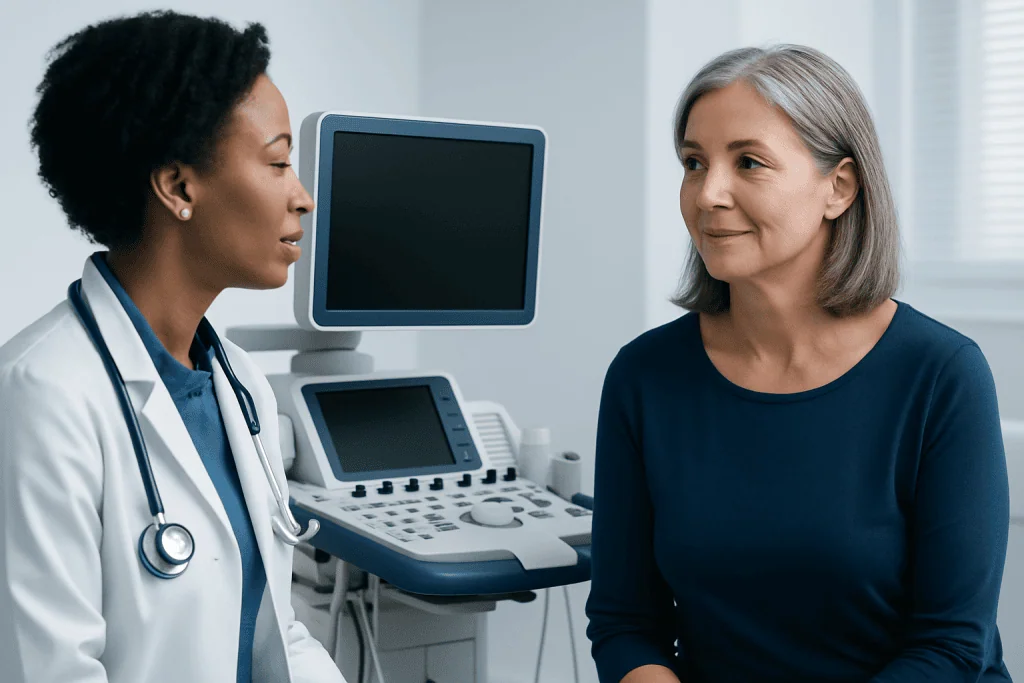
Common symptoms during perimenopause and menopause include hot flashes, night sweats, disrupted sleep, changes in mood, difficulty concentrating, joint or muscle aches, and changes in sexual desire. Vaginal dryness, discomfort during sex, urinary urgency, and recurrent urinary symptoms can also occur as estrogen levels fall. These symptoms may come and go and can change over time.
Menstrual changes are particularly common in perimenopause. Periods may become farther apart or closer together, lighter or heavier, or less predictable. Even so, not every change should automatically be attributed to menopause. Pregnancy remains possible until menopause is confirmed, and thyroid disorders, fibroids, polyps, medication effects, and other conditions can also affect bleeding and wellbeing.
Keeping a brief symptom and cycle record can be useful. It may include the timing of periods, hot flashes, sleep, mood, bleeding amount, medicines, supplements, and possible triggers such as alcohol, warm rooms, stress, or spicy foods. This information can make a medical consultation more focused and productive.
What Is Known About Amberen and Other Supplements?

Some people report symptom improvement while using Amberen or similar products, but individual experience does not establish that a product works for everyone. Research on dietary supplements for menopause is often limited by small study sizes, short follow-up, differences between formulations, or manufacturer involvement. The quality and amount of active ingredients may also differ between products and batches.
Supplements can contain vitamins, minerals, amino acids, plant-derived ingredients, or proprietary blends. “Natural” does not necessarily mean safe for every person. Ingredients may cause side effects, affect laboratory tests, or interact with prescription medicines, including blood thinners, diabetes medicines, thyroid medicines, and treatments used for mental health conditions.
Before starting Amberen or any menopause supplement, it is sensible to discuss it with a healthcare professional, especially for people with liver or kidney disease, a history of hormone-sensitive cancer, unexplained vaginal bleeding, a seizure disorder, or multiple medicines. The full ingredient list should be checked rather than relying on marketing claims alone.
A supplement should not delay evaluation of potentially important symptoms. For persistent or troubling menopausal concerns, a clinician can discuss individualized menopause treatment options based on symptoms, age, medical history, and personal preferences.
How Menopause Symptoms Are Assessed
Menopause is usually diagnosed from age, menstrual history, and symptoms. For many people over age 45 with typical symptoms and changing periods, hormone blood tests are not routinely needed. Hormone levels fluctuate during perimenopause, so one test may not provide a clear answer.
A clinician may recommend tests when symptoms begin earlier than expected, periods stop suddenly, pregnancy is possible, or another condition is suspected. Depending on the situation, assessment may include a pregnancy test, thyroid testing, blood count, iron studies, or other investigations. Pelvic examination, ultrasound, or sampling of the uterine lining may be needed when bleeding is unusual.
Evaluation should also consider overall health. Sleep disorders, depression, anxiety, thyroid disease, anemia, medication side effects, and infections can resemble or worsen menopausal symptoms. Vaginal or urinary symptoms deserve attention because targeted treatment may help substantially and other causes may need to be excluded.
Evidence-Based Options for Symptom Relief
For some patients, menopausal hormone therapy is the most effective treatment for bothersome hot flashes and night sweats. It is not appropriate for everyone, and the balance of benefits and risks depends on factors such as age, time since menopause, personal and family history, prior blood clots, cardiovascular disease, liver disease, and certain cancers. A qualified clinician can explain whether hormone replacement therapy may be appropriate.
Nonhormonal prescription options can also reduce vasomotor symptoms, particularly when hormone therapy is not suitable or is not preferred. The best choice depends on symptoms, other health conditions, and concurrent medicines. Local vaginal estrogen or other local therapies may be considered for vaginal and urinary symptoms; these are different from systemic treatments used for hot flashes.
Practical measures can complement medical treatment. Wearing light layers, using a fan or cooling bedding, keeping a regular sleep schedule, limiting personal hot-flash triggers, moving regularly, and avoiding smoking may help some people. Lubricants and vaginal moisturizers can ease dryness and discomfort. These approaches may not remove all symptoms, but they can support comfort and general health.
For persistent low mood, anxiety, or sleep difficulty, support may include counseling, cognitive behavioral strategies, treatment of an underlying sleep problem, or medication when clinically indicated. Care should be individualized rather than based only on a supplement’s advertised symptom list.
When to Seek Medical Care
Medical care is recommended when menopause symptoms are interfering with daily life, sleep, sexual wellbeing, or emotional health. A consultation is also appropriate before using a new supplement if a person takes regular medication, has a chronic condition, or is unsure whether symptoms are related to menopause.
Prompt assessment is important for bleeding after menopause, meaning any vaginal bleeding after 12 months without periods. It is also important to seek care for very heavy bleeding, bleeding between periods, periods that become markedly more frequent, pelvic pain, unexplained weight loss, or new abdominal swelling. These symptoms often have treatable causes, but they should not be self-managed as menopause alone.
Urgent care is needed for chest pain, sudden shortness of breath, fainting, weakness on one side of the body, severe headache, or thoughts of self-harm. These symptoms are not typical menopause symptoms and need timely evaluation. Acibadem International’s multidisciplinary specialists and JCI-accredited hospitals support international patients with assessment and treatment for menopause-related concerns and other gynecologic conditions.
Using Supplements More Safely
Anyone considering Amberen should use the product only as directed on the label and avoid combining several menopause products without professional advice. Taking multiple supplements can increase the risk of duplicate ingredients or interactions. It is helpful to bring bottles, photos of labels, or a complete ingredient list to an appointment.
A person should stop a supplement and seek advice if they develop a rash, swelling, breathing difficulty, severe stomach symptoms, palpitations, dizziness, or other concerning new symptoms. Any possible side effect can be reported to a pharmacist, clinician, or the relevant medicine-safety authority in the person’s country.
Choosing care based on symptoms and health history is usually more useful than searching for one product that works for everyone. A clinician can help set realistic expectations, review possible causes of symptoms, and create a plan that can be adjusted as needs change.
Frequently asked questions
Does Amberen work for menopause symptoms?
Some users may feel that it helps, but the overall evidence for dietary supplements used for menopause is limited compared with established medical treatments. Results can vary, and a supplement should not replace assessment of new, severe, or persistent symptoms. A clinician or pharmacist can help review whether it is suitable in an individual situation.
Is Amberen a hormone therapy?
Amberen is marketed as a nonhormonal dietary supplement, not as prescription menopausal hormone therapy. Hormone therapy contains regulated hormone formulations prescribed for selected patients. The safety considerations, evidence base, and medical supervision are therefore different.
Can a person take Amberen with prescription medicines?
Potential interactions depend on the supplement’s ingredients and the medicines being taken. People who use regular medicines, especially blood thinners, thyroid medicines, diabetes treatments, or medicines for mood conditions, should ask a clinician or pharmacist before starting it. It is important to share the complete product label.
Are irregular periods normal during perimenopause?
Irregular periods are common during perimenopause because ovarian hormone production becomes less predictable. However, very heavy bleeding, bleeding between periods, severe pain, or a major change in an established pattern should be assessed. Pregnancy and other gynecologic or medical causes may also need consideration.
What bleeding is not normal after menopause?
Any vaginal bleeding after 12 consecutive months without a period should be evaluated by a healthcare professional. This includes spotting, pink or brown discharge, or a bleeding episode that seems minor. Many causes are benign, but assessment is important to identify the cause.
What are the most effective treatments for hot flashes?
Menopausal hormone therapy is the most effective treatment for hot flashes for many suitable patients. Nonhormonal prescription medicines and lifestyle measures can also help, especially for people who cannot or prefer not to use hormones. A clinician can recommend an option based on medical history and symptom severity.
References
- North American Menopause Society
- American College of Obstetricians and Gynecologists
- U.S. Food and Drug Administration
- National Institute on Aging
- National Center for Complementary and Integrative Health
This article is for general information only and is not a substitute for professional medical advice. Please consult a qualified doctor about your individual situation.
Explore treatments in Turkey — costs, top hospitals & a free quote
JCI-accredited · board-certified surgeons · reply within 24h
Add us as a Preferred Source to see more of our trusted health content across Google Search, AI Overviews and Discover.

More from the Health Library



Related Specialists

Fzt. Gizem Aydın
Physical Medicine & Rehabilitation
Fzt. Fatmanur Yıldırım
Physical Medicine & Rehabilitation
Prof. Dr. Muzaffer Olcay Çizmeli
Radiology
Assoc. Prof. Dr. Murat Yassa
Gynecology & Obstetrics