Dilution Urine: What Patients Need to Know

Dilute urine is commonly caused by drinking a large amount of fluid before urinating or providing a urine sample. Urine color alone cannot diagnose dilution; laboratory measures such as specific gravity and osmolality are more informative.
Key Takeaways
- Dilute urine is commonly caused by drinking a large amount of fluid before urinating or providing a urine sample.
- Urine color alone cannot diagnose dilution; laboratory measures such as specific gravity and osmolality are more informative.
- Persistent dilute urine with excessive thirst or frequent large-volume urination should be discussed with a clinician.
- Some medicines, kidney conditions, and hormone-related disorders can affect the kidneys' ability to concentrate urine.
- Patients should not deliberately restrict fluids unless a healthcare professional has advised this.
Dilution urine refers to urine that is less concentrated than usual because it contains a relatively high amount of water. It is often temporary and related to fluid intake, but persistent dilute urine may warrant assessment for kidney, hormonal, or medication-related causes.
What Does Dilution Urine Mean?
Dilution urine means the urine has a lower concentration of dissolved substances, such as salts and waste products, because it contains more water. It is often described as dilute urine. In many situations, this simply reflects recent fluid intake and is not a sign of illness.
The kidneys continually adjust how much water leaves the body in urine. After drinking several glasses of water, the kidneys usually produce larger amounts of pale, dilute urine. When the body needs to conserve water, urine becomes more concentrated and often appears darker yellow.
A urine sample may be reported as dilute when a laboratory test shows low urine specific gravity or low urine osmolality. These results need to be interpreted alongside symptoms, timing of fluid intake, medicines, medical history, and, when needed, blood test results. A single dilute sample does not by itself establish a diagnosis.
How Dilute Urine Is Identified
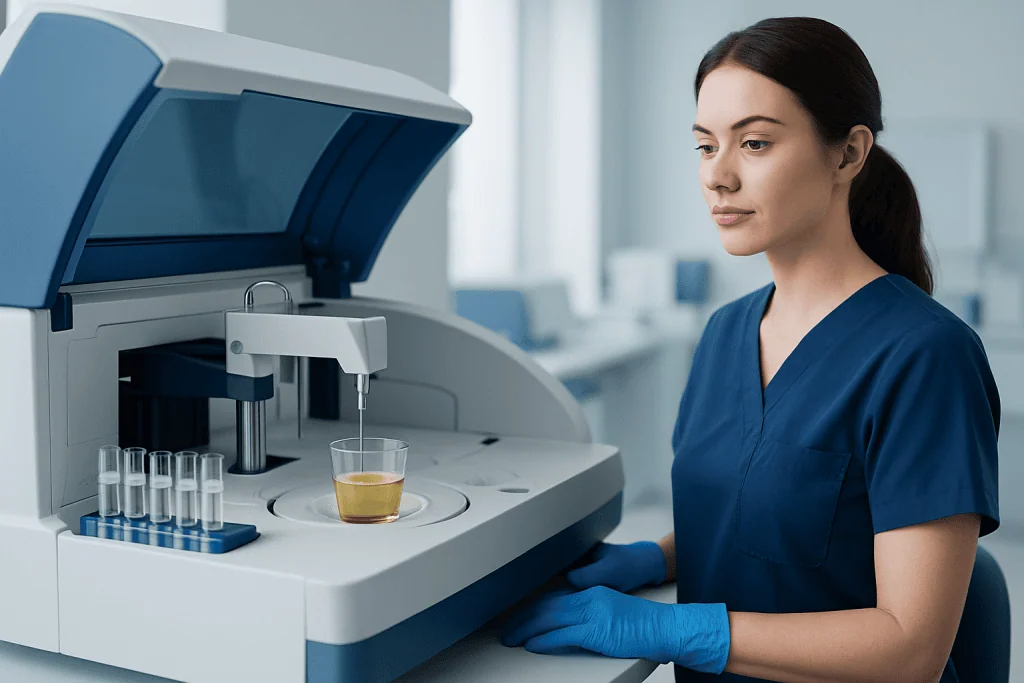
Urine color can offer a rough clue about hydration, but it is not a reliable diagnostic tool. Clear or very pale yellow urine can occur after drinking water, coffee, tea, or other fluids. Vitamins, foods, medications, and the time of day can also change urine color.
Laboratories commonly assess dilution using urine specific gravity, which compares the density of urine with water. A lower result generally indicates more dilute urine. Urine osmolality is another test that measures the concentration of particles in urine more directly and may be used when clinicians need a clearer picture of water balance.
For certain urine testing purposes, an overly dilute specimen can make some findings harder to interpret. A clinician or laboratory may ask for another sample, sometimes a first-morning specimen, because urine is often more concentrated after overnight sleep. Patients should follow the testing instructions provided and should not change their usual fluid intake unless asked to do so.
Common Reasons for Dilution Urine

The most common reason for dilution urine is drinking more fluid than the body immediately needs. This can happen after exercise, during warm weather, before a medical appointment, or when someone is trying to stay well hydrated. Alcohol and beverages containing caffeine may also increase urine output in some people.
Pregnancy, anxiety, habitual frequent drinking, and some dietary patterns can lead people to drink more fluids. In addition, medicines that increase urine production, often called diuretics or water tablets, can make urine more dilute. A clinician should review all prescribed medicines, over-the-counter products, and supplements when evaluating ongoing symptoms.
Less commonly, dilute urine can occur when the kidneys do not respond normally to the hormone that helps regulate water balance, or when the body does not make enough of that hormone. Conditions affecting kidney function, high blood calcium, low potassium, and certain endocrine disorders can also reduce the kidneys’ ability to concentrate urine. These causes are not diagnosed from urine appearance alone and require medical assessment.
Frequent urination may also occur in conditions that increase blood glucose, including diabetes. However, frequent urination has many possible causes, and it is important not to assume that dilute urine automatically means diabetes or another specific condition.
Symptoms That May Accompany Dilute Urine
Many people with a one-time dilute urine result have no symptoms and feel well. Their urine may be pale or clear, and they may urinate more often for a short period after drinking extra fluids. This usually settles as fluid intake returns to the person’s normal pattern.
When dilution urine is persistent, some people notice increased thirst, waking at night to urinate, passing unusually large volumes of urine, dry mouth, tiredness, or difficulty maintaining normal hydration. These symptoms can also be caused by many common and treatable conditions, so a healthcare professional may use them as starting points for further assessment.
Symptoms of dehydration can occasionally coexist with frequent urination if the body is losing more water than it can replace. These may include dizziness, weakness, headache, or reduced ability to concentrate. Severe confusion, fainting, or inability to keep fluids down requires urgent medical attention.
It is especially important to seek advice for new or persistent urinary symptoms in children, older adults, people who are pregnant, and people with known kidney, heart, or endocrine conditions. Their fluid needs may differ from those of otherwise healthy adults.
How Clinicians Evaluate Persistent Dilute Urine
A clinician will usually begin by asking about fluid intake, thirst, how often the person urinates, the approximate volume of urine, recent illness, exercise, and use of medicines. They may also ask whether symptoms began suddenly or gradually and whether there is a family or personal history of kidney, metabolic, or hormonal conditions.
Testing may include a repeat urinalysis, urine specific gravity, urine osmolality, blood glucose, electrolyte levels, kidney function tests, and blood osmolality. The choice of tests depends on the individual situation. In some cases, clinicians may ask a patient to record fluid intake and urine output over a defined period.
If a water-balance disorder is suspected, evaluation should be carefully supervised. Patients should not attempt water deprivation tests or major fluid restriction at home. These investigations can affect sodium and hydration levels and need professional monitoring to be safe and useful.
Imaging or specialist referral is not necessary for every person with dilute urine. It may be considered when symptoms, blood results, or repeated urine tests suggest an underlying kidney, urinary tract, or endocrine issue. Kidney disease assessment and treatment can involve coordinated evaluation by appropriate specialists when kidney-related concerns are identified.
Management and Everyday Self-Care
Management depends on the reason for dilute urine. If it is caused by temporary high fluid intake and there are no concerning symptoms, no treatment may be needed. A balanced approach to hydration is generally best: drinking in response to thirst, increasing fluids appropriately during heat or physical activity, and avoiding pressure to drink excessive amounts of water.
People taking diuretics or other medicines should not stop, start, or adjust them on their own. A prescribing clinician can review whether a medicine may be contributing to urinary changes and determine whether any adjustment is appropriate.
For some medical conditions, treatment focuses on correcting the underlying cause, such as managing blood glucose, addressing electrolyte imbalances, treating kidney disease, or managing a hormone-related disorder. If urinary frequency is related to a bladder or urinary condition, an individualized plan may include lifestyle measures, medication, or other care. Urology evaluation and treatment may be appropriate when urinary symptoms are ongoing or disruptive.
For a planned urine test, patients should ask whether there are specific instructions about fluids, fasting, or collecting a first-morning sample. Following the laboratory’s guidance helps produce a result that is easier to interpret and reduces the likelihood that testing will need to be repeated.
When to Seek Medical Care
It is reasonable to arrange a medical appointment if urine remains consistently very pale and large in volume, especially when this is accompanied by persistent thirst, frequent urination, waking repeatedly at night to urinate, unexplained fatigue, or unintentional weight change. A clinician can determine whether simple hydration habits or another cause is involved.
Prompt medical advice is important for symptoms such as confusion, severe weakness, fainting, severe headache, vomiting that prevents fluid intake, or signs of significant dehydration. People with diabetes, kidney disease, heart failure, or a known hormonal disorder should contact their healthcare team if their usual urination or thirst pattern changes noticeably.
Blood in the urine, pain or burning when urinating, fever, flank pain, or new swelling are not typical features of simple urine dilution and should be assessed. These symptoms may point to a separate urinary or kidney concern.
Acibadem International’s multidisciplinary specialists and JCI-accredited hospitals assess kidney, urinary, metabolic, and hormone-related concerns for international patients. A healthcare professional can help interpret urine test results in the context of the individual’s overall health rather than relying on a single result.
Frequently asked questions
Is clear urine always a sign of good hydration?
Not necessarily. Clear urine often follows high fluid intake and may be normal, but consistently clear urine with excessive thirst or frequent large-volume urination can merit medical review. Hydration needs vary with activity, weather, health conditions, and medicines.
What is a normal urine specific gravity?
Reference ranges can vary slightly between laboratories and depend on the testing method. A clinician interprets the result together with fluid intake, symptoms, urine osmolality when available, and blood tests. One low value may simply reflect drinking fluids before the sample was collected.
Can drinking too much water cause dilute urine?
Yes. Drinking a large amount of water in a short time can temporarily make urine very dilute. In rare circumstances, excessive water intake can disturb blood sodium levels, so people should avoid forcing fluids beyond thirst or medical advice.
Can diabetes cause dilute urine?
Diabetes can cause frequent urination and thirst when blood glucose is elevated, but urine concentration can vary. A urine sample alone cannot diagnose diabetes. Blood glucose testing and clinical assessment are needed.
Should a person reduce fluids before a urine test?
People should follow the instructions from their clinician or laboratory. Unless specific preparation is requested, it is generally best to maintain usual drinking habits rather than intentionally restricting fluids or overdrinking. A first-morning sample may be requested for some tests.
When is dilute urine a concern in children?
Children should be assessed if they have persistent excessive thirst, unusually frequent or large-volume urination, new bedwetting, poor growth, weight loss, tiredness, or signs of dehydration. A pediatric clinician can evaluate hydration, blood glucose, kidney function, and other possible causes.
This article is for general information only and is not a substitute for professional medical advice. Please consult a qualified doctor about your individual situation.
Explore treatments in Turkey — costs, top hospitals & a free quote
JCI-accredited · board-certified surgeons · reply within 24h
Add us as a Preferred Source to see more of our trusted health content across Google Search, AI Overviews and Discover.

More from the Health Library

Norovirus — Explained by Medical Evidence, Not Myths

Tenotomy — Explained by Medical Evidence, Not Myths

Bake Potato How: A Complete Medical Overview

Hell’s itch: Symptoms, Causes, and Treatment — Complete Patient Guide

Hallucinations — Explained by Medical Evidence, Not Myths