

Vaccine Shedding: An Evidence-Based Guide for Patients

Non-live vaccines, including mRNA, protein-based, inactivated and toxoid vaccines, cannot cause vaccine shedding. Some live attenuated vaccines can replicate briefly and may rarely shed a weakened vaccine virus.
Key Takeaways
- Non-live vaccines, including mRNA, protein-based, inactivated and toxoid vaccines, cannot cause vaccine shedding.
- Some live attenuated vaccines can replicate briefly and may rarely shed a weakened vaccine virus.
- Documented transmission from a vaccinated person is exceptionally uncommon and depends on the vaccine type.
- Most household contact, including contact with pregnant people and babies, is safe after routine vaccination.
- People with severe immune suppression should ask their specialist about precautions around certain live vaccines.
Vaccine shedding describes the release of vaccine-derived material from a vaccinated person. It is not a concern with non-live vaccines, while a small number of live attenuated vaccines may rarely release a weakened vaccine virus under specific circumstances.
What vaccine shedding means
Vaccine shedding refers to the release of vaccine-related material from a person after vaccination. The term is most relevant to certain live attenuated vaccines, which use a living virus or bacterium that has been weakened so it can train the immune system without causing the usual illness in healthy people.
For the large majority of routinely used vaccines, shedding does not occur. Non-live vaccines do not contain organisms that can reproduce in the body. This includes mRNA vaccines, such as many COVID-19 vaccines; protein-subunit vaccines; inactivated or killed vaccines; toxoid vaccines; and most viral-vector vaccines. These products cannot spread from a vaccinated person to family members, colleagues, sexual partners, or the wider community.
Even when shedding is possible after a live attenuated vaccine, it does not automatically mean infection or disease is passed to someone else. In most settings, the amount released is limited, the organism is weakened, and person-to-person transmission is either not documented or is extremely rare. Vaccine advice should therefore be based on the specific product and the health of close contacts rather than on general claims about shedding.
Which vaccines can and cannot shed
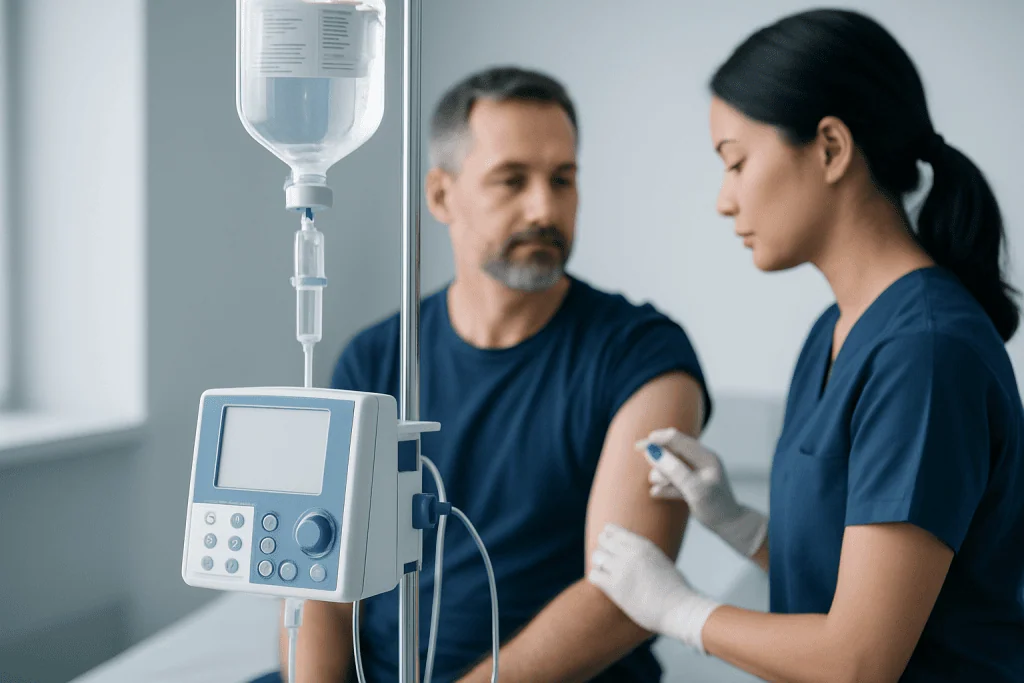
Whether shedding is possible depends on how a vaccine is made. A vaccine that does not contain a live replicating organism cannot be shed. After receiving an mRNA vaccine, for example, the body uses temporary genetic instructions to make an antigen and build an immune response. The mRNA does not reproduce, does not alter a person’s DNA, and is broken down by the body. It cannot be passed to another person through touch, breathing, sex, breast milk, sweat, or everyday contact.
Live attenuated vaccines contain weakened organisms that can replicate to a limited extent. Examples may include some nasal influenza vaccines, oral rotavirus vaccines for infants, varicella (chickenpox) vaccine, measles-mumps-rubella vaccine, oral typhoid vaccine, and certain vaccines used in particular countries or travel settings. The possibility and route of shedding vary substantially between these vaccines.
The oral polio vaccine is an important historical and global-health example because vaccine virus can be excreted in stool after vaccination. In rare situations, it can circulate where population immunity and sanitation are inadequate. Many countries instead use inactivated polio vaccine, which cannot shed. National immunization programs select vaccines by considering local disease risks, public-health needs, and safety.
- Cannot shed: mRNA, protein-based, inactivated, toxoid, and non-replicating vaccine products.
- May rarely shed: selected live attenuated vaccines, depending on the vaccine and route of administration.
- Requires individualized advice: use of live vaccines around a person with severe immune suppression.
What the evidence says about risk to other people

Evidence from vaccine safety monitoring and clinical use shows that transmission of a vaccine-strain organism from one person to another is very unusual. When it has been documented, it has generally involved particular live vaccines and specific exposure routes. For example, rotavirus vaccine virus can sometimes be found in an infant’s stool after oral vaccination. Careful handwashing after diaper changes is a sensible routine precaution, especially if someone in the household has significant immune suppression.
After varicella vaccination, a small number of people develop a rash. If a vaccine-related rash occurs, there is a very small theoretical or documented risk of passing the weakened virus through direct contact with the rash. Clinicians may advise covering the rash and avoiding close contact with people who are severely immunocompromised until it has resolved. This is different from avoiding all contact with a vaccinated person.
Claims that people can be harmed by merely being near someone who received a non-live vaccine are not supported by scientific evidence. Typical post-vaccination effects, such as a sore arm, tiredness, fever, or headache, reflect the vaccinated person’s immune response. They are not signs that the vaccine is leaving the body or affecting others.
Pregnancy, breastfeeding and household contact
Most vaccinated people can safely spend time with pregnant people, babies, older adults, and people with common long-term conditions. Vaccination in household members can be particularly valuable because it lowers the chance that they will bring preventable infections home. Non-live vaccines do not pose a shedding risk during close contact.
Pregnancy and breastfeeding questions should be considered vaccine by vaccine. Many routine vaccines are recommended during pregnancy or can be used while breastfeeding, while certain live vaccines are generally avoided during pregnancy. This guidance concerns the person receiving the vaccine, rather than an effect from contact with a vaccinated family member.
Breastfeeding may transfer protective antibodies from a vaccinated parent to an infant, which is a normal and beneficial immune process. This is not vaccine shedding. In contrast, if an infant receives an oral live vaccine, parents and caregivers should follow any hygiene advice provided by the child’s healthcare team, including thorough handwashing after handling diapers.
Anyone who is pregnant, breastfeeding, planning pregnancy, or caring for a medically vulnerable person can discuss the recommended vaccination schedule with a qualified clinician. Advice can be tailored to the vaccine, the individual’s medical history, and local public-health recommendations.
People with weakened immune systems
People with weakened immune systems may need extra planning around live vaccines. This group can include people receiving intensive chemotherapy, high-dose immune-suppressing medicines, treatment after an organ or stem-cell transplant, or therapy for certain immune disorders. The level of immune suppression varies widely, so decisions should be made with the treating specialist.
In many cases, household contacts are still encouraged to receive recommended vaccines because their protection helps reduce exposure to infections. A clinician may give specific guidance for uncommon situations, such as direct contact with an infant after oral rotavirus vaccination or contact with a person who develops a rash after varicella vaccination.
Immune suppression should not be assumed based on age alone or on common conditions such as controlled diabetes, asthma, or high blood pressure. People who take immune-modifying medication or have been told their immune system is severely weakened should ask their healthcare team which vaccines they can receive and whether any household precautions are appropriate.
Practical steps after vaccination
After most vaccinations, no special separation, cleansing routine, or restrictions on social contact are needed. Usual healthy habits are enough: rest if needed, drink fluids, and use clinician-approved measures for minor expected side effects. A person can generally return to normal family life, work, school, and travel plans unless their healthcare professional gives different advice.
For live vaccines, the vaccination provider may offer vaccine-specific instructions. These can include handwashing after diaper changes following an infant’s oral rotavirus vaccine, or covering a rash that develops after varicella vaccination. Such recommendations are targeted precautions, not evidence that routine contact is dangerous.
People should seek vaccine information from public-health authorities, healthcare professionals, and the product information provided by the vaccination service. Online content may use the word “shedding” broadly or inaccurately, so it is helpful to ask which vaccine is being discussed, whether it is live or non-live, and what evidence supports the claim.
When to seek medical care
Most vaccine reactions are mild and temporary. A sore arm, low-grade fever, tiredness, muscle aches, or a brief feeling of being unwell can occur as the immune system responds. A healthcare professional can advise on symptoms that last longer than expected, worsen, or cause concern.
Urgent medical care is appropriate for signs of a severe allergic reaction after vaccination, such as trouble breathing, swelling of the face or throat, widespread hives, severe dizziness, or fainting. Emergency symptoms should be assessed promptly according to local emergency procedures.
People with severe immune suppression should contact their specialist if they have had close exposure to a vaccine-related rash, have questions about an infant’s live oral vaccine, or are unsure whether a planned vaccine is suitable. Acibadem International’s multidisciplinary specialists and JCI-accredited hospitals can assess vaccination questions and related health needs for international patients.
Frequently asked questions
Can COVID-19 vaccines shed to other people?
No. COVID-19 vaccines that use mRNA, protein components, or non-replicating viral vectors cannot replicate in the body and cannot be shed to others. Normal close contact after vaccination is safe.
Can a vaccinated person make someone else sick?
Non-live vaccines cannot spread from one person to another. A few live attenuated vaccines can rarely release a weakened vaccine organism, but transmission is uncommon and depends on the specific vaccine and type of exposure.
Is it safe to be around a person after they are vaccinated?
Yes, in nearly all circumstances. There is no need to isolate from someone after a routine non-live vaccine, and routine contact is also safe after most live vaccines. Rare exceptions may be discussed when a close contact has severe immune suppression.
Can vaccine shedding affect pregnancy?
There is no evidence that contact with someone who received a non-live vaccine affects pregnancy through shedding. Pregnant people should discuss their own vaccination needs with their obstetric clinician, as recommendations differ by vaccine type.
Do vaccine ingredients leave the body through sweat, saliva, or breast milk?
Vaccines do not cause harmful vaccine ingredients to be released through sweat or ordinary contact. Some vaccine components are processed and cleared by the body, while the immune system retains its learned protection. Breast milk may contain protective antibodies after maternal vaccination, which is not shedding.
What should caregivers do after an infant receives oral rotavirus vaccine?
Caregivers should wash their hands carefully after diaper changes, because vaccine virus can be present in stool for a period after vaccination. This is especially important when someone in the home has severe immune suppression. The child’s vaccination provider can offer individual guidance if needed.
This article is for general information only and is not a substitute for professional medical advice. Please consult a qualified doctor about your individual situation.
Explore treatments in Turkey — costs, top hospitals & a free quote
JCI-accredited · board-certified surgeons · reply within 24h
Add us as a Preferred Source to see more of our trusted health content across Google Search, AI Overviews and Discover.

More from the Health Library
Spina Bifida: An Evidence-Based Guide for Patients
Glucose Random: What Patients Need to Know
Nipp Les: What Patients Need to Know

Pink Mold — Explained by Medical Evidence, Not Myths
Ligament: An Evidence-Based Guide for Patients
Functional Fixedness — Explained by Medical Evidence, Not Myths
Infectious Diseases & Clinical Microbiology Specialists at Acibadem
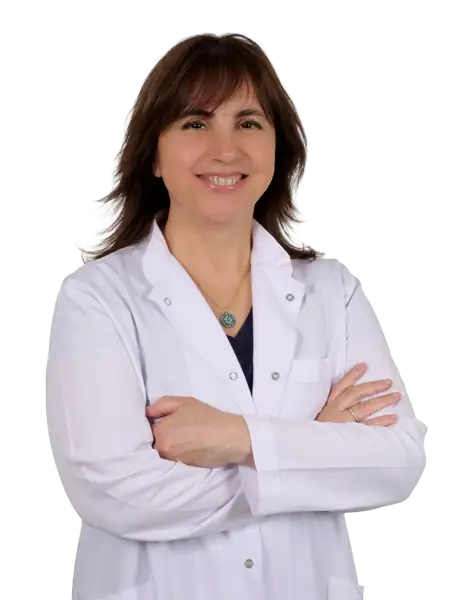
Prof. Dr. Cihadiye Elif Öztürk
Infectious Diseases & Clinical Microbiology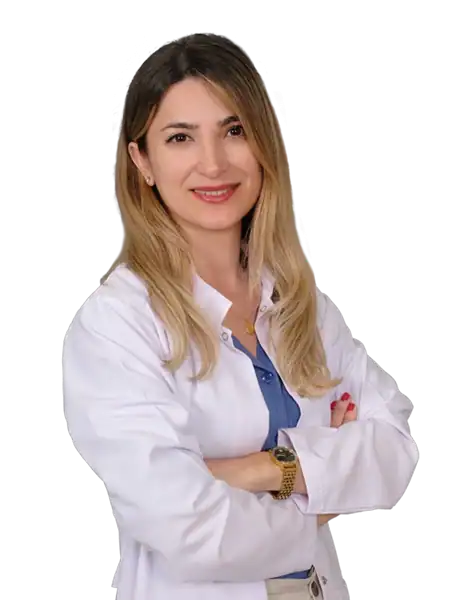
Dr. Dilara Akman
Infectious Diseases & Clinical Microbiology
Dr. Ersen Hürmüzlü
Infectious Diseases & Clinical Microbiology
Dr. Fatma Erbay Apaydın
Infectious Diseases & Clinical Microbiology