Does Shingles Make You Tired? A Doctor-Reviewed Answer

Fatigue is a common but nonspecific symptom during an active shingles episode. Pain, inflammation, fever, stress and poor sleep can all contribute to low energy.
Key Takeaways
- Fatigue is a common but nonspecific symptom during an active shingles episode.
- Pain, inflammation, fever, stress and poor sleep can all contribute to low energy.
- Antiviral treatment works best when started promptly, ideally within 72 hours of rash onset.
- Shingles involving the eye, face, ear or widespread rash requires urgent medical review.
- Ongoing exhaustion may have another cause and should not automatically be attributed to shingles.
Yes, shingles can make a person feel tired, weak or less able to manage usual activities. This is often a temporary part of the body’s response to the infection, pain and disrupted sleep, but severe, persistent or worsening fatigue should be medically assessed.
Does shingles make you tired?
Yes. Shingles can make a person feel tired, low in energy or generally unwell, especially in the first days and weeks of the illness. For many people, this tiredness is a harmless and temporary part of recovery. It may happen before the rash appears, alongside pain and fever, or while the skin is healing.
Shingles is caused by reactivation of the varicella-zoster virus, the virus that causes chickenpox. The immune system responds to this reactivation, and that response can contribute to fatigue. The discomfort of shingles can also interfere with sleep, appetite, mood and normal routines, all of which may leave a person feeling more exhausted.
However, fatigue is common in many illnesses and life situations. A clinician should review severe fatigue, fatigue that continues after the rash has healed, or tiredness accompanied by concerning symptoms such as confusion, shortness of breath, chest pain, dehydration or new weakness.
Why shingles can reduce energy
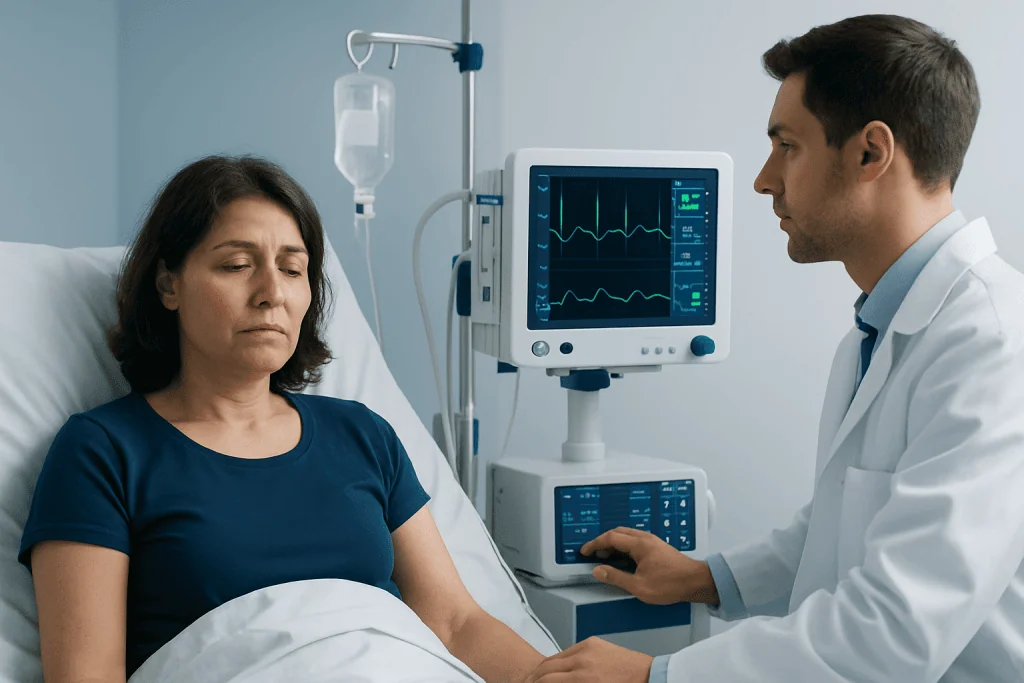
During shingles, the body is dealing with a viral reactivation and inflammation affecting the skin and nerves. Even when the rash is limited to one area, this process can produce a flu-like feeling, including tiredness, headache, reduced appetite or a mild fever. Energy needs may increase while the body heals.
Nerve pain is another important reason people feel worn down. Shingles often causes burning, stabbing, tingling or sensitivity to touch before and during the rash. Persistent pain can make it difficult to fall asleep or stay asleep. Several nights of disrupted sleep can noticeably affect concentration, emotional wellbeing and daytime energy.
Some people also become fatigued because they are understandably less active while they are uncomfortable. Anxiety about the rash, concerns about passing the virus to vulnerable people and time away from normal responsibilities may add to the sense of exhaustion. Rest is useful, but gentle movement and a regular daily routine, as tolerated, can support recovery.
Other shingles symptoms that may occur
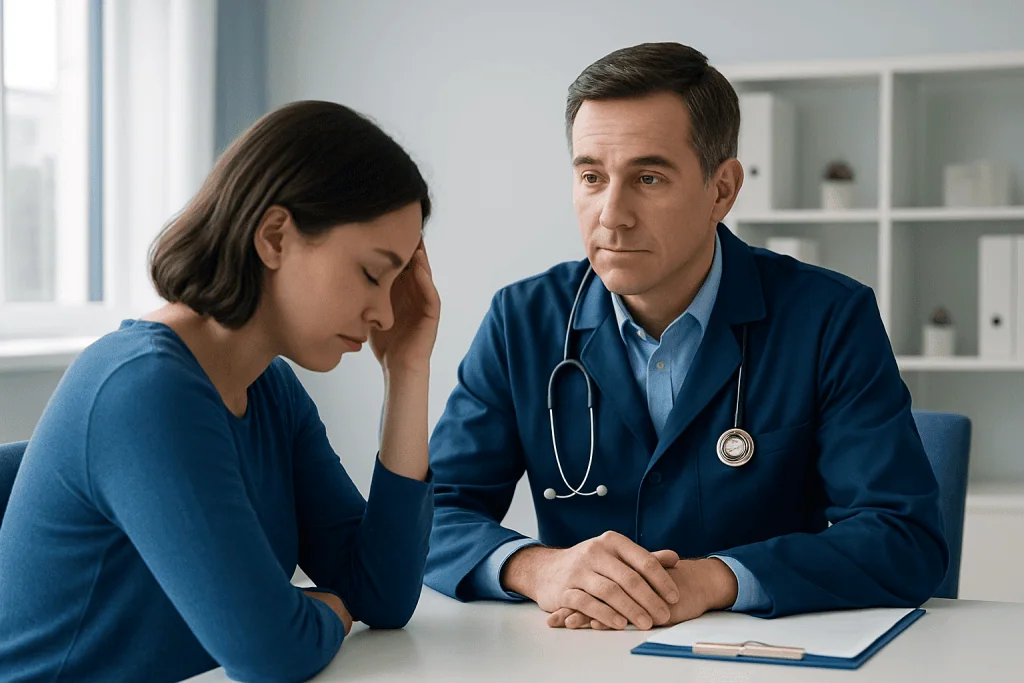
Shingles usually causes a painful rash on one side of the body or face. It often appears as clusters of fluid-filled blisters in a band-like pattern, most commonly on the chest, back or abdomen. The blisters generally crust over and heal within a few weeks, although the timing varies from person to person.
Before the rash, a person may notice localized tingling, itching, burning, numbness or pain. General symptoms can include fatigue, headache, chills, a mild fever and sensitivity to light. Not everyone experiences every symptom, and some people have relatively mild skin changes but significant nerve pain.
After the rash resolves, some individuals continue to have pain in the affected area. This complication is called postherpetic neuralgia, and it is more likely with increasing age and more severe initial pain or rash. Ongoing pain may continue to disturb sleep and contribute to tiredness, but effective pain-management options are available.
Who may feel more unwell with shingles?
Shingles can occur in anyone who has previously had chickenpox, but it becomes more common with age because immunity to the virus can decline over time. Older adults may be more likely to have severe pain, sleep disruption and a longer recovery, which can make fatigue more noticeable.
People with a weakened immune system may have a higher risk of severe or widespread shingles. This can include people receiving certain cancer treatments, organ-transplant recipients, people taking immune-suppressing medicines, and those with conditions that affect immune function. A healthcare professional can advise on individual risk and the safest treatment plan.
Fatigue may also be more pronounced when a person has other health conditions, such as anemia, thyroid disease, diabetes, depression, sleep disorders or another infection. For this reason, it is important not to assume that all tiredness is caused by shingles, particularly if it is unusually intense or does not improve as the illness settles.
How doctors assess fatigue with shingles
A doctor can often diagnose shingles by examining the characteristic rash and asking about the timing of pain, tingling and other symptoms. Tests are not usually needed in straightforward cases. If the rash is unusual, widespread or difficult to distinguish from another condition, a sample from a blister may sometimes be tested for the virus.
When fatigue is significant, the clinician will ask about fever, sleep, hydration, appetite, medicines, existing medical conditions and any new symptoms. They may examine the eyes, ears, nervous system and skin depending on where the rash is located. Blood tests or other investigations may be considered if another cause of fatigue is possible.
This assessment is designed to identify people who may benefit from prompt antiviral treatment, additional pain relief, treatment of dehydration or investigation of another illness. Seeking advice early is particularly useful because antiviral medicines are most effective when started soon after symptoms or the rash begin.
Treatment and practical ways to manage tiredness
Treatment for shingles may include antiviral medication, especially when started as early as possible, ideally within 72 hours after the rash appears. A doctor may still recommend treatment later in some circumstances, including continuing new blisters, severe symptoms, immune suppression or shingles affecting the face or eye. Antiviral medicines can help shorten the illness and reduce the risk of some complications.
Pain control is an important part of restoring sleep and daily function. A clinician or pharmacist can recommend appropriate options based on the person’s health history and current medicines. For persistent nerve pain, clinicians may discuss pain management approaches tailored to the individual.
At home, helpful measures include resting when needed, drinking enough fluids, eating regular nourishing meals and keeping the rash clean and dry. Loose, soft clothing and cool compresses may ease discomfort. It is sensible to pace activities rather than trying to return immediately to a full schedule, but prolonged bed rest is usually unnecessary if the person feels able to move around safely.
Avoid scratching or picking blisters, as this can irritate the skin and increase the risk of bacterial infection. Until all blisters have crusted over, cover the rash where possible and avoid direct contact with people who have not had chickenpox or vaccination, particularly pregnant people without immunity, newborns and people with weakened immune systems.
When to seek medical care
Medical advice should be sought promptly if shingles is suspected, particularly within the first three days of the rash. Early assessment allows a clinician to confirm the diagnosis, discuss antiviral treatment and help control pain. This is especially important for adults aged 50 years or older and anyone with reduced immunity.
Urgent medical assessment is needed for a rash near the eye, on the nose, forehead or eyelid, or for eye redness, pain, blurred vision or light sensitivity. Shingles can affect the eye and needs prompt specialist care to help protect vision. A rash on or around the ear with facial weakness, dizziness or hearing changes also requires urgent review.
Contact a doctor urgently for a widespread rash, high fever, severe headache, stiff neck, confusion, new weakness, difficulty walking, breathing problems, signs of dehydration, or skin that becomes increasingly red, swollen, warm or oozing. Persistent or worsening fatigue after recovery also deserves review, as it may indicate an unrelated condition or a complication.
Acibadem International’s multidisciplinary specialists and JCI-accredited hospitals can assess shingles and its complications for international patients, including support for symptom control and follow-up when needed.
Frequently asked questions
How long does fatigue from shingles last?
Fatigue often improves as the rash, inflammation and pain settle, usually over a period of weeks. Recovery varies, and poor sleep or ongoing nerve pain can prolong low energy. A person should speak with a doctor if fatigue is severe, worsening or continues after the skin has healed.
Can tiredness happen before a shingles rash?
Yes. Some people feel tired, unwell, headachy or mildly feverish before the rash becomes visible. Localized tingling, burning or pain may also occur in the area where the rash later develops. These symptoms are not specific to shingles, so medical assessment can be helpful.
Does shingles cause extreme fatigue?
Shingles can cause marked tiredness, particularly when pain is severe, sleep is interrupted or the person has fever or another health condition. Extreme fatigue should not be dismissed, because dehydration, medication effects and unrelated illnesses can also contribute. Prompt review is appropriate if a person struggles with basic daily activities or develops additional concerning symptoms.
Should a person rest with shingles?
Resting when tired is appropriate and can support recovery. Regular fluids, balanced meals and gentle activity as tolerated may also help prevent deconditioning and support sleep. The best balance depends on the person’s pain, fever, general health and daily functioning.
Can shingles return after it gets better?
Yes, shingles can recur, although many people have only one episode. Vaccination can reduce the risk of shingles and its complications for eligible adults. A clinician can advise whether vaccination is suitable and when it should be given after an episode.
When is shingles fatigue an emergency?
Fatigue alone is rarely an emergency, but urgent care is needed if it occurs with confusion, fainting, chest pain, shortness of breath, severe dehydration, new weakness, severe headache or a stiff neck. Urgent evaluation is also important for shingles near the eye or with vision changes. These symptoms may indicate a complication or another condition requiring timely treatment.
This article is for general information only and is not a substitute for professional medical advice. Please consult a qualified doctor about your individual situation.
Shingles in Turkey — costs, top hospitals & a free quote
JCI-accredited · board-certified surgeons · reply within 24h
Add us as a Preferred Source to see more of our trusted health content across Google Search, AI Overviews and Discover.

More from the Health Library

Is Garlic a Vegetable? Here Is What the Evidence Says

Why Does My Back Hurt When I Wake Up? Here Is What the Evidence Says

Does Coffee Have Calories? Here Is What the Evidence Says

How to Describe Menopause Symptoms to Your Partner

What Is Nutritional Yeast? Here Is What the Evidence Says