Best Food to Eat After Food Poisoning: Benefits, Risks, and Safe Use
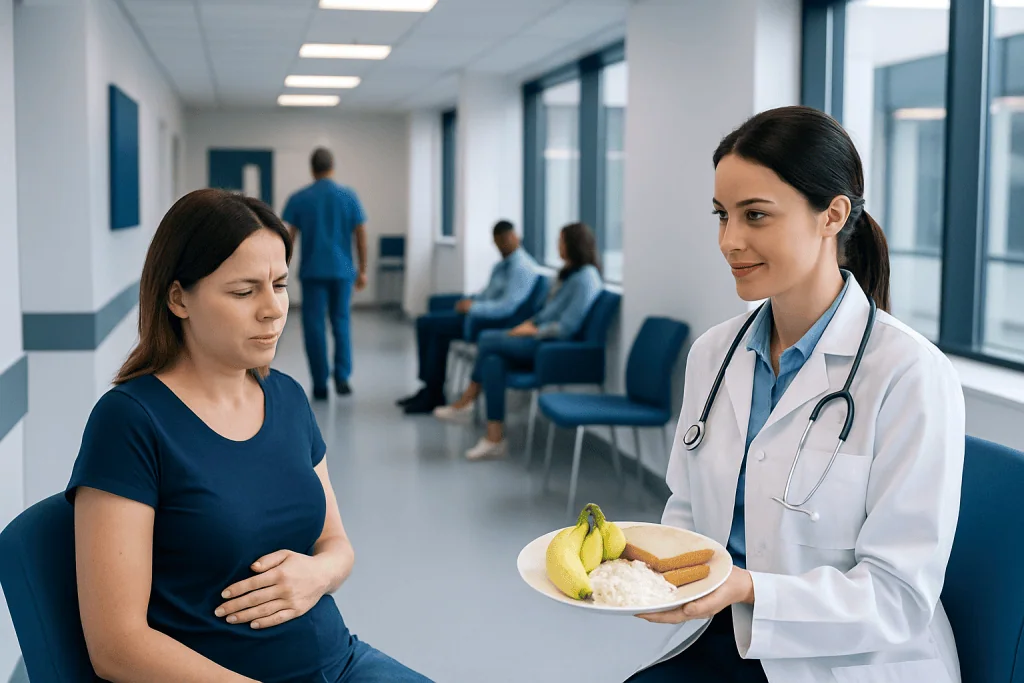
Oral rehydration fluids are more important than solid food during the early phase of food poisoning. Plain carbohydrates such as rice, toast, crackers, potatoes, bananas, and oatmeal are often well tolerated.
Key Takeaways
- Oral rehydration fluids are more important than solid food during the early phase of food poisoning.
- Plain carbohydrates such as rice, toast, crackers, potatoes, bananas, and oatmeal are often well tolerated.
- There is limited evidence that one specific food speeds recovery; gradual intake and adequate fluids matter most.
- Fatty, spicy, highly sugary foods, alcohol, and caffeine may worsen nausea or diarrhea while the gut recovers.
- Young children, older adults, pregnant people, and people with weakened immunity should seek advice earlier if symptoms are significant.
The best food to eat after food poisoning is usually a small amount of bland, low-fat, easy-to-digest food once vomiting has settled and fluids can be kept down. Rehydration is the first priority; food should be reintroduced gradually according to appetite and symptoms.
Overview: What Is the Best Food to Eat After Food Poisoning?
The best food to eat after food poisoning is not one special “healing” food. Once a person can keep fluids down, small portions of bland, low-fat foods such as plain rice, toast, crackers, bananas, boiled potatoes, oatmeal, or simple soup can provide energy without placing much demand on an irritated stomach and intestines.
Food poisoning describes illness caused by consuming contaminated food or drinks. It may result from bacteria, viruses, parasites, or toxins and commonly causes nausea, vomiting, stomach cramps, diarrhea, and sometimes fever. Most uncomplicated cases improve with rest, fluids, and time, but dehydration can develop quickly, especially when vomiting or diarrhea is frequent.
During the first hours of illness, appetite may be absent. This is common and does not usually mean that a person needs to force themselves to eat. The immediate goal is replacing fluids and electrolytes. Solid foods can be added slowly when nausea is easing and the person feels ready.
Why Rehydration Comes Before Food
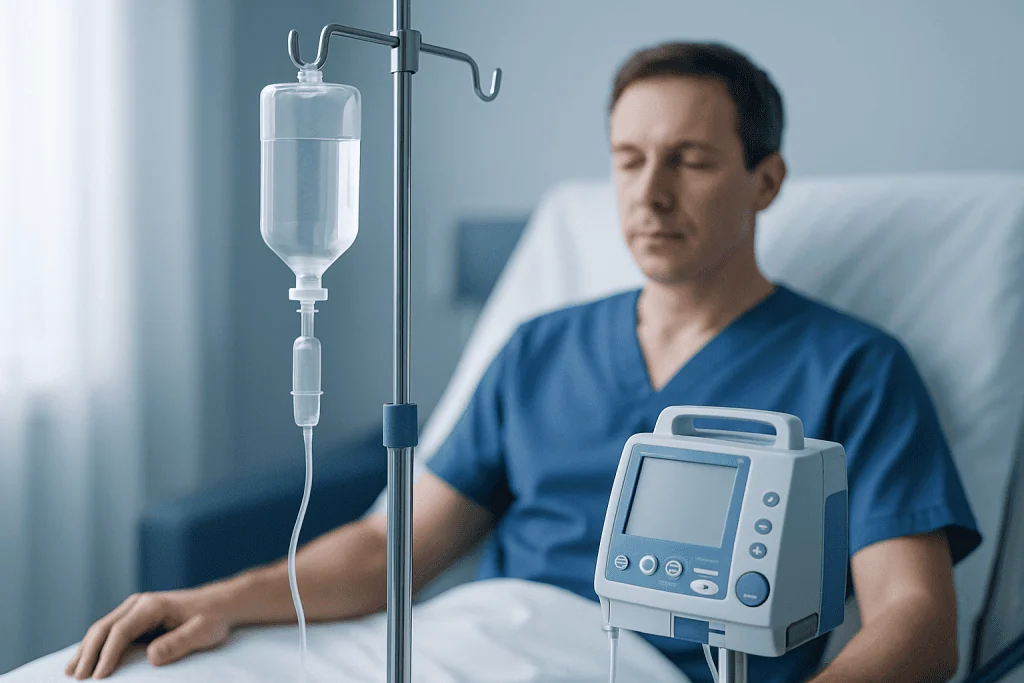
Vomiting and diarrhea can cause the body to lose water and important minerals, called electrolytes. Replacing these losses is the central part of home care for most mild food poisoning. Oral rehydration solutions are designed to provide water, salts, and glucose in proportions that support absorption from the intestine.
A person may start with frequent small sips rather than drinking a large amount at once, which can trigger further vomiting. Commercial oral rehydration solutions are often a practical choice. Clear broths and water may also contribute to fluid intake, although water alone does not replace all electrolytes lost during ongoing diarrhea.
Very sugary drinks, undiluted fruit juice, energy drinks, and sodas may draw additional water into the bowel and can make diarrhea worse for some people. Alcohol should be avoided because it can worsen dehydration and irritate the digestive tract. If fluids cannot be kept down, medical assessment is important.
- Try small, repeated sips of an oral rehydration solution.
- Increase intake gradually as vomiting becomes less frequent.
- Monitor urine output; very dark urine or little urination can suggest dehydration.
- Continue fluids even if there is little interest in food.
Foods That Are Often Well Tolerated During Recovery
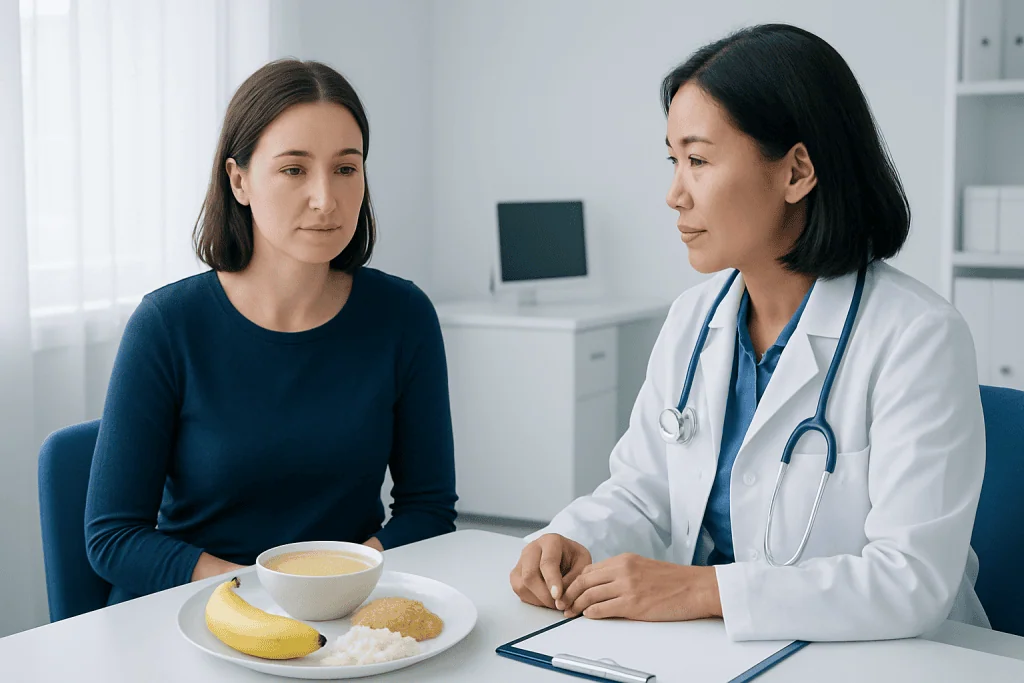
When a person is hungry and has been able to tolerate fluids, simple foods can be introduced in small servings. Soft, starchy foods tend to be easy to digest and can help restore energy. The traditional idea of eating only bananas, rice, applesauce, and toast can be useful as a starting point, but it is not necessary to limit recovery nutrition to those foods alone.
Suitable options may include plain rice, pasta, noodles, toast, crackers, oatmeal, boiled or mashed potatoes without rich toppings, bananas, applesauce, and cooked cereal. Clear soups or broth with rice or noodles may be helpful when tolerated. Plain cooked vegetables and modest portions of lean protein, such as egg, chicken, fish, or tofu, can be added as symptoms settle.
There is no strong clinical evidence that a particular food cures food poisoning or reliably shortens the infection. Recovery is generally supported by appropriate fluid intake, rest, and returning to ordinary balanced meals as tolerated. Probiotics are sometimes considered after diarrhea, but evidence is mixed and products vary; they should not replace rehydration or medical advice.
If symptoms persist, the cause may not be straightforward food poisoning. Ongoing diarrhea can have other explanations, including irritable bowel syndrome, inflammatory conditions, medication effects, or infection requiring assessment.
Foods and Drinks to Limit Temporarily
While the digestive system is recovering, certain foods can increase nausea, cramping, gas, or loose stools. High-fat foods are often harder to digest, so fried foods, creamy sauces, rich pastries, processed meats, and heavily buttered meals are best postponed until symptoms have clearly improved.
Spicy foods, acidic foods, large amounts of fiber, and heavily seasoned meals may also aggravate an already sensitive stomach. Raw vegetables, beans, bran cereals, and large salads are nutritious in usual circumstances but may cause extra gas or urgency during the early recovery period. They can be reintroduced gradually.
Some people temporarily have difficulty digesting lactose after infectious diarrhea because the intestinal lining has been irritated. Milk, ice cream, and other dairy products may therefore worsen bloating or diarrhea for a short time. Yogurt may be tolerated by some people, but it should be stopped if it makes symptoms worse.
Caffeine, alcohol, nicotine, and very sweet drinks can contribute to stomach upset or dehydration. It is also sensible to avoid preparing food for others until symptoms have resolved, and to follow careful handwashing and food-safety practices to reduce spread of infection.
Safe Use, Evidence, and Special Considerations
A gradual return to eating is generally safe for otherwise healthy adults with mild symptoms, provided they can drink enough fluid. Hunger can be used as a guide: eating small meals more often may be more comfortable than having a large meal. A person should stop or scale back foods that clearly worsen nausea, pain, or diarrhea.
Over-the-counter anti-diarrheal medicines are not appropriate for everyone. They may be unsafe when diarrhea is bloody, fever is high, or a bacterial infection is suspected, because slowing the bowel may delay clearance of some organisms. A pharmacist or doctor can advise whether a medicine is suitable for an individual situation.
People taking medicines that affect fluid balance, blood pressure, blood sugar, or kidney function may need individualized advice during significant vomiting or diarrhea. This includes people using diuretics, diabetes medicines, or certain blood pressure medicines. They should not stop prescribed medication without speaking with a qualified clinician unless they have been given a specific sick-day plan.
Infants and young children, older adults, pregnant people, and people with kidney disease, inflammatory bowel disease, diabetes, cancer, or reduced immune function have a lower margin for dehydration and complications. For these groups, early medical guidance is sensible, even when symptoms initially seem mild.
Practical Recovery Plan for the Next 24 to 48 Hours
Recovery does not need to follow a rigid diet. At first, a person can focus on small amounts of oral rehydration solution or other tolerated fluids. When vomiting has stopped or become infrequent, they can try a few bites of bland food and wait to see how they feel before eating more.
As appetite returns, portions can increase and foods can become more varied. A balanced meal pattern including carbohydrate, protein, fruits or vegetables, and healthy fats can usually resume after diarrhea and nausea are resolving. There is no need to continue a restrictive bland diet longer than necessary if normal foods are well tolerated.
Good food hygiene helps lower the chance of future foodborne illness. This includes washing hands before preparing food and after using the bathroom, separating raw meat from ready-to-eat foods, cooking foods thoroughly, refrigerating perishables promptly, and avoiding food that has been stored unsafely.
For persistent digestive symptoms or a need for individualized nutrition guidance, a clinician may recommend assessment through gastroenterology care. Acibadem International’s multidisciplinary specialists and JCI-accredited hospitals diagnose and treat digestive conditions for international patients.
When to Seek Medical Care
Medical care is needed promptly if a person cannot keep fluids down, has signs of significant dehydration, or has severe or worsening symptoms. Warning signs include confusion, fainting, unusual sleepiness, very little urine, a very dry mouth, fast heartbeat, or dizziness when standing. Infants may show fewer wet diapers, no tears when crying, or unusual drowsiness.
A doctor should also assess bloody stools, black stools, severe abdominal pain, a high or persistent fever, repeated vomiting, or diarrhea that does not begin to improve after several days. Symptoms beginning after eating potentially high-risk foods, such as undercooked meat, unpasteurized products, or improperly preserved foods, may also warrant advice depending on the clinical situation.
Pregnant people, older adults, children, and anyone with a weakened immune system should contact a healthcare professional sooner if they have suspected food poisoning. A clinician may consider stool tests, blood tests, fluids, or targeted treatment when symptoms or risk factors suggest a more serious infection.
Emergency care is appropriate for severe dehydration, trouble breathing, altered consciousness, severe weakness, or intense abdominal pain. Early evaluation can identify complications and ensure that fluid replacement and treatment are appropriate.
Frequently asked questions
What is the first thing to eat after food poisoning?
Fluids are usually more important than food at first. Once vomiting has eased and fluids stay down, a person can try small amounts of bland foods such as crackers, toast, rice, banana, oatmeal, or boiled potatoes. There is no need to force food if appetite has not returned.
Is banana good after food poisoning?
Banana is often a practical choice because it is soft, mild, and easy to eat in small portions. It provides carbohydrate and potassium, but it is not a cure for food poisoning. If it worsens nausea or diarrhea, it should be avoided temporarily.
Should a person eat dairy after food poisoning?
Some people can tolerate dairy during recovery, but others develop temporary lactose intolerance after diarrhea. Milk, ice cream, or creamy foods may increase bloating, cramping, or loose stools. It is reasonable to avoid them briefly and reintroduce them when symptoms improve.
Can probiotics help after food poisoning?
Some probiotic products may modestly help certain types of infectious diarrhea, but evidence is inconsistent and the benefit depends on the organism and product used. They are not a substitute for oral rehydration or medical care. People with severely weakened immune systems should ask a doctor before using probiotics.
How long should bland foods be eaten after food poisoning?
A bland diet is usually needed only while nausea, vomiting, or diarrhea is active. As symptoms improve and normal foods are tolerated, a person can gradually return to a balanced diet. Restricting food for longer than necessary may make it harder to meet nutritional needs.
What drinks should be avoided after food poisoning?
Alcohol and highly caffeinated drinks should be avoided because they can worsen dehydration or stomach irritation. Very sweet sodas, fruit juices, and energy drinks can sometimes worsen diarrhea. Oral rehydration solution, water, and broth are generally better tolerated choices.
References
- Centers for Disease Control and Prevention
- National Institute of Diabetes and Digestive and Kidney Diseases
- World Health Organization
- Mayo Clinic
- National Health Service
This article is for general information only and is not a substitute for professional medical advice. Please consult a qualified doctor about your individual situation.
Food Poisoning in Turkey — costs, top hospitals & a free quote
JCI-accredited · board-certified surgeons · reply within 24h
Add us as a Preferred Source to see more of our trusted health content across Google Search, AI Overviews and Discover.

Gastroenterology
Diagnosis and treatment of the digestive system and liver, with advanced endoscopy.
43 specialists in this unit