

Body Aesthetics
Body aesthetics includes personalized surgical procedures to reshape, tighten, or contour areas such as the abdomen, waist, hips, thighs, arms, or buttocks for balanced proportions.

Quick answer
Body aesthetics refers to personalized surgical procedures that reshape, tighten, or contour areas such as the abdomen, waist, hips, thighs, arms, or buttocks to improve body proportions. At Acibadem in Turkey, body aesthetic surgery is planned individually after evaluation of body structure and goals, and may include techniques such as liposuction, tummy tuck, arm lift, thigh lift, or buttock contouring.
Considering Body Aesthetics: A Personal Decision About Shape, Comfort and Confidence
Choosing body aesthetics is rarely only about appearance. Many patients begin researching treatment because their body has changed after pregnancy, weight loss, aging, hormonal shifts or previous surgery. Others have lived for years with localized fat deposits, loose skin, uneven contours or body proportions that do not reflect how active or healthy they feel. The decision can be emotional: you may be excited about what is possible, but also cautious about safety, scarring, recovery time, and whether treatment abroad can be planned with the same seriousness you would expect at home.
Body aesthetics refers to a group of personalized procedures designed to reshape, tighten or contour areas such as the abdomen, waist, hips, thighs, arms, back and buttocks. The goal is not to create a single ideal body type. It is to improve proportion, address specific concerns, and help clothing fit more comfortably while preserving a natural, balanced appearance. For many people, successful treatment means looking more like themselves again after major life or weight changes.
Because body contouring procedures involve surgery, careful planning matters. A premium body aesthetics program should begin with a detailed medical assessment, a realistic discussion of goals, and a treatment plan that respects your anatomy, health status and recovery needs. At Acibadem, patients are evaluated by experienced plastic and reconstructive surgeons within JCI-accredited hospital settings, supported by modern diagnostic pathways, anesthesia teams, nursing care and international patient services. For international patients, this combination of surgical judgment and organized medical travel support can make a complex decision easier to understand and navigate.
What Body Aesthetics Means
Body aesthetics is an umbrella term for surgical and, in some cases, minimally invasive procedures that improve body contour. These treatments may remove excess fat, tighten loose skin, repair separated abdominal muscles, lift sagging tissue, or reshape specific areas to create more harmonious proportions. The procedure or combination of procedures depends on the patient’s anatomy, expectations, medical history and recovery capacity.
Common body aesthetics procedures include liposuction, abdominoplasty, body lift surgery, arm lift, thigh lift, waist contouring, buttock reshaping and combined post-pregnancy or post-weight-loss body contouring. Some patients need only one focused procedure, such as liposuction of the waist or arms. Others benefit from a staged plan, especially after significant weight loss, when loose skin may affect the abdomen, thighs, arms, back and buttocks.
Liposuction removes localized fat deposits through small incisions using thin cannulas. It is best suited for contouring rather than major weight loss. Abdominoplasty, often called a tummy tuck, removes excess abdominal skin and fat and may repair weakened or separated abdominal muscles. Body lift procedures address loose tissue around the lower trunk, hips, buttocks and thighs, often after major weight reduction. Arm and thigh lifts remove excess skin and reshape the upper arms or inner and outer thighs. Buttock contouring may involve lifting, reshaping or carefully selected fat transfer when appropriate.
The central principle is personalization. Two patients may request “body contouring” but need very different procedures. One may have firm skin and localized fat that can be treated with liposuction. Another may have stretched skin and muscle separation after pregnancy, requiring abdominoplasty for a meaningful result. A third may need staged surgery after bariatric weight loss to reduce skin folds, improve hygiene and make movement easier. A thoughtful consultation helps determine which approach is medically appropriate and aesthetically balanced.
Who May Need Body Aesthetics
Patients consider body aesthetics for many reasons. Some are close to their preferred weight but cannot improve certain areas with diet and exercise. Others have loose skin after pregnancy or significant weight loss. Some experience discomfort, skin irritation, difficulty exercising or challenges finding clothing that fits well because of excess tissue. Although body aesthetics is often described as cosmetic, it may also improve comfort, posture, mobility and daily function in selected patients.
Typical concerns include a protruding or loose abdomen, excess skin hanging over the lower abdomen, stubborn fat at the waist or hips, sagging upper arms, loose inner thighs, flattening or descent of the buttocks, uneven body contours, or skin folds after weight loss. Patients may also report chafing, recurrent irritation, difficulty with hygiene, or feeling self-conscious in fitted clothing or swimwear.
Diagnosis begins with a medical consultation and physical examination. Your surgeon assesses skin quality, fat distribution, muscle tone, scars from previous operations, body proportions and any asymmetry. For abdominal procedures, the surgeon may evaluate whether the rectus muscles have separated, a condition called diastasis recti, which is common after pregnancy or major weight fluctuation. Your general health, medications, smoking status, previous surgeries, allergies and history of blood clots are also reviewed.
In some cases, laboratory testing, imaging or specialist evaluation may be recommended before surgery. Patients with hernias, previous abdominal surgery, chronic medical conditions, obesity-related concerns or complex post-bariatric needs may require additional planning. The safest candidates are generally in stable health, at a stable weight, able to stop smoking before and after surgery, and prepared to follow recovery instructions closely.
Good candidates also have realistic expectations. Body aesthetics can improve contours and remove excess skin or fat, but it does not replace weight management, fitness, healthy nutrition or long-term lifestyle care. The best results usually occur when surgery is timed after weight has stabilized and future pregnancy plans have been considered, especially for procedures involving the abdomen.
Conditions and Indications Body Aesthetics Can Address
Body aesthetics may be considered when changes in skin, fat or tissue support affect body shape and cannot be corrected adequately through non-surgical measures. The most common indications include post-pregnancy abdominal changes, localized fat deposits, skin laxity after weight loss, age-related tissue relaxation, and contour irregularities after previous procedures or trauma.
After pregnancy, the abdominal wall may remain stretched even when weight returns to baseline. Some patients have loose skin, stretch marks, a lower abdominal overhang and separated abdominal muscles. In these situations, abdominoplasty may be more appropriate than liposuction alone because the concern is not only fat; it is also skin and muscle support.
After significant weight loss, particularly following bariatric surgery or medically supervised weight reduction, the skin may not contract fully. Patients may have excess tissue around the abdomen, back, arms, thighs, chest or buttocks. Body contouring can remove redundant skin and help create a more stable body shape after weight loss. For some patients, reducing skin folds also improves hygiene and physical comfort.
Localized fat deposits are another common reason for treatment. These areas may be genetically determined and resistant to exercise. Liposuction may be used to refine the abdomen, waist, back, hips, thighs, knees, upper arms, under-chin region or other areas when skin tone is adequate. When skin laxity is significant, liposuction may need to be combined with a lifting procedure to avoid loose or irregular skin after fat removal.
Body aesthetics can also address asymmetry, disproportion between the upper and lower body, sagging of the buttocks, excess skin on the upper arms that moves or folds uncomfortably, and thigh skin laxity that causes friction. Each indication requires an individualized assessment because the safest and most effective procedure depends on the relationship between skin, fat, muscle and overall body proportion.
How Body Aesthetics Treatment Is Performed
Body aesthetics begins well before the day of surgery. The first step is a detailed consultation, either in person or, for international patients, often through a structured remote review before travel. You may be asked to provide photographs, medical history, current medications, previous surgical information and your main concerns. This allows the medical team to determine whether your goals are appropriate for surgical planning and whether additional evaluation is needed before arrival.
During the in-person consultation, your surgeon examines the areas to be treated, discusses incision placement, expected scars, anesthesia, recovery time and possible risks. The plan may involve one procedure or a combination, but safety determines what can reasonably be performed in a single operation. Longer combined procedures may increase recovery demands and certain medical risks, so a staged approach may be advised for some patients.
Preoperative preparation usually includes blood tests and, depending on age and medical history, additional tests such as electrocardiogram, chest evaluation or specialist clearance. Patients are advised to stop smoking well in advance, avoid certain medications or supplements that increase bleeding risk, and arrange support during the first days of recovery. Maintaining hydration, nutrition and stable weight before surgery is also important.
Most body aesthetics procedures are performed under general anesthesia, although smaller procedures may sometimes be performed with other anesthesia techniques. An anesthesia specialist reviews your medical history and monitors you throughout the operation. In a hospital environment, the surgical team has access to monitoring systems, sterilization protocols, medication management and post-anesthesia recovery support.
The surgical steps depend on the selected procedure. In liposuction, small incisions are made near the treatment area. A fluid solution may be introduced to reduce bleeding and assist fat removal. Thin cannulas are then used to remove fat in a controlled pattern, sculpting the area rather than simply reducing volume. The surgeon works carefully to preserve smooth transitions between treated and untreated regions.
In abdominoplasty, the incision is typically placed low on the abdomen so it can often be concealed by underwear or swimwear, although scar length varies depending on the amount of excess skin. The surgeon lifts the abdominal skin and fat layer, repairs separated muscles when needed, removes excess tissue and repositions the remaining skin for a flatter contour. The navel may be repositioned to match the new abdominal shape.
In arm lift or thigh lift surgery, incisions are placed to remove excess skin while balancing scar position with contour improvement. For patients with significant laxity, longer incisions may be necessary to achieve a meaningful tightening effect. In lower body lift procedures, tissue is removed around the lower trunk to improve the abdomen, outer thighs, hips and buttock region. These procedures require careful planning because they address the body circumferentially.
Modern body contouring may use technologies that assist fat removal, tissue handling, surgical planning and safety monitoring. Depending on the case, surgeons may use energy-assisted liposuction systems, precise cannulas, advanced imaging or measurement tools, compression protocols and careful fluid management. Technology is not a substitute for surgical judgment; its value is in helping the surgeon work with greater control, reduce tissue trauma in selected cases and plan more predictable contours.
Procedure duration varies widely. A limited liposuction procedure may take a relatively short time, while an abdominoplasty, body lift or combined operation can take several hours. Some patients go home the same day after smaller procedures, while others stay in the hospital for observation, pain control, drain care and early mobilization. International patients should plan enough time in Turkey for consultation, surgery, early recovery and follow-up before flying home.
After surgery, dressings and compression garments are commonly used to support healing and reduce swelling. Surgical drains may be placed in some procedures to remove fluid from the operated area. Nurses help you begin gentle movement as soon as it is safe, because early walking reduces stiffness and supports circulation. Pain is managed with prescribed medication, and your team will explain how to care for incisions, garments and drains if present.
Recovery is gradual. Swelling, bruising, tightness and fatigue are expected in the early period. Most patients can walk short distances soon after surgery, but bending, lifting, strenuous exercise and long travel require medical approval. The final contour takes time to appear as swelling decreases and tissues settle. Scars mature over months and may continue to soften and fade with proper care, although they do not disappear completely.
Why Acting at the Right Time Matters
Body aesthetics is elective, so the timing should be chosen carefully rather than rushed. Acting early does not mean proceeding before you are ready. It means seeking a qualified medical evaluation when body changes are affecting comfort, mobility, self-image or quality of life, so you can understand your options and make an informed plan.
Delaying consultation may prolong physical issues such as skin irritation, chafing, hygiene difficulties or discomfort during exercise. In patients after major weight loss, heavy skin folds can make physical activity more difficult, which may interfere with long-term weight maintenance. For some people, persistent abdominal muscle separation can contribute to core weakness or a feeling of poor trunk support, although each case needs medical evaluation.
There are also reasons to wait. If your weight is still changing, if you plan future pregnancy, if you smoke, or if a medical condition is not well controlled, delaying surgery may lead to a safer and more durable result. The right timing is individualized. A surgeon may recommend lifestyle preparation, weight stabilization, medical optimization or staging procedures rather than immediate surgery.
Choosing treatment without adequate evaluation can increase the risk of disappointment or complications. For example, liposuction alone may not address loose skin, while skin removal without attention to proportion may create an imbalanced result. Early specialist assessment helps clarify whether surgery is appropriate, which procedure is most suitable, and what recovery will realistically involve.
Benefits of Body Aesthetics
The potential benefits depend on the procedure performed, the patient’s anatomy and how closely recovery instructions are followed.
| Benefit | What It Means for You |
|---|---|
| Improved body contour | Areas affected by excess skin or localized fat can appear smoother, firmer and more proportionate. |
| Better clothing fit | Many patients find that fitted clothing, swimwear or activewear feels more comfortable after contour correction. |
| Removal of excess skin | After pregnancy or weight loss, surgery can reduce loose folds that exercise alone cannot correct. |
| Improved physical comfort | Reducing heavy or rubbing tissue may help with chafing, hygiene challenges and ease of movement in selected patients. |
| More balanced proportions | Treatment can refine transitions between the abdomen, waist, hips, thighs, arms or buttocks for a more harmonious silhouette. |
| Long-lasting change with stable habits | Results may be maintained for many years when weight remains stable and healthy routines continue. |
Recovery Timeline After Body Aesthetics
Recovery varies according to the procedure, extent of surgery, general health and whether multiple areas were treated at the same time.
| Time Period | What Patients Can Expect |
|---|---|
| Day 1 | You will be monitored as anesthesia wears off. Walking with assistance usually begins early. Compression garments, dressings and drains may be in place depending on the procedure. |
| First Week | Swelling, bruising, tightness and fatigue are common. Pain is managed with medication. You will receive instructions about showering, incision care, garments and activity limits. |
| First Month | Many patients gradually return to light daily activities, but heavy lifting and intense exercise are usually restricted. Swelling begins to decrease, although contour changes are still evolving. |
| Second to Third Month | Activity often increases with surgeon approval. Treated areas may feel firmer or numb in places as nerves recover. Scars are usually still pink or firm and require ongoing care. |
| Longer Term | The final shape becomes clearer as swelling resolves and tissues settle. Scars continue to mature over months. Stable weight, skin care and healthy habits help preserve results. |
What Influences a Good Outcome
A good body aesthetics result depends on both surgical and patient-related factors. The first is proper patient selection. Surgery is safest and most satisfying when the chosen procedure matches the actual concern. Liposuction is effective for localized fat when skin elasticity is good. A lift or skin removal procedure is usually needed when skin laxity is the main issue. Abdominal muscle repair may be necessary when diastasis contributes to protrusion.
Weight stability is another important factor. Significant weight gain or loss after surgery can change the result. Patients who are still losing weight after bariatric surgery are often advised to wait until their weight has stabilized. Future pregnancy can also stretch the abdominal wall again, so timing should be discussed openly with your surgeon.
Skin quality affects how tissues respond after contouring. Younger or more elastic skin may retract better after fat removal, while skin affected by aging, sun exposure, stretch marks or major weight loss may require excision to achieve firmness. Scarring tendency also varies. Some patients naturally form thicker or darker scars, and your surgeon can discuss strategies to support scar maturation.
Overall health has a direct effect on healing. Diabetes, anemia, nutritional deficiencies, immune conditions, clotting history and certain medications may influence risk. Smoking is particularly important because nicotine reduces blood flow to healing tissue and increases the risk of wound problems. Patients are typically advised to stop smoking before and after surgery for a medically appropriate period.
Surgical planning also matters. Incision placement, tissue handling, symmetry assessment, fluid control, anesthesia duration and postoperative care all influence recovery and results. In more complex cases, careful staging may provide a safer path than attempting too much in one operation. The most refined plans are not always the most extensive; they are the plans that balance aesthetic goals with patient safety.
Finally, recovery behavior plays a major role. Wearing compression garments as instructed, walking early but avoiding overexertion, attending follow-up visits, maintaining nutrition and protecting incisions all support healing. Patients traveling internationally should allow enough time before flying home and should understand the plan for communication after return, including when to contact the medical team or seek local care.
Why International Patients Choose Acibadem for Body Aesthetics
International patients considering body aesthetics often want more than a skilled operation. They need careful evaluation, clear communication, hospital-based safety, coordinated travel planning and follow-up guidance that continues after they return home. Acibadem’s approach is designed around these needs, while keeping the medical decision at the center of care.
Body aesthetics procedures at Acibadem are performed by experienced physicians in JCI-accredited hospital environments. This matters because body contouring may involve general anesthesia, fluid management, multiple treatment areas and postoperative monitoring. A hospital setting provides access to anesthesia specialists, trained nursing teams, diagnostic services, sterilization systems and emergency support if needed.
Planning is individualized. Your surgeon evaluates your body proportions, skin quality, health status and goals before recommending a procedure. When additional medical considerations are present, care can be coordinated with relevant specialists. For patients after bariatric surgery, pregnancy-related body changes, prior operations or complex medical histories, this multidisciplinary structure helps create a safer and more realistic treatment plan.
Acibadem uses evidence-based medical protocols and modern surgical pathways. Technology may support assessment, anesthesia monitoring, surgical precision and recovery, but decisions are guided by clinical expertise. The aim is to choose the appropriate method for your anatomy rather than applying the same technique to every patient.
For patients traveling from the United States, Europe, the Middle East or other regions, communication and logistics are essential. Acibadem International provides dedicated services for patients from abroad, including multilingual coordination in more than 20 languages, appointment planning, medical record transfer, hospital admission guidance and assistance with practical details related to treatment travel. This support helps patients focus on understanding their care, preparing for surgery and recovering safely.
Patients also value the ability to request a second opinion before making a decision. A remote review can help clarify whether you may be a candidate, which procedure might be appropriate and how long you should plan to stay. The final treatment plan is confirmed only after in-person examination, because body aesthetics requires physical assessment of tissue quality, skin laxity and proportions.
The choice to have surgery abroad should be made thoughtfully. Patients should ask about surgeon qualifications, hospital accreditation, anesthesia safety, recovery expectations, scar placement, revision policies, travel timing and follow-up communication. Acibadem’s international care model is structured to answer these questions clearly and to support patients before, during and after treatment in Turkey.
Taking the Next Step
Body aesthetics can help reshape areas of the body affected by pregnancy, weight loss, aging or persistent fat deposits, but the right procedure is different for every patient. A careful consultation can help you understand what is possible, what is not advisable, where scars may be placed, how long recovery may take and how treatment can be planned around your health and travel needs.
If you are considering body contouring, abdominoplasty, liposuction, arm lift, thigh lift, body lift or another body aesthetics procedure, you can request a consultation or second opinion from Acibadem. Sharing your medical history, photographs and goals allows the team to begin an informed review and guide you on the next appropriate steps.
This information is general and is not a substitute for professional medical advice. Diagnosis, treatment planning and surgical recommendations should always be made by a qualified physician after an individual medical evaluation.
Preparation
- Preparation starts with a plastic surgery consultation to assess goals, skin quality, body composition, and medical history. Patients may need blood tests, anesthesia evaluation, and medication review. Smoking should be stopped before surgery, and blood-thinning medicines or supplements may need to be paused as advised.
Aftercare
- After body aesthetics surgery, patients should wear compression garments if recommended and follow wound care instructions carefully. Swelling, bruising, and mild discomfort are common in the first days. Strenuous exercise should be avoided until the surgeon confirms it is safe, while light walking is encouraged.
Turkey vs UK, Germany & USA
Body aesthetics costs and experiences vary according to the procedure plan, the clinic setting, surgeon expertise, and the level of support included. Comparing destinations can help patients understand practical differences before requesting a personalised quote.
For international patients, the overall value of body aesthetics is shaped by clinical planning, hospital standards, travel support, and aftercare as well as the surgical fee.
| Factor | Turkey | UK | Germany | USA |
|---|---|---|---|---|
| Cost structure | Often offered as coordinated international patient packages, with hospital, surgeon, and logistics support grouped together. | Usually quoted through private clinics or hospitals, with separate items for consultation, surgery, anaesthesia, and aftercare. | Typically itemised through private hospitals or specialist clinics, with detailed medical evaluation before pricing. | Frequently itemised, with facility, surgeon, anaesthesia, and postoperative care billed separately. |
| Hospital and surgeon factors | Cost depends on the surgeon’s experience, hospital category, procedure complexity, and whether areas are treated together or staged. | Cost varies by consultant reputation, location, private hospital choice, and the level of follow-up included. | Cost is influenced by specialist credentials, clinic infrastructure, anaesthesia planning, and medical documentation requirements. | Cost is strongly affected by surgeon profile, city, accredited facility choice, and the extent of postoperative care. |
| Accreditation and quality | International patients may choose JCI-accredited hospitals and multidisciplinary teams with dedicated patient coordination. | Care is regulated locally, with private hospitals and clinics following national quality and safety requirements. | Hospitals and clinics operate under strict national healthcare regulations and professional standards. | Accredited surgical facilities and board-certified specialists are important quality indicators. |
| Waiting times | Scheduling may be more flexible for self-funded international patients, depending on surgeon availability and medical readiness. | Private care may reduce waiting compared with public pathways, but popular surgeons can have limited availability. | Planning is usually structured and may require preoperative documentation before dates are confirmed. | Availability varies widely by region, surgeon demand, and facility scheduling. |
| Travel and language logistics | International patient teams may assist with airport transfers, interpreters, appointments, and hotel coordination. | Travel is simpler for local patients; international patients may need to arrange accommodation and language support separately. | International patients may need assistance with translation, documentation, and local logistics. | Long-distance travel, accommodation, and care coordination can add complexity for international patients. |
| Typical package inclusions | Packages may include consultation coordination, hospital stay, surgery, anaesthesia, nursing care, medications related to admission, transfers, and interpreter support. | Packages vary; aftercare garments, tests, accommodation, and follow-up may be billed separately. | Quotes may include hospital and medical services, while travel, translation, and accommodation are often separate. | Quotes may separate facility, surgeon, anaesthesia, garments, tests, medications, and follow-up appointments. |
- What affects your final cost:
- Type of procedure, treated areas, and whether surgery is combined or staged.
- Amount of skin tightening, fat removal, or contour correction required.
- Surgeon’s experience, hospital accreditation, anaesthesia plan, and length of monitored recovery.
- Preoperative tests, compression garments, medications, lymphatic drainage, and follow-up needs.
- Travel arrangements, accommodation, interpreter support, and any companion services.
Compare your options
Body aesthetics includes several surgical and non-surgical options, and suitability is decided by a specialist after examination, medical history review, and expectation assessment.
| Option | What it is | Typical use | Key considerations |
|---|---|---|---|
| Liposuction | Removal of localised fat deposits through small incisions using cannulas. | Contour improvement in areas such as the abdomen, waist, hips, thighs, arms, back, or under the chin. | Best for patients with good skin elasticity; it is not a weight-loss method and swelling management is important. |
| Abdominoplasty | Surgery to remove excess abdominal skin and tighten the abdominal wall when needed. | Loose abdominal skin after weight change, pregnancy, or ageing. | Involves a longer scar than liposuction and requires recovery planning, compression garments, and activity restriction. |
| Body lift | A more extensive tightening procedure for the lower trunk, often addressing the abdomen, waist, hips, and buttock area. | Significant skin laxity after major weight change or tissue looseness around the lower body. | May require a longer operation and recovery; careful scar placement and wound care are important. |
| Arm lift or thigh lift | Removal and tightening of loose skin on the upper arms or thighs. | Sagging skin that cannot be improved with fat reduction alone. | Scars are expected and must be balanced against the desired tightening effect. |
| Buttock and hip contouring | Reshaping of the buttock or hip area using fat transfer, lifting, or contouring techniques. | Improving proportion, projection, or transition between waist, hips, and buttocks. | Fat transfer depends on available donor fat and safe surgical planning; recovery position instructions are important. |
| Non-surgical body contouring | Device-based treatments aimed at modest fat reduction, skin tightening, or muscle toning. | Patients seeking subtle improvement without surgery or as maintenance after surgical contouring. | Results are usually more limited than surgery and may require repeated sessions; not suitable for major skin excess. |
Trusted care for international patients
General information only — not medical or financial advice. Final costs depend on the factors above and your individual case; request a free, personalised quote.
Doctors Performing This Treatment

Prof. Dr. Bülent Saçak
Aesthetic Plastic & Reconstructive Surgery
Prof. Dr. Ersin Ülkür
Aesthetic Plastic & Reconstructive Surgery
Prof. Dr. Hakan Ağır
Aesthetic Plastic & Reconstructive Surgery
Prof. Dr. Mehmet Veli Karaaltın
Aesthetic Plastic & Reconstructive Surgery
Prof. Dr. Çiğdem Ünal Gülmeden
Aesthetic Plastic & Reconstructive Surgery
Assoc. Prof. Dr. Ahmet Küçükçelebi
Aesthetic Plastic & Reconstructive Surgery
Assoc. Prof. Dr. Mehmet Altiparmak
Aesthetic Plastic & Reconstructive Surgery
Assoc. Prof. Dr. Mehmet Sağır
Aesthetic Plastic & Reconstructive Surgery
Asst. Prof. Dr. Berkhan Yilmaz
Aesthetic Plastic & Reconstructive Surgery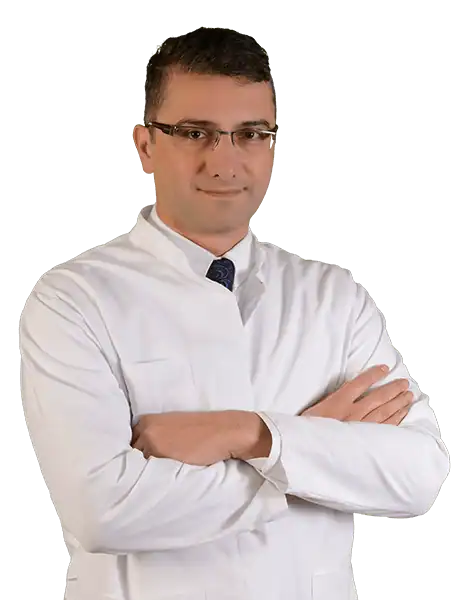
Dr. Abdullah Etöz
Aesthetic Plastic & Reconstructive Surgery
Dr. Ayşe İrem İskenderoğlu
Aesthetic Plastic & Reconstructive Surgery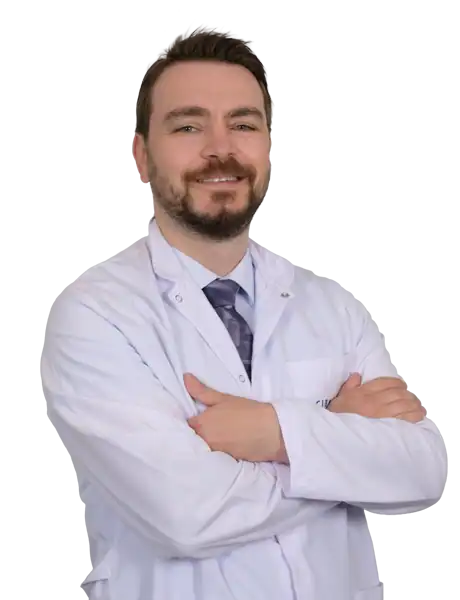
Dr. Burak Sercan Erçin
Aesthetic Plastic & Reconstructive Surgery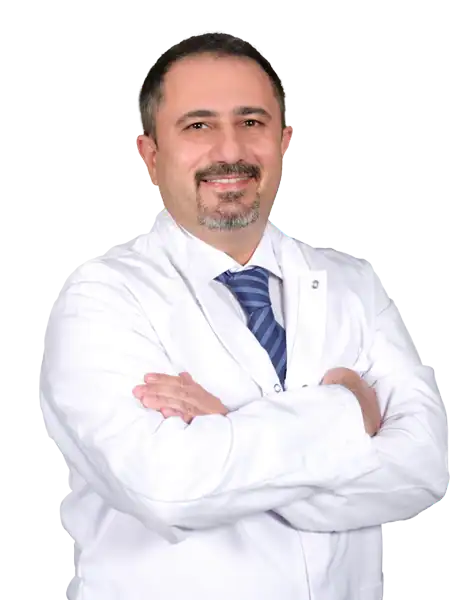
Dr. Cem Öz
Aesthetic Plastic & Reconstructive Surgery
Dr. Mahmut Özyilmaz
Aesthetic Plastic & Reconstructive Surgery
Dr. Mehmet Severcan
Aesthetic Plastic & Reconstructive Surgery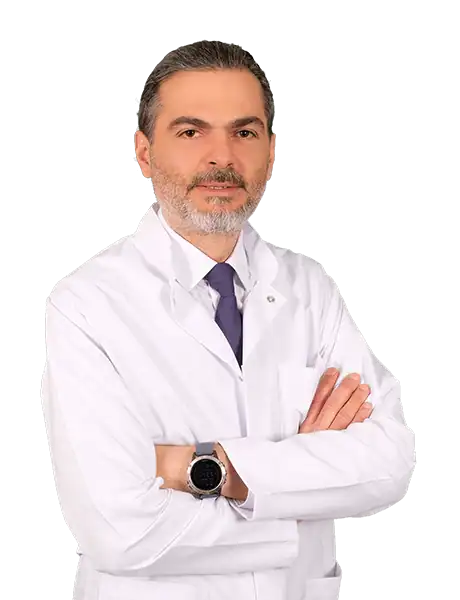
Dr. Mithat Ulay
Aesthetic Plastic & Reconstructive Surgery
Dr. Mutluhan Temizsoy
Aesthetic Plastic & Reconstructive Surgery
Dr. Münür Selçuk Kendir
Aesthetic Plastic & Reconstructive Surgery
Dr. Nargiz Ibrahimli
Aesthetic Plastic & Reconstructive Surgery
Dr. Nezail Demircler
Aesthetic Plastic & Reconstructive Surgery
Dr. Nihal Üstün
Aesthetic Plastic & Reconstructive Surgery
Dr. Nuri Soysal
Aesthetic Plastic & Reconstructive Surgery
Dr. Okan Acıcbe
Aesthetic Plastic & Reconstructive Surgery
Dr. Serkan Tokgönül
Aesthetic Plastic & Reconstructive SurgeryMedical Units
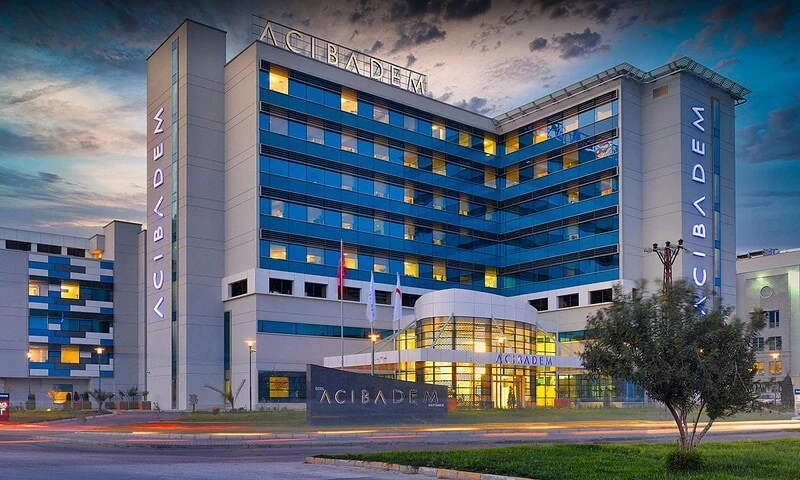
Available at These Hospitals










Frequently Asked Questions
What affects the cost of body aesthetics?
The main factors are the procedure type, treated areas, degree of skin laxity or fat removal, surgeon and hospital factors, anaesthesia needs, recovery requirements, garments, tests, and travel support. A personalised assessment is needed before a reliable quote can be prepared.
How can I get a personalised quote for body aesthetics in Turkey?
You can request a free consultation by sharing your medical history, current health status, treatment goals, and suitable photos for preliminary review. A specialist team can then advise whether you are a candidate and what the package may include.
Are body aesthetics packages usually all-inclusive?
Package content varies by hospital and patient plan. It may include surgery, anaesthesia, hospital stay, interpreter support, transfers, and selected medications, but items such as hotel stay, garments, extra tests, or additional treatments should be confirmed in writing.
Can combining procedures reduce the overall cost?
Combining procedures may reduce repeated hospital and travel logistics, but it is only appropriate when the surgeon considers it safe. The final plan depends on your health, procedure length, expected recovery, and the amount of correction needed.
Is the cheapest option the best choice for body aesthetics?
Cost should be considered together with surgeon experience, hospital accreditation, anaesthesia safety, aftercare, infection control, and communication support. Choosing a qualified team and a clear treatment plan is essential for patient safety.
Does international travel change the cost or recovery plan?
Yes. Flights, accommodation, transfers, interpreter support, companion travel, and the need to stay near the hospital for follow-up can affect the total budget. Your care team should advise when it is medically appropriate to travel after surgery.