

Breast Aesthetics
Breast aesthetics includes breast augmentation, reduction, lift, or combined procedures to improve breast size, shape, symmetry, and proportion. The plan is personalized after examination and surgical consultation.

Quick answer
Breast aesthetics refers to surgical procedures that change the size, shape, position, or symmetry of the breasts, most commonly through augmentation, reduction, lift, or combined techniques. At Acibadem in Turkey, treatment is planned individually after examination and surgical consultation, with the appropriate method selected according to the person’s anatomy, goals, and overall health.
Considering Breast Aesthetics: A Personal Decision That Deserves Medical Precision
Breast aesthetics is often described in terms of appearance, but for many patients the decision is more personal and more complex. You may be thinking about breast surgery because your breasts feel out of proportion with your body, because pregnancy or weight changes have altered their shape, because one breast is noticeably different from the other, or because large breasts cause physical discomfort. Some patients want a fuller contour; others want to feel lighter, more comfortable, or more balanced in clothing. Many simply want their body to look closer to how they feel.
It is also natural to feel cautious. International patients often ask whether the result will look natural, whether scars will be visible, how safe anesthesia is, how long recovery will take, and whether they can return home comfortably after surgery. Some worry about choosing the wrong implant size, losing breast sensation, breastfeeding in the future, or needing another operation later in life. These are appropriate questions. Breast aesthetics should never be treated as a standard package. It is a medical and surgical plan that requires careful examination, realistic expectations, and a detailed conversation with an experienced plastic surgeon.
At Acibadem, breast aesthetic procedures are planned with attention to both form and function. The aim is not simply to make the breasts larger, smaller, or higher, but to create a breast contour that suits the patient’s anatomy, lifestyle, skin quality, chest proportions, and long-term goals. For some patients, this may mean breast augmentation with implants or fat transfer. For others, it may mean breast reduction, breast lift, correction of asymmetry, implant revision, or a combined approach. A thoughtful plan can improve body proportion, reduce discomfort, restore confidence in clothing, and help patients feel more at ease with their appearance.
What Is Breast Aesthetics?
Breast aesthetics refers to a group of plastic surgery procedures designed to improve breast size, shape, position, symmetry, and proportion. The term may include breast augmentation, breast reduction, breast lift, breast reshaping, breast asymmetry correction, implant exchange, or combinations of these procedures. The most appropriate option depends on the patient’s anatomy and goals, as well as medical factors such as breast tissue, skin elasticity, body weight stability, previous surgery, and future pregnancy plans.
Breast augmentation is performed to increase breast volume or improve upper breast fullness. This is most commonly achieved with breast implants, although selected patients may be candidates for fat transfer, where fat is removed from another body area and carefully injected into the breasts. Implants are available in different shapes, sizes, profiles, and surface characteristics. The surgeon helps the patient choose an option that aligns with the width of the chest, the quality of the soft tissue, and the desired look.
Breast reduction removes excess breast tissue, fat, and skin to make the breasts smaller, lighter, and better positioned. It is often chosen by patients who have back, neck, or shoulder pain, skin irritation beneath the breasts, bra strap grooving, difficulty exercising, or limitations in clothing choices. A reduction procedure also reshapes the breast and typically lifts the nipple and areola to a more natural position.
Breast lift, also called mastopexy, addresses breast sagging. It removes excess skin, reshapes the breast tissue, and repositions the nipple and areola. A lift may be performed after pregnancy, breastfeeding, weight loss, or age-related changes. If volume has also been lost, a lift may be combined with an implant or fat transfer. If the breast is both heavy and sagging, a lift may be integrated into a reduction procedure.
Combined breast aesthetic surgery is common because breast concerns often overlap. A patient may want more fullness but also need a lift. Another may need reduction on one side and reshaping on the other to improve symmetry. A patient with old implants may need implant exchange, removal, capsule treatment, or lifting at the same time. Personalized planning is central to achieving a balanced and durable result.
Who May Need Breast Aesthetic Surgery?
Breast aesthetic surgery may be considered by adults who are physically healthy, have realistic expectations, and want to address concerns that cannot be corrected through exercise, skin care, or non-surgical approaches. Because the breasts are influenced by genetics, hormones, body weight, pregnancy, breastfeeding, and aging, the reasons for seeking surgery vary widely.
Some patients seek consultation because they feel their breasts are naturally small or underdeveloped. Others have lost volume after pregnancy or weight loss and notice that the upper breast appears flatter than before. Some patients have breasts that are large, heavy, and uncomfortable. Others are concerned about sagging, downward-pointing nipples, stretched areolas, or asymmetry that makes bras and clothing difficult to fit.
Typical concerns that may lead to breast aesthetic consultation include:
- Breasts that feel too small, too large, or out of proportion with the rest of the body
- Loss of breast fullness after pregnancy, breastfeeding, aging, or weight change
- Breast sagging, low nipple position, or stretched skin
- Uneven breast size, shape, or nipple position
- Physical symptoms from large breasts, including neck, back, shoulder, or posture-related discomfort
- Skin irritation, sweating, or rashes beneath the breast fold
- Difficulty exercising comfortably because of breast size or movement
- Desire to revise or replace previous breast implants
- Changes after prior breast surgery or trauma
Diagnosis and planning begin with a detailed medical consultation. The surgeon reviews the patient’s health history, medications, allergies, previous operations, family history of breast disease, smoking status, and future pregnancy or breastfeeding plans. A physical examination evaluates breast size, shape, skin quality, nipple position, chest wall anatomy, asymmetry, breast base width, and the amount of natural tissue available to cover an implant if augmentation is being considered.
For patients of appropriate age or those with risk factors, breast imaging such as mammography or ultrasound may be recommended before surgery. This is not only for safety but also to establish a clear preoperative baseline. If a patient has breast pain, a lump, nipple discharge, a strong family history of breast cancer, or previous breast disease, further evaluation may be needed before aesthetic surgery is planned. Breast aesthetics should be performed only after medical concerns have been appropriately assessed.
Conditions and Indications Breast Aesthetics Can Address
Breast aesthetic procedures may address both cosmetic and functional concerns. While the goals are individualized, the most common indications fall into several categories.
Small or underdeveloped breasts may be treated with implants or, in selected cases, fat transfer. The goal is to increase volume while maintaining a natural relationship between the breasts, shoulders, waist, and hips. The surgeon considers not only cup size but also chest width, tissue thickness, and long-term comfort.
Loss of breast volume often occurs after pregnancy, breastfeeding, aging, or weight loss. If the nipple position is still acceptable and skin laxity is limited, augmentation alone may be sufficient. If the nipple has descended or the skin envelope has stretched significantly, a lift may be needed in addition to volume restoration.
Breast sagging is treated with a breast lift. Sagging is not only about breast size; it is also related to skin elasticity, tissue weight, and the position of the nipple relative to the breast fold. A lift can reshape the breast mound and improve nipple position, with or without changing breast volume.
Large or heavy breasts may be treated with breast reduction. This procedure can improve breast proportion and may reduce symptoms related to weight, posture, movement, and skin irritation. Many patients choose reduction because they want both aesthetic improvement and physical relief.
Breast asymmetry is very common. Mild differences are normal, but more pronounced asymmetry may affect clothing fit and body confidence. Treatment may involve augmentation on one side, reduction on the other, lifting, reshaping, or a combination of techniques. The goal is improvement in balance rather than mathematical perfection, because natural breasts are not identical.
Implant-related concerns may include a desire to change implant size, switch implant type, correct implant position, address visible rippling, treat capsular contracture, or remove implants entirely. Revision surgery is more complex than first-time augmentation and requires careful evaluation of tissue quality, scar tissue, implant pocket position, and patient expectations.
Post-weight-loss breast changes often involve both volume loss and significant skin laxity. Patients who have lost substantial weight may need a lift, reduction, augmentation, or combined body contouring procedures. Timing is important; stable weight helps support a more predictable result.
How Breast Aesthetic Surgery Is Performed
Breast aesthetic surgery follows a structured pathway, beginning with consultation and ending with long-term follow-up. Although each operation is customized, patients can generally expect several key steps.
Preoperative Consultation and Planning
The first stage is an in-depth conversation with the plastic surgeon. The patient describes what bothers them, what they hope to change, and what type of result feels natural for their body. The surgeon explains which goals are realistic and which techniques may be appropriate. Measurements are taken, photographs may be used for medical planning, and the patient’s anatomy is assessed carefully.
For augmentation, planning includes discussion of implant size, shape, projection, incision location, and placement above or below the chest muscle or muscle fascia, depending on anatomy and surgical judgment. The surgeon may use sizing tools, anatomical measurements, and imaging-based planning methods to help the patient understand proportion and projection. For reduction and lift surgery, the plan focuses on tissue removal, skin reshaping, nipple and areola position, scar pattern, and breast symmetry.
Patients receive instructions about medications, smoking, alcohol intake, nutrition, and when to stop eating or drinking before anesthesia. Blood tests, anesthesia evaluation, electrocardiogram, breast imaging, or other assessments may be requested depending on age, medical history, and planned surgery. If the patient is traveling from abroad, coordination is especially important so that preoperative evaluation, surgery, early recovery, and follow-up are organized within a safe timeframe.
Anesthesia and Surgical Setting
Most breast aesthetic procedures are performed under general anesthesia in a hospital operating room. Patient safety depends on a properly equipped surgical environment, trained anesthesia professionals, sterile technique, and careful monitoring throughout the procedure. Before surgery begins, the surgical markings are usually reviewed while the patient is standing, because breast position changes when lying down.
Breast Augmentation
In breast augmentation, the surgeon creates an incision in a planned location, commonly in the breast fold, around the lower edge of the areola, or in selected cases in the underarm area. A pocket is created for the implant. The pocket may be placed under the breast tissue, partially under the chest muscle, or in another plane chosen according to tissue thickness, implant type, desired contour, and risk considerations. The implant is positioned, symmetry is checked, and the incision is closed in layers.
If fat transfer is used, liposuction is first performed from an area such as the abdomen, waist, thighs, or flanks. The fat is processed and injected into the breast in small amounts through fine cannulas. Fat transfer provides modest volume enhancement and contour refinement, but it is not suitable for every patient or for every desired size increase.
Breast Reduction
In breast reduction, the surgeon removes excess breast tissue, fat, and skin, then reshapes the remaining tissue into a smaller and lifted breast. The nipple and areola are usually moved to a higher position while preserving their connection to underlying tissue whenever possible. The scar pattern may vary, often involving an incision around the areola, a vertical line down the lower breast, and sometimes an incision along the breast fold. The exact pattern depends on breast size, degree of sagging, and the amount of tissue to be removed.
Breast Lift
In a breast lift, excess skin is removed, breast tissue is reshaped, and the nipple and areola are elevated. A lift does not significantly increase breast volume by itself, although it can make the breast appear more youthful and better positioned. If more fullness is desired, the lift may be combined with implants or fat transfer. If the areola has stretched, it can often be reduced during the same procedure.
Combined and Revision Procedures
Combined procedures may take longer because the surgeon must manage several goals at once: volume, shape, nipple position, symmetry, and scar placement. Revision surgery may involve removing old implants, replacing implants, adjusting the implant pocket, treating scar tissue, or lifting the breast. In some cases, a staged approach is safer and more predictable than doing everything in one operation. The surgeon will explain the reasoning if more than one stage is recommended.
Technology and Surgical Tools
Modern breast aesthetic surgery uses several forms of technology to improve planning, safety, and precision. Digital photography and measurement systems help document anatomy and plan symmetry. Imaging may be used to assess breast tissue when medically indicated. In the operating room, advanced anesthesia monitoring supports patient safety, while refined surgical instruments, electrosurgical devices, and meticulous closure techniques help control bleeding, protect tissues, and support healing. Some patients may benefit from specialized support materials or internal tissue reinforcement, particularly in revision or complex lifting cases, but these decisions are individualized.
Typical Duration and Immediate Recovery
The duration of surgery depends on the procedure. A straightforward augmentation may be shorter, while reduction, lift with implants, asymmetry correction, or revision surgery may take longer. After surgery, patients are monitored in a recovery area as anesthesia wears off. Some patients go home or return to their hotel the same day with medical approval, while others may stay in the hospital overnight, particularly after more extensive surgery or when traveling from abroad.
Patients usually wear a surgical bra or supportive garment. Mild to moderate discomfort, tightness, swelling, bruising, and temporary changes in sensation are expected. Pain is managed with prescribed medication. The care team provides instructions about wound care, showering, sleeping position, arm movement, walking, medication, and warning signs that should prompt medical attention.
Why Acting Early Matters and the Risks of Delay
Breast aesthetic surgery is usually elective, so it rarely requires urgent treatment. However, delaying consultation can sometimes prolong physical symptoms or allow concerns to become more difficult to correct. Patients with very large breasts may continue to experience neck, back, shoulder, or skin problems. Ongoing skin irritation beneath the breasts can become recurrent and uncomfortable. Exercise limitations may affect general health and weight control. For these patients, breast reduction is not only aesthetic; it may also support daily comfort and mobility.
For patients with sagging or post-weight-loss changes, waiting is not necessarily harmful, but additional weight fluctuation, pregnancy, or aging may further stretch the skin. This can influence which surgical technique is needed. If a patient is planning pregnancy soon or is actively losing weight, it may be better to delay surgery until the body is more stable. Acting early in this context means seeking professional advice at the right time, not rushing into an operation.
Patients with old implants should not ignore new symptoms such as breast hardness, pain, shape change, swelling, a new lump, or implant displacement. These changes may be benign, but they should be evaluated. Imaging and surgical consultation can clarify whether observation, implant exchange, capsule treatment, or another approach is needed. A timely evaluation helps distinguish aesthetic concerns from medical issues that require closer attention.
Another reason to seek consultation early is planning. International patients need time for medical records, imaging, travel arrangements, recovery days, and follow-up. A carefully planned schedule is safer than a rushed trip with limited time for evaluation or postoperative monitoring.
Benefits of Breast Aesthetic Treatment
The benefits of breast aesthetics vary by procedure, but the following table summarizes common patient-centered goals.
| Benefit | What It Means for You |
|---|---|
| Improved body proportion | Breast size and shape can be adjusted to better match your frame, shoulders, waist, and personal sense of balance. |
| Enhanced breast shape and position | A lift or reshaping procedure can address sagging, low nipple position, and stretched skin for a more supported contour. |
| Relief from physical discomfort | For patients with heavy breasts, reduction may lessen strain on the neck, back, shoulders, and skin beneath the breasts. |
| Better symmetry | Differences in breast size, height, or shape can often be improved, making bras and clothing easier to fit. |
| Personalized appearance | The plan is tailored to your anatomy and preferences, whether you want a subtle refinement or a more noticeable change. |
| Revision of previous surgery | Implant exchange, implant removal, capsule treatment, or reshaping can address concerns from earlier breast procedures. |
Recovery Timeline After Breast Aesthetic Surgery
Recovery varies according to the type of surgery, the patient’s health, and the extent of the procedure, but many patients follow a general pattern.
| Time Period | What Patients Can Expect |
|---|---|
| Day 1 | You will be monitored after anesthesia. Tightness, swelling, and soreness are common. A surgical bra or support garment is usually worn, and walking is encouraged with assistance. |
| First Week | Discomfort typically becomes easier to manage. Patients avoid lifting, pushing, pulling, and raising the arms excessively. Follow-up evaluation checks healing and incision care. |
| First Month | Many patients return to desk-based work and light daily activities when approved by the surgeon. Swelling begins to decrease, but exercise and heavy lifting remain restricted until cleared. |
| Six to Twelve Weeks | Breast shape continues to settle. Scars mature gradually. Most patients resume broader activity in stages, depending on healing and the type of procedure performed. |
| Longer Term | Final shape may continue refining for several months. Scar fading, implant settling, and tissue softening occur gradually. Regular breast health screening should continue as recommended. |
What Influences a Good Breast Aesthetic Result?
A good breast aesthetic result depends on more than surgical technique alone. It begins with choosing the right procedure for the right patient at the right time. Anatomy plays a major role. Skin elasticity, breast tissue quality, chest wall shape, nipple position, breast width, and natural asymmetry all influence what can be achieved. Two patients may choose the same implant size but look very different because their tissues and proportions differ.
Clear communication is also essential. Patients are encouraged to describe their goals in practical terms: how they want clothing to fit, whether they prefer a natural or fuller upper breast contour, what activities matter to them, and how they feel about scars. Photographs may help communicate preferences, but they cannot be copied exactly because every body is different. A responsible surgeon will explain the limits of surgery as clearly as the possibilities.
Weight stability is important, particularly for reduction, lift, and post-weight-loss procedures. Significant weight gain or loss after surgery can change breast size and skin tension. Pregnancy and breastfeeding may also affect long-term shape. This does not mean surgery must always wait until after childbearing, but patients should discuss future plans so timing and technique can be chosen thoughtfully.
Smoking and nicotine exposure can impair blood flow and wound healing. Patients are usually advised to stop smoking and avoid nicotine products before and after surgery. Medical conditions such as diabetes, clotting disorders, autoimmune disease, or a history of poor scarring may require additional planning or may affect candidacy. Medication use, including blood thinners and certain supplements, must be reviewed in advance.
For augmentation, implant selection has a direct effect on the result. An implant that is too large for the tissue envelope may increase the risk of visible edges, stretching, malposition, or the need for revision. An implant that is too small may not meet the patient’s goals. The ideal choice balances desired volume with tissue support, lifestyle, and long-term maintenance. Patients should also understand that breast implants are medical devices and may require monitoring or future replacement.
For lift and reduction procedures, scar quality and breast shape evolve over time. Early swelling can make the breasts appear higher or firmer than the final result. As tissues settle, the contour becomes more natural. Scars typically fade gradually, but they do not disappear completely. Genetics, skin type, incision care, sun protection, and healing biology influence scar appearance.
Following postoperative instructions is another major factor. Wearing the recommended support garment, avoiding strenuous activity too early, attending follow-up visits, taking medications as prescribed, and reporting unusual symptoms all help protect the result. A carefully performed operation can be compromised if healing is stressed before tissues are ready.
Why International Patients Choose Acibadem for Breast Aesthetics
For patients considering breast aesthetic surgery abroad, the decision involves more than selecting a surgeon. It requires confidence in the hospital environment, anesthesia safety, communication, follow-up, and the ability to coordinate care across borders. Acibadem provides breast aesthetic care within a hospital-based medical system, with JCI-accredited hospitals, experienced physicians, modern diagnostic pathways, and dedicated support for international patients.
Plastic surgery consultation at Acibadem is individualized. The surgeon evaluates the patient’s anatomy and listens to the patient’s goals before recommending a procedure. When breast imaging, laboratory testing, anesthesia assessment, or consultation with another specialty is appropriate, these services can be coordinated within the same healthcare network. This is particularly valuable for patients who want aesthetic surgery but also need careful breast health evaluation before proceeding.
Acibadem’s approach reflects international and evidence-based treatment principles. Surgical planning considers safety, proportion, tissue preservation, and realistic long-term outcomes. For complex cases, such as revision breast surgery, significant asymmetry, prior breast disease, or patients with medical conditions, care may involve input from additional specialists. When needed, multidisciplinary boards and specialist consultations help ensure that aesthetic goals do not override medical judgment.
Technology supports both planning and safety. Diagnostic imaging can be used to evaluate breast tissue when indicated. Digital documentation and measurement tools assist in planning shape and symmetry. Operating rooms are equipped for advanced anesthesia monitoring and controlled surgical conditions. The specific surgical tools and methods used depend on the procedure, but the emphasis remains consistent: careful tissue handling, precise closure, and monitoring designed to reduce avoidable risk.
International patient services are an important part of the experience. Patients traveling to Turkey may need assistance with appointment scheduling, medical record transfer, translation, hospital admission, local logistics, and follow-up planning. Acibadem International supports patients in more than 20 languages, helping them understand each step from initial inquiry through postoperative care. Clear communication is particularly important in aesthetic surgery, where details, preferences, and expectations must be understood accurately.
Another reason patients choose Acibadem is the ability to receive care in a comprehensive hospital setting rather than a limited office-based environment. Breast aesthetic surgery may be elective, but it is still surgery. Hospital infrastructure, infection control processes, anesthesia teams, emergency readiness, and postoperative monitoring all matter. For patients traveling from the United States or other countries, this medical depth can be an important consideration.
Personalized treatment planning also helps avoid a one-size-fits-all result. A patient seeking a subtle augmentation may need a very different strategy from a patient seeking reduction for physical discomfort. A patient with thin tissues and previous implants requires different planning than a patient with natural breast sagging after pregnancy. Acibadem physicians aim to align the surgical plan with the patient’s body, health profile, and personal priorities, while explaining risks and limitations in clear language.
Travel planning is handled with medical timing in mind. Patients are advised on how long they may need to stay in Turkey before returning home, when follow-up visits should occur, what activity restrictions apply during travel, and how to continue communication after departure. The appropriate travel schedule depends on the procedure and recovery progress, so it is discussed during consultation rather than assumed in advance.
A Thoughtful Next Step Toward Breast Aesthetic Care
Breast aesthetics is a personal decision, but it should be guided by medical expertise, careful planning, and honest discussion. Whether you are considering augmentation, reduction, lift, asymmetry correction, implant revision, or a combined procedure, the best plan begins with understanding your anatomy, your health, and your expectations. A successful consultation should leave you better informed, not pressured.
If you are exploring breast aesthetic surgery in Turkey, Acibadem can review your concerns, evaluate your medical information, and help you understand which options may be appropriate for you. International patients may request a consultation or second opinion to discuss procedure choices, recovery timing, travel planning, and the questions that matter most before making a decision.
This information is general and is not a substitute for professional medical advice, diagnosis, or treatment. A qualified physician should evaluate your individual condition and recommend the most appropriate care plan.
Preparation
- Preparation starts with a plastic surgery consultation, physical examination, measurements, and discussion of goals and implant or reshaping options. Breast imaging or routine blood tests may be requested when appropriate. Patients are usually advised to stop smoking, avoid blood-thinning medicines, and follow fasting instructions before surgery.
Aftercare
- After surgery, patients wear a supportive surgical bra and follow wound care, medication, and activity instructions. Swelling, tightness, and mild bruising are expected and gradually improve. Heavy lifting, strenuous exercise, and sleeping on the chest should be avoided until the surgeon confirms it is safe.
Turkey vs UK, Germany & USA
Breast aesthetics may include augmentation, reduction, lift, revision surgery, or combined procedures, and the overall cost depends on the surgical plan and care pathway. Comparing destinations can help patients understand how hospital standards, surgeon experience, logistics, and package inclusions affect the final quotation.
The comparison below focuses on practical factors that may influence cost and patient experience when planning breast aesthetics abroad or locally.
| Factor | Turkey | UK | Germany | USA |
|---|---|---|---|---|
| Price drivers | Procedure type, implant choice if used, hospital category, surgeon expertise, anaesthesia, and whether procedures are combined. | Private hospital fees, consultant fees, implant or surgical materials, anaesthesia, and follow-up arrangements. | Clinic or hospital setting, surgeon seniority, implant or surgical materials, anaesthesia, and medical testing requirements. | Facility fees, surgeon and anaesthesia fees, implant or material costs, imaging or testing, and regional pricing variation. |
| Hospital and surgeon factors | International hospitals often offer coordinated pathways, experienced plastic surgeons, and multidisciplinary preoperative assessment. | Care is usually consultant-led in private practice, with access to regulated hospitals and clinics. | Care is commonly structured through specialist clinics or hospitals with detailed preoperative evaluation. | Care may be delivered in hospitals or accredited surgical centres, with wide variation by provider and location. |
| Accreditation and quality | JCI-accredited hospital options are available, including Acibadem facilities, with international patient processes and safety protocols. | Providers are regulated through national systems and private hospital governance, with quality checks depending on the facility. | Facilities operate under national healthcare regulation, with clinic and hospital quality systems varying by provider. | Accredited hospitals and surgery centres are available, with quality frameworks depending on state and facility accreditation. |
| Typical waiting times | Private scheduling for international patients can often be coordinated efficiently after medical review and travel planning. | Private treatment may be scheduled faster than public pathways, but availability depends on surgeon and facility capacity. | Private appointments are generally planned around specialist availability and required preoperative checks. | Scheduling depends on provider availability, insurance or self-pay arrangements, and preoperative clearance. |
| Travel and language logistics | International patient teams can assist with interpretation, airport transfers, accommodation guidance, and appointment coordination. | Minimal language barriers for English-speaking patients; travel needs depend on the patient’s location. | International patients may need interpreter support and help coordinating travel, records, and follow-up. | English-language care is standard, but travel distances and local accommodation costs can vary significantly. |
| What a package may include | Packages may combine surgeon consultation, hospital stay when needed, anaesthesia, standard tests, nursing care, translator support, and transfers. | Quotes may separate consultation, procedure, facility, anaesthesia, implants or garments, and follow-up visits. | Quotes may include medical assessment, surgery, hospital or clinic services, anaesthesia, and selected follow-up, depending on provider. | Quotes are often itemised, with separate facility, surgeon, anaesthesia, implants, prescriptions, garments, and follow-up costs. |
- What affects your final cost:
- The chosen procedure, such as augmentation, reduction, lift, revision, or a combined operation.
- The complexity of reshaping, asymmetry correction, skin quality, and whether implants or fat transfer are used.
- Surgeon experience, hospital accreditation, anaesthesia type, operating room requirements, and length of stay.
- Preoperative tests, medical imaging if needed, compression garments, medication, and follow-up planning.
- Travel, accommodation, interpreter support, companion needs, and any additional services included in the care package.
Compare your options
Breast aesthetics includes several clinical options, and suitability is decided by a specialist after examination, medical history review, and discussion of expectations.
| Option | What it is | Typical use | Key considerations |
|---|---|---|---|
| Breast augmentation with implants | Surgical placement of breast implants to increase volume or improve contour. | Patients seeking fuller breasts, improved proportion, or restoration of volume after pregnancy, weight change, or ageing. | Implant type, shape, placement, incision location, long-term monitoring, and realistic expectations are reviewed with the surgeon. |
| Fat transfer breast augmentation | Uses the patient’s own fat, taken by liposuction and transferred to the breast area. | Patients seeking a modest volume change and natural contour improvement without implants. | Requires suitable donor fat, may have limits in achievable volume, and results depend on tissue response and healing. |
| Breast reduction | Removes excess breast tissue, fat, and skin to reduce size and reshape the breast. | Patients with heavy breasts, discomfort, posture concerns, skin irritation, or difficulty with clothing and activity. | Scarring pattern, nipple position, breast sensation, breastfeeding considerations, and symmetry are discussed in consultation. |
| Breast lift | Raises and reshapes sagging breasts by removing excess skin and repositioning tissue. | Patients with drooping, loss of firmness, or nipple position changes after ageing, weight change, pregnancy, or breastfeeding. | A lift improves shape and position but may not add volume unless combined with implants or fat transfer. |
| Augmentation with lift | Combines volume enhancement with reshaping and elevation of the breast. | Patients who want both fuller volume and correction of sagging or shape changes. | More planning is required because implant choice, skin tightening, tissue support, and scar placement must be balanced. |
| Revision or asymmetry correction | Adjusts previous breast surgery results or improves differences in size, shape, or position. | Patients with implant-related concerns, visible asymmetry, contour issues, or changes after earlier surgery. | Often more complex than first-time surgery and may require implant exchange, capsule treatment, tissue reshaping, or staged planning. |
Trusted care for international patients
General information only — not medical or financial advice. Final costs depend on the factors above and your individual case; request a free, personalised quote.
Doctors Performing This Treatment

Prof. Dr. Bülent Saçak
Aesthetic Plastic & Reconstructive Surgery
Prof. Dr. Ersin Ülkür
Aesthetic Plastic & Reconstructive Surgery
Prof. Dr. Hakan Ağır
Aesthetic Plastic & Reconstructive Surgery
Prof. Dr. Mehmet Veli Karaaltın
Aesthetic Plastic & Reconstructive Surgery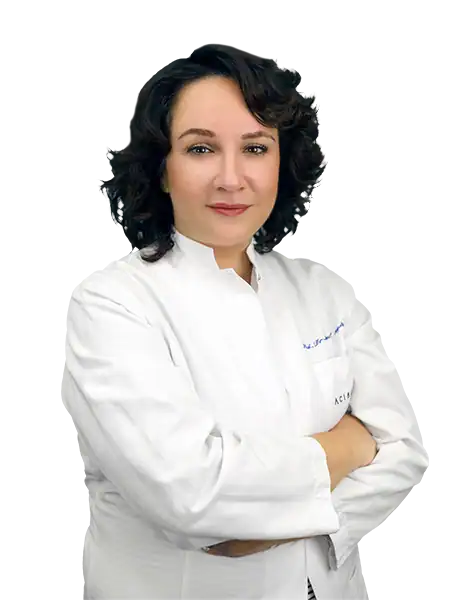
Prof. Dr. Çiğdem Ünal Gülmeden
Aesthetic Plastic & Reconstructive Surgery
Assoc. Prof. Dr. Ahmet Küçükçelebi
Aesthetic Plastic & Reconstructive Surgery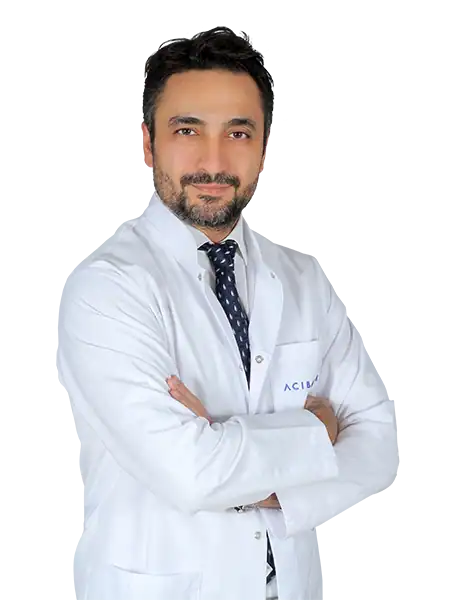
Assoc. Prof. Dr. Mehmet Altiparmak
Aesthetic Plastic & Reconstructive Surgery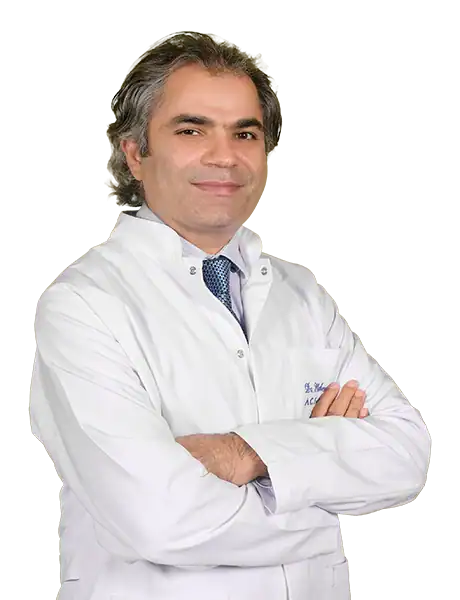
Assoc. Prof. Dr. Mehmet Sağır
Aesthetic Plastic & Reconstructive Surgery
Asst. Prof. Dr. Berkhan Yilmaz
Aesthetic Plastic & Reconstructive Surgery
Dr. Abdullah Etöz
Aesthetic Plastic & Reconstructive Surgery
Dr. Ayşe İrem İskenderoğlu
Aesthetic Plastic & Reconstructive Surgery
Dr. Burak Sercan Erçin
Aesthetic Plastic & Reconstructive Surgery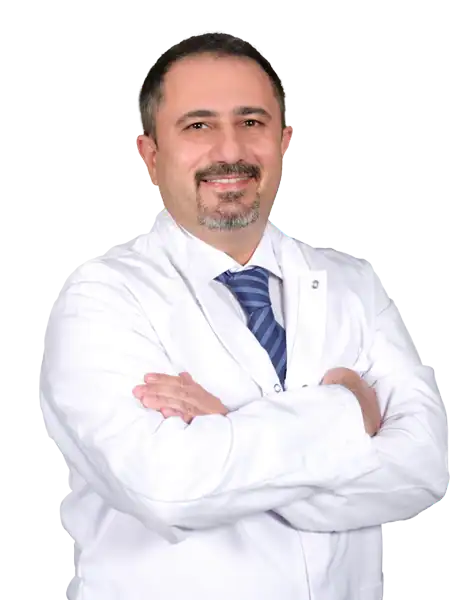
Dr. Cem Öz
Aesthetic Plastic & Reconstructive Surgery
Dr. Mahmut Özyilmaz
Aesthetic Plastic & Reconstructive Surgery
Dr. Mehmet Severcan
Aesthetic Plastic & Reconstructive Surgery
Dr. Mithat Ulay
Aesthetic Plastic & Reconstructive Surgery
Dr. Mutluhan Temizsoy
Aesthetic Plastic & Reconstructive Surgery
Dr. Münür Selçuk Kendir
Aesthetic Plastic & Reconstructive Surgery
Dr. Nargiz Ibrahimli
Aesthetic Plastic & Reconstructive Surgery
Dr. Nezail Demircler
Aesthetic Plastic & Reconstructive Surgery
Dr. Nihal Üstün
Aesthetic Plastic & Reconstructive Surgery
Dr. Nuri Soysal
Aesthetic Plastic & Reconstructive Surgery
Dr. Okan Acıcbe
Aesthetic Plastic & Reconstructive Surgery
Dr. Serkan Tokgönül
Aesthetic Plastic & Reconstructive SurgeryMedical Units
Available at These Hospitals












Guides for This Treatment
Frequently Asked Questions
What affects the cost of breast aesthetics?
The cost depends on the procedure type, surgical complexity, implant or material choice if used, hospital and surgeon factors, anaesthesia, preoperative tests, length of stay, garments, medication, and follow-up needs. Travel and accommodation can also affect the total budget for international patients.
How can I get a personalised quote from Acibadem?
You can request a free consultation and share your medical history, goals, and recent photos if requested by the medical team. A plastic surgeon reviews your case and the international patient team prepares a personalised quotation based on the recommended plan.
Are breast implant costs included in the package?
Package content varies by surgical plan. If implants are recommended, the quotation should clarify whether implant selection, hospital services, anaesthesia, standard tests, garments, and follow-up are included or listed separately.
Is breast lift less expensive than breast augmentation?
Not always. A lift and an augmentation involve different surgical goals, operating room requirements, materials, and technical complexity. The final cost depends on the individual anatomy and whether procedures are combined.
Does travelling to Turkey change the overall cost?
For international patients, the total cost may include flights, accommodation, transfers, companion expenses, and time away from home. Acibadem’s international patient services can help coordinate logistics and provide a clear package outline before travel.
Is the quote medical or financial advice?
No. General cost information is educational only. A final treatment recommendation and quotation are provided after specialist assessment, and patients should ask what is included, what is optional, and what follow-up is planned.