

Breast Lift (Mastopexy )
Breast lift (mastopexy) raises and reshapes sagging breasts by removing excess skin and repositioning breast tissue and nipples for a firmer, more youthful contour.

Quick answer
A breast lift, or mastopexy, is surgery that raises and reshapes sagging breasts by removing excess skin and repositioning breast tissue and the nipple to create a firmer contour. At Acibadem in Turkey, mastopexy is planned individually and performed under anesthesia, with techniques chosen according to breast shape, skin laxity, and whether implant-based volume enhancement is also needed.
Considering a Breast Lift: Understanding the Decision
Choosing breast lift surgery is often both a physical and emotional decision. Many women begin researching mastopexy after noticing that the breasts sit lower than they used to, the nipples point downward, or the upper breast has lost fullness after pregnancy, breastfeeding, weight changes, aging, or genetics. These changes are common and medically normal, yet they can affect how clothing fits, how balanced the body feels, and how comfortable a patient feels in her own appearance.
For international patients, the decision may carry additional questions. You may be wondering whether surgery is truly necessary, what kind of scars to expect, how natural the result can look, how long recovery will take, and whether it is safe to travel for care. You may also be comparing breast lift with breast augmentation, breast reduction, or a combination procedure. A thoughtful consultation helps clarify these choices and align the surgical plan with your anatomy, expectations, lifestyle, and long-term goals.
A breast lift, also called mastopexy, is designed to raise and reshape sagging breasts. It does not simply “tighten the skin.” It repositions the breast tissue and nipple-areola complex to create a more elevated, proportionate contour. When performed for the right patient with careful planning, mastopexy can improve breast shape, symmetry, and overall body balance while maintaining a result that appears natural rather than overdone.
What Is a Breast Lift?
A breast lift is a plastic surgery procedure that corrects breast ptosis, the medical term for sagging. During mastopexy, the surgeon removes excess stretched skin, reshapes the breast tissue, and lifts the nipple and areola to a more youthful position. If the areola has enlarged over time, it can often be reduced as part of the same operation.
The purpose of mastopexy is not primarily to make the breasts larger. In many patients, the breasts may appear fuller after a lift because the existing tissue is repositioned and the breast shape is improved. However, the actual volume is not significantly increased. Patients who want both a lift and more upper breast fullness may consider combining mastopexy with breast implants or, in selected cases, fat transfer. Patients who feel their breasts are too large or heavy may benefit from a breast reduction, which includes lifting and reshaping while removing additional breast tissue.
The surgical technique is individualized. Some patients need only a limited incision around the areola, while others require a vertical incision and, in more advanced sagging, an incision along the breast crease. The right approach depends on the degree of sagging, breast size, skin quality, nipple position, areola size, and the patient’s desired shape.
A well-planned breast lift respects the natural anatomy of the chest and breast. The goal is not to create a single “standard” look, but to restore a breast position and contour that suits the patient’s body frame. This is why preoperative assessment, careful measurements, and a clear discussion of expectations are central to the process.
Who May Need a Breast Lift?
A breast lift may be appropriate for women whose breasts have lost elevation, firmness, or shape. This can occur at different ages and for many reasons. Some patients notice changes after pregnancy and breastfeeding. Others experience sagging after significant weight loss. Some have naturally lower breast positioning due to genetics, even without pregnancy or major weight fluctuation.
Common signs that may lead a patient to consider mastopexy include nipples that sit below the breast crease, nipples that point downward, stretched breast skin, enlarged areolas, loss of upper breast fullness, or a flattened and elongated breast shape. Some patients also report that the breasts feel heavy or unsupported, even when the volume is not excessive.
A simple way surgeons evaluate breast ptosis is by looking at the relationship between the nipple and the inframammary fold, which is the natural crease under the breast. If the nipple is at or below this fold, a lift may be considered. The degree of sagging helps determine which surgical technique is most suitable.
Diagnosis and planning begin with a medical history and physical examination. Your surgeon will assess breast size, symmetry, skin elasticity, nipple position, areola size, chest wall shape, and any prior breast surgery. Photographs may be taken for medical planning. Depending on age, medical history, and breast cancer screening guidelines, breast imaging such as mammography or ultrasound may be recommended before surgery.
Good candidates are generally in stable health, do not smoke or are willing to stop smoking before and after surgery, have stable weight, and understand that visible scars are part of mastopexy. Patients planning future pregnancy may still have a breast lift, but pregnancy and breastfeeding can change the result. For this reason, many women prefer to wait until they have completed childbearing, although this is a personal decision.
A breast lift is also a procedure where expectations must be realistic. Surgery can improve breast position and shape, but it cannot stop normal aging, gravity, weight changes, or hormonal changes. A careful consultation helps determine whether mastopexy alone will meet the patient’s goals or whether augmentation, reduction, or another body contouring procedure should be discussed.
Conditions and Indications Addressed by Mastopexy
Breast lift surgery is most often performed to address breast ptosis. Ptosis may be mild, moderate, or severe. In mild cases, the nipple is near the level of the breast crease. In more advanced cases, the nipple sits clearly below the crease and may point downward. The lower breast may appear stretched, while the upper breast may look empty.
Mastopexy may be recommended for patients with post-pregnancy breast changes. Pregnancy and breastfeeding can stretch the skin and supporting tissues of the breast. After breastfeeding ends, the glandular tissue may shrink, leaving loose skin and a drooping shape. A breast lift can raise the nipple position and reshape the remaining tissue.
Patients after major weight loss may also benefit. When breast volume decreases significantly, the skin may not fully retract. This can leave the breasts deflated, low, or asymmetrical. In these cases, mastopexy may be part of a broader body contouring plan, sometimes combined with procedures such as abdominoplasty or arm lift when medically appropriate.
Breast lift can also help correct certain types of asymmetry. Many women naturally have one breast that sits lower than the other, or one areola that differs in size or position. While perfect symmetry is not possible, mastopexy can improve balance and make the breasts appear more aligned.
Another indication is enlarged or stretched areolas. During breast lift surgery, the areola can often be resized and repositioned while maintaining proportion with the reshaped breast. This can contribute significantly to the final aesthetic result.
For some patients, mastopexy is considered after implant removal. When breast implants are removed, the breast skin may appear loose, particularly if implants were large or present for many years. A lift can help reshape the breast envelope after explant surgery, with or without replacement implants depending on the patient’s preference and tissue characteristics.
How Breast Lift Surgery Is Performed
Preoperative Consultation and Surgical Planning
The process begins with a detailed consultation with a plastic surgeon. This visit is not only about deciding whether a breast lift is technically possible. It is an opportunity to understand your goals, discuss your medical history, evaluate your breast anatomy, and decide which procedure best fits your expectations.
Your surgeon will ask about previous surgeries, pregnancies, breastfeeding history, medications, allergies, smoking, family history of breast cancer, and any breast symptoms such as lumps, pain, nipple discharge, or skin changes. If you are due for breast screening, imaging may be requested before surgery. This is an important safety step and helps create a clear baseline before aesthetic breast surgery.
During the examination, the surgeon will take measurements and assess the degree of sagging. The quality of the skin is especially important. Skin that is thin, stretched, or sun-damaged may behave differently from firmer skin. Breast volume, chest width, shoulder proportion, and body frame are also considered. These details guide the incision pattern and the degree of reshaping needed.
Patients are usually advised to stop smoking before surgery and during early recovery because nicotine can reduce blood flow and interfere with healing. Certain medications and supplements that may increase bleeding risk may need to be paused under medical guidance. Instructions are individualized and should always be confirmed by the surgical team.
Choosing the Incision Pattern
There are several breast lift techniques. A periareolar lift uses an incision around the edge of the areola and may be suitable for mild sagging. A vertical or “lollipop” lift uses an incision around the areola and a vertical line down to the breast crease. This is commonly used for moderate sagging and allows more reshaping. An anchor or inverted-T lift adds an incision along the breast crease and may be used for more significant sagging, larger breasts, or patients who need more skin removal.
The choice of incision is based on anatomy rather than preference alone. A smaller incision is appealing, but it may not provide enough correction in patients with more advanced ptosis. Conversely, a longer incision may allow better shaping and a more stable result when the breast has significant excess skin. The surgeon’s role is to explain the trade-off between scar length and shape improvement in a clear, realistic way.
The Day of Surgery
Breast lift surgery is typically performed under general anesthesia, although anesthesia planning depends on the patient’s health, procedure complexity, and institutional protocols. Before surgery, markings are made on the skin while the patient is standing. These markings guide the new nipple position, the amount of skin to remove, and the reshaping pattern.
In the operating room, the surgeon makes the planned incisions, removes excess skin, and repositions the breast tissue. The nipple and areola are usually kept attached to underlying tissue to preserve blood supply and sensation as much as possible. The areola may be reduced if needed. The breast is reshaped internally, and the skin is closed in layers to support healing.
If augmentation is being combined with mastopexy, implants may be placed during the same operation in carefully selected patients. If reduction is needed, excess breast tissue is removed and the breast is lifted at the same time. Combination procedures require additional planning because they change both the volume and the position of the breast.
The operation often takes a few hours, depending on complexity and whether additional procedures are performed. Some patients go home the same day after appropriate monitoring, while others may stay overnight based on medical factors, travel plans, or the extent of surgery. For international patients, the surgical team will advise how long to remain near the hospital before flying home.
Technology and Safety Measures Used in Planning and Care
Modern breast lift care relies on careful assessment, precise surgical planning, and safe perioperative monitoring. Digital imaging may be used to document anatomy and support planning discussions. Breast ultrasound or mammography may be recommended when screening is appropriate. In the operating room, advanced anesthesia monitoring helps the medical team follow vital signs closely throughout the procedure.
Surgical techniques focus on tissue preservation, controlled dissection, layered closure, and attention to blood supply. In selected cases, specialized energy devices may help reduce bleeding during tissue work. Compression garments or surgical bras support the breasts during early healing. The specific tools and methods used are chosen according to patient anatomy, surgeon judgment, and hospital protocols.
Early Recovery
After surgery, patients wake in a recovery area under medical supervision. The breasts are covered with dressings and supported by a surgical bra. Some swelling, bruising, tightness, and discomfort are expected. Pain is usually managed with prescribed medications and tends to improve steadily over the first several days.
Patients are encouraged to walk gently soon after surgery to support circulation, but strenuous activity and heavy lifting must be avoided. Sleeping on the back and keeping the upper body slightly elevated may reduce swelling. Most patients can return to desk-based work within one to two weeks, depending on comfort and the nature of their job. Exercise, lifting, and upper body training are reintroduced gradually after the surgeon confirms healing is progressing well.
Scars are part of breast lift surgery. They are usually firm and pink at first, then gradually fade and soften over months. Scar quality depends on genetics, incision placement, surgical technique, skin type, sun exposure, and aftercare. Your surgeon may recommend silicone-based scar care, sun protection, and follow-up visits to monitor healing.
Why Acting Early Can Matter
Breast sagging is not usually a medical emergency. However, acting at the right time can make planning easier and may help prevent further stretching in some patients. When skin laxity becomes more advanced, the procedure may require longer incisions or more extensive reshaping. Patients with large, heavy, or significantly drooping breasts may also experience skin irritation under the breast crease, bra strap discomfort, or difficulty finding supportive clothing.
Delaying evaluation can also prolong uncertainty. Some patients spend years trying to correct sagging with bras, padding, or exercise. While strengthening the chest muscles may improve posture and upper body tone, it cannot lift the breast tissue itself or reposition the nipple. A consultation can clarify what surgery can and cannot accomplish, allowing patients to make an informed decision rather than relying on assumptions.
It is also important not to ignore new breast symptoms. A change in breast shape is often related to aging, pregnancy, or weight change, but lumps, nipple discharge, skin dimpling, persistent pain, or sudden asymmetry should be evaluated medically before any cosmetic procedure. A responsible surgical pathway includes appropriate breast health assessment before aesthetic planning.
Benefits of Breast Lift Surgery
The potential benefits of mastopexy are best understood in practical terms, including appearance, comfort, clothing fit, and body proportion.
| Benefit | What It Means for You |
|---|---|
| Improved breast position | The nipples and breast tissue are lifted to a more balanced location on the chest, helping the breasts appear less drooped or elongated. |
| More defined breast shape | Reshaping the internal tissue can create a firmer, more rounded contour, especially in the lower breast. |
| Better body proportion | A lift can improve the relationship between the breasts, waist, shoulders, and torso, which may make clothing and swimwear fit more naturally. |
| Areola repositioning or reduction | Stretched or low areolas can be resized and placed in a more proportionate position as part of the same procedure. |
| Opportunity for tailored combination surgery | If appropriate, mastopexy can be combined with augmentation, reduction, implant removal, or other procedures to address several concerns in one treatment plan. |
Breast Lift Recovery Timeline
Recovery varies by patient and procedure type, but most people follow a gradual healing pattern over weeks to months.
| Time Period | What Patients Can Expect |
|---|---|
| Day 1 | You will be monitored after anesthesia, wear dressings and a surgical bra, and begin gentle walking. Tightness, swelling, and soreness are expected. |
| First Week | Discomfort usually improves. You should avoid lifting, stretching, and strenuous activity. Follow-up care checks incision healing and early swelling. |
| First Month | Many patients return to routine daily activities and desk work. Exercise is reintroduced only with medical approval. Swelling continues to decrease. |
| Three to Six Months | The breasts settle into a more natural position. Scars begin to soften and fade, although they remain visible and continue maturing. |
| Longer Term | The final shape becomes clearer as tissues settle. Results are long lasting, but aging, gravity, pregnancy, and weight changes can affect breast position over time. |
Factors That Influence a Good Result
A good breast lift result depends on more than the operation itself. It begins with choosing the right procedure for the patient’s anatomy and goals. A patient with mild sagging and adequate breast volume may do well with mastopexy alone. A patient with significant volume loss may need to consider whether a lift without augmentation will provide enough fullness. A patient with very heavy breasts may achieve better comfort and shape with reduction rather than lift alone.
Skin quality is one of the most important factors. Firm, elastic skin may hold the new shape more effectively, while thin or stretched skin may be more prone to recurrent laxity over time. Weight stability also matters. Significant weight gain or loss after surgery can change the breast shape and skin tension. Patients are usually encouraged to be near a stable, healthy weight before undergoing mastopexy.
Smoking and nicotine exposure can affect healing because they reduce blood flow to the skin and tissues. This is especially important in breast lift surgery, where the nipple and skin flaps must maintain a reliable blood supply. Following instructions about smoking cessation, medications, wound care, and activity restrictions helps reduce avoidable risks.
Surgical planning influences scar placement, breast symmetry, nipple position, and long-term support. Even with excellent planning, the two breasts are never perfectly identical. Natural differences in chest wall shape, rib position, breast volume, and skin elasticity can affect the final appearance. A skilled surgeon aims to improve symmetry and proportion while respecting these natural limits.
Recovery behavior also matters. Returning to intense exercise too soon, lifting heavy objects, sleeping on the chest, or failing to wear the recommended support garment can strain healing tissues. Attending follow-up visits allows the surgical team to monitor recovery, detect concerns early, and guide scar management.
Finally, emotional readiness is important. Breast lift surgery can improve shape and confidence, but it should be chosen for personal reasons rather than pressure from others. Patients who understand the benefits, limitations, scars, and recovery process are generally better prepared and more satisfied with their decision.
Risks and Safety Considerations
Like all surgical procedures, mastopexy has risks. These may include bleeding, infection, delayed wound healing, fluid collection, changes in nipple or breast sensation, asymmetry, visible scarring, contour irregularities, and the possibility of revision surgery. Rarely, compromised blood supply can affect the nipple, areola, or skin. Risks may be higher in smokers, patients with certain medical conditions, or those undergoing more complex combination procedures.
Breastfeeding after mastopexy may still be possible for some women, but it can be affected by the surgical technique and individual anatomy. If future breastfeeding is important to you, this should be discussed during consultation. Sensation changes are also possible. Some patients experience temporary numbness or hypersensitivity; in some cases, changes can persist.
A responsible approach to mastopexy includes careful patient selection, appropriate breast screening, safe anesthesia care, sterile surgical technique, and structured postoperative follow-up. International patients should also discuss travel timing, mobility during flights, compression recommendations, and how to communicate with the care team after returning home.
Why International Patients Choose Acibadem for Breast Lift Surgery
For patients traveling abroad for breast lift surgery, clinical quality and trust are central. Acibadem Hospitals in Turkey provide care within JCI-accredited hospital environments, where surgical safety, infection control, anesthesia protocols, and patient processes are organized according to internationally recognized standards. This is particularly important for patients who want aesthetic surgery performed in a hospital setting with access to broader medical resources if needed.
Breast lift surgery at Acibadem is planned by experienced plastic surgeons who evaluate not only breast appearance, but also breast health, body proportion, prior surgeries, lifestyle, and recovery needs. When appropriate, patients may be referred for breast imaging, additional medical assessment, or input from other specialists. This multidisciplinary mindset supports safer decision-making, especially for patients with complex histories, previous breast procedures, significant weight loss, or combined surgery goals.
International and evidence-based treatment protocols guide the patient pathway from consultation through recovery. Preoperative testing, anesthesia evaluation, surgical planning, postoperative monitoring, and follow-up are coordinated with attention to both safety and patient comfort. For many patients, the reassurance comes from knowing that aesthetic surgery is integrated into a comprehensive hospital system rather than treated as an isolated procedure.
Acibadem’s international patient services are designed for people traveling from abroad, including patients from the United States, Europe, the Middle East, Africa, and other regions. Support may include appointment coordination, medical record review, interpretation in more than 20 languages, hospital admission assistance, discharge planning, and guidance for follow-up communication after returning home. This coordination is especially valuable when patients are navigating a different healthcare system, language, and travel schedule.
Technology supports the process without replacing clinical judgment. Diagnostic imaging, digital documentation, modern operating rooms, anesthesia monitoring, and structured recovery units all contribute to a safer and more organized surgical experience. The specific surgical plan remains personalized, because breast lift outcomes depend on the patient’s anatomy, tissue quality, goals, and healing pattern.
Patients considering mastopexy at Acibadem can expect a consultation focused on clarity: whether a lift is appropriate, what incision pattern may be needed, whether volume enhancement or reduction should be considered, what scars are likely, and how recovery should be planned around travel. A high-quality consultation does not pressure a patient toward surgery; it helps the patient understand the options and decide with confidence.
Planning Your Consultation or Second Opinion
If you are considering a breast lift, the most useful next step is a detailed evaluation. Sharing photographs, medical history, prior breast surgery details, pregnancy and breastfeeding history, current medications, smoking status, and recent breast imaging can help the surgical team provide a more meaningful initial opinion. For international patients, this early review can also help determine how long to plan for travel, what preoperative tests may be needed, and whether additional procedures should be discussed.
During your consultation, ask what type of mastopexy technique is recommended and why. Ask where the scars will be located, whether breast volume will change, whether implants or reduction should be considered, and what recovery limitations apply. It is also appropriate to ask how breast screening is handled, how complications are managed, and how follow-up works after you return home.
A breast lift is a personal procedure, and the best plan is one that is medically sound, aesthetically balanced, and realistic for your life. With careful assessment, experienced surgical care, and clear communication, mastopexy can help restore a lifted breast contour while respecting your natural proportions.
If you would like to learn whether breast lift surgery is suitable for you, you may request a consultation or second opinion with Acibadem’s plastic surgery team. Your evaluation can help clarify your options and support an informed decision about timing, technique, and recovery.
This information is provided for general educational purposes and is not a substitute for professional medical advice, diagnosis, or treatment. A qualified physician should evaluate your individual condition and recommend the most appropriate care plan.
Preparation
- Preparation begins with a plastic surgery consultation to assess breast shape, skin quality, goals, and medical history. Preoperative tests and breast imaging may be requested depending on age and risk factors. Patients are usually advised to stop smoking and avoid blood-thinning medicines or supplements before surgery.
Aftercare
- After surgery, patients usually wear a supportive surgical bra and avoid heavy lifting, strenuous exercise, and sleeping on the chest for several weeks. Mild swelling, bruising, and tightness are expected and improve gradually. Follow-up visits are important to monitor healing, incision care, and final breast shape.
Turkey vs UK, Germany & USA
Breast lift cost and experience can vary by destination, hospital setting, surgeon expertise and whether the lift is combined with implants or reduction. The comparison below highlights practical factors international patients commonly consider when planning mastopexy.
Costs for breast lift surgery are shaped by clinical complexity, hospital standards, anaesthesia, aftercare and travel logistics rather than location alone.
| Factor | Turkey | UK | Germany | USA |
|---|---|---|---|---|
| Cost structure | Often offered as an international patient package covering key medical and travel support elements. | Private care is commonly itemised, while public pathways are usually limited to medically indicated cases. | Private treatment is typically structured with separate clinical, hospital and anaesthesia components. | Private care is often highly itemised, with facility, surgeon and anaesthesia fees billed separately. |
| Hospital and accreditation | International hospitals may offer JCI-accredited care, multilingual coordination and dedicated patient services. | Private hospitals and clinics vary by accreditation, consultant access and aftercare model. | Hospitals and specialist clinics usually emphasise regulated clinical pathways and documentation. | Hospital and outpatient surgical centre standards vary by provider, accreditation and insurance arrangements. |
| Surgeon factors | Price depends on plastic surgeon experience, case complexity and whether additional procedures are included. | Consultant reputation, clinic location and aftercare access can influence the overall fee. | Specialist credentials, hospital affiliation and surgical planning may affect the quotation. | Surgeon demand, location and operating facility choice can significantly influence the final bill. |
| Waiting and scheduling | International patient departments may coordinate consultation, surgery date and follow-up within a planned travel pathway. | Private scheduling can be flexible, while public routes may involve longer assessment pathways. | Scheduling is often planned after specialist assessment and preoperative clearance. | Scheduling is usually provider dependent and may be influenced by insurance approval or self-pay arrangements. |
| Travel and language logistics | Packages may include airport transfers, interpreter support and assistance with accommodation planning. | Travel is simpler for local patients, while international patients may need to arrange language and transfer support separately. | International patients may require language assistance and coordination for travel, accommodation and follow-up. | Long-distance travel can add accommodation, transport and aftercare coordination considerations. |
| What is commonly included | Consultation, preoperative tests, surgery, anaesthesia, hospital services, post-operative checks and patient coordination may be bundled. | Inclusions vary by provider and may separate consultation, procedure, garments, medication and follow-up. | Quotations may list diagnostic workup, surgery, hospital care, anaesthesia and follow-up separately. | Quotes often separate surgeon, facility, anaesthesia, tests, garments and post-operative visits. |
What affects your final cost
- Degree of sagging and the amount of skin reshaping required.
- Whether mastopexy is performed alone or combined with implants, fat transfer, implant exchange or reduction.
- Type of anaesthesia, operating facility and expected hospital pathway.
- Surgeon experience, technique used and complexity of nipple and tissue repositioning.
- Preoperative tests, imaging when needed, post-operative garments, medication and follow-up visits.
- Travel, accommodation, interpreter support and personal recovery preferences.
Compare your options
Several clinical approaches may be considered for breast lifting, depending on breast volume, skin quality, nipple position and patient goals. Suitability is decided by a specialist after examination and medical assessment.
| Option | What it is | Typical use | Key considerations |
|---|---|---|---|
| Mastopexy without implants | Excess skin is removed and the breast tissue and nipple are repositioned to create a lifted contour. | Used when the patient is satisfied with breast volume but wants correction of sagging. | Can improve shape and nipple position, but does not add volume in the way an implant does. |
| Mastopexy with implants | A lift is combined with breast implant placement to improve position and add fullness. | Considered when sagging is present together with loss of upper breast volume. | Implant choice, pocket placement and long-term implant follow-up affect planning and cost. |
| Mastopexy with breast reduction | A lift is combined with removal of excess breast tissue to reduce size and reshape the breast. | Used for patients with sagging, heaviness, discomfort or a desire for smaller breasts. | May involve more tissue removal and detailed planning for symmetry, scarring and recovery. |
| Implant exchange with lift | Existing implants are replaced or removed while the breast is lifted and reshaped. | Considered for patients with previous augmentation who have sagging, implant ageing or change in aesthetic goals. | Complexity depends on implant condition, capsule findings, tissue quality and desired result. |
| Non-surgical skin tightening | Energy-based or skin-quality treatments that aim to improve firmness without surgical lifting. | May be discussed for very mild laxity or as supportive care rather than a true lift. | Cannot reposition the nipple or remove significant excess skin, so results are limited compared with surgery. |
Trusted care for international patients
General information only — not medical or financial advice. Final costs depend on the factors above and your individual case; request a free, personalised quote.
Doctors Performing This Treatment

Prof. Dr. Bülent Saçak
Aesthetic Plastic & Reconstructive Surgery
Prof. Dr. Ersin Ülkür
Aesthetic Plastic & Reconstructive Surgery
Prof. Dr. Hakan Ağır
Aesthetic Plastic & Reconstructive Surgery
Prof. Dr. Mehmet Veli Karaaltın
Aesthetic Plastic & Reconstructive Surgery
Prof. Dr. Çiğdem Ünal Gülmeden
Aesthetic Plastic & Reconstructive Surgery
Assoc. Prof. Dr. Ahmet Küçükçelebi
Aesthetic Plastic & Reconstructive Surgery
Assoc. Prof. Dr. Mehmet Altiparmak
Aesthetic Plastic & Reconstructive Surgery
Assoc. Prof. Dr. Mehmet Sağır
Aesthetic Plastic & Reconstructive Surgery
Asst. Prof. Dr. Berkhan Yilmaz
Aesthetic Plastic & Reconstructive Surgery
Dr. Abdullah Etöz
Aesthetic Plastic & Reconstructive Surgery
Dr. Ayşe İrem İskenderoğlu
Aesthetic Plastic & Reconstructive Surgery
Dr. Burak Sercan Erçin
Aesthetic Plastic & Reconstructive Surgery
Dr. Cem Öz
Aesthetic Plastic & Reconstructive Surgery
Dr. Mahmut Özyilmaz
Aesthetic Plastic & Reconstructive Surgery
Dr. Mehmet Severcan
Aesthetic Plastic & Reconstructive Surgery
Dr. Mithat Ulay
Aesthetic Plastic & Reconstructive Surgery
Dr. Mutluhan Temizsoy
Aesthetic Plastic & Reconstructive Surgery
Dr. Münür Selçuk Kendir
Aesthetic Plastic & Reconstructive Surgery
Dr. Nargiz Ibrahimli
Aesthetic Plastic & Reconstructive Surgery
Dr. Nezail Demircler
Aesthetic Plastic & Reconstructive Surgery
Dr. Nihal Üstün
Aesthetic Plastic & Reconstructive Surgery
Dr. Nuri Soysal
Aesthetic Plastic & Reconstructive Surgery
Dr. Okan Acıcbe
Aesthetic Plastic & Reconstructive Surgery
Dr. Serkan Tokgönül
Aesthetic Plastic & Reconstructive SurgeryMedical Units
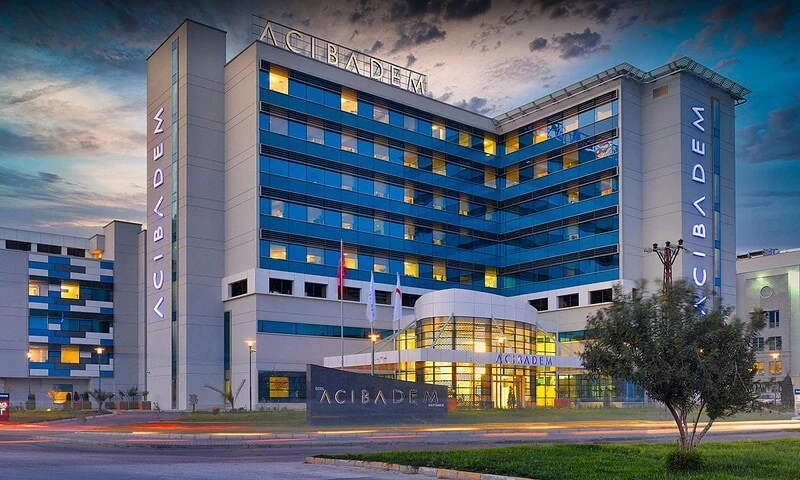
Available at These Hospitals











Guides for This Treatment
Frequently Asked Questions
What affects the cost of a breast lift?
The main cost factors are the degree of sagging, surgical technique, whether implants or reduction are added, anaesthesia, hospital setting, surgeon experience, preoperative tests, post-operative garments and follow-up care. Travel and accommodation can also affect the total budget for international patients.
How can I get a personalised quote for mastopexy in Turkey?
You can request a free consultation by sharing photos, medical history, previous breast surgery details if any, current medications and your goals. A specialist review is needed before a personalised treatment plan and quote can be prepared.
Does a breast lift package usually include travel support?
Many international patient packages in Turkey may include airport transfers, interpreter support, care coordination and assistance with accommodation planning. Exact inclusions vary, so they should be confirmed in writing before travel.
Is mastopexy with implants more expensive than a lift alone?
It is usually more complex because implant selection, surgical planning, implant materials and long-term implant follow-up are involved. A surgeon will advise whether implants are suitable or whether lifting alone can meet your goals.
Will I need to stay for follow-up after surgery?
Follow-up is an important part of breast lift recovery. Your care team will advise when checks are needed, when it is safe to travel and how remote follow-up can be arranged after you return home.
Is the cheapest breast lift option the best choice?
Cost should be considered together with surgeon qualifications, hospital standards, anaesthesia safety, accreditation, aftercare and communication support. This information is general and not medical or financial advice; a specialist consultation is the safest way to compare options.