

Breast Prosthesis Removal
Breast prosthesis removal, or breast implant explant surgery, removes silicone or saline implants and sometimes capsule tissue to address discomfort, rupture, complications, or changing aesthetic preferences.

Quick answer
Breast prosthesis removal is surgery to take out silicone or saline breast implants, sometimes together with surrounding capsule tissue, when there is rupture, pain, hardening, other implant-related concerns, or a change in aesthetic goals. At Acibadem in Turkey, explant surgery is planned after specialist evaluation and imaging when needed, and may be combined with capsulectomy or breast reshaping depending on…
Considering Breast Prosthesis Removal: A Personal Medical Decision
Choosing breast prosthesis removal, also called breast implant explant surgery, is often both a physical and emotional decision. Some patients seek removal because an implant has ruptured, shifted, hardened, or become uncomfortable. Others are concerned about capsular contracture, changes in breast shape over time, or symptoms they believe may be related to their implants. Many patients simply feel that their aesthetic preferences, lifestyle, or sense of identity has changed.
Whatever the reason, it is common to have questions before moving forward. Will the breasts look very different after removal? Is the capsule around the implant dangerous? Will a breast lift be needed? How long will recovery take? If the implant has ruptured, is it urgent? For international patients considering care abroad, there may be additional concerns: language, travel timing, continuity of care, and whether the surgical team has experience managing both cosmetic and medically complex implant cases.
Breast implant removal is not a single standardized operation. It may involve removing only the implant, removing some or all of the scar tissue capsule, reshaping the breast, performing a breast lift, replacing the implant with a different size or type, or combining surgery with fat transfer in selected cases. The safest and most appropriate plan depends on the implant type, the reason for removal, breast tissue quality, imaging findings, prior surgical history, and the patient’s goals.
At Acibadem, breast prosthesis removal is approached as a careful reconstructive and aesthetic procedure, not simply as taking an implant out. Patients are evaluated by experienced physicians who consider medical safety, breast appearance, symmetry, scarring, and recovery planning. When needed, care may involve breast surgeons, plastic and reconstructive surgeons, radiologists, pathologists, anesthesiologists, and other specialists. This type of coordinated assessment is especially important for patients with implant rupture, severe capsular contracture, breast pain, a history of breast cancer surgery, or concern about rare implant-associated conditions.
What Is Breast Prosthesis Removal?
Breast prosthesis removal is a surgical procedure to remove breast implants from the body. The implants may be silicone gel or saline-filled devices, and they may have been placed for cosmetic breast augmentation, breast reconstruction after mastectomy, correction of asymmetry, or revision of a previous breast operation.
During explant surgery, the surgeon removes the implant through an incision, often using a previous scar when appropriate. Depending on the patient’s diagnosis and surgical plan, the surrounding capsule may be left in place, partially removed, or completely removed. The capsule is the layer of scar tissue that naturally forms around any breast implant. In many patients, this tissue is soft and harmless. In others, it may become thick, tight, calcified, painful, or distorted, contributing to firmness and changes in breast shape.
Several terms are used to describe implant removal techniques. Implant removal alone means the prosthesis is removed while the capsule is mostly left in place. Partial capsulectomy means part of the capsule is removed, usually where it is thickened, abnormal, or surgically accessible. Total capsulectomy means the capsule is removed as completely as safely possible. En bloc removal refers to removing the implant and capsule together as one unit without opening the capsule; this technique is necessary in specific oncologic or suspected malignancy situations, but it is not always medically required or anatomically safe in routine explant surgery.
A breast lift, or mastopexy, may be recommended when the breast skin has stretched, the nipple position is low, or the breast is expected to appear deflated after implant removal. In other cases, the patient may prefer a staged approach: first removing the implants, then allowing the tissues to settle before deciding whether reshaping surgery is needed later. Some patients choose implant exchange rather than complete removal, particularly if the original issue is size, implant age, malposition, or asymmetry.
The goal is to create a treatment plan that addresses the reason for removal while respecting the patient’s body, preferences, and long-term breast health.
Who May Need Breast Prosthesis Removal?
Patients consider breast prosthesis removal for many reasons. Some have clear implant-related complications, while others have a change in personal preference. A consultation is appropriate whenever implants are causing discomfort, concern, dissatisfaction, or uncertainty.
Typical symptoms and signs that may lead to evaluation include breast firmness, pain, tightness, visible distortion, implant displacement, rippling, asymmetry, changes in breast size or shape, swelling, or a new lump around the implant. In some patients, the first sign of a problem is an imaging result suggesting rupture or fluid around the implant. Silicone implant rupture can be “silent,” meaning it may not cause obvious symptoms and may be detected on ultrasound or MRI.
Diagnosis begins with a detailed medical and surgical history. The surgeon will ask when the implants were placed, what type and size they are, whether they are above or below the chest muscle, whether prior revisions were performed, and what symptoms the patient is experiencing. Physical examination evaluates breast shape, skin quality, implant position, capsular contracture, nipple location, scars, tenderness, and any palpable abnormality.
Imaging may be recommended before surgery, particularly for suspected rupture, unexplained pain, breast swelling, or patients due for breast cancer screening. Ultrasound is commonly used to assess implant integrity and surrounding fluid. MRI may be helpful for silicone implant rupture or more detailed evaluation. Mammography may be needed based on age, risk profile, and screening history, with special techniques used for patients with implants. If there is fluid around an implant, a mass, enlarged lymph nodes, or other concerning findings, additional tests may be ordered.
Some patients seek removal because of systemic symptoms such as fatigue, joint discomfort, cognitive complaints, rashes, or other concerns they associate with their implants. Medical understanding in this area continues to evolve, and symptoms vary widely. A responsible evaluation includes listening carefully, ruling out other medical conditions when appropriate, and discussing what is known and not known about expected symptom changes after surgery. For some patients, explant surgery is part of a broader medical assessment rather than a simple aesthetic decision.
Conditions and Indications Addressed by Explant Surgery
Breast prosthesis removal may be recommended or considered for several implant-related and patient-centered indications.
- Capsular contracture: Thickening and tightening of the scar capsule can make the breast feel firm, painful, or distorted. Removal of the implant and part or all of the capsule may be needed depending on severity.
- Implant rupture: Saline implants usually deflate visibly when ruptured. Silicone implant rupture may be less obvious and often requires imaging. Surgery is commonly recommended to remove the damaged implant and any leaked material that can be safely addressed.
- Implant malposition: Implants may shift too low, too high, too far outward, or too close together. Some patients choose removal instead of another revision procedure.
- Chronic breast pain or discomfort: Persistent tightness, pressure, muscle discomfort, or tenderness may lead to evaluation for contracture, rupture, nerve irritation, or implant size concerns.
- Breast asymmetry or aesthetic dissatisfaction: Weight changes, aging, pregnancy, breastfeeding, and tissue stretching can change the appearance of augmented breasts over time.
- Infection or wound problems: Although uncommon long after surgery, infection around an implant can require removal, particularly if it does not respond to antibiotics or drainage.
- Implant exposure or thinning tissue: When skin or soft tissue coverage becomes very thin, implant removal or reconstruction may be needed to prevent further complications.
- Fluid around the implant or concern for rare implant-associated disease: Late swelling, a new mass, or persistent fluid requires careful evaluation. Rare conditions such as breast implant-associated anaplastic large cell lymphoma require specialist assessment and specific surgical planning.
- Change in lifestyle or preference: Some patients no longer want implants because of comfort, exercise, body image, or a desire for a more natural breast shape.
- Breast reconstruction revision: Patients who had implants after mastectomy may need removal because of capsular contracture, radiation-related changes, implant failure, or a decision to pursue another reconstructive option.
Not every patient with implants needs removal. Many people live comfortably with breast implants for years. The decision is individualized and should be based on symptoms, imaging, medical risk, and the patient’s goals.
How Breast Prosthesis Removal Is Performed
Breast prosthesis removal begins with a comprehensive consultation. The surgeon reviews the patient’s reasons for removal, previous operative records when available, implant details, screening history, medical conditions, medications, allergies, smoking status, and expectations for breast appearance after surgery. For international patients, this planning may begin remotely with photographs, medical reports, implant cards, imaging files, and a structured medical history.
Before surgery, diagnostic imaging may be arranged to evaluate implant integrity and breast tissue. If there is swelling, a mass, abnormal lymph node, or fluid collection, additional tests may be performed before the surgical plan is finalized. Laboratory tests and anesthesia evaluation help determine fitness for surgery. Patients may be asked to stop certain medications or supplements that increase bleeding risk. Smoking and nicotine use can impair healing and may need to be stopped well before surgery.
A key part of preparation is deciding what operation is appropriate. The surgeon may discuss implant removal alone, capsulectomy, breast lift, implant exchange, fat grafting, or staged reconstruction. The conversation should include incision location, scar expectations, drains, possible changes in nipple sensation, the likelihood of loose skin or flattening, and whether additional surgery may be desired later. Patients should understand that breast appearance after removal depends heavily on pre-existing tissue volume, skin elasticity, implant size, implant duration, pregnancy history, age, weight changes, and prior operations.
On the day of surgery, breast prosthesis removal is usually performed under general anesthesia. The surgical team confirms the plan, marks the breasts while the patient is upright, and reviews safety steps. Incisions are commonly placed along previous scars, such as the inframammary fold beneath the breast, when this provides safe access. In some cases, another incision is more appropriate based on implant position, capsule thickness, or the need for a lift.
The surgeon carefully enters the implant pocket and removes the implant. If the implant is intact, it is removed without unnecessary disruption. If it is ruptured, the surgeon removes the implant shell and silicone or saline contents as thoroughly and safely as possible. Silicone gel rupture can require meticulous pocket cleaning, especially if gel has migrated within the capsule. The surgical field is irrigated, and abnormal tissue may be sent for pathology when indicated.
Capsule management is tailored to the patient. A thin, soft capsule may not need complete removal if removing it would add risk without meaningful benefit. A thick, calcified, painful, infected, or suspicious capsule may require partial or total removal. Complete capsulectomy can be technically demanding, especially when the capsule is attached to the chest wall, ribs, or muscle. In these areas, the surgeon balances the goal of capsule removal with the need to avoid bleeding, lung injury, muscle damage, or unnecessary trauma.
If a breast lift is performed at the same operation, excess skin is removed and the nipple-areola complex is repositioned while preserving blood supply. The breast tissue is reshaped to create a natural contour without the implant. Incision patterns vary. Some patients need only limited lifting; others require a vertical or anchor-shaped pattern to address significant sagging. If fat transfer is part of the plan, fat is collected from another area of the body using liposuction, processed, and injected carefully into selected breast tissue planes. Fat transfer is not suitable for every patient and may require more than one session for meaningful volume change.
Modern surgical planning relies on accurate imaging, careful anesthesia monitoring, sterile operating environments, and refined soft-tissue techniques. Ultrasound and MRI can help clarify rupture or fluid collections before surgery. Pathology examination helps evaluate abnormal capsule tissue, masses, or fluid when necessary. Advanced operating room systems support patient safety through monitoring of breathing, circulation, temperature, and blood loss. The most important “technology,” however, is judgment: selecting the right operation for the right reason, and avoiding unnecessary risk.
The duration of surgery varies. Straightforward implant removal may take a relatively short time, while removal with capsulectomy, rupture management, breast lift, reconstruction revision, or bilateral asymmetry correction takes longer. Many patients go home the same day or after a short hospital stay, depending on the extent of surgery, anesthesia considerations, and travel needs. Drains may be placed to reduce fluid accumulation, particularly when capsulectomy is performed. A surgical bra or supportive dressing is commonly used.
Recovery is usually manageable but should be taken seriously. Patients can expect swelling, bruising, tightness, and fatigue in the first days. Pain is generally controlled with prescribed medication. Arm movement may be limited initially, especially if the implant was under the chest muscle or if capsule removal was extensive. Walking is encouraged early to reduce the risk of blood clots, but lifting, pushing, upper-body exercise, and sleeping on the stomach are restricted for a period determined by the surgeon.
International patients should plan enough time in Turkey for early postoperative review, drain removal if used, and confirmation that healing is progressing appropriately before flying home. Long-distance travel soon after surgery requires attention to hydration, mobility, compression if recommended, and individualized clot-prevention guidance. Follow-up can often continue remotely after the patient returns home, coordinated with local physicians when necessary.
Why Acting Early Matters
Breast implant concerns do not always require urgent surgery, but timely evaluation is important. Delaying assessment can allow certain problems to become more complex. Capsular contracture may progress, making the breast firmer and more painful. Implant malposition can stretch tissues further. A ruptured silicone implant may be harder to clean if gel has spread beyond the capsule. Chronic inflammation or fluid collections should not be ignored, particularly when swelling develops years after implantation.
Early evaluation also helps distinguish implant-related issues from unrelated breast conditions. Breast pain, lumps, swelling, or skin changes should be assessed carefully, not assumed to be “only the implant.” Patients should remain current with breast screening based on age and risk, even if they plan to remove implants. When imaging or pathology is needed, acting promptly allows the surgical team to plan the safest approach.
For patients with discomfort or anxiety about their implants, early consultation can also reduce uncertainty. Not every concern leads to surgery. Sometimes imaging is reassuring, or a patient may choose monitoring. In other cases, the findings support removal. The value of acting early is having accurate information before a complication becomes more difficult to treat.
Potential Benefits of Breast Prosthesis Removal
The benefits of breast prosthesis removal depend on the reason for surgery, the technique used, and the patient’s anatomy and expectations.
| Benefit | What It Means for You |
|---|---|
| Relief from implant-related discomfort | Patients with tightness, pressure, pain, or severe capsular contracture may feel more comfortable after the implant and problematic capsule tissue are addressed. |
| Management of rupture or implant failure | Removing a ruptured or deflated implant helps resolve the device problem and allows the surgeon to clean the pocket and evaluate surrounding tissue. |
| Improved breast softness and natural movement | When implants feel too firm, heavy, or artificial, removal may create a breast contour that feels more natural, although volume will decrease. |
| Opportunity to reshape the breast | A breast lift, staged revision, or selected fat transfer may improve sagging, nipple position, or contour after implant removal. |
| Clarification of concerning findings | Fluid, capsule abnormalities, or suspicious tissue can be evaluated with appropriate imaging, surgery, and pathology when medically indicated. |
| Alignment with current preferences | Some patients feel more comfortable with their body after removing implants that no longer fit their lifestyle, aesthetic goals, or health priorities. |
Recovery Timeline After Breast Prosthesis Removal
Recovery varies according to whether the procedure includes implant removal alone, capsulectomy, breast lift, fat transfer, or reconstruction revision, but many patients follow a general pattern.
| Time Period | What Patients Can Expect |
|---|---|
| Day 1 | You will wake with dressings and a supportive bra or bandage. Mild to moderate discomfort, swelling, and tightness are expected. Some patients have drains. Walking is encouraged, but arm movement is limited. |
| First Week | Bruising and swelling may peak and then begin to improve. Drain care may be required if drains were placed. Most patients focus on rest, short walks, wound care, and avoiding lifting or reaching. |
| First Month | Many daily activities gradually resume, depending on the extent of surgery. Exercise restrictions are usually still in place for upper-body activity. Breast shape begins to settle but may not reflect the final result. |
| Six to Twelve Weeks | Swelling continues to decrease. Scars begin to mature. Patients may be cleared for more exercise if healing is appropriate. Sensation changes may improve gradually, though some numbness can persist. |
| Longer Term | Breast contour continues to evolve as tissues settle. Scar fading can take many months. Some patients decide later whether they want a lift, fat transfer, or other revision after seeing the stable result. |
Factors That Influence Outcomes
A good result after breast prosthesis removal depends on much more than the act of removing the implant. The original breast anatomy, implant size, duration of implantation, skin elasticity, tissue thickness, and prior surgeries all influence the final shape. A patient who had small implants for a short time and good skin elasticity may have minimal loose skin after removal. A patient with large implants placed many years ago may have more stretching, sagging, or volume loss.
The reason for removal also matters. Ruptured silicone implants, severe capsular contracture, calcified capsules, infection, radiation changes, or multiple prior revisions can make surgery more complex. In these situations, the priority may be safe removal and healthy healing before aesthetic refinements are considered. Patients who had breast reconstruction after cancer treatment may require a different approach than cosmetic augmentation patients, especially if they have had mastectomy, radiation therapy, or thin soft-tissue coverage.
Capsule management is an important determinant of recovery and risk. While many patients request total capsulectomy, complete removal is not always necessary and not always safer. The capsule can be close to the ribs, chest muscle, and lining around the lung. Removing every part of it may increase bleeding or other complications in selected patients. A responsible surgeon explains why a certain capsule strategy is recommended, based on medical indication and anatomy rather than a one-size-fits-all philosophy.
Expectations strongly influence satisfaction. Implant removal reduces breast volume. The breast may appear flatter, smaller, looser, or differently shaped than it did before augmentation, especially immediately after surgery. Some improvement occurs as swelling decreases and tissues retract, but skin does not always return fully. A lift can improve shape and nipple position, but it adds scars and may not restore upper-pole fullness. Fat transfer can add subtle natural volume in selected patients, but it has limits and some transferred fat may not survive.
General health also affects healing. Smoking, nicotine exposure, uncontrolled diabetes, certain autoimmune conditions, bleeding disorders, poor nutrition, and medications that affect clotting or immunity can increase the risk of delayed healing, infection, scarring, or skin complications. Maintaining a stable weight, following preoperative instructions, and allowing enough recovery time are practical factors that support a safer experience.
Finally, the quality of communication between patient and surgeon is central. The best surgical plan is one the patient understands: what will be removed, what may be left behind, where scars will be, what pathology will be performed, what the likely breast shape will be, and what uncertainties remain. This is particularly important for patients traveling internationally, who need clarity about timing, follow-up, flight plans, and whom to contact after returning home.
Why International Patients Choose Acibadem for Breast Prosthesis Removal
International patients often seek breast prosthesis removal at Acibadem because they want a combination of medical rigor, surgical experience, and coordinated support while receiving care away from home. Breast implant explant surgery may appear straightforward, but many cases require nuanced judgment. The question is not only whether an implant can be removed, but how to remove it safely, whether capsule tissue should be addressed, whether the breast should be reshaped, and how to evaluate any concerning findings before and after surgery.
Acibadem hospitals are JCI-accredited and structured to support international standards of patient safety, infection control, anesthesia care, surgical planning, and postoperative monitoring. For patients traveling from the United States, Europe, the Middle East, or other regions, this framework can be important when comparing options for surgery abroad. Care pathways are designed to be evidence-based and adapted to each patient’s diagnosis rather than driven by a single technique.
Patients benefit from access to experienced plastic, reconstructive, and breast surgeons who regularly evaluate implant-related problems, aesthetic revision concerns, and reconstruction cases. When the situation involves suspected rupture, abnormal fluid, prior cancer treatment, breast masses, or rare implant-associated disease concerns, evaluation may involve radiology, pathology, oncology, and breast surgery specialists. Multidisciplinary boards or specialist consultations can support decision-making in more complex cases, particularly when patient safety and oncologic assessment are priorities.
Diagnostic pathways may include ultrasound, MRI, mammography, laboratory testing, and pathology evaluation when indicated. These tools help the team understand implant integrity, capsule characteristics, breast tissue health, and whether additional investigation is needed before surgery. During the operation, modern anesthesia monitoring, controlled surgical environments, careful tissue handling, and appropriate pathology protocols contribute to safer care. Technology is used to clarify the diagnosis, guide planning, monitor the patient, and support precise surgical work; it does not replace individualized medical judgment.
For many international patients, the experience surrounding the operation is almost as important as the surgery itself. Acibadem International provides dedicated patient services in more than 20 languages, assisting with appointment coordination, medical record transfer, translation, travel-related planning, hospital admission, and communication between the patient and clinical teams. This support is particularly valuable for explant patients who may need imaging before surgery, postoperative drain care, follow-up visits before departure, and remote communication after returning home.
Personalized treatment planning is central. Some patients arrive certain that they want complete implant and capsule removal. Others are still deciding between removal, replacement, lift, or staged surgery. Some are primarily concerned about symptoms; others are focused on breast shape. The role of the medical team is to explain the realistic options, benefits, limitations, and risks in clear language, so the patient can make an informed decision.
Acibadem’s approach is also sensitive to the emotional dimension of explant surgery. Breast implants may be connected to past cancer treatment, body confidence, motherhood, aging, or years of discomfort. Patients deserve a consultation that acknowledges these factors without minimizing medical facts. The objective is to help each patient move forward with a plan that is safe, medically sound, and aligned with her priorities.
Moving Forward With Confidence and Clear Information
Breast prosthesis removal can be the right step for patients with implant complications, rupture, pain, capsular contracture, changing aesthetic goals, or concerns that require careful evaluation. The procedure can be simple in some cases and highly complex in others. A thoughtful consultation helps determine what is truly needed: implant removal alone, partial or total capsulectomy, breast lift, implant exchange, fat transfer, reconstruction revision, pathology testing, or continued monitoring.
If you are considering breast implant explant surgery, gathering your previous operative notes, implant card, imaging reports, and a clear list of symptoms can help the surgical team provide a more accurate recommendation. International patients may request a consultation or second opinion to understand their options before traveling. With careful planning, appropriate diagnostics, and a personalized surgical strategy, breast prosthesis removal can address the medical concern while respecting the patient’s expectations for recovery and appearance.
This information is general and is not a substitute for professional medical advice, diagnosis, or treatment. Recommendations for breast prosthesis removal should be made after an individual evaluation by a qualified physician.
Preparation
- Before surgery, the plastic surgeon reviews implant history, symptoms, expectations, and whether capsulectomy or replacement is needed. Blood tests, breast imaging, and anesthesia evaluation may be requested. Patients are usually advised to stop smoking and avoid blood-thinning medicines or supplements before the procedure.
Aftercare
- After surgery, dressings and a supportive surgical bra help reduce swelling and support healing. Mild pain, bruising, and tightness are expected and managed with prescribed medication. Strenuous exercise and heavy lifting should be avoided until the surgeon confirms safe recovery.
Turkey vs UK, Germany & USA
Breast prosthesis removal, also called breast implant explant surgery, can vary in complexity depending on implant condition, capsule tissue, symptoms, and the desired aesthetic outcome. Comparing destinations helps patients understand how hospital services, surgeon planning, and travel support may influence the overall experience and cost.
Costs and patient experience differ by healthcare system, hospital setting, surgeon expertise, and what is included in the care pathway.
| Factor | Turkey | UK | Germany | USA |
|---|---|---|---|---|
| Price drivers | Often influenced by package structure, surgeon experience, hospital category, anesthesia, capsulectomy needs, and aftercare. | Private care costs are shaped by consultant fees, hospital fees, anesthesia, imaging, and revision complexity. | Costs depend on clinic or hospital setting, specialist fees, diagnostic workup, anesthesia, and extent of capsule removal. | Costs may vary widely by surgeon, facility, anesthesia provider, region, and whether reconstruction or revision is included. |
| Hospital and surgeon factors | International hospitals may offer plastic surgery teams, multidisciplinary assessment, and coordinated planning for overseas patients. | Patients may choose private hospitals or clinics with consultant-led care and local follow-up options. | Specialist clinics and hospitals may provide structured preoperative assessment and detailed surgical planning. | Care is commonly delivered through private plastic surgery practices, ambulatory centers, or hospitals depending on complexity. |
| Accreditation and quality | JCI-accredited hospital options and international patient departments may support standardized care and documentation. | Quality oversight follows national regulatory and professional standards, with private hospital accreditation varying by provider. | Care is supported by national healthcare regulation and hospital quality systems, with standards varying by institution. | Accreditation and quality systems vary by facility, with hospital and ambulatory surgery center standards playing a role. |
| Waiting times | Private scheduling for international patients may be arranged relatively efficiently, depending on medical suitability and surgeon availability. | Private treatment may offer more flexible timing than public pathways, subject to consultant and theatre availability. | Private or self-funded pathways may offer planned scheduling, depending on specialist availability and diagnostic requirements. | Scheduling is usually provider-dependent and may be influenced by insurance authorization, surgeon availability, and facility access. |
| Travel and language logistics | International patient services may help with interpreters, airport transfers, hotel coordination, and appointment scheduling. | Travel is simpler for local patients; international patients may need to arrange accommodation, local transport, and follow-up support. | International patients may require language assistance and coordination for documents, travel, and postoperative checks. | Travel planning may include visas where applicable, accommodation, local transport, and arranging follow-up after returning home. |
| What a package may include | Packages may include surgeon consultation, hospital services, anesthesia, surgery, nursing care, interpreter support, transfers, and follow-up planning. | Quotes may separate surgeon, hospital, anesthesia, tests, garments, medicines, and follow-up appointments. | Quotes may include consultation, diagnostics, surgery, anesthesia, hospital or clinic care, and postoperative visits depending on provider. | Quotes often itemize surgeon, facility, anesthesia, pathology if needed, garments, prescriptions, and follow-up care. |
What affects your final cost
- Whether implant removal alone or capsule removal is required.
- Implant rupture, leakage, contracture, infection, pain, asymmetry, or suspected implant-related disease.
- Need for imaging, laboratory tests, pathology evaluation, or specialist consultations.
- Whether breast lift, implant replacement, fat grafting, or reconstruction is planned.
- Type of anesthesia, operating room time, and need for hospital stay or extended monitoring.
- Surgeon experience, hospital accreditation, postoperative garments, medicines, and follow-up arrangements.
- Travel, accommodation, interpreter services, and companion support for international patients.
Compare your options
Breast implant explant surgery is tailored to the patient’s symptoms, implant status, capsule findings, and aesthetic goals. Suitability for each option is decided by a specialist after examination and review of medical records.
| Option | What it is | Typical use | Key considerations |
|---|---|---|---|
| Implant removal only | Removal of the silicone or saline implant while leaving capsule tissue unless clinically indicated. | May be considered when the capsule is soft, there is no rupture, and the patient does not need additional reshaping. | Can be a shorter procedure, but final breast shape depends on skin quality, breast tissue, implant size, and time since augmentation. |
| Implant removal with partial capsulectomy | Removal of the implant and selected areas of capsule tissue. | May be used when capsule tissue is thickened, uncomfortable, calcified, or needed for diagnostic assessment. | Extent of capsule removal is based on safety, anatomy, and clinical need; pathology may be recommended in selected cases. |
| Implant removal with total capsulectomy | Removal of the implant and as much capsule tissue as safely possible. | May be considered for significant contracture, rupture, chronic inflammation, or patient preference after specialist assessment. | May increase surgical complexity and recovery needs; not every patient requires or is suitable for complete capsule removal. |
| Implant removal with breast lift | Explant surgery combined with reshaping and lifting of the natural breast tissue. | Often considered when skin has stretched, breasts appear sagging, or the patient wants improved contour without new implants. | May involve additional scars, longer operating time, and detailed planning for nipple position and symmetry. |
| Implant removal and replacement | Old implants are removed and new implants are placed during the same procedure or as part of a staged plan. | May be chosen for rupture, implant aging, size change, asymmetry, or aesthetic revision. | Implant type, pocket adjustment, capsule management, and future monitoring should be discussed with the surgeon. |
| Staged reconstruction or fat grafting | Breast contour is improved later using additional procedures such as fat transfer or reconstructive techniques. | May be appropriate when tissues need time to heal or when the patient prefers gradual reshaping. | May require more than one treatment stage and depends on donor fat availability, skin quality, and healing response. |
Trusted care for international patients
General information only — not medical or financial advice. Final costs depend on the factors above and your individual case; request a free, personalised quote.
Doctors Performing This Treatment

Prof. Dr. Bülent Saçak
Aesthetic Plastic & Reconstructive Surgery
Prof. Dr. Ersin Ülkür
Aesthetic Plastic & Reconstructive Surgery
Prof. Dr. Hakan Ağır
Aesthetic Plastic & Reconstructive Surgery
Prof. Dr. Mehmet Veli Karaaltın
Aesthetic Plastic & Reconstructive Surgery
Prof. Dr. Çiğdem Ünal Gülmeden
Aesthetic Plastic & Reconstructive Surgery
Assoc. Prof. Dr. Ahmet Küçükçelebi
Aesthetic Plastic & Reconstructive Surgery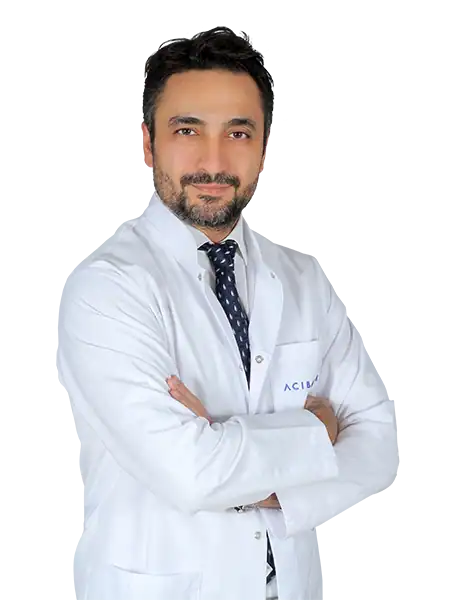
Assoc. Prof. Dr. Mehmet Altiparmak
Aesthetic Plastic & Reconstructive Surgery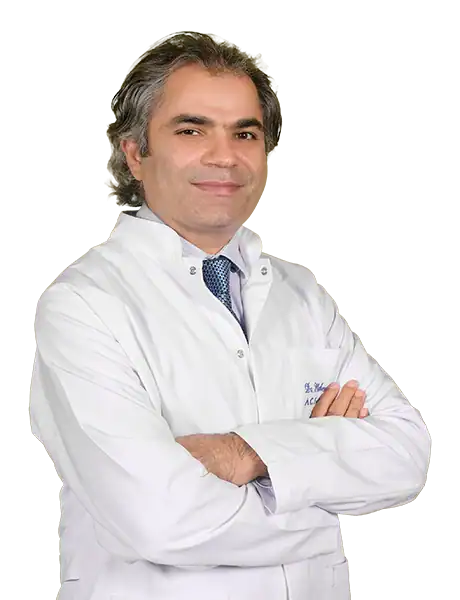
Assoc. Prof. Dr. Mehmet Sağır
Aesthetic Plastic & Reconstructive Surgery
Asst. Prof. Dr. Berkhan Yilmaz
Aesthetic Plastic & Reconstructive Surgery
Dr. Abdullah Etöz
Aesthetic Plastic & Reconstructive Surgery
Dr. Ayşe İrem İskenderoğlu
Aesthetic Plastic & Reconstructive Surgery
Dr. Burak Sercan Erçin
Aesthetic Plastic & Reconstructive Surgery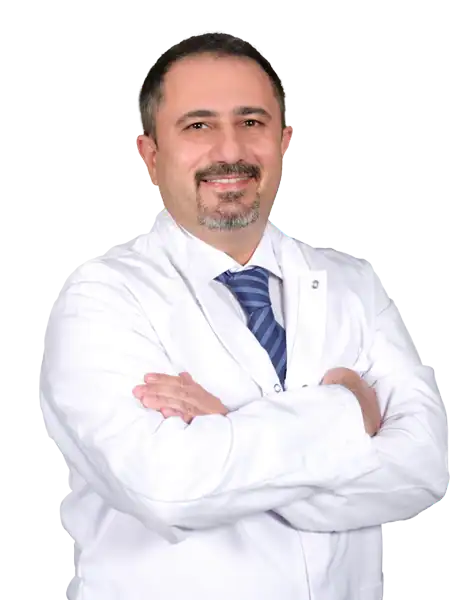
Dr. Cem Öz
Aesthetic Plastic & Reconstructive Surgery
Dr. Mahmut Özyilmaz
Aesthetic Plastic & Reconstructive Surgery
Dr. Mehmet Severcan
Aesthetic Plastic & Reconstructive Surgery
Dr. Mithat Ulay
Aesthetic Plastic & Reconstructive Surgery
Dr. Mutluhan Temizsoy
Aesthetic Plastic & Reconstructive Surgery
Dr. Münür Selçuk Kendir
Aesthetic Plastic & Reconstructive Surgery
Dr. Nargiz Ibrahimli
Aesthetic Plastic & Reconstructive Surgery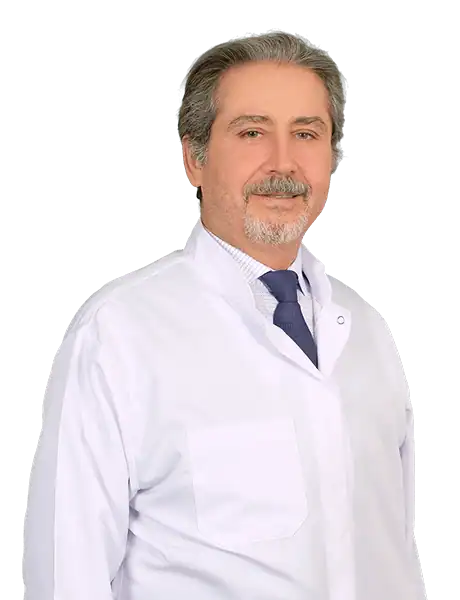
Dr. Nezail Demircler
Aesthetic Plastic & Reconstructive Surgery
Dr. Nihal Üstün
Aesthetic Plastic & Reconstructive Surgery
Dr. Nuri Soysal
Aesthetic Plastic & Reconstructive Surgery
Dr. Okan Acıcbe
Aesthetic Plastic & Reconstructive Surgery
Dr. Serkan Tokgönül
Aesthetic Plastic & Reconstructive SurgeryMedical Units
Available at These Hospitals












Guides for This Treatment
Frequently Asked Questions
What factors most affect the cost of breast prosthesis removal?
The main factors are surgical complexity, whether capsule tissue must be removed, implant rupture or contracture, anesthesia, hospital setting, surgeon experience, tests, pathology if needed, postoperative garments, medicines, and follow-up care. Travel and accommodation also affect the overall budget for international patients.
How can I get a personalised quote?
A personalised quote requires a specialist review of your medical history, implant details, symptoms, photos if appropriate, and any imaging or previous operation notes. You can request a free consultation so the care team can explain suitable options and what is included.
Is capsulectomy always included in the quote?
Not always. Capsule removal depends on clinical findings, implant condition, safety, and the surgeon’s assessment. Because capsulectomy can change operating time and pathology needs, it may affect the final treatment plan and cost.
Does a package usually include travel services?
International patient packages may include coordination services such as interpreter support, transfers, appointment scheduling, and help with accommodation arrangements. The exact inclusions should be confirmed in writing before travel.
Will I need a breast lift or another procedure after implant removal?
Some patients are satisfied with implant removal alone, while others may benefit from a breast lift, implant replacement, fat grafting, or staged reshaping. Suitability is decided by a plastic surgeon based on tissue quality, breast shape, and personal goals.