Cheiloplasty: Procedure, Recovery and Results

Cheiloplasty can improve lip shape, symmetry, function or closure, depending on the reason for surgery. Procedures range from minor contour changes to complex reconstruction after injury, cancer treatment or congenital conditions.
Key Takeaways
- Cheiloplasty can improve lip shape, symmetry, function or closure, depending on the reason for surgery.
- Procedures range from minor contour changes to complex reconstruction after injury, cancer treatment or congenital conditions.
- Swelling and bruising are common early in recovery, while scars and final contours continue to mature over several months.
- A consultation with a qualified plastic, reconstructive or maxillofacial surgeon helps determine whether surgery is appropriate and what results are realistic.
- Urgent medical assessment is needed for uncontrolled bleeding, breathing difficulty, rapidly worsening swelling or signs of infection after surgery.
Cheiloplasty is a surgical procedure used to reshape, repair or reconstruct one or both lips. It may be performed for cosmetic concerns, congenital differences such as cleft lip, injuries, scars or changes after disease treatment, with the approach tailored to the person’s anatomy and goals.
What Is Cheiloplasty?
Cheiloplasty is surgery on the lips. It can change the size, shape, position or symmetry of the upper lip, lower lip, lip border and nearby tissues. Depending on the person’s needs, it may be cosmetic surgery, reconstructive surgery, or part of treatment for a congenital condition or an injury.
The term describes several different operations rather than one standard technique. A surgeon may reduce excess lip tissue, adjust a lip contour, release scar tissue, repair a split in the lip, restore tissue lost through trauma or treatment, or reconstruct the lip to support speaking, eating and facial expression.
Cheiloplasty should be planned carefully because the lips are highly visible and have important roles in speech, drinking, eating and protecting the mouth. The best approach aims to preserve or restore function while creating a balanced appearance that fits the person’s facial features.
Reasons a Person May Consider Cheiloplasty
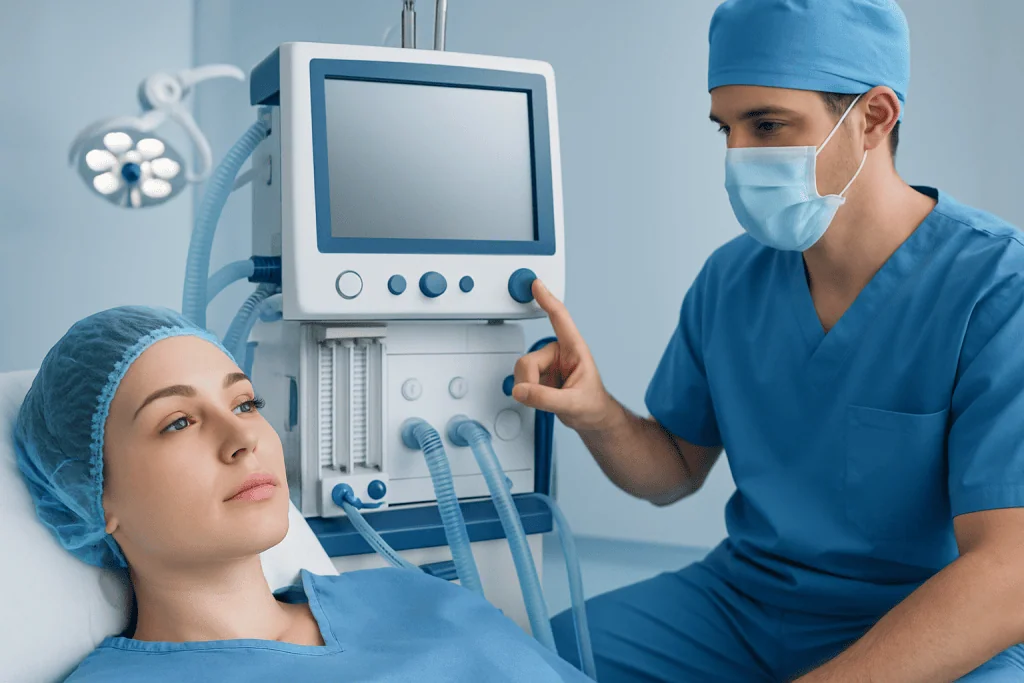
Some people seek cheiloplasty because they feel their lips are disproportionately large, uneven or altered by aging, trauma or previous procedures. Lip reduction cheiloplasty is one example; it removes a measured amount of tissue from the inner portion of a lip to reduce fullness while trying to keep a natural-looking lip border.
Reconstructive cheiloplasty may be recommended after a bite injury, burn, infection-related tissue damage, tumor removal or a scar that limits lip movement. It may also be used to improve lip closure, reduce drooling, support speech or help a person eat and drink more comfortably.
In children, surgery may be part of coordinated care for a cleft lip and palate. Treatment planning often involves specialists in plastic surgery, dentistry, speech and language therapy, ear care and pediatric care. The timing and number of procedures vary according to the child’s anatomy and development.
- Cosmetic reshaping or lip reduction
- Repair of scars, tears or bite injuries
- Correction of congenital lip differences
- Reconstruction after removal of abnormal tissue
- Improvement of lip closure and oral function
Planning and Preparing for the Procedure

Before cheiloplasty, the surgeon reviews the person’s medical history, medications, allergies, smoking or nicotine use, past procedures and healing history. They examine lip movement, dental bite, skin quality, scars and facial symmetry. Photographs may be used for surgical planning and for comparison during follow-up.
A clear discussion of goals is important. The surgeon can explain what surgery may realistically change, where incisions may be placed, whether scars are expected, and how the operation could affect lip sensation and movement. In reconstructive cases, the plan may include tissue rearrangement, grafting or staged operations.
Patients are commonly advised to avoid smoking and nicotine products before and after surgery because they can reduce blood flow and delay healing. The surgical team may also advise changes to medications or supplements that increase bleeding risk, but medicines should never be stopped without guidance from the prescribing clinician. Arranging soft foods, cold compresses and help with transport can make the first days after surgery easier.
How Cheiloplasty Is Performed
Cheiloplasty is usually performed by a plastic and reconstructive surgeon, facial plastic surgeon or oral and maxillofacial surgeon. Depending on the extent of surgery and the patient’s needs, it may be done with local anesthesia and sedation or under general anesthesia. The exact duration varies widely, from a relatively short outpatient procedure to a longer reconstructive operation.
For lip reduction, the surgeon generally makes an incision inside the mouth or along a carefully selected transition area of the lip. A controlled amount of tissue is removed, the contour is refined, and the incision is closed with dissolvable or removable sutures. Keeping an incision inside the mouth can help minimize a visible scar, though suitability depends on the individual procedure.
For repair or reconstruction, the surgeon may realign the muscle that controls lip movement, reposition skin and mucosa, and rebuild the natural landmarks of the lip. More extensive defects can require local tissue flaps or grafts. In some cases, surgery may be combined with other care, such as facial reconstruction surgery, to address surrounding facial structures.
After the operation, the patient is monitored until they are safe to go home or, after more complex surgery, until hospital observation is no longer needed. The care team provides individualized instructions about pain relief, wound care, diet and follow-up appointments.
Recovery, Healing and Expected Results
Swelling, bruising, tightness and tenderness are expected after cheiloplasty. These symptoms are usually most noticeable during the first few days and then gradually improve. The lips may initially look uneven or larger than expected because swelling can temporarily change their shape.
Patients may be advised to use cold compresses as directed, rest with the head elevated, choose soft foods and avoid stretching the lips. Spicy, very hot, acidic or crunchy foods can irritate healing tissues. Good oral hygiene is important, and the team may recommend a gentle mouth-rinsing routine if incisions are inside the mouth.
Strenuous exercise, contact sports, smoking and activities that place pressure on the lips should be avoided for the period advised by the surgeon. Sutures may dissolve on their own or be removed during a follow-up visit. The timing for returning to work, school, social activities and exercise depends on the procedure and the person’s healing.
Early results are not final. While visible swelling often settles over weeks, scar maturation and subtle contour changes may continue for several months. Reconstructive outcomes may evolve as the tissues heal and, for children, as the face grows. Regular follow-up helps the surgical team assess healing and discuss whether any further treatment is needed.
Benefits, Limitations and Possible Risks
When it is appropriate for a person’s needs, cheiloplasty may improve facial balance, lip symmetry, scar appearance, lip closure or comfort during daily activities. Reconstructive surgery can also support functions such as speech, eating and drinking. Results are individual and depend on the original anatomy, the reason for surgery, surgical technique and how the tissues heal.
Every operation has potential risks. These include bleeding, infection, delayed healing, wound separation, unfavorable scarring, unevenness, changes in sensation, prolonged swelling and dissatisfaction with the cosmetic result. Less commonly, there may be problems with lip movement, numbness or a need for revision surgery.
People with certain health conditions, poorly controlled diabetes, active oral infections or nicotine exposure may have a higher risk of healing problems. A surgeon can explain the risks that are most relevant to the planned procedure and discuss alternatives, which may include observation, scar care, non-surgical approaches or treatment at a later time.
When to Seek Medical Care
After cheiloplasty, patients should contact the surgical team promptly if pain, redness, warmth or swelling is worsening rather than improving; if there is pus-like drainage, fever or a bad taste in the mouth; or if an incision opens. These symptoms do not always mean a serious complication, but they should be assessed by a clinician.
Urgent medical care is needed for difficulty breathing or swallowing, rapidly increasing swelling, heavy or persistent bleeding, fainting, chest pain, or signs of a severe allergic reaction. Anyone who is concerned about a child’s feeding, hydration or breathing after lip surgery should seek medical advice without delay.
A consultation is also appropriate before surgery for people who have a changing lip lesion, persistent ulcer, unexplained bleeding, numbness or a non-healing sore. These symptoms require assessment before assuming that cosmetic or reconstructive surgery is the right next step.
Acibadem International’s multidisciplinary specialists and JCI-accredited hospitals diagnose and treat lip conditions and can help international patients understand appropriate surgical and follow-up options.
Frequently asked questions
Is cheiloplasty the same as lip filler?
No. Cheiloplasty is a surgical procedure that changes or repairs lip tissues, while lip fillers are injectable treatments that temporarily add volume or alter contour. The most suitable option depends on the concern, anatomy, desired change and whether there is a functional or reconstructive need.
How long does cheiloplasty recovery take?
Initial swelling and discomfort commonly improve over the first one to two weeks, although recovery varies by procedure. The lips can continue to settle for several months as swelling resolves and scars mature. Complex reconstructive surgery may require a longer recovery and more follow-up care.
Will cheiloplasty leave a scar?
Any incision can leave a scar, but surgeons plan incisions to make them as discreet as possible when appropriate. Some procedures use incisions inside the mouth, while reconstruction may require visible incisions to restore lip shape and function. Scar appearance usually improves gradually over time.
Is cheiloplasty painful?
Discomfort, tightness and tenderness are common after surgery, especially in the first few days. Pain is usually managed with the medications and care instructions provided by the surgical team. Severe or worsening pain should be reported because it may need medical assessment.
Can cheiloplasty affect speaking or eating?
Temporary changes in eating, drinking and lip movement are common while swelling and tenderness are present. Reconstructive cheiloplasty may be performed specifically to improve function, but outcomes depend on the underlying condition and the extent of surgery. The surgeon can discuss possible functional changes before the procedure.
Who is a suitable candidate for cheiloplasty?
A suitable candidate is someone with a clear cosmetic, reconstructive or functional reason for surgery who is healthy enough for the planned anesthesia and healing process. They should understand the likely benefits, limitations and risks. A specialist assessment is needed to determine whether surgery is appropriate and to select the safest technique.
References
- American Society of Plastic Surgeons
- American Cleft Palate-Craniofacial Association
- American Academy of Otolaryngology–Head and Neck Surgery
- Mayo Clinic
- National Health Service
This article is for general information only and is not a substitute for professional medical advice. Please consult a qualified doctor about your individual situation.
Explore treatments in Turkey — costs, top hospitals & a free quote
JCI-accredited · board-certified surgeons · reply within 24h
Add us as a Preferred Source to see more of our trusted health content across Google Search, AI Overviews and Discover.

More from the Health Library



Related Specialists

Dr. Meltem Yonca Eren
Intensive Care
Prof. Dr. Rıza Türköz
Cardiovascular Surgery
Dr. Mithat Ulay
Aesthetic Plastic & Reconstructive Surgery
Prof. Dr. Ufuk Kemal Gülsoy
Radiology