Otoplasty: Procedure, Recovery and Results

Otoplasty changes the shape, position, or size of the outer ear; it does not improve hearing. The procedure is often performed for prominent ears, uneven ears, large earlobes, or selected ear deformities.
Key Takeaways
- Otoplasty changes the shape, position, or size of the outer ear; it does not improve hearing.
- The procedure is often performed for prominent ears, uneven ears, large earlobes, or selected ear deformities.
- Most people wear a protective headband after surgery and return gradually to regular activities over several weeks.
- Swelling, bruising, temporary numbness, and discomfort are expected early in recovery; complications are uncommon but possible.
- A consultation with a qualified plastic surgeon or ENT surgeon helps determine whether surgery and its expected results are appropriate.
Otoplasty is a surgical procedure that reshapes, repositions, or reduces the outer ears. It is commonly chosen for ears that protrude noticeably, have asymmetry, or have changed shape after injury, and results are generally long-lasting once healing is complete.
Otoplasty at a glance
Otoplasty is surgery on the visible, outer part of the ear, called the auricle or pinna. It can bring ears that project outward closer to the head, refine the folds of ear cartilage, improve differences between the two ears, reduce ear size in selected cases, or repair changes caused by trauma. It is also known as ear reshaping surgery or ear pinning surgery.
The operation changes appearance rather than hearing. It does not treat problems inside the ear, such as hearing loss, ear infections, tinnitus, or dizziness. The goal is usually a natural-looking ear position and contour that is in balance with the face, rather than perfectly identical ears.
Otoplasty may be performed in children after the ears have grown sufficiently, often from about age 5 onward, and in teenagers or adults. The best timing depends on ear development, general health, the person’s wishes, and the surgeon’s assessment.
How otoplasty works and who may be a candidate
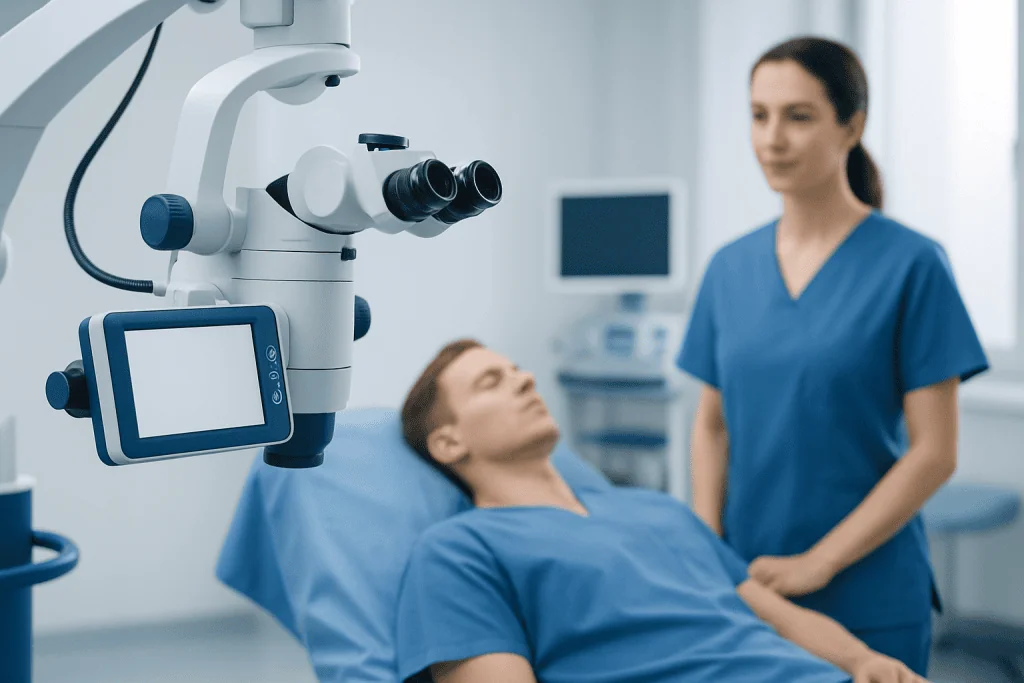
The outer ear is made mainly of flexible cartilage covered by skin. Prominent ears can result when a normal fold of cartilage, called the antihelical fold, is underdeveloped, when the bowl-shaped concha is deep, or when both features are present. Otoplasty corrects these structural features by reshaping cartilage, using carefully placed internal stitches, removing a small amount of cartilage in selected situations, or combining these methods.
A person may consider otoplasty if the ears project prominently, differ noticeably in position or shape, appear oversized in relation to the face, or have a contour concern following an injury. Children should be able to cooperate with aftercare, while adults should have realistic expectations and be able to follow recovery instructions.
During consultation, the surgeon reviews medical history, medicines and supplements, allergies, smoking or nicotine use, previous ear surgery, and any tendency toward raised or thick scars. Active skin infection, uncontrolled medical conditions, or expectations that surgery cannot safely meet may mean the procedure should be delayed or reconsidered.
Photographs and ear measurements may be used for planning. The surgeon should explain the likely improvement, the location of scars, the type of anesthesia, the expected recovery, and alternatives to surgery. For people considering facial aesthetic procedures, otoplasty treatment planning should always be individualized rather than based on a single standard ear shape.
What happens during the procedure

Otoplasty is usually an outpatient procedure, meaning the person returns home on the same day. In younger children, general anesthesia is commonly used. Older children and adults may have general anesthesia or local anesthesia with sedation, depending on the planned technique, individual needs, and the clinical setting.
After anesthesia is given, the surgeon makes an incision, most often in the natural crease behind the ear. Through this opening, the surgeon accesses the cartilage and adjusts it using sutures, scoring techniques that help cartilage bend, or limited cartilage removal when appropriate. The ear is then positioned with attention to symmetry, projection, and the natural curves of the rim.
The incision is closed with sutures, and a soft protective dressing is placed around the ears. Procedure length varies according to whether one or both ears are treated, the complexity of reshaping, and whether repair of an injury or another technique is needed. A surgeon may occasionally recommend a different approach for concerns limited to the earlobes or a prior otoplasty result.
Before leaving, patients and caregivers receive written instructions about pain relief, sleeping position, wound care, the dressing or headband, bathing, activity limits, and follow-up appointments. It is important to arrange for a responsible adult to accompany the patient home after anesthesia.
Recovery timeline and aftercare
In the first few days, the ears are covered by a bulky dressing or bandage. Mild to moderate soreness, tightness, swelling, bruising, and temporary changes in skin sensation can occur. Pain is usually managed with medication recommended by the surgical team. The dressing should remain clean and dry and should not be adjusted unless the surgeon has advised otherwise.
After the first postoperative review, the initial dressing is commonly replaced with a lighter headband. The headband helps protect the new ear position, particularly during sleep, for the duration advised by the surgeon. Sleeping on the back and avoiding pressure on the ears can reduce discomfort and help protect healing tissues.
Many adults return to desk-based work or school-related activities within about one to two weeks, although this varies. Children may need additional time away from activities where the ears could be bumped. Contact sports, rough play, swimming, heavy exercise, helmets that press on the ears, and other activities that risk ear trauma should be restarted only after surgical clearance.
Most visible bruising and much of the swelling improve over several weeks. However, subtle swelling, firmness, numbness, and scar maturation can continue to change for months. Attending follow-up visits allows the team to check healing, remove sutures if needed, and address concerns early.
Benefits, limitations and possible risks
The main benefit of otoplasty is a lasting improvement in ear position, shape, or proportion. For many people, reducing the prominence of the ears can make them feel more comfortable with their appearance. In children who are bothered by attention or teasing, surgery may also support confidence, although it should never be presented as a solution to all emotional or social concerns.
Results should be judged after swelling has settled. Ears are naturally not identical, and surgery cannot guarantee perfect symmetry. Cartilage also has a natural tendency to retain or gradually return toward its original shape, so a small degree of asymmetry or recurrent prominence can occur.
As with any operation, otoplasty has risks. These include bleeding or a collection of blood under the skin, infection, wound-healing problems, visible or thickened scarring, altered sensation, pain, reaction to anesthesia, stitch-related irritation, skin contour changes, asymmetry, and the need for revision surgery. Rarely, reduced blood supply can affect ear skin or cartilage.
Choosing an appropriately trained surgeon, sharing complete health information, avoiding nicotine as instructed, and following aftercare guidance can lower some risks. New or increasing swelling on one side, severe pain, fever, spreading redness, drainage, or a dressing that feels excessively tight should be reported promptly.
Preparing for surgery and supporting healing
Preparation begins with a detailed assessment and open discussion of goals. Patients should tell the surgeon about all prescription medicines, non-prescription medicines, vitamins, herbal products, and any history of bleeding problems or anesthesia reactions. The surgical team may recommend temporarily changing certain medicines, but patients should not stop prescribed treatment without medical advice.
Nicotine products can impair blood flow and healing, so surgeons commonly advise stopping smoking, vaping, and other nicotine exposure before and after surgery. Maintaining regular nutrition, staying hydrated, arranging time away from demanding activities, and preparing a comfortable sleeping position can make the early recovery period easier.
After surgery, protecting the ears matters as much as wound care. Patients should avoid bending the ears, pulling clothing tightly over the head, or wearing items that compress the surgical area unless approved. Loose-front clothing can be helpful in the first days.
Acibadem International’s multidisciplinary specialists and JCI-accredited hospitals assess and treat patients seeking otoplasty, including international patients, with care plans based on individual anatomy and recovery needs.
When to seek medical care
Anyone considering otoplasty should seek evaluation from a qualified plastic surgeon or ENT surgeon with appropriate experience in ear surgery. A consultation is especially useful when ear prominence, asymmetry, injury-related change, or a previous operation is causing concern. Surgery is elective in many cases, so there is usually time to ask questions and make a well-informed decision.
Urgent medical assessment is important for a fresh ear injury, a cut that exposes cartilage, rapid swelling after trauma, a painful swollen ear, significant bleeding, fever, or pus-like drainage. These symptoms may need timely treatment to protect the ear and prevent complications.
After otoplasty, the surgical team should be contacted without delay for increasing rather than improving pain, sudden one-sided swelling, a tight or slipping bandage, persistent bleeding, worsening redness, fever, or unusual discharge. Emergency care is appropriate for severe breathing difficulty, chest pain, fainting, or signs of a serious allergic reaction after medication or anesthesia.
Frequently asked questions
Is otoplasty permanent?
Otoplasty results are generally long-lasting because the procedure changes the cartilage structure and its position. Some cartilage settling or minor change can occur as healing progresses, and a small number of people may need revision surgery.
Does otoplasty affect hearing?
Otoplasty works on the outer ear and is intended to change its appearance or position. It does not normally affect the ear canal, eardrum, or inner-ear structures involved in hearing.
What is the best age for otoplasty?
Otoplasty may be considered once the outer ear has developed sufficiently, often from around age 5. It can also be performed in teenagers and adults, provided the person is in suitable health and understands the procedure and recovery.
How painful is otoplasty recovery?
Discomfort is common during the first few days and is often described as soreness, pressure, or tightness rather than severe pain. The surgical team can recommend appropriate pain relief and will explain when symptoms require review.
How long should a headband be worn after otoplasty?
The recommended duration differs according to the surgical technique and the person’s healing. Many patients wear a headband, especially at night, for several weeks, but the surgeon’s individual instructions should be followed.
Will there be visible scars after otoplasty?
Most otoplasty incisions are placed behind the ear in the natural crease, where scars are usually less noticeable. Scars initially may look pink or firm and typically mature gradually over months, although scar appearance varies between individuals.
References
- American Society of Plastic Surgeons
- American Academy of Otolaryngology–Head and Neck Surgery
- Mayo Clinic
- National Health Service
This article is for general information only and is not a substitute for professional medical advice. Please consult a qualified doctor about your individual situation.
Otoplasty in Turkey — costs, top hospitals & a free quote
JCI-accredited · board-certified surgeons · reply within 24h
Add us as a Preferred Source to see more of our trusted health content across Google Search, AI Overviews and Discover.