Abex Procedure: Procedure, Recovery and Results

“Abex procedure” is not a universally standardized medical term and may describe different abdominal contouring approaches. The procedure may involve liposuction, skin removal, abdominal muscle repair or a combination of these methods.
Key Takeaways
- “Abex procedure” is not a universally standardized medical term and may describe different abdominal contouring approaches.
- The procedure may involve liposuction, skin removal, abdominal muscle repair or a combination of these methods.
- Recovery commonly involves swelling, activity restrictions and follow-up visits; the timeline depends on the extent of surgery.
- Results develop gradually as swelling settles and are best maintained with stable weight and healthy habits.
- A board-certified plastic surgeon can determine whether abdominal contouring is appropriate and explain alternatives.
The abex procedure is a term sometimes used for abdominal contouring surgery or a combination of techniques intended to reduce excess fat and improve the shape of the abdomen. Because “Abex” is not a standardized medical name, a qualified plastic surgeon should clarify exactly which procedure is being offered, its expected results and its risks.
What Is the Abex Procedure?
The abex procedure generally refers to an abdominal aesthetic or body-contouring procedure designed to improve the appearance of the midsection. Depending on how the term is used by a clinic or surgeon, it may involve removing localized fat, tightening loose skin, repairing separated abdominal muscles, or combining these approaches. It is important to know that “Abex” is not a single, universally defined operation in medical terminology.
For that reason, the first step is a detailed consultation. The surgeon should explain the exact technique being proposed, where incisions may be placed, whether liposuction or skin excision is planned, what type of anesthesia is used and what recovery is likely to involve. A patient should not assume that every procedure called “Abex” has the same steps or outcomes.
Abdominal contouring is not a substitute for weight-loss treatment. It is usually considered by adults who are close to a stable, sustainable weight but have concerns such as persistent fat deposits, loose abdominal skin or a bulge related to stretched abdominal tissues. People with substantial weight changes may benefit from discussion of abdominoplasty (tummy tuck) or other tailored approaches.
Which Concerns Can It Address?
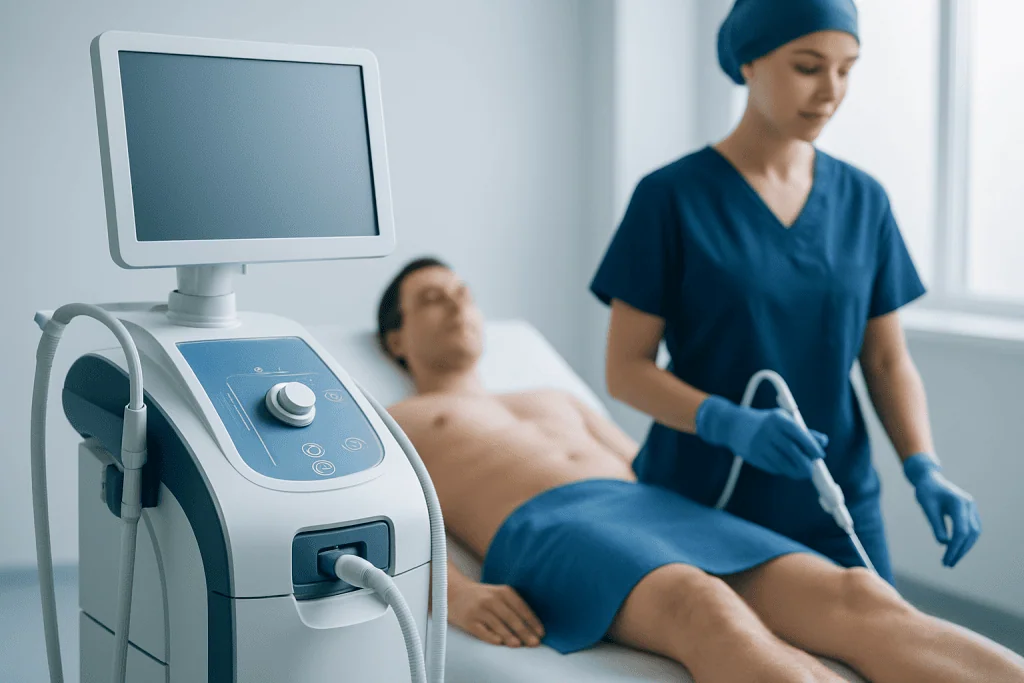
The abdominal area can change with ageing, pregnancy, weight loss, genetics and previous surgery. Skin may lose elasticity, fat may remain in certain areas despite regular activity, and the connective tissue between the abdominal muscles can stretch. These changes are common and do not necessarily indicate a health problem.
Depending on the technique, an abex procedure may be considered for loose lower-abdominal skin, localized fatty deposits, mild to marked contour irregularity, or muscle separation known as diastasis recti. Muscle separation is particularly common after pregnancy and can contribute to a central abdominal prominence. Its assessment is different from evaluating a hernia, which may require separate medical or surgical care.
Not all abdominal concerns require surgery. A clinician may first discuss nutrition, activity, core rehabilitation, treatment of an underlying hernia, or other options. For people seeking fat reduction without skin removal, liposuction may sometimes be discussed, although it cannot reliably correct significant skin laxity or muscle separation.
How the Procedure Is Planned and Performed
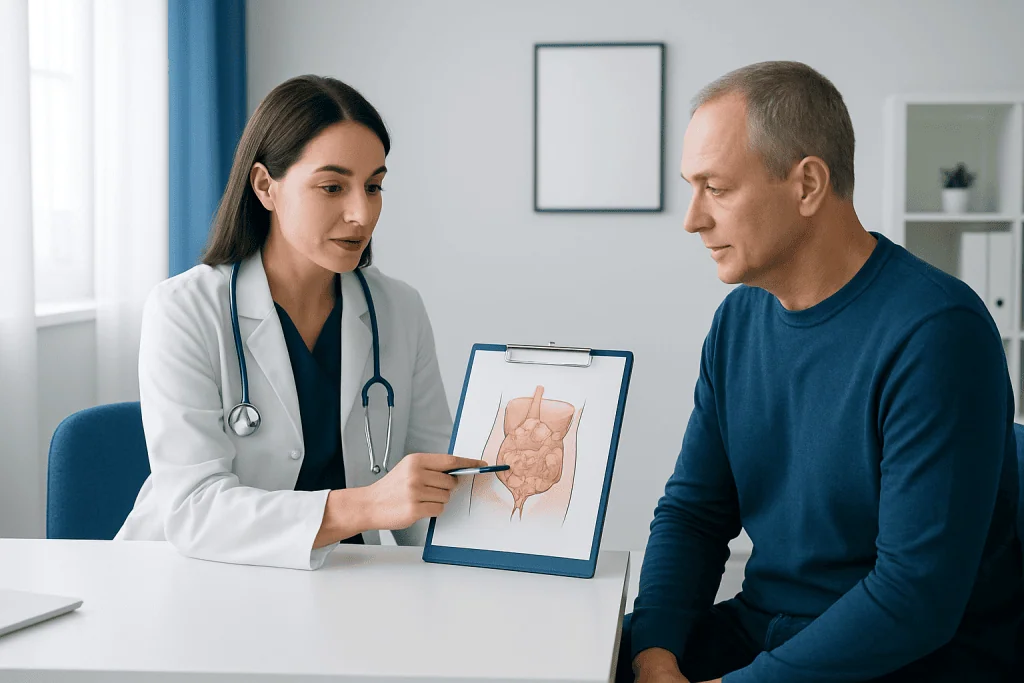
Planning begins with a medical history, physical examination and discussion of goals. The surgeon considers skin quality, the amount and location of fat, abdominal wall strength, scars from previous operations, smoking or nicotine use, medications, medical conditions and future pregnancy plans. Photographs and body measurements may be used to support surgical planning and to document baseline appearance.
The operation is usually performed under anesthesia in an accredited surgical setting. The precise steps vary. Liposuction uses small openings and a cannula to remove fat. A tummy tuck-type approach typically uses an incision low on the abdomen to remove excess skin and fat, and may include tightening of the abdominal wall. Some patients need a limited procedure, while others require more extensive contouring.
During the consultation, patients should ask what is included in the proposed procedure and what is not. This includes the expected scar pattern, whether drains may be used, how pain and nausea will be managed, whether an overnight stay is recommended and how soon they may return to work, driving and exercise. Clear expectations are central to safe decision-making.
Recovery After an Abex Procedure
Recovery varies according to the surgical technique, the amount of tissue treated and the person’s general health. In the first days, soreness, tightness, bruising and swelling are expected. Prescribed pain relief, a compression garment when recommended, gentle walking and careful wound care can support comfort and reduce the risk of complications.
Patients are usually encouraged to walk short distances soon after surgery but should avoid strenuous exercise, heavy lifting and movements that strain the abdomen until their surgeon advises otherwise. If abdominal muscle repair is performed, restrictions may be more significant. It is also essential to arrange help at home if needed, particularly during the first few days.
Follow-up appointments allow the surgical team to check incision healing, swelling, drainage if present and overall recovery. Incisions should be kept clean and dry according to the team’s instructions. Patients should avoid smoking and nicotine products before and after surgery because they can impair blood flow and wound healing.
- Take only medicines and supplements approved by the surgical team.
- Wear compression garments exactly as advised, if they are prescribed.
- Attend scheduled follow-up visits, even if recovery seems uncomplicated.
- Contact the care team promptly about worsening pain, fever, spreading redness, unusual drainage or sudden swelling.
When Results Appear and How Long They Last
Some improvement in abdominal shape may be visible after the procedure, but early swelling can obscure the final contour. Bruising and swelling generally improve over the following weeks, while tissues continue to settle for several months. Scar maturation also takes time; scars often remain visible but may gradually soften and fade.
The expected result depends on the starting anatomy, skin elasticity, surgical technique and healing response. Abdominal contouring can improve proportion and remove selected excess tissue, but it cannot create complete symmetry or prevent future changes caused by ageing, pregnancy or weight fluctuations. A surgeon should explain realistic goals using the individual’s own anatomy rather than promising a particular appearance.
Fat cells removed by liposuction do not return in the same way, but remaining fat cells can enlarge with weight gain. Similarly, skin can stretch again after major weight changes or pregnancy. Maintaining a stable weight, following an appropriate activity plan after recovery and avoiding tobacco can help preserve the result.
Risks, Safety and Choosing the Right Candidate
All surgery carries potential risks. With abdominal contouring, these can include bleeding, infection, fluid collection, delayed wound healing, changes in skin sensation, uneven contours, visible scarring, blood clots and anesthesia-related complications. Some people may need further treatment or revision surgery. The individual likelihood of complications depends on the procedure and personal health factors.
Smoking, nicotine use, uncontrolled diabetes, certain medications, significant obesity, poor nutritional status and a history of blood-clotting problems may increase risk. A patient should provide a full medical history and tell the team about all prescription medicines, over-the-counter medicines, vitamins and herbal products. The surgeon may recommend medical clearance or additional testing before surgery.
A good candidate has realistic expectations, is in stable health and understands the recovery requirements. They should feel comfortable asking about the surgeon’s qualifications, facility standards, anesthesia care, complication planning and follow-up arrangements. At Acibadem International, multidisciplinary specialists in JCI-accredited hospitals assess and treat international patients who are considering abdominal contouring procedures.
When to Seek Medical Care
Anyone considering an abex procedure should seek a consultation with a qualified plastic surgeon rather than relying on a procedure name alone. An assessment is especially important when there is a new abdominal lump, persistent pain, unexplained bloating, marked weakness of the abdominal wall or a suspected hernia. These symptoms may need medical evaluation before cosmetic treatment is considered.
After surgery, urgent medical advice is needed for chest pain, shortness of breath, fainting, coughing blood, sudden one-sided leg swelling, rapidly increasing abdominal swelling, uncontrolled bleeding or severe worsening pain. These symptoms are uncommon but can indicate complications requiring prompt assessment.
Patients should also contact their surgical team for fever, spreading redness, warmth around an incision, pus-like drainage, wound opening, persistent vomiting or concerns about medication side effects. Early communication allows problems to be assessed and treated appropriately.
Frequently asked questions
Is the abex procedure the same as a tummy tuck?
Not necessarily. “Abex procedure” is not a standardized medical term and may refer to different forms of abdominal contouring. A tummy tuck, or abdominoplasty, removes excess skin and may tighten the abdominal wall, while other approaches may focus mainly on fat removal.
Is the abex procedure a weight-loss operation?
No. Abdominal contouring procedures are not designed to treat obesity or replace medically supervised weight management. They are generally intended to improve localized contour concerns in people whose weight is relatively stable.
How painful is recovery from an abex procedure?
Discomfort, tightness and soreness are common in the first stage of recovery, especially if skin removal or muscle repair is performed. The surgical team can provide an individualized pain-management plan and explain which symptoms are expected.
How long does it take to recover from an abex procedure?
The timeline depends on the exact procedure and the person’s healing. Many people need time away from regular work and must temporarily avoid heavy lifting and strenuous exercise, while swelling and scar maturation can continue for months.
Will there be scars after the procedure?
Any operation that removes skin leaves scars. A surgeon usually places incisions where they can be covered by typical underwear or swimwear when possible, but scar appearance varies and improves gradually rather than disappearing completely.
Can pregnancy affect abex procedure results?
Pregnancy can stretch the abdominal skin and muscles and may alter the result of abdominal contouring. People who expect future pregnancies may choose to delay surgery or discuss the likely effects with their surgeon before making a decision.
References
- American Society of Plastic Surgeons
- American Society for Aesthetic Plastic Surgery
- U.S. Food and Drug Administration
- National Health Service
- Mayo Clinic
This article is for general information only and is not a substitute for professional medical advice. Please consult a qualified doctor about your individual situation.
Explore treatments in Turkey — costs, top hospitals & a free quote
JCI-accredited · board-certified surgeons · reply within 24h
Add us as a Preferred Source to see more of our trusted health content across Google Search, AI Overviews and Discover.