How Can I Get Rid of Cellulite?

Cellulite is caused by the way fat, skin and connective tissue are arranged, not by toxins or poor hygiene. Weight loss and muscle-building may reduce the appearance of cellulite for some people, but results vary.
Key Takeaways
- Cellulite is caused by the way fat, skin and connective tissue are arranged, not by toxins or poor hygiene.
- Weight loss and muscle-building may reduce the appearance of cellulite for some people, but results vary.
- No cream, supplement, massage or exercise can reliably remove cellulite permanently.
- Procedures such as subcision and energy-based treatments may help selected people, but benefits and risks should be reviewed with a qualified clinician.
- Cellulite should not cause pain, redness, warmth or sudden swelling; these symptoms need medical assessment.
Cellulite is a common, harmless skin-texture change that can often be made less noticeable but cannot always be permanently removed. Realistic options include maintaining a stable weight, building muscle, supporting skin health and discussing selected procedures with a qualified clinician.
A Practical Answer to Cellulite
How can I get rid of cellulite? Cellulite cannot usually be removed permanently with home care, but its appearance may become less noticeable through stable weight management, muscle-strengthening exercise and, for selected people, clinician-led treatments. Results depend on the person’s skin, fat distribution, connective tissue and the type of treatment used.
Cellulite is a very common and harmless dimpling or uneven texture of the skin. It is most often seen on the thighs and buttocks, but may also affect the legs, arms or stomach. It is not a sign of poor health, uncleanliness or a need for detoxification, and it can occur in people of many body sizes and fitness levels.
What Is the Root Cause of Cellulite?
The root cause of cellulite is the interaction between fat beneath the skin and fibrous connective tissue bands that attach the skin to deeper structures. These bands can pull parts of the skin inward while nearby fat pushes outward, creating a dimpled or quilted surface. The exact pattern differs from person to person.
Genetics, hormones, age, skin thickness, body-fat distribution and changes in skin elasticity can all influence how visible cellulite is. It is more common in women after puberty because of typical differences in connective tissue structure and fat distribution. Cellulite is not caused by toxins, and there is no evidence that a cleanse can remove it.
Can You Get Rid of Cellulite Once You Have It?

No approach can guarantee that cellulite will disappear completely or permanently once it has developed. However, lifestyle measures and medical procedures can sometimes reduce dimpling or improve the smoothness of the skin’s surface. Even after successful treatment, appearance may change over time with aging, weight changes, hormonal shifts and changes in skin elasticity.
For mild cellulite, a balanced approach is often most helpful: regular movement, strength training, avoiding major weight fluctuations where possible and maintaining realistic expectations. For deeper, clearly defined dimples, a dermatologist or appropriately trained plastic surgeon may discuss treatments designed to address the connective tissue bands beneath the skin.
Does Cellulite Go Away When You Tone Up?
Toning up can make cellulite less noticeable for some people, but it does not directly remove the fibrous bands that create dimpling. Building muscle can improve the contour beneath the skin, while changes in body composition may reduce the contrast between dimples and surrounding areas. Results are usually gradual and vary widely.
A program that combines resistance exercise with regular aerobic activity supports general health and may improve muscle definition. It is not possible to choose where the body loses fat, so exercises cannot specifically remove cellulite from one area. In some cases, rapid weight loss or loose skin can make uneven texture more noticeable rather than less visible.
Can Cellulite Legs Be Toned?
Leg muscles can be strengthened and developed, but cellulite itself cannot be toned. Lower-body resistance training may improve leg shape and muscle definition, which can help some people feel more comfortable with the appearance of their skin. A gradual routine that is appropriate for the individual’s fitness level is safer and more sustainable than extreme exercise plans.
The same basic process applies whether cellulite is on the front of the thighs, the back of the thighs, the buttocks or bum, or elsewhere on the legs. Cellulite can also occur on the arms and stomach. While targeted exercises can strengthen a particular body part, they do not selectively remove fat or connective-tissue dimpling from that specific area.
Medical Treatments: Benefits, Limits and Safety
Cellulite is usually diagnosed by its typical appearance during a clinical examination; tests are not generally needed. Before recommending a procedure, a clinician should assess the location and depth of dimpling, skin quality, medical history, medications, previous treatments and the person’s goals. Taking standardized photographs may help assess change over time.
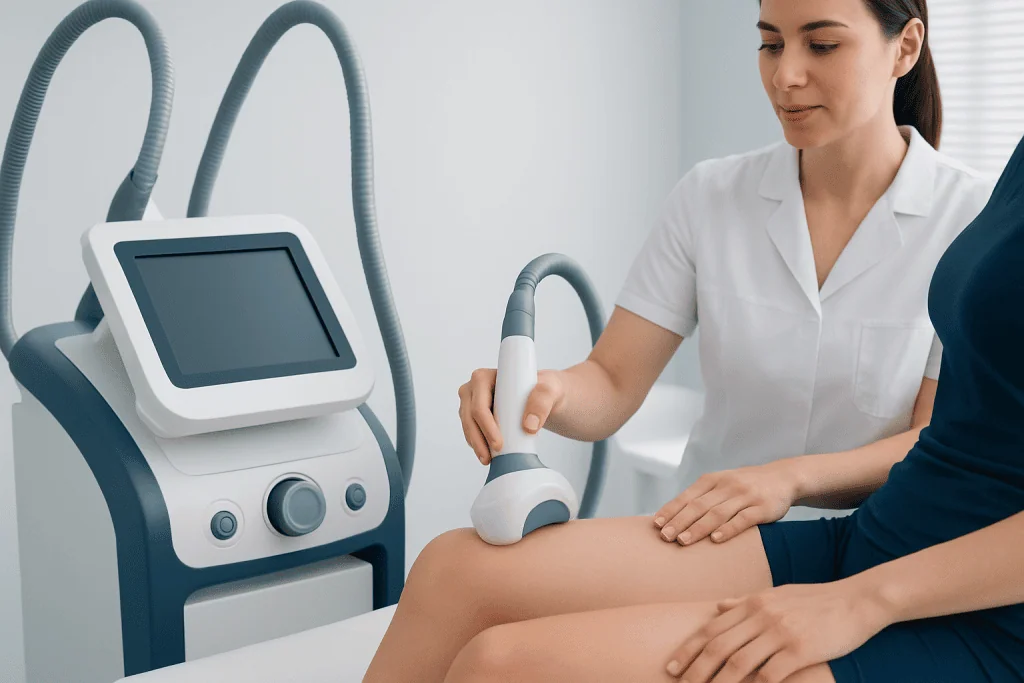
For selected adults, subcision may be used to release tethering bands responsible for individual dimples, particularly on the buttocks or thighs. Energy-based treatments, such as radiofrequency, acoustic-wave or laser-based approaches, may offer modest improvement for some people and often require repeat sessions. Side effects can include temporary bruising, swelling, tenderness, pigment changes or uneven results, so treatment should be provided by a properly qualified professional after an informed discussion.
Liposuction is not considered a reliable treatment for cellulite and can sometimes make skin irregularity more visible. Injectable treatments, devices and combination approaches differ in availability and evidence, so a clinician can help distinguish established options from marketing claims. No cosmetic procedure should be viewed as a guarantee of perfectly smooth skin.
Daily Habits and Natural Approaches
People wondering how to get rid of cellulite naturally should know that no food, supplement, dry-brushing method or home remedy has been shown to permanently remove it. Massage, body brushing and topical products containing ingredients such as caffeine may temporarily change the look of the skin by affecting fluid movement or skin surface texture, but they do not alter the deeper structural cause.
Healthy daily habits can still support skin and overall wellbeing. These include eating a varied diet, staying physically active, getting enough sleep, avoiding smoking and aiming for weight stability rather than repeated restrictive dieting. Some retinoid-based creams may modestly improve skin thickness with regular use, but they are not suitable for everyone and should be discussed with a clinician, particularly during pregnancy or breastfeeding.
When to Seek Medical Care
Cellulite itself should not be painful or cause warmth, redness, marked swelling or sudden changes in one area. A person should seek medical advice if skin changes are new, painful, rapidly worsening, associated with a lump, or accompanied by swelling in one leg. Red, hot, tender skin with fever may indicate cellulitis, a bacterial skin infection that is unrelated to cellulite and requires prompt medical assessment.
A medical consultation can also be useful when cellulite causes significant distress or when someone is considering a procedure. A clinician can check for other causes of leg swelling or skin texture changes and explain suitable options. Acibadem International’s multidisciplinary specialists in JCI-accredited hospitals can assess and treat cellulite concerns for international patients following an individual evaluation.
Frequently asked questions
Is cellulite the same as body fat?
No. Cellulite involves fat beneath the skin, but it also depends on the fibrous connective tissue bands and the quality of the skin above them. People with low, average or higher amounts of body fat can all have cellulite.
Is cellulite the same as cellulitis?
No. Cellulite is a harmless cosmetic skin-texture change, while cellulitis is a potentially serious bacterial infection of the skin. Cellulitis may cause redness, heat, pain, swelling and sometimes fever, and it needs prompt medical care.
Will losing weight make cellulite disappear?
Weight loss may make cellulite less visible for some people, especially when it is paired with muscle-strengthening activity. It does not reliably remove cellulite, and rapid weight loss may make skin texture more noticeable in others.
Which cellulite procedure works best?
There is no single best procedure for everyone. Subcision may be considered for distinct tethered dimples, while energy-based treatments may help some people with broader texture changes; a qualified clinician can recommend an option based on the individual’s skin and goals.
Do anti-cellulite creams work?
Most creams provide limited or temporary changes in skin appearance and do not remove the connective tissue bands causing cellulite. Products containing certain active ingredients may modestly improve skin texture for some people, but expectations should remain realistic.
Can men have cellulite?
Yes, although cellulite is less commonly visible in men because connective tissue patterns and fat distribution often differ. Men can still develop cellulite, particularly with genetic predisposition, changes in body composition or reduced skin elasticity.
References
- American Academy of Dermatology Association
- U.S. Food and Drug Administration
- Mayo Clinic
- National Health Service
This article is for general information only and is not a substitute for professional medical advice. Please consult a qualified doctor about your individual situation.
Explore treatments in Turkey — costs, top hospitals & a free quote
JCI-accredited · board-certified surgeons · reply within 24h
Add us as a Preferred Source to see more of our trusted health content across Google Search, AI Overviews and Discover.