

10 Stages of Brain Injury Recovery: A Week-by-Week Timeline

Brain injury recovery is not linear; improvements and setbacks can both occur during healing. The earliest priorities are stabilizing the person, preventing further brain injury and identifying complications.
Key Takeaways
- Brain injury recovery is not linear; improvements and setbacks can both occur during healing.
- The earliest priorities are stabilizing the person, preventing further brain injury and identifying complications.
- Rehabilitation may include physical, occupational, speech-language, cognitive and psychological therapies.
- Some symptoms improve within days or weeks, while others may take months or longer to change.
- Urgent medical assessment is needed after a head injury with worsening symptoms, loss of consciousness, seizures or new weakness.
The 10 stages of brain injury recovery are best understood as a flexible clinical framework rather than a fixed week-by-week schedule. Recovery can involve emergency care, gradual return of consciousness, rehabilitation and long-term adaptation, with progress depending on the injury, the person and the support available.
Overview: what are the 10 stages of brain injury recovery?
The phrase “10 stages of brain injury recovery” is often used to describe the broad path from the immediate aftermath of a traumatic brain injury (TBI) through rehabilitation and longer-term adjustment. It is not a universal medical scale and should not be used to predict exactly what will happen in a particular week. Brain injuries range from concussion to severe injury with prolonged unconsciousness, and each person’s needs are different.
A practical way to view the stages is: 1) emergency stabilization, 2) early neurological assessment, 3) prevention and treatment of complications, 4) reduced consciousness or coma when present, 5) gradual awakening, 6) post-traumatic confusion, 7) early rehabilitation, 8) rebuilding daily abilities, 9) community reintegration and 10) long-term recovery and follow-up. People may move through these stages at different speeds, repeat some stages or experience only some of them.
Recovery reflects both healing in the brain and the brain’s ability to adapt by forming or strengthening alternative pathways. This process, called neuroplasticity, supports rehabilitation, but it does not mean that effort alone can reverse every effect of an injury. Structured assessment and individualized care remain essential.
A flexible week-by-week brain injury recovery timeline
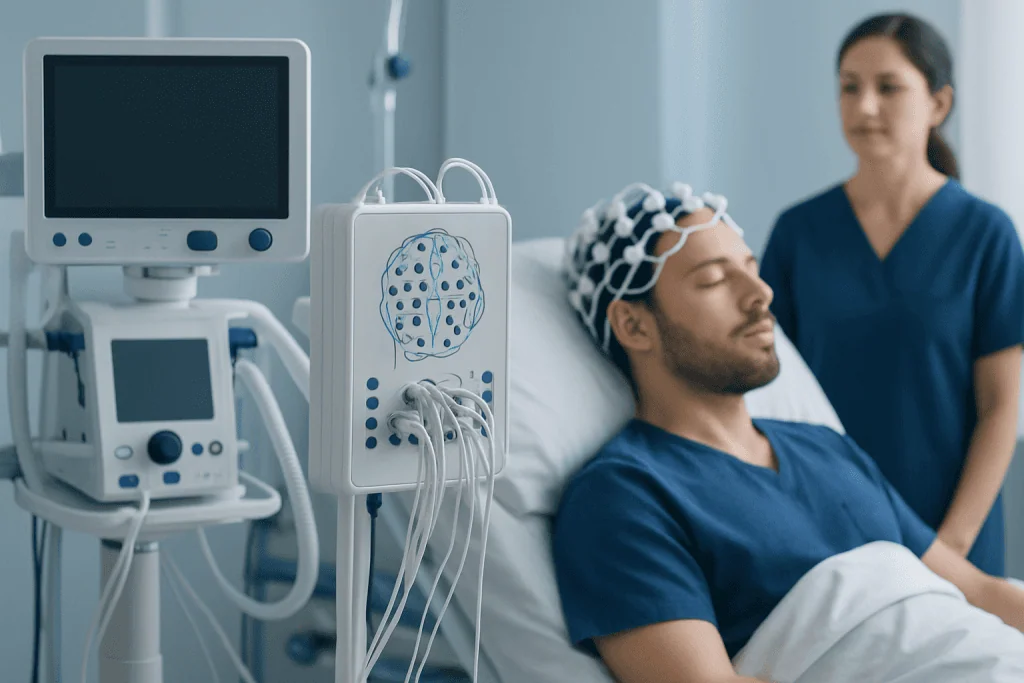
During the first hours and days, care focuses on airway, breathing, circulation and brain monitoring. Clinicians assess consciousness, pupils, movement, memory and other neurological functions. Imaging such as CT or MRI may be used to look for bleeding, swelling, fractures or other injuries. Surgery may be needed in selected cases, for example to remove a blood clot or relieve dangerous pressure inside the skull.
In the first one to two weeks, the medical team watches closely for complications such as seizures, infection, blood clots, fluid imbalance, agitation and increased pressure in the brain. A person with a mild injury may be at home during this period with advice on rest and a gradual return to activity. A person with a moderate or severe injury may remain in hospital, intensive care or a specialist rehabilitation setting.
Over the following weeks and months, rehabilitation often becomes the main focus. Attention, memory, balance, strength, speech, mood, fatigue and sleep may change at different rates. The most noticeable gains are often seen in the first months, but meaningful improvements can continue for much longer with therapy, practice and supportive environments.
- Days 0-7: stabilization, diagnosis and monitoring.
- Weeks 1-4: management of complications, early mobility and assessment for rehabilitation.
- Months 1-6: intensive recovery of physical, cognitive and communication skills when needed.
- Beyond 6 months: continued therapy, adaptation, return-to-work or school planning, and long-term symptom management.
What are the signs that the brain is healing?
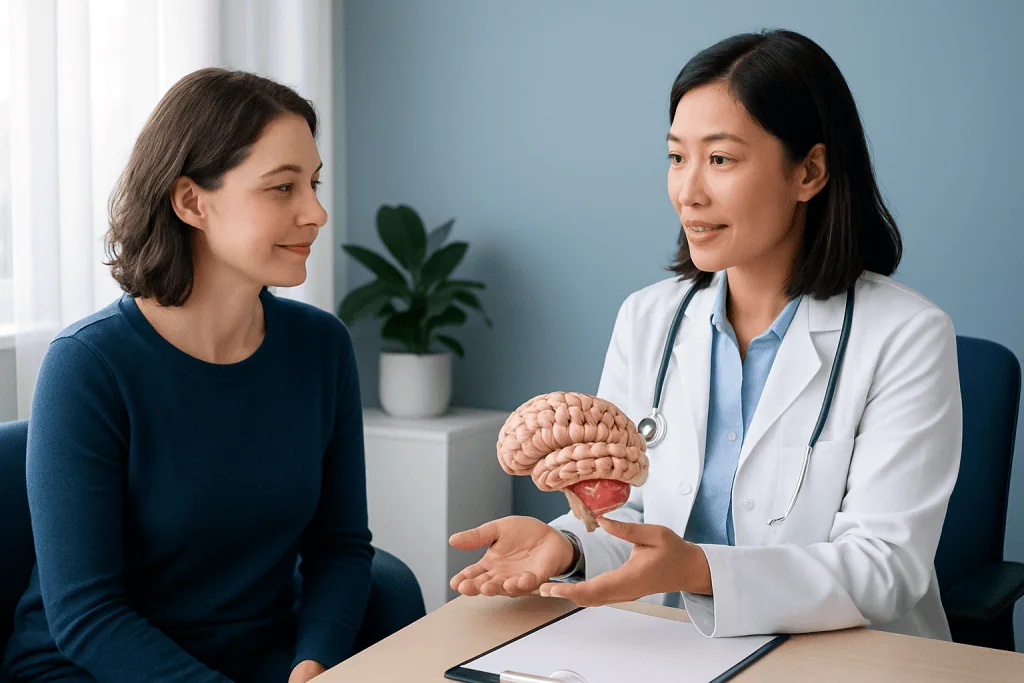
Signs of recovery differ according to the part of the brain affected and the severity of the injury. Early improvement may include more consistent alertness, better ability to follow simple instructions, fewer periods of confusion, improved sleep-wake patterns or clearer communication. For people recovering from a concussion, gradual reduction in headache, dizziness, sensitivity to light, fatigue and concentration problems can be reassuring signs.
Functional progress is also important. Examples include better balance, safer walking, improved hand use, more independence with washing and dressing, longer attention during conversation, or returning to selected home, work or school tasks. Progress is often easier to recognize when measured by therapists using repeat assessments rather than by day-to-day impressions alone.
Symptoms may fluctuate with tiredness, stress, illness or increasing activity. A temporary increase in symptoms does not always mean new damage, but worsening symptoms should be discussed with a clinician. New severe headache, repeated vomiting, seizure, increasing drowsiness, weakness or confusion requires urgent evaluation.
How long does it take for your brain to heal from brain damage?
There is no single recovery time for brain damage. A mild traumatic brain injury may improve over days to several weeks, although some people have symptoms for longer. Moderate and severe injuries commonly require months of rehabilitation, and some effects may be long-lasting or permanent. Recovery also differs between injuries caused by trauma, stroke, infection, lack of oxygen or brain tumors.
Factors that can influence recovery include the cause and severity of injury, age, general health, the areas of the brain involved, length of unconsciousness or post-traumatic confusion, other injuries, pre-existing neurological conditions and access to timely rehabilitation. The person’s home environment, emotional support and opportunities to practise skills also matter.
Clinicians generally avoid making precise predictions early after a serious brain injury because the picture can change over time. Follow-up with neurology, rehabilitation medicine and relevant therapists allows the recovery plan to be adjusted as needs become clearer. Related neurological conditions, including stroke, may require a similarly individualized rehabilitation approach.
Can you recover 100% from a brain injury?
Some people make a full or near-full recovery, particularly after uncomplicated mild injuries. Others recover independence while continuing to experience less visible symptoms, such as fatigue, slowed thinking, headaches, altered mood or difficulty multitasking. After more severe injuries, ongoing physical, cognitive, communication or behavioral changes are more likely, but substantial improvement may still be possible.
Recovery should not be judged only by whether all symptoms disappear. Meaningful goals can include living safely, communicating effectively, managing personal care, returning to valued relationships, taking part in education or work, and finding practical strategies for persistent symptoms. Rehabilitation helps identify strengths as well as areas that need support.
It is helpful for families to expect a changing process rather than a simple return to a previous baseline. Emotional adjustment can take time for both the person and caregivers. Counseling, neuropsychological support and community resources can be important components of long-term care.
How to speed up brain injury recovery?
There is no proven shortcut that safely accelerates recovery for everyone. The most effective approach is to follow the care plan, attend rehabilitation consistently and increase activity at a pace recommended by the clinical team. Attempting to push through severe fatigue, dizziness, headaches or cognitive overload can worsen symptoms and may delay progress.
Rehabilitation may include physiotherapy for movement and balance, occupational therapy for daily activities, speech-language therapy for communication and swallowing, and cognitive rehabilitation for attention, planning and memory. A coordinated neurological rehabilitation program can bring these elements together around practical goals.
Helpful foundations include regular sleep, adequate nutrition and hydration, avoiding alcohol and non-prescribed drugs, taking prescribed medicines as directed, and protecting the head from another injury. For concussion, clinicians may recommend a short period of relative rest followed by gradual, symptom-guided return to normal activity. Patients should ask their doctor before driving, returning to contact sports or resuming safety-sensitive work.
Treatment, rehabilitation and long-term support
Brain injury treatment begins with addressing the underlying problem and preventing secondary injury. Depending on the situation, this may involve observation, medicines, seizure management, treatment of infection, management of swelling or neurosurgical procedures. The medical team may also assess swallowing, nutrition, pain, bladder and bowel function, sleep and emotional health.
Rehabilitation is individualized rather than delivered as one standard procedure. A specialist team may include rehabilitation physicians, neurologists, neurosurgeons, nurses, physiotherapists, occupational therapists, speech-language therapists, psychologists, neuropsychologists, dietitians and social workers. Therapy may take place in hospital, an inpatient rehabilitation unit, outpatient services or at home.
Benefits of rehabilitation include improved safety, function, confidence and participation in daily life. Potential challenges include fatigue, frustration, emotional distress and temporary symptom increases as activity grows. These concerns should be shared with the treating team so that goals and therapy intensity can be adjusted safely. Acibadem International’s multidisciplinary specialists and JCI-accredited hospitals support diagnosis, treatment and rehabilitation planning for international patients with brain injury.
When to seek medical care
Emergency medical care is needed after a head injury if there is loss of consciousness, worsening or severe headache, repeated vomiting, seizure, increasing confusion, unusual behavior, weakness or numbness, difficulty speaking, poor coordination, unequal pupils, fluid or blood from the nose or ears, or increasing drowsiness. These signs can indicate a potentially serious brain injury and should not be managed at home.
Medical review is also appropriate when concussion symptoms do not improve as expected, interfere with school or work, or worsen during return to activity. Children, older adults, people taking blood-thinning medication and anyone with a previous neurological condition may need particularly careful assessment after a head injury.
Follow-up is important even after discharge. A clinician can monitor recovery, review medications, arrange therapy, address sleep or mood symptoms, and provide guidance on returning to driving, employment, education and sport.
Frequently asked questions
Are there really 10 stages of brain injury recovery?
There is no single internationally accepted medical list of exactly 10 stages. The term is a useful way to describe common phases, from emergency stabilization through rehabilitation and long-term adjustment. Individuals may skip stages, move through them in a different order or need different types of support.
What is the first stage of brain injury recovery?
The first stage is emergency stabilization and assessment. Healthcare professionals focus on vital functions, look for signs of brain swelling or bleeding, and identify other injuries. The priority is preventing further injury while determining the cause and severity of the brain injury.
Why does brain injury recovery seem to go backward sometimes?
Recovery commonly varies from day to day, especially when a person is tired, overstimulated, stressed or unwell. Symptoms can temporarily increase after therapy or a busy day without indicating new brain damage. However, sudden or significant deterioration should be assessed urgently.
Can a person improve years after a brain injury?
Yes, improvement can occur years after an injury, particularly when a person receives targeted therapy, practises relevant skills and uses effective compensatory strategies. The pace of change may be slower than in the early months. Long-term follow-up can help identify goals that remain meaningful and achievable.
What therapies are used after a brain injury?
Therapies are selected based on the person’s symptoms and goals. They may include physiotherapy, occupational therapy, speech-language therapy, cognitive rehabilitation, psychological therapy and vocational rehabilitation. Some people also need treatment for headaches, seizures, sleep problems, mood changes or swallowing difficulties.
When can someone return to work or school after a brain injury?
Return should be gradual and based on symptoms, functional abilities and the demands of the role or course. A healthcare professional may recommend accommodations such as reduced hours, rest breaks, quieter environments or modified tasks. Returning too quickly can worsen fatigue and cognitive symptoms, so a personalized plan is usually safest.
References
- Centers for Disease Control and Prevention
- National Institute of Neurological Disorders and Stroke
- World Health Organization
- Brain Injury Association of America
- National Institute for Health and Care Excellence
This article is for general information only and is not a substitute for professional medical advice. Please consult a qualified doctor about your individual situation.
Explore treatments in Turkey — costs, top hospitals & a free quote
JCI-accredited · board-certified surgeons · reply within 24h
Add us as a Preferred Source to see more of our trusted health content across Google Search, AI Overviews and Discover.

More from the Health Library



Related Specialists
Assoc. Prof. Dr. Ata Can
Orthopedic Surgery & Traumatology
Dr. Yeliz Kantürk
Otorhinolaryngology
Dr. Anıl Karaağaç
Cardiovascular Surgery
Dr. Duygu Demirbaş Keskin
Otorhinolaryngology