Skin Punch Biopsy: Procedure, Recovery and Results
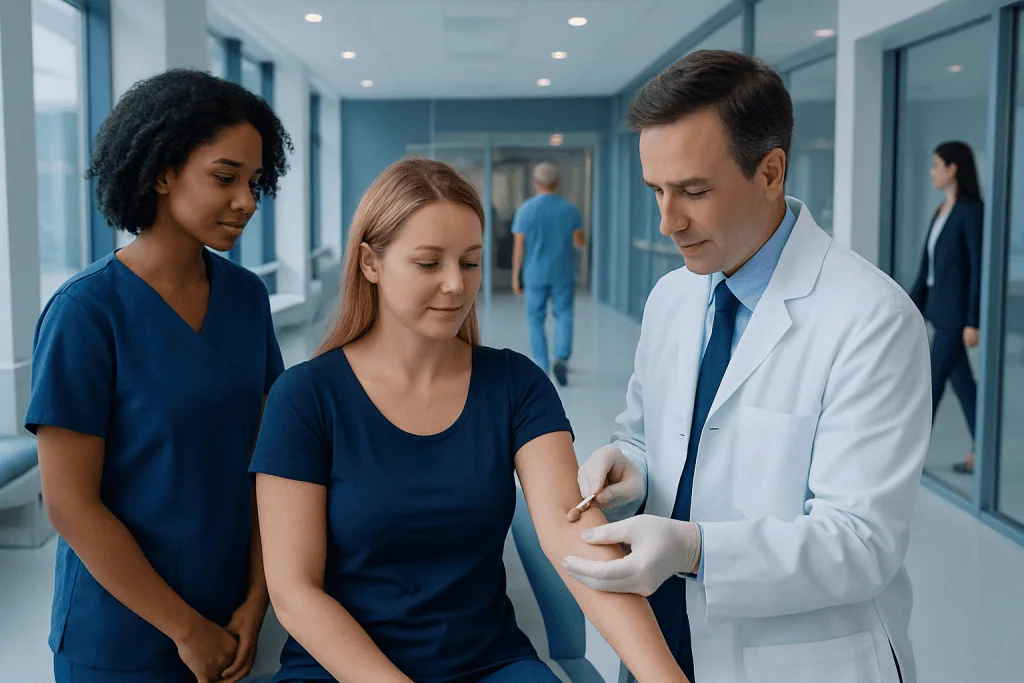
A skin punch biopsy removes a small full-thickness sample of skin, often under local anaesthetic. The procedure commonly takes only a few minutes, although the appointment may be longer for assessment and aftercare instructions.
Key Takeaways
- A skin punch biopsy removes a small full-thickness sample of skin, often under local anaesthetic.
- The procedure commonly takes only a few minutes, although the appointment may be longer for assessment and aftercare instructions.
- Most biopsy sites heal over about one to two weeks, depending on the location, sample size and whether stitches are used.
- Results are interpreted alongside the skin examination and medical history; a positive cancer result does not by itself define the treatment plan.
- Keeping the site clean, protected and dry as instructed supports healing and lowers the risk of infection.
A skin punch biopsy is a minor procedure in which a clinician removes a small, cylindrical sample of skin for laboratory examination. It can help identify inflammatory skin conditions, infections and abnormal growths, including suspected skin cancer, while usually requiring only local anaesthetic and simple wound care.
Overview: what is a skin punch biopsy?
A skin punch biopsy is a diagnostic procedure that removes a small, round, tube-shaped piece of skin. A clinician uses a sterile circular instrument to collect a sample that may include the epidermis, dermis and sometimes a small amount of tissue beneath the skin. The sample is then examined by a pathologist under a microscope.
This type of biopsy is useful when a skin change cannot be diagnosed confidently from its appearance alone. It may help investigate a persistent rash, an inflammatory condition, an infection, a pigmented lesion, a scaly patch, a skin ulcer or a lump. When cancer is a concern, the biopsy provides information that helps the care team decide on appropriate next steps.
A punch biopsy is different from a superficial shaving biopsy because it samples deeper layers of skin. It is also different from an excisional biopsy, which aims to remove an entire lesion. The most suitable technique depends on the location, appearance and suspected cause of the skin finding.
How it works and who may need a punch biopsy
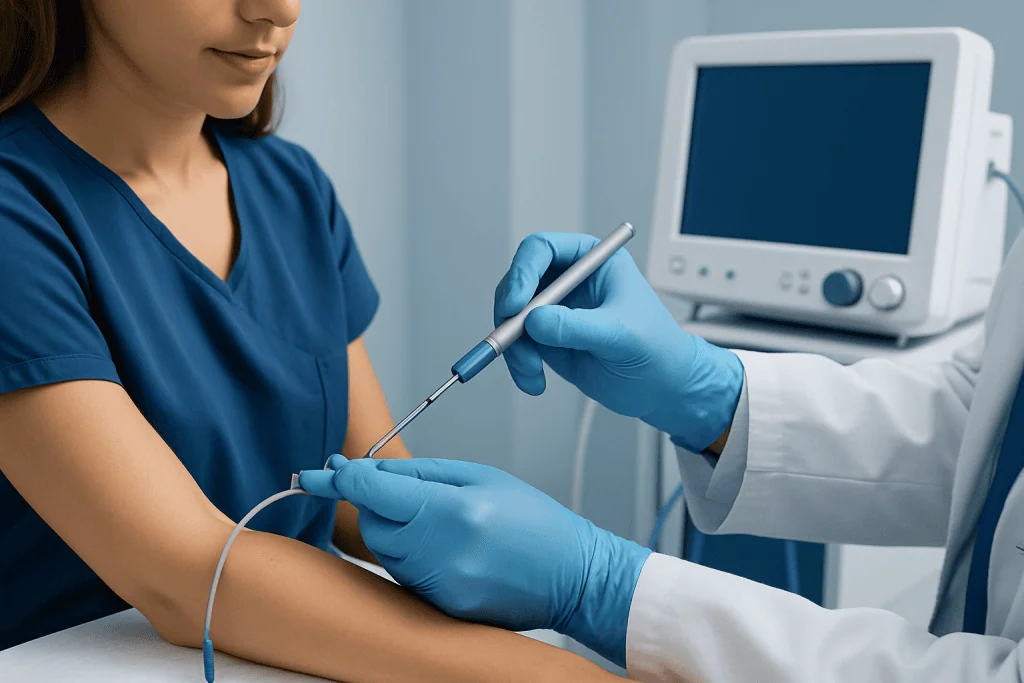
The main purpose of a skin punch biopsy is to obtain enough tissue to make an accurate diagnosis. For inflammatory rashes, the clinician may select a newer, active-looking area rather than skin that has been scratched or treated heavily. For a suspicious lesion, the sample is taken from the part most likely to provide useful diagnostic information.
A clinician may recommend the procedure when a skin condition persists despite treatment, has an uncertain cause, changes in appearance, or needs confirmation before treatment begins. It may be used in the assessment of eczema-like eruptions, psoriasis-like plaques, autoimmune blistering disorders, vasculitis, fungal or other infections, and suspected skin cancers such as skin cancer.
Before the procedure, the clinician should review medicines, allergies, previous bleeding problems and relevant health conditions. Blood-thinning medicines should not be stopped without advice from the prescribing clinician. Pregnancy, immune suppression, a history of keloid scarring and any active infection near the proposed biopsy site may also affect planning.
Step by step: what happens during a skin punch biopsy?
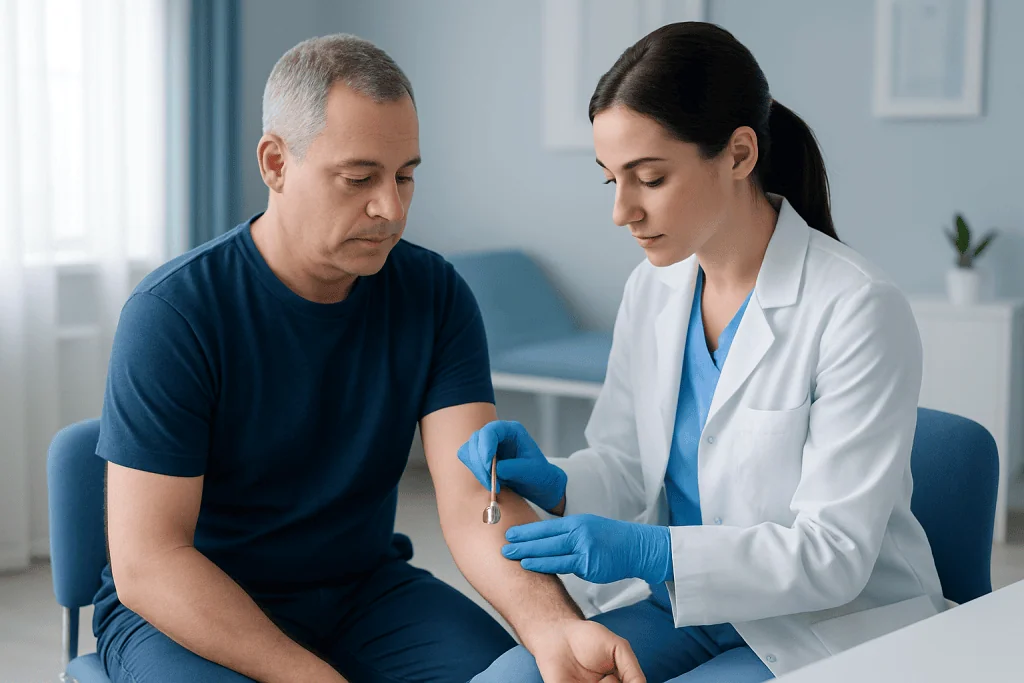
The clinician first examines the skin and selects the biopsy site. The area is cleaned with an antiseptic, and local anaesthetic is injected to numb the skin. The injection may sting briefly, but the biopsy itself should not be painful once the area is numb.
A small circular punch instrument is gently rotated through the skin to remove the sample. The clinician may apply light pressure to control minor bleeding. Depending on the size and location of the sample, the wound may be closed with one or more stitches, or it may be allowed to heal naturally.
The tissue is placed in a specimen container and sent to a pathology laboratory. A dressing is applied, and the patient receives instructions on cleaning, bathing, activity and stitch removal if needed. The sampling part of the procedure often lasts only a few minutes, while the overall visit includes consent, assessment and discussion of aftercare.
The sample itself does not spread cancer or make a suspected cancer worse. Its role is diagnostic: it allows the clinician and pathologist to identify the nature of the skin change and plan care on the basis of reliable information.
How long does it take to heal after a punch biopsy?
Most skin punch biopsy wounds begin to seal within several days and heal over roughly one to two weeks. Healing can take longer on the lower legs, feet, areas exposed to friction, or in people with diabetes, poor circulation, immune suppression or other conditions that affect wound repair.
If stitches are used, the clinician will advise when they should be removed. Timing varies by body site because areas under more movement or tension may need longer support. A small scar is expected, although its final appearance may continue to improve for several months.
Some tenderness, mild swelling, bruising or a small amount of spotting on the dressing can be normal shortly after the procedure. Pain is generally mild and often manageable with the pain relief options recommended by the clinician. Contact the care team if discomfort or redness is getting worse rather than better.
Following clear aftercare advice is part of dermatology care, especially for people who have recurrent rashes, complex skin conditions or wounds that are slow to heal.
What not to do after a punch biopsy?
After a punch biopsy, the patient should not pick, scratch or pull at the wound, scab, skin glue or stitches. These actions can reopen the site, increase bleeding and raise the chance of infection or a more noticeable scar. The dressing should remain in place for the period advised by the clinician.
It is also sensible to avoid swimming, hot tubs and soaking in a bath until the wound has adequately closed or the clinician says it is safe. Showering may often be permitted after a specified time, but the site should be patted dry rather than rubbed. The individual instructions given after the biopsy should take priority.
Strenuous exercise, contact sports and activities that stretch or rub the area may need to be limited for a short period, particularly if stitches were placed. Avoid applying creams, antiseptics, cosmetics or herbal products directly to the wound unless the care team has recommended them, as some products can irritate healing skin.
- Do not stop prescribed blood-thinning medicine unless the prescribing clinician specifically advises it.
- Do not attempt to remove stitches at home.
- Do not ignore persistent bleeding, spreading redness, pus, fever or wound separation.
Results, benefits and possible risks
Pathology results may be available within several days to a few weeks, depending on the tests needed and laboratory processes. The clinician interprets the report together with the skin examination, symptoms and medical history. Sometimes additional stains, specialist review or another biopsy is needed to clarify a result.
The key benefit of a skin punch biopsy is that it provides tissue-level information that cannot always be obtained through visual examination alone. A confirmed diagnosis can prevent unnecessary treatment, guide appropriate medicines or procedures, and help clarify whether follow-up is required.
Complications are uncommon, but can include bleeding, infection, delayed healing, changes in skin colour, temporary numbness, an allergic reaction to materials used, or scarring. People prone to raised scars may develop a thicker scar. A clinician can discuss ways to reduce risk based on the biopsy site and individual health factors.
For suspicious or confirmed lesions, care may involve coordination between dermatology, pathology, surgery and oncology. Acibadem International’s multidisciplinary specialists and JCI-accredited hospitals assess and treat skin conditions for international patients, with care plans based on the biopsy findings and individual needs.
What happens if a skin cancer biopsy is positive?
A positive skin cancer biopsy means that cancer cells were found in the sampled tissue. The pathology report usually identifies the type of cancer and may describe features that help guide management. It does not automatically mean that cancer has spread, and the next steps depend on the specific diagnosis, size, depth, location and other clinical details.
The clinician will explain the result and recommend an appropriate treatment plan. For many skin cancers, treatment involves removing the remaining cancer with a procedure designed to achieve clear margins while preserving as much healthy tissue as possible. Some cases may need further examination, imaging, lymph node assessment, medication, radiation therapy or specialist cancer care.
Questions about the exact diagnosis, treatment goals, scar expectations and follow-up schedule are appropriate to discuss at this visit. Skin cancer treatment is selected according to the type and stage of the cancer rather than the biopsy result alone.
Regular skin checks and sun-protection habits remain important after a diagnosis, as they can support early recognition of future skin changes. The treating clinician can advise how often follow-up examinations are needed.
Is a punch biopsy serious, and when to seek medical care
A punch biopsy is generally considered a minor outpatient procedure. It is commonly performed with local anaesthetic and has a low risk of serious complications. Even so, it is a medical procedure that creates a small wound, so appropriate preparation and aftercare are important.
The patient should contact the clinician promptly if bleeding does not stop after steady direct pressure, if redness or swelling spreads, if there is increasing warmth, worsening pain, pus-like drainage, fever, or if the wound opens. Urgent assessment is appropriate for heavy bleeding, signs of a severe allergic reaction, or feeling significantly unwell after the procedure.
A medical review is also appropriate for a new or changing mole, a sore that does not heal, a lesion that repeatedly bleeds, or a rash that is extensive, painful or associated with fever. Early evaluation does not mean a condition is necessarily serious; it helps ensure that the right diagnosis and treatment are not delayed.
People with diabetes, reduced immunity, circulation problems or a history of poor wound healing should mention this before the biopsy and follow their clinician’s wound-care guidance closely.
Frequently asked questions
Does a skin punch biopsy hurt?
Local anaesthetic is used to numb the area, so the person may feel a brief sting from the injection and pressure during the biopsy rather than sharp pain. Mild soreness or tenderness can occur after the numbness wears off. The clinician can advise on suitable pain relief if needed.
How long does it take to heal after a punch biopsy?
Many punch biopsy sites heal in about one to two weeks. Healing may take longer on the legs and feet, or when stitches are used or a person has conditions that affect wound healing. The final scar can continue to settle over several months.
What happens if a skin cancer biopsy is positive?
A positive result means cancer cells were identified in the sampled tissue. The clinician will explain the type of skin cancer and recommend further treatment or assessment based on the pathology report and the individual situation. Many skin cancers can be treated effectively with local procedures, but the plan varies.
Is a punch biopsy serious?
A punch biopsy is usually a minor outpatient procedure performed under local anaesthetic. Serious problems are uncommon, although bleeding, infection and scarring are possible. Following wound-care instructions and reporting concerning symptoms helps reduce risk.
What not to do after a punch biopsy?
Do not pick at the wound or stitches, soak the site in a bath or pool before it has healed, or use unapproved products on it. Avoid activities that pull, rub or strain the area until the clinician says they are safe. Do not remove stitches independently.
How long do skin biopsy results take?
Results may take several days to a few weeks, depending on the laboratory and whether additional testing is required. The clinician’s office can provide an expected timeframe and arrange discussion of the report. A delay does not necessarily mean that the result is concerning.
References
- American Academy of Dermatology Association
- American Cancer Society
- National Cancer Institute
- NHS
- Mayo Clinic
This article is for general information only and is not a substitute for professional medical advice. Please consult a qualified doctor about your individual situation.
Oncology care in Turkey — second opinion and treatment plan
JCI-accredited · board-certified surgeons · reply within 24h
Add us as a Preferred Source to see more of our trusted health content across Google Search, AI Overviews and Discover.