Tchp Chemo: How It Works, Results and What to Expect

TCHP stands for docetaxel, carboplatin, trastuzumab and pertuzumab. It is commonly given before surgery for higher-risk, early-stage HER2-positive breast cancer, and may also be used in other settings.
Key Takeaways
- TCHP stands for docetaxel, carboplatin, trastuzumab and pertuzumab.
- It is commonly given before surgery for higher-risk, early-stage HER2-positive breast cancer, and may also be used in other settings.
- Treatment is usually delivered in repeating cycles with blood tests, heart monitoring and supportive care.
- Side effects vary, but fatigue, diarrhea, nausea, lowered blood counts and hair loss are common and can often be managed.
- A complete response in breast and lymph-node tissue after preoperative treatment is an encouraging sign, but it does not guarantee an individual outcome.
TCHP chemo is a treatment combination used for many people with HER2-positive breast cancer. It combines two chemotherapy medicines with two HER2-targeted therapies to shrink or control cancer and reduce the risk of recurrence when used as part of an individualized treatment plan.
TCHP chemo: an overview
TCHP chemo is a combination treatment for HER2-positive breast cancer. It includes docetaxel and carboplatin, which are chemotherapy medicines, plus trastuzumab and pertuzumab, which are targeted medicines that block HER2-related cancer growth signals. It is most often used before surgery for people whose cancer is large enough, involves lymph nodes, or has other features that make preoperative systemic treatment appropriate.
The aim is to treat cancer cells throughout the body while also shrinking the tumor in the breast and affected lymph nodes. Treatment before surgery can show how the cancer responds to medicines and may help guide treatment after surgery. TCHP is not suitable for every person with HER2-positive disease; the oncology team considers the cancer stage, hormone-receptor status, general health, heart function and personal treatment priorities.
HER2 is a protein found in higher-than-normal amounts on some breast cancer cells. Testing the tumor for HER2 is essential because trastuzumab and pertuzumab are designed specifically for HER2-positive disease. People can learn more about the underlying diagnosis through breast cancer information.
How TCHP chemotherapy works
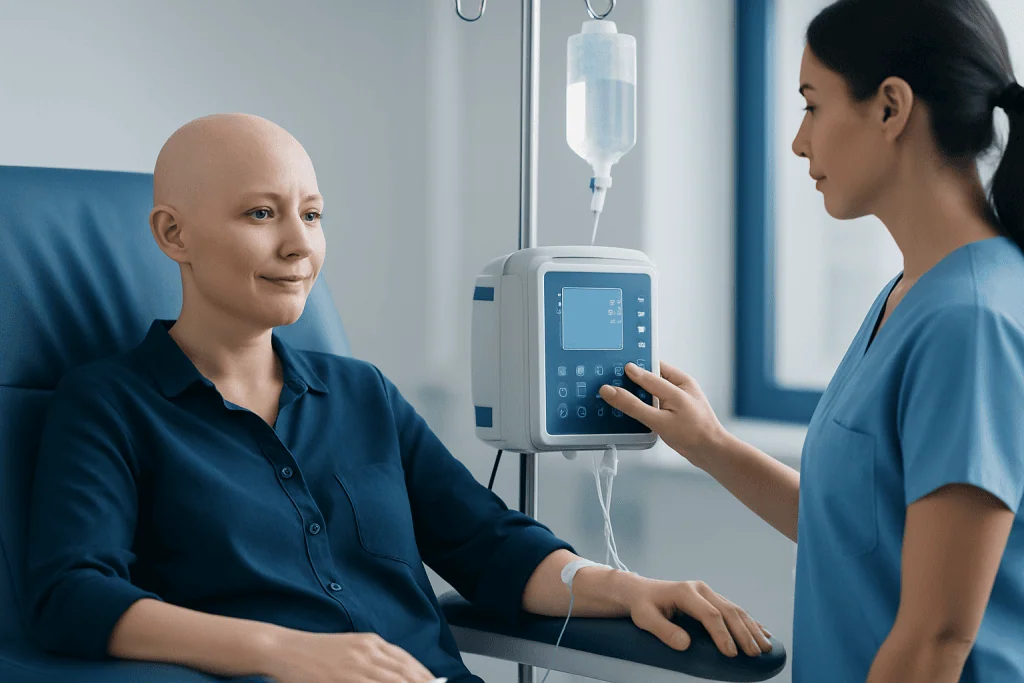
Each medicine in TCHP has a different role. Docetaxel interferes with cell division, while carboplatin damages cancer-cell DNA and makes it harder for cells to reproduce. These medicines can also affect some healthy rapidly dividing cells, which explains side effects such as hair loss, mouth soreness and reduced blood counts.
Trastuzumab and pertuzumab are monoclonal antibodies. They attach to HER2 in different ways, helping interrupt signals that can drive cancer-cell growth. They may also help the immune system recognize and attack HER2-positive cells. Combining HER2-targeted treatment with chemotherapy has an important role in modern treatment plans for appropriately selected HER2-positive breast cancers.
TCHP is systemic therapy, meaning it travels through the bloodstream rather than treating only the breast. In early-stage disease, it is often part of a sequence that may include surgery, radiation therapy and continued HER2-targeted therapy. The precise sequence should be tailored by a breast cancer multidisciplinary team.
Who may be a candidate for TCHP?

TCHP is frequently considered for stage II or stage III HER2-positive breast cancer before surgery, particularly when the tumor is larger or lymph nodes are involved. In this setting, it is called neoadjuvant therapy. It may also be considered in selected other circumstances, although treatment choices differ substantially between early-stage and metastatic breast cancer.
Before recommending TCHP, clinicians review pathology results, imaging findings, medical history, current medicines and laboratory tests. Because trastuzumab and pertuzumab can affect heart function in a small number of people, an echocardiogram or a similar heart-function assessment is generally performed before treatment and repeated during therapy.
Factors such as existing heart disease, significant kidney or liver problems, neuropathy, prior cancer treatment, pregnancy, fertility goals and the ability to tolerate treatment all matter. A different regimen, adjusted schedule or additional supportive measures may be safer for some individuals. Decisions should not be based on HER2 status alone.
What happens during a TCHP treatment cycle?
TCHP is usually administered in an outpatient infusion unit in repeating cycles, commonly every three weeks. The number of planned cycles varies by treatment setting and individual plan. Before each cycle, the team reviews symptoms, checks blood counts and organ function, and confirms that it is safe to proceed. Delays or dose adjustments can be appropriate when side effects need time to improve.
On infusion day, medicines to help prevent nausea, allergic-type infusion reactions and some chemotherapy effects may be given first. The medicines are then infused intravenously in a planned order. The first infusion can take longer because staff monitor closely for reactions; later infusions may be shorter when they are well tolerated. The care team will explain the expected visit length and whether a central venous access device may be helpful.
After the chemotherapy portion is completed, HER2-targeted treatment commonly continues for a total planned duration determined by the oncology team. Surgery is generally scheduled after the preoperative treatment and appropriate recovery period. Breast cancer treatment planning often brings together medical oncology, breast surgery, radiation oncology, pathology, imaging and supportive care.
Benefits, risks and common side effects
A key potential benefit of preoperative TCHP is that it can substantially reduce the amount of visible cancer before surgery. Some people have no remaining invasive cancer in breast and lymph-node tissue removed at surgery, called a pathologic complete response. This is generally an encouraging finding, especially in HER2-positive disease, but it is not the only measure of benefit and does not predict outcomes with certainty for an individual.
Common side effects can include tiredness, hair loss, nausea, reduced appetite, diarrhea or constipation, taste changes, mouth sores, skin or nail changes, numbness or tingling in the hands and feet, and lower blood counts. Lower white blood cell counts can increase infection risk. Many people receive preventive medication to support white blood cell recovery, depending on their regimen and individual risk.
Less common but important risks include severe infection, dehydration from diarrhea or vomiting, blood clots, allergic or infusion reactions, nerve symptoms and changes in heart pumping function. Carboplatin can affect blood counts and kidney function, while docetaxel can cause fluid retention in some people. The oncology team monitors for these concerns and can prescribe symptom relief, adjust treatment or arrange urgent assessment when needed.
- Report fever, chills, worsening cough, painful urination or feeling suddenly unwell promptly.
- Contact the care team for diarrhea that is severe, persistent, bloody or associated with dizziness or reduced urination.
- Tell clinicians about new shortness of breath, chest discomfort, rapid weight gain, swelling, severe rash or infusion symptoms.
When are the worst days after TCHP chemotherapy?
There is no single worst day for everyone, but many people notice that symptoms build over the first few days after an infusion. Fatigue, nausea, bowel changes and altered taste may be most noticeable from roughly days 2 to 5. Some people also experience body aches or bone pain after medicines used to support white blood cell counts.
Blood counts often reach their lowest point later in the cycle, commonly around one to two weeks after chemotherapy, although timing varies. This is when infection risk can be higher, even if a person feels relatively well. The care team may schedule blood tests based on the regimen and symptoms rather than testing at the same point for every person.
Symptoms often start easing before the next cycle, but recovery can be incomplete after repeated treatments. Keeping a symptom diary, drinking fluids as advised, eating small frequent meals and taking supportive medicines exactly as prescribed can help the team respond early. Any fever of 38°C (100.4°F) or higher during chemotherapy should be treated as urgent and reported immediately according to the oncology unit’s instructions.
What are good signs that chemo is working?
Changes such as a breast lump becoming smaller or less firm can be encouraging, but they cannot reliably show the full response to treatment. Some tumors are difficult to feel, and treatment-related swelling or scar-like changes can make self-assessment misleading. Symptoms alone should not be used to decide whether TCHP is effective.
Clinicians assess response using breast examination, imaging when appropriate, and the pathology report after surgery. Imaging may show that a tumor has decreased in size or that lymph nodes look less abnormal. The most definitive assessment in the neoadjuvant setting comes from examination of the tissue removed during surgery.
It is also important to know that severe side effects do not mean treatment is working better, and mild side effects do not mean it is failing. The goal is effective treatment delivered as safely as possible. Regular oncology visits allow the plan to be adjusted using clinical findings rather than assumptions based on how a person feels after an infusion.
What is the success rate of TCHP chemotherapy for treating breast cancer?
There is no single success rate for TCHP chemotherapy because outcomes depend on the stage of cancer, tumor size, lymph-node involvement, hormone-receptor status, response to treatment, surgery, radiation needs and follow-up HER2-targeted therapy. Clinical trials and real-world studies show that many people with appropriately selected HER2-positive early breast cancer have a strong response to dual HER2-targeted treatment combined with chemotherapy.
In people receiving TCHP before surgery, doctors often discuss pathologic complete response, meaning no invasive cancer is found in the breast and sampled lymph nodes at surgery. This outcome is associated with a favorable prognosis on average, especially in HER2-positive and hormone-receptor-negative tumors. However, people who do not have a complete response can still benefit significantly, and additional treatment after surgery may be recommended to lower recurrence risk.
An oncology team can provide the most meaningful outlook using the individual pathology report and treatment response. It is reasonable to ask what treatment goal applies, how response will be measured, and what post-surgery options may be considered based on the surgical pathology findings.
How long does it take to recover from TCHP chemotherapy?
Recovery occurs in stages. Many short-term effects from an individual cycle improve over the following two to three weeks, although fatigue, bowel changes and taste changes may last longer. Blood counts commonly recover enough for the next planned cycle, but the timing differs between individuals and treatment may be delayed when recovery is slower.
After the final chemotherapy infusion, hair regrowth and improvement in energy can begin over the following weeks to months. Numbness or tingling from nerve irritation may improve gradually, but can persist longer in some people. Continued HER2-targeted therapy is often better tolerated than the chemotherapy portion, though heart monitoring and review of symptoms remain important.
Recovery is also shaped by surgery, radiation therapy, sleep, emotional wellbeing, nutrition, activity level and other health conditions. Gentle activity as tolerated, adequate protein and fluids, infection precautions, and rest can support recovery. The oncology team should assess ongoing fatigue, persistent neuropathy, mood changes or symptoms that interfere with daily life rather than assuming they will resolve without support.
When to seek medical care
People receiving TCHP should use the emergency contact instructions provided by their cancer team. Urgent advice is needed for fever of 38°C (100.4°F) or higher, chills, confusion, severe weakness, fainting, uncontrolled vomiting, severe diarrhea, inability to drink fluids, reduced urination, unusual bleeding or bruising, or signs of an allergic reaction.
New or worsening shortness of breath, chest pain, persistent palpitations, sudden swelling, severe headache, one-sided leg swelling or marked dizziness also require prompt medical assessment. These symptoms may have causes unrelated to treatment, but they should not be managed at home without guidance during active cancer therapy.
For planned care, multidisciplinary specialists at Acibadem International and its JCI-accredited hospitals support international patients through diagnosis and treatment planning for breast cancer. Patients should discuss any new symptom, fertility concern, medication change or need for emotional and practical support with their oncology team as early as possible.
Frequently asked questions
What does TCHP stand for?
TCHP stands for docetaxel, carboplatin, trastuzumab and pertuzumab. Docetaxel and carboplatin are chemotherapy medicines, while trastuzumab and pertuzumab are HER2-targeted therapies used for HER2-positive breast cancer.
Is TCHP always given before breast cancer surgery?
No. TCHP is often used before surgery for certain higher-risk, early-stage HER2-positive breast cancers, but it is not needed for every case. The sequence of treatment depends on tumor features, stage, overall health and the goals of care.
Can TCHP chemotherapy cause hair loss?
Yes. Docetaxel commonly causes significant hair loss, which may include scalp hair and sometimes eyebrows, eyelashes or body hair. Hair typically begins to grow back after chemotherapy ends, though its texture or color may initially differ.
How can diarrhea during TCHP be managed?
Diarrhea is common, particularly with pertuzumab-containing treatment, and should be reported early to the oncology team. The team may recommend anti-diarrheal medicine, fluid and electrolyte replacement, dietary adjustments or further evaluation if symptoms are persistent or severe.
Will TCHP affect heart function?
Trastuzumab and pertuzumab can sometimes reduce the heart's pumping function, often without symptoms at first. Heart function is checked before treatment and monitored during therapy, and treatment may be paused or changed if clinically important changes occur.
Can someone work during TCHP chemotherapy?
Some people are able to work part-time or with flexible arrangements, while others need more time away from work. Energy levels, infection exposure, travel demands and side effects differ greatly, so planning should be individualized with the treatment team and employer where appropriate.
References
- National Cancer Institute
- American Cancer Society
- National Comprehensive Cancer Network
- European Society for Medical Oncology
- Breast Cancer Now
This article is for general information only and is not a substitute for professional medical advice. Please consult a qualified doctor about your individual situation.
Oncology care in Turkey — second opinion and treatment plan
JCI-accredited · board-certified surgeons · reply within 24h
Add us as a Preferred Source to see more of our trusted health content across Google Search, AI Overviews and Discover.

More from the Health Library



Related Specialists

Prof. Dr. Fatih Aydoğan
General Surgery
Prof. Dr. Okan Kuzhan
Medical Oncology
Prof. Dr. M. Sinan Ersin
General Surgery
Dr. Ahmet Varolan
Gynecology & Obstetrics