Quad Tendon Pain Treatment: How It Works, Results and What to Expect

Quadriceps tendon pain is often caused by overuse, but sudden weakness after an injury can indicate a tear. Treatment for tendon irritation usually focuses on reducing aggravating activity, managing pain, and progressively rebuilding strength.
Key Takeaways
- Quadriceps tendon pain is often caused by overuse, but sudden weakness after an injury can indicate a tear.
- Treatment for tendon irritation usually focuses on reducing aggravating activity, managing pain, and progressively rebuilding strength.
- A complete quadriceps tendon rupture commonly needs surgery to restore active knee extension.
- Recovery times vary: tendon irritation may settle over weeks to months, while repair rehabilitation often takes several months.
- A sudden pop, inability to straighten the knee, marked swelling, or difficulty walking warrants urgent medical assessment.
Quad tendon pain treatment depends on whether the tendon is irritated, partially torn, or completely ruptured. Most overuse-related pain improves with guided rehabilitation and load management, while a complete quadriceps tendon tear generally requires prompt surgical repair followed by progressive rehabilitation.
Overview: What Is Quad Tendon Pain Treatment?
Quad tendon pain treatment addresses problems affecting the quadriceps tendon, the strong band of tissue just above the kneecap. This tendon connects the thigh muscles to the patella and helps straighten the knee for walking, climbing stairs, standing from a chair, and sporting movements.
For many people, pain develops gradually from repeated loading and is described as quadriceps tendinopathy or tendonitis. Treatment usually begins with temporarily modifying activities that provoke pain, improving movement and strength through physiotherapy, and returning to activity in stages. If there is a significant partial tear or a complete rupture, an orthopedic assessment is important because surgical repair may be recommended.
The right plan is based on the cause, severity, functional limitations, health history, and activity goals. It is helpful to avoid trying to “push through” persistent tendon pain, as a tailored rehabilitation program can improve comfort and support safer recovery.
How Quad Tendon Pain Develops
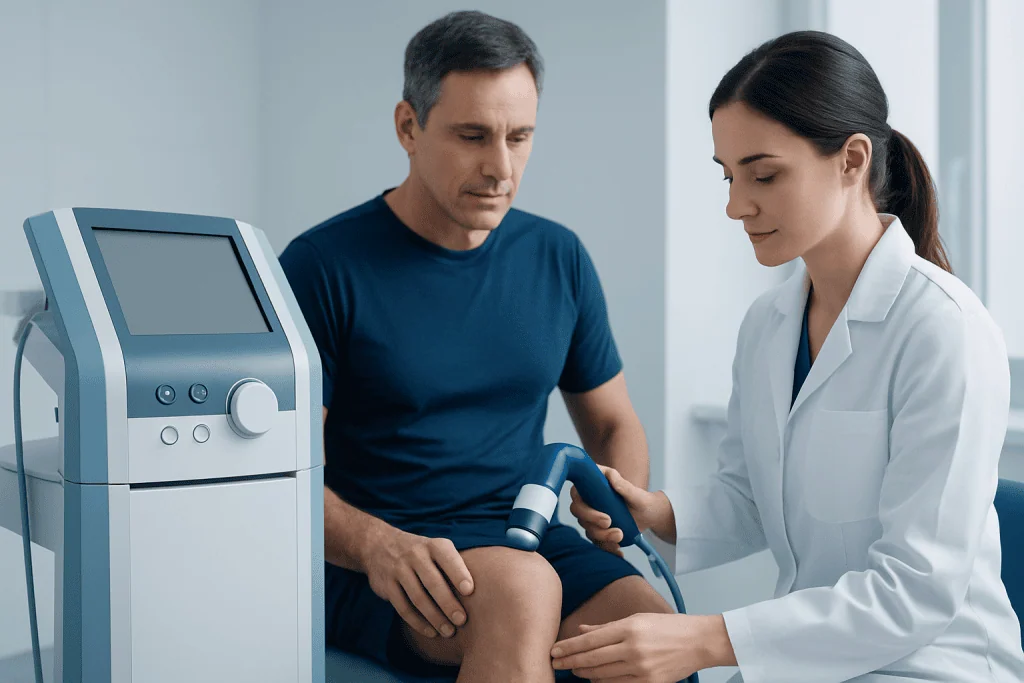
The quadriceps tendon is exposed to high forces during running, jumping, squatting, stair climbing, and rapid deceleration. Repetitive loading without adequate recovery can irritate the tendon and alter its structure over time. Pain is often felt at the top edge of the kneecap and may be worse during or after knee-bending activities.
Less commonly, the tendon can partially or fully tear during a forceful movement, a fall, or a direct injury. A complete rupture may cause sudden pain and swelling, sometimes with a popping sensation. The person may be unable to actively straighten the knee or lift the leg while keeping the knee straight.
Age-related tendon changes, previous knee injury, reduced conditioning, and abrupt increases in training can contribute. Certain medical conditions and medications may also affect tendon health. A clinician can distinguish tendon-related pain from other possible causes around the front of the knee, including patellar problems, arthritis, bursitis, or muscle injury.
How Quad Tendon Pain Treatment Works
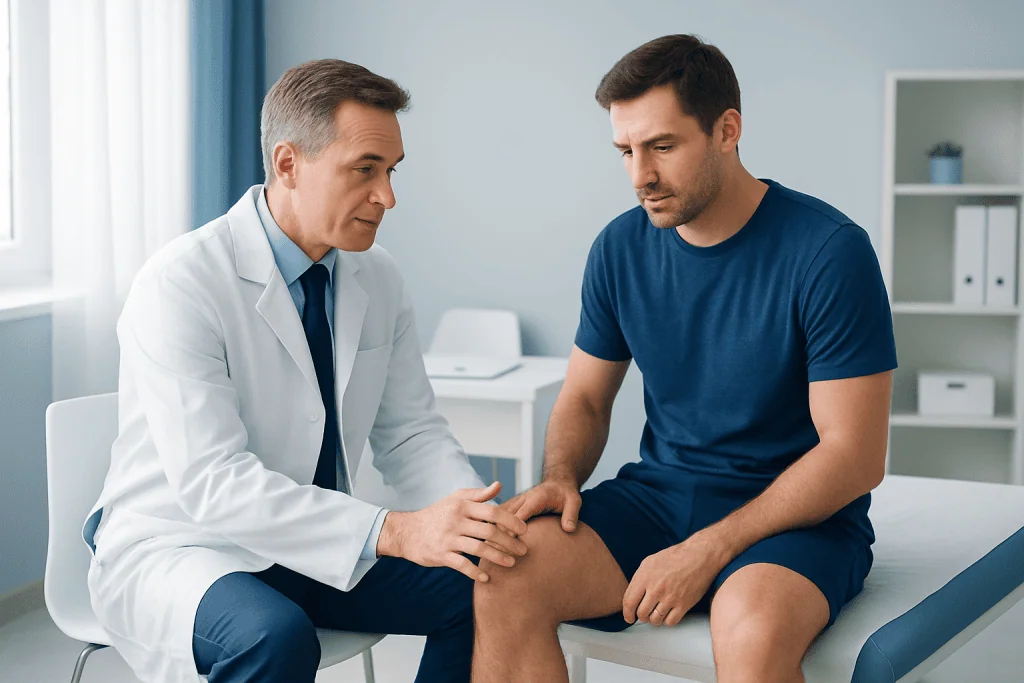
For tendinopathy, treatment aims to calm pain without completely unloading the tendon for long periods. A clinician or physiotherapist may advise a temporary reduction in running, jumping, deep squats, or other movements that markedly increase symptoms. Low-impact exercise, such as cycling or swimming, may be appropriate for some people while symptoms improve.
Rehabilitation is central to treatment. It commonly starts with exercises that are comfortable enough to perform safely and progresses toward controlled strengthening of the quadriceps, hips, and supporting leg muscles. Gradual tendon loading helps restore capacity for everyday movement and, later, sport-specific demands. Flexibility, balance, landing mechanics, and training habits may also be addressed.
Cold packs may provide short-term comfort after activity. A healthcare professional may discuss appropriate pain-relief options based on the individual’s medical history. Injections and other procedures are not suitable for every tendon problem, and their potential benefits and risks should be considered carefully with a qualified clinician.
When imaging and examination confirm a complete rupture, quadriceps tendon repair may be used to reattach the tendon to the kneecap. The aim is to restore the knee’s extensor mechanism so that the person can regain the ability to straighten the knee through rehabilitation.
Who May Need Surgery and What Happens During Repair
Surgery is most often considered for a complete quadriceps tendon rupture, especially when the person cannot actively extend the knee. It may also be discussed for selected large partial tears or persistent functional problems that do not improve with appropriate non-surgical care. Earlier assessment is generally important after a suspected rupture because delayed repair can be more complex.
Before surgery, the orthopedic team reviews symptoms, examination findings, imaging, medications, general health, and rehabilitation needs. X-rays can help assess the kneecap and exclude fractures, while ultrasound or MRI may show the location and extent of tendon damage. The recommended approach is individualized.
During repair, the surgeon makes an incision above the kneecap, identifies the torn tendon, and secures it back to the patella using strong sutures and fixation techniques. Associated damage may be treated if present. The knee is then protected in a brace or immobilizer while early healing begins.
Surgery addresses a structural tear, but it is only one part of recovery. Consistent follow-up and rehabilitation are needed to gradually restore motion, strength, confidence, and everyday function.
Recovery Timeline, Benefits, and Risks
Recovery from tendon irritation is variable. Mild symptoms may improve over several weeks with a suitable change in activity and rehabilitation, but longer-standing tendinopathy can take months to settle. Progress is usually guided by function and symptom response rather than a fixed calendar date.
After quadriceps tendon repair, the knee is commonly protected initially with a brace, and weight-bearing instructions vary according to the repair, surgeon’s protocol, and individual factors. Rehabilitation progresses from protecting the repair and restoring knee motion to rebuilding quadriceps strength, balance, and movement control. Return to demanding work, running, or sport often takes several months and should be cleared by the treating team.
Potential benefits of appropriate treatment include reduced pain, improved knee control, and a return to daily activities or sport at an appropriate level. Possible complications after surgery include infection, wound problems, stiffness, blood clots, ongoing weakness, re-tear, and reactions to anesthesia. These risks are not the same for everyone and should be discussed before surgery.
Following the prescribed brace, wound-care, activity, and physiotherapy instructions can help protect the repair. New calf swelling, chest pain, shortness of breath, fever, wound drainage, or rapidly worsening pain should be reported urgently to a medical team.
When to Seek Medical Care
Medical assessment is advisable for knee pain that persists, repeatedly returns, limits walking or stair climbing, or is associated with visible swelling or weakness. An orthopedic clinician, sports medicine doctor, or physiotherapist can identify whether the quadriceps tendon is involved and recommend a safe plan.
Urgent assessment is important after a sudden injury if there is a pop, a gap above the kneecap, substantial swelling or bruising, inability to straighten the knee, or inability to raise the straight leg. These symptoms can occur with a significant tendon tear and should not be managed with self-care alone.
People with diabetes, kidney disease, inflammatory conditions, previous tendon injuries, or medicines that may affect tendons should mention these factors during assessment. Acibadem International’s multidisciplinary specialists at JCI-accredited hospitals can assess and treat quadriceps tendon conditions for international patients, including rehabilitation planning after injury or surgery.
Frequently Asked Recovery Questions
How long does it take to get rid of quad tendonitis? There is no single timeframe. Mild, recent symptoms may improve within weeks when aggravating activity is reduced and rehabilitation is started, while persistent tendinopathy often needs several months of gradual strengthening and careful return to sport. Continuing high-load activity despite worsening symptoms can delay recovery.
How soon can you walk after quad tendon repair? Many people begin some degree of walking with a brace and assistive device soon after surgery, but the timing and permitted weight bearing depend on the surgical repair and surgeon’s protocol. The knee is commonly kept protected and movement is advanced in stages. The treating surgical and physiotherapy teams should provide the individual plan.
Is quad tendon pain serious? Gradual tendon pain is often manageable, but it should be evaluated if it persists or affects function. Sudden severe pain with weakness or inability to straighten the knee may indicate a rupture and requires urgent assessment. Early diagnosis helps ensure that treatment matches the injury.
How long does a quad tendon injury take to heal? Healing depends on whether the injury is an irritation, a partial tear, or a complete rupture. Overuse pain may improve over weeks to months; after surgical repair, recovery of strength and higher-level activity commonly takes several months. Returning too quickly can increase the risk of ongoing symptoms or reinjury.
Frequently asked questions
Can quadriceps tendon pain heal without surgery?
Many cases of gradual quadriceps tendon pain improve without surgery through activity modification and a progressive rehabilitation program. The approach should be based on an assessment, especially if pain is persistent or knee function is declining. A complete tendon rupture usually requires surgical evaluation.
Should a person exercise with quad tendon pain?
Complete rest is not always necessary for overuse-related tendon pain, but activities that sharply increase pain should be reduced or paused. A physiotherapist can recommend exercises that load the tendon at an appropriate level. Sudden pain after an injury or an inability to straighten the knee should be assessed before exercising.
Is an MRI needed for quadriceps tendon pain?
Not everyone needs an MRI. A clinician can often make an initial assessment through the history and physical examination, sometimes with ultrasound or X-rays. MRI may be useful when a tear is suspected or when the diagnosis remains unclear.
What is the difference between quadriceps tendonitis and a tear?
Tendonitis or tendinopathy usually refers to pain and tendon changes that develop gradually with repeated loading. A tear is a structural disruption of tendon fibers and may happen suddenly during an injury. Complete tears can cause loss of active knee extension and need prompt orthopedic assessment.
Can a quadriceps tendon tear heal on its own?
Small partial tears may sometimes be managed without surgery, depending on their location, extent, and effect on knee function. Complete tears generally do not reliably restore normal knee extension without repair. An orthopedic specialist can explain the most appropriate treatment after examination and imaging.
When can someone return to sport after quadriceps tendon repair?
Return to sport is individualized and depends on healing, knee range of motion, strength, movement control, and the demands of the sport. It often takes several months after repair and should be guided by the surgical and rehabilitation team. Returning before adequate strength and control have been regained may raise reinjury risk.
References
- American Academy of Orthopaedic Surgeons
- OrthoInfo
- National Institute of Arthritis and Musculoskeletal and Skin Diseases
- American Orthopaedic Society for Sports Medicine
This article is for general information only and is not a substitute for professional medical advice. Please consult a qualified doctor about your individual situation.
Joint and spine care in Turkey — expert assessment & treatment
JCI-accredited · board-certified surgeons · reply within 24h
Add us as a Preferred Source to see more of our trusted health content across Google Search, AI Overviews and Discover.