Elbow Surgery: Procedure, Recovery and Results
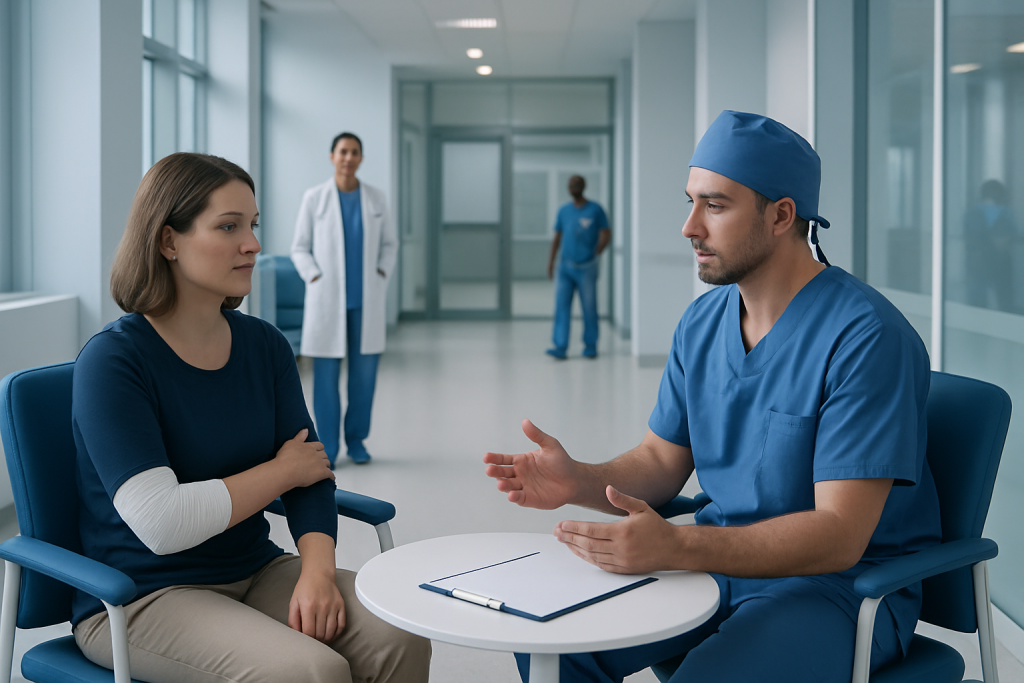
Elbow surgery is not one operation; it may be arthroscopic, open, fracture-related, tendon or ligament repair, nerve surgery, or joint replacement. Doctors usually consider surgery when symptoms limit daily life and appropriate non-surgical treatments have not provided sufficient relief.
Key Takeaways
- Elbow surgery is not one operation; it may be arthroscopic, open, fracture-related, tendon or ligament repair, nerve surgery, or joint replacement.
- Doctors usually consider surgery when symptoms limit daily life and appropriate non-surgical treatments have not provided sufficient relief.
- Many procedures are outpatient, but recovery time ranges from weeks for simpler procedures to several months for major reconstructions or joint replacement.
- Pain and swelling are expected early in recovery, but are usually managed with a personalised pain-control and rehabilitation plan.
- Protecting the repair and following prescribed elbow surgery recovery exercises are important for restoring safe movement and strength.
- Urgent assessment is needed for severe injury, a cold or numb hand, rapidly increasing swelling, fever, wound drainage or uncontrolled pain.
Elbow surgery includes several procedures used to repair injuries, treat joint damage, release compressed nerves, remove loose tissue or improve elbow movement. The expected elbow surgery recovery process depends on what is treated, whether a tendon, ligament or bone needs protection, and the person’s overall health and rehabilitation plan.
Overview: what elbow surgery involves
Elbow surgery is performed to address pain, stiffness, instability, nerve symptoms or loss of function caused by injury or joint disease. It may involve repairing a fracture, tendon or ligament; removing inflamed tissue or loose fragments; treating nerve compression; or replacing a severely damaged joint. The best procedure depends on the specific diagnosis, imaging findings, activity needs and response to non-surgical care.
Some procedures are done through arthroscopy, using a camera and small instruments inserted through small incisions. Others require an open incision because the surgeon needs direct access to repair a tendon or ligament, align a fracture, move a nerve, or reconstruct the joint. Arthroscopy can be useful for selected cases of stiffness, loose bodies and some cartilage or soft-tissue problems, but it is not suitable for every condition.
The goals are individual. For some people, the priority is pain relief and improved everyday movement; for others, it is restoring stability for work, sport or lifting. A surgeon can explain which improvements are realistic, which symptoms may take longer to settle, and what activities should be avoided during healing.
Who may benefit and how the procedure is planned
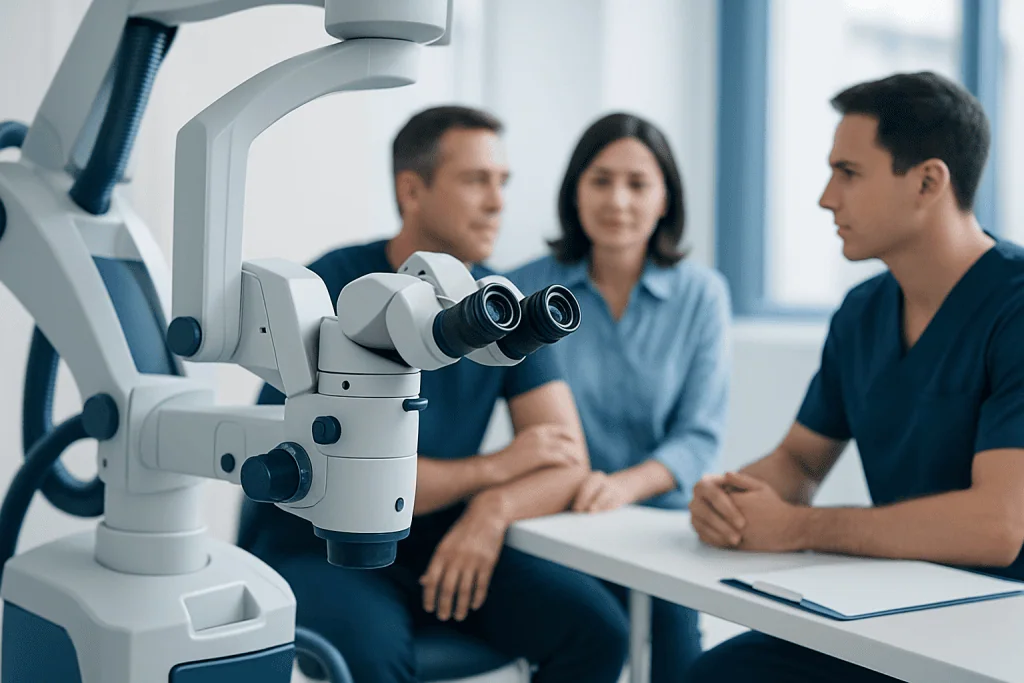
Surgery may be considered after an elbow fracture, dislocation, tendon rupture or ligament injury, particularly when the joint is unstable or the injury cannot heal in a good position without fixation. It may also be recommended for persistent symptoms from arthritis, loose bone or cartilage fragments, elbow stiffness, chronic tendon disease, or nerve compression such as cubital tunnel syndrome.
Before recommending an operation, clinicians commonly review symptoms, work and sports demands, previous treatments and medical history. The examination assesses movement, tenderness, strength, joint stability, hand circulation and nerve function. X-rays are often used to evaluate bones and alignment, while MRI, CT or ultrasound may help assess tendons, ligaments, cartilage, nerves or complex fractures.
Non-surgical options may include activity modification, a brace or splint, physiotherapy, pain-relieving medicines when appropriate, and injections for selected conditions. Surgery is generally considered when these measures have not achieved acceptable function, or when delaying repair could affect healing or joint stability.
Preparation may include blood tests or anaesthetic assessment, particularly for major surgery or people with long-term health conditions. Patients should tell the care team about all medicines, allergies, smoking or nicotine use, and any history of bleeding, infection or blood clots. Instructions about fasting and medicines should be followed exactly.
How elbow surgery is performed: step by step
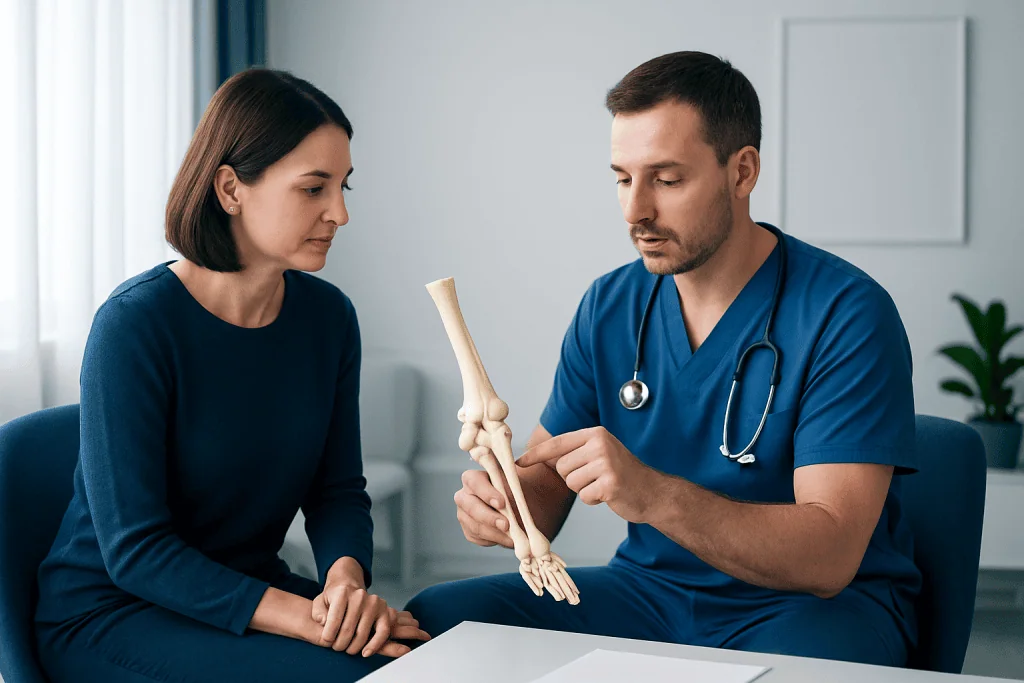
On the day of surgery, the patient meets the surgical and anaesthetic teams, confirms the planned procedure and has the operative elbow marked. Elbow surgery is often carried out under general anaesthesia, sometimes with a regional nerve block to numb the arm and help manage pain after surgery. The choice is based on the operation, health history and anaesthetist’s assessment.
After the arm is positioned and the skin is cleaned, the surgeon performs the planned procedure. During arthroscopy, a small camera gives a view inside the joint, allowing the surgeon to treat certain damaged tissues, loose bodies or areas causing stiffness. In open surgery, the surgeon makes an incision over the relevant structures and may repair tissue with sutures or anchors, stabilise bone with plates and screws, or decompress and reposition a nerve when indicated.
At the end of the operation, the tissues are closed and a dressing is applied. The arm may be placed in a sling, padded splint, removable brace or, less commonly, a cast. The protective device and permitted range of motion depend on the repair: early movement can be helpful after some procedures, while a repaired tendon, ligament or fracture may need a longer period of protection.
Most patients go home on the same day after minor or moderately complex procedures. More extensive fracture reconstruction, elbow replacement, significant medical conditions or pain-control needs may require an overnight hospital stay. Written aftercare instructions should include wound care, medicines, activity restrictions, follow-up and rehabilitation plans.
Benefits, limitations and possible risks
Potential benefits of elbow surgery include reduced pain, a more stable joint, improved ability to bend and straighten the arm, relief of nerve-related tingling, and better capacity for daily tasks. The result depends on the original problem, the amount of pre-existing joint damage, the quality of tissue healing and participation in rehabilitation. Surgery may improve function substantially, but it cannot always return an elbow to its pre-injury condition.
All operations have risks. These may include infection, bleeding, wound healing problems, blood clots, anaesthetic reactions, stiffness, ongoing pain, scar sensitivity, and injury or irritation of nearby nerves or blood vessels. Elbow procedures may also carry a risk of reduced range of motion, failure of a tendon or ligament repair, delayed or non-healing of a fracture, hardware-related symptoms, or the need for further treatment.
The elbow is close to important nerves, including the ulnar nerve, which supplies sensation to the little finger and part of the ring finger. Temporary numbness or tingling can occur after surgery, but persistent or worsening nerve symptoms should be reported promptly. Careful surgical planning and follow-up reduce risk, although no procedure is completely risk-free.
Smoking and nicotine products can impair wound and bone healing. Diabetes, poor circulation, immune-suppressing medicines and certain other health conditions can also affect recovery. Discussing these factors before surgery allows the team to plan safer care.
Elbow surgery recovery timeline and rehabilitation
The elbow surgery recovery timeline is different for every procedure. In the first days, swelling, bruising and discomfort are common. Keeping the arm elevated when advised, using prescribed pain relief, protecting the dressing and moving the fingers regularly can support comfort and circulation. Driving, lifting, pushing and pulling are usually restricted until the surgeon confirms they are safe.
For a relatively minor arthroscopic procedure, many people begin gentle elbow motion soon after surgery and may resume light daily activities within a few weeks. Recovery after tendon or ligament repair, fracture fixation, nerve surgery or elbow replacement is usually longer. The elbow surgery recovery period may extend over several months because repaired tissues need time to heal before strength and heavier activity can safely return.
Rehabilitation is tailored to the operation. A physiotherapist may guide elbow surgery recovery exercises to maintain or gradually restore motion, then build grip, forearm, arm and shoulder strength. Exercises should be performed only as directed: moving too aggressively can stress a repair, while avoiding movement for too long can increase stiffness. Follow-up appointments help the team adjust the plan according to healing and function.
Recovery is often measured in stages rather than a single date. Pain and swelling generally improve first, while strength, endurance and confidence in the arm can take longer. People whose work involves manual labour or whose sport requires throwing, racquet use or heavy lifting may need additional conditioning and clearance before returning fully.
Common questions about recovery and aftercare
How painful is elbow surgery recovery? Pain is usually most noticeable during the first few days, although the amount varies with the procedure and the individual. The surgical team may use a combination of methods, such as a nerve block, prescribed medicines, ice when appropriate and elevation. Pain should gradually become easier to manage; severe, increasing or unrelieved pain should be assessed.
How long in recovery room after elbow surgery? Many patients spend about one to several hours in the recovery area while anaesthesia wears off, pain and nausea are controlled, and staff check circulation and sensation in the hand. The exact time varies depending on the anaesthetic, procedure, health conditions and whether an overnight stay is planned. A responsible adult is generally needed to take an outpatient home and stay nearby initially.
How difficult is elbow surgery? The difficulty varies widely. A brief arthroscopic procedure may be less extensive than complex fracture reconstruction, ligament reconstruction or elbow replacement. The elbow contains closely packed bones, tendons, ligaments, blood vessels and nerves, so careful evaluation, surgical expertise and structured rehabilitation are important for all procedures.
Do they put a cast on after elbow surgery? Not always. A sling, soft dressing, splint or hinged brace is more common after many elbow operations, while a cast may be used after selected fractures or repairs that need firmer immobilisation. The surgeon chooses protection based on the tissues treated and the balance between safe healing and preventing stiffness.
When to seek medical care
Medical assessment is appropriate for elbow pain or stiffness that persists, limits work or daily activities, follows an injury, or is accompanied by tingling, hand weakness or reduced range of movement. An urgent assessment is important after a fall or direct injury if the elbow looks deformed, cannot be moved, or the hand is pale, cold, weak or numb.
After elbow surgery, patients should contact their surgical team promptly for fever, increasing redness or warmth around the wound, foul-smelling drainage, rapidly worsening swelling, new or worsening numbness, blue or pale fingers, chest pain, shortness of breath, or pain not controlled by the prescribed plan. These symptoms do not always indicate a serious complication, but they need timely medical advice.
Acibadem International’s multidisciplinary specialists and JCI-accredited hospitals support international patients who need assessment, surgery and rehabilitation planning for elbow conditions. A qualified orthopaedic surgeon can explain whether surgery is appropriate and provide an individual recovery plan based on the diagnosis and procedure.
Frequently asked questions
How long does elbow surgery recovery take?
Elbow surgery recovery time can range from several weeks after a minor procedure to several months after fracture repair, tendon or ligament reconstruction, or elbow replacement. Recovery also depends on whether the dominant arm is involved, the person’s work demands and how well the joint regains movement and strength. The surgeon and physiotherapist can provide the most relevant timeline for the specific operation.
When can someone use their arm after elbow surgery?
Finger and hand movement is often encouraged soon after surgery, but elbow use depends on the procedure. Light activities may be possible within days or weeks after some operations, while lifting, pushing and pulling may be restricted longer after repairs or fracture surgery. Patients should follow their individual restrictions rather than testing the arm early.
Why is the elbow stiff after surgery?
Swelling, pain, scar tissue and temporary immobilisation can all contribute to stiffness. The elbow is particularly prone to losing motion after injury or surgery, which is why carefully timed rehabilitation is important. The care team may recommend guided exercises, a brace or other measures based on the procedure and healing progress.
Can elbow surgery be done as an outpatient procedure?
Yes, many elbow operations are performed as day surgery, allowing the patient to return home after monitoring in recovery. However, larger procedures, complex fractures, medical conditions or pain-control requirements may make an overnight stay more appropriate. The surgical and anaesthesia teams decide this during planning.
What should be avoided after elbow surgery?
Patients should avoid lifting, forceful gripping, pushing, pulling and unsupported weight through the operated arm until cleared by their surgeon. They should also keep the wound and dressing cared for as instructed and avoid driving while taking sedating pain medicine or before they can safely control a vehicle. Specific restrictions vary considerably by procedure.
Will physiotherapy be needed after elbow surgery?
Physiotherapy is commonly recommended, especially after procedures involving fractures, tendon or ligament repair, instability, stiffness or joint replacement. It helps restore motion and strength at a pace that protects healing tissue. Not every patient needs the same duration or intensity of rehabilitation.
References
- American Academy of Orthopaedic Surgeons
- American Society for Surgery of the Hand
- National Institute of Arthritis and Musculoskeletal and Skin Diseases
- OrthoInfo
This article is for general information only and is not a substitute for professional medical advice. Please consult a qualified doctor about your individual situation.
Elbow Surgery in Turkey — costs, top hospitals & a free quote
JCI-accredited · board-certified surgeons · reply within 24h
Add us as a Preferred Source to see more of our trusted health content across Google Search, AI Overviews and Discover.

Orthopedics & Spine
Care for bones, joints and the musculoskeletal system, including joint replacement, sports injuries and trauma.
126 specialists in this unitMore from the Health Library



Related Specialists

Prof. Dr. Mitat Bahçeci
Endocrinology
Dr. Orçun Can
Medical Oncology
Assoc. Prof. Dr. Mehmet Özgür Akkurt
Gynecology & Obstetrics
Prof. Dr. İbrahim Bildirici
Gynecology & Obstetrics