Hordeolum Treatment: How It Works, Results and What to Expect

A hordeolum, commonly called a stye, is a tender eyelid lump caused by inflammation or infection around an eyelash follicle or oil gland. Warm compresses several times daily are the main first-line treatment and can encourage natural drainage.
Key Takeaways
- A hordeolum, commonly called a stye, is a tender eyelid lump caused by inflammation or infection around an eyelash follicle or oil gland.
- Warm compresses several times daily are the main first-line treatment and can encourage natural drainage.
- Antibiotics are not routinely needed for every hordeolum and should be used only when prescribed by a clinician.
- A minor drainage procedure may help when a hordeolum is persistent, very large, or not responding to conservative care.
- Worsening swelling, fever, vision changes, or pain with eye movement requires prompt medical assessment.
Hordeolum treatment usually starts with warm compresses, gentle eyelid hygiene, and avoiding pressure on the eyelid. Most styes improve without a procedure, while persistent, large, or complicated cases may need assessment by an eye specialist for medicines or drainage.
Hordeolum Treatment: How It Works
A hordeolum is a small, usually painful red swelling at or within the eyelid. It is often called a stye. An external hordeolum develops near an eyelash follicle, while an internal hordeolum affects an oil-producing gland deeper in the eyelid. Hordeolum treatment aims to reduce inflammation, support drainage, relieve discomfort, and identify the uncommon cases that need medical treatment.
The first approach is usually conservative care. A clean, warm compress placed over the closed eyelid can soften blocked oily material and encourage the lesion to drain naturally. Gentle lid hygiene may also help reduce crusting and debris along the eyelash line. The area should not be squeezed, lanced at home, or repeatedly touched, as this can irritate the eyelid and may spread infection.
Many styes settle on their own. If the lump persists, recurs frequently, causes significant symptoms, or is associated with spreading eyelid inflammation, an ophthalmologist can determine whether prescription treatment or an in-office drainage procedure is appropriate.
Who May Need Medical Treatment or Drainage?
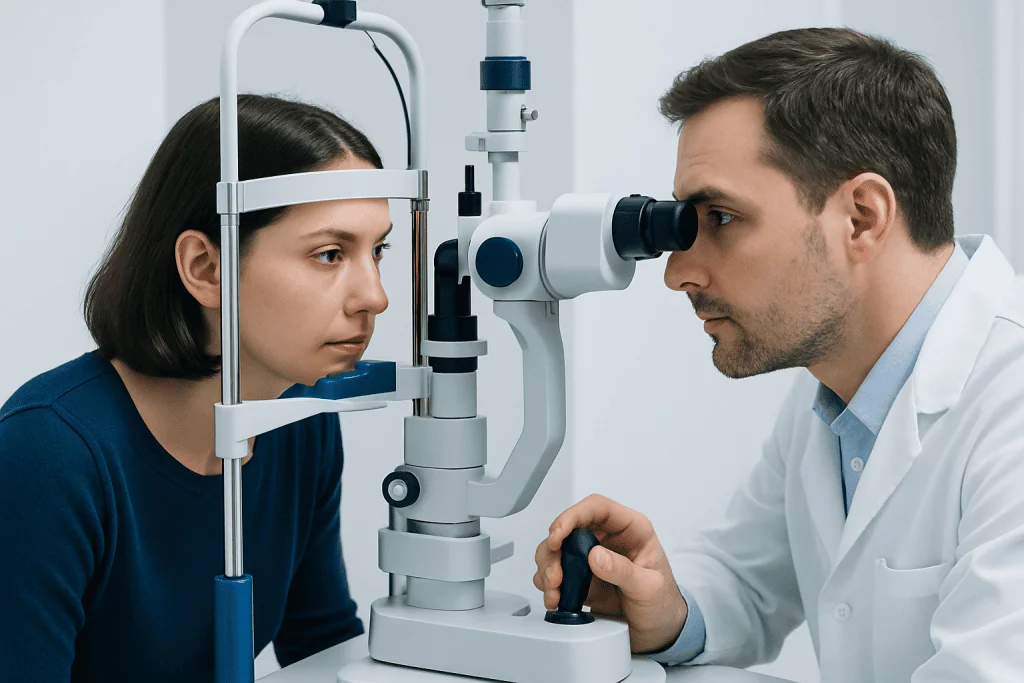
Most people with a small, uncomplicated hordeolum are suitable for home care with warm compresses and observation. A clinician may recommend a closer examination when the swelling is large, lasts longer than expected, repeatedly returns, or does not improve despite consistent conservative care. Internal hordeola can be more uncomfortable and may be less likely to drain visibly than lesions at the eyelash line.
Medical treatment may also be considered when there is concern for associated blepharitis, a chronic inflammation of the eyelid margins, or for a skin infection spreading beyond the local lump. People with diabetes, immune system suppression, significant eyelid skin conditions, or previous eye surgery should seek individualized advice rather than self-treating a persistent eyelid swelling.
A painless lump that remains after the tenderness and redness improve may have become a chalazion, which is a blocked oil gland rather than an active infection. An eye specialist can distinguish these conditions and advise on appropriate care. Related eyelid concerns may be assessed through chalazion evaluation and treatment.
Step-by-Step: What Happens During Hordeolum Treatment?

At an eye appointment, the clinician asks about the timing of symptoms, previous styes, contact lens use, eye makeup, and any changes in vision. The eyelid and eye surface are examined to confirm the diagnosis and look for signs of diffuse infection or another cause of an eyelid lump. Tests are not usually necessary for a typical hordeolum.
If conservative management is appropriate, the clinician explains how to use warm compresses safely: use a clean cloth moistened with comfortably warm water, hold it against the closed eyelid for several minutes, and repeat this regularly during the day. Afterward, very gentle massage may be suggested in selected cases, but only as instructed. Contact lenses and eye makeup are generally avoided until the eyelid has recovered.
When a persistent hordeolum needs drainage, the procedure is usually performed by an ophthalmologist using local anesthetic. A small opening is made from the inner or outer eyelid as appropriate so trapped material can be released. This is generally a short outpatient procedure. The specialist may prescribe an ointment or other treatment afterward based on the examination findings. Patients who need specialist care can discuss ophthalmology assessment and treatment with an eye-care team.
Antibiotic eye ointment, drops, or oral antibiotics may be used when a clinician suspects bacterial infection beyond the localized stye, but they do not replace warm compresses for a simple blocked gland. Steroid-containing eye medicines should not be used unless specifically prescribed by an eye specialist.
Recovery Timeline, Benefits and Possible Risks
With regular warm compresses, a simple external hordeolum often begins to feel less tender within a few days and may resolve over approximately one to two weeks. A deeper internal hordeolum or a lesion that has evolved into a chalazion can take longer. Even when the infection or inflammation settles, a small residual bump may remain temporarily.
The main benefit of conservative treatment is that it supports the body’s natural healing without invasive intervention. When drainage is necessary, it can provide faster relief of pressure and remove material that has not drained on its own. It also allows the clinician to reassess the diagnosis if the lump has an unusual appearance or behavior.
Warm compresses should be comfortably warm, not hot, to avoid skin burns. Possible risks of a drainage procedure include temporary bruising, soreness, minor bleeding, recurrence, and infection, though serious complications are uncommon when it is performed by a qualified eye specialist. Following aftercare instructions and attending review appointments, if arranged, supports safe healing.
How Long Does It Take for a Hordeolum to Heal?
Many hordeola heal within one to two weeks, particularly when warm compresses and careful eyelid hygiene are started early. Pain and redness commonly improve before the swelling completely disappears. The exact timeline depends on whether the lesion is external or internal, its size, and whether it drains naturally.
Some eyelid lumps take several weeks to settle, especially if they leave behind a chalazion. If a hordeolum is not improving after about one to two weeks of consistent home care, is becoming larger, or frequently recurs, an ophthalmology assessment is advisable. A clinician can confirm the cause and discuss whether drainage or another treatment is needed.
How Long Should Antibiotics Be Used to Treat a Hordeolum?
Antibiotics are not required for most uncomplicated hordeola. When they are prescribed, the type and duration depend on the location and severity of the infection, whether there is spreading eyelid infection, and the person’s medical history. The prescriber should provide clear instructions about how and when to use the medicine.
A person should use antibiotics exactly as directed and should not stop early, extend the course, share medication, or use leftover antibiotic eye products. If there is no improvement, new symptoms develop, or side effects occur, the prescribing clinician should be contacted. Repeated antibiotic use without a clear indication is not recommended because it can contribute to resistance and may delay identification of another eyelid condition.
Is a Hordeolum or Chalazion More Painful?
A hordeolum is usually more painful than a chalazion. It often develops relatively quickly as a tender, red, localized swelling because inflammation or infection is active around an eyelash follicle or eyelid gland. Touching the affected eyelid can be uncomfortable.
A chalazion is more often a firm, slowly developing, and less painful or painless bump caused by blockage of an oil gland. However, either condition can cause irritation, tearing, or a sensation that something is in the eye. An examination is useful if the diagnosis is uncertain, the lump returns in the same place, or it does not resolve as expected.
How Do You Know if the Stye Is Getting Better?
Signs of improvement include less pain, reduced redness and swelling, less sensitivity when blinking or touching the eyelid, and gradual flattening of the lump. A small amount of natural drainage or crusting can occur as the hordeolum clears. Hands should be washed before and after touching near the eye, and any discharge should be gently cleaned away with a clean, damp cloth.
It is important not to judge recovery only by whether the bump has disappeared immediately. Tenderness often improves first, while a small residual swelling can take longer to resolve. Symptoms that are worsening rather than improving, such as spreading redness, increasing swelling, or reduced vision, should be assessed promptly.
When to Seek Medical Care
Prompt medical care is important if there are changes in vision, severe eye pain, pain when moving the eye, fever, marked swelling around the eye, inability to open the eyelid, or redness that is spreading across the face. These symptoms may indicate a problem more extensive than a simple hordeolum and need timely professional evaluation.
An appointment with an eye specialist is also appropriate for a lump that does not improve with warm compresses, recurs often, bleeds, causes persistent eyelid distortion, or has an unusual appearance. People should avoid using contact lenses or eye makeup while the eyelid is inflamed and should replace or clean eye makeup and contact lens products according to professional advice to reduce reinfection risk.
Acibadem International’s multidisciplinary specialists and JCI-accredited hospitals provide ophthalmology assessment and treatment for international patients, including evaluation of persistent or recurrent eyelid lumps.
Frequently asked questions
Can a hordeolum go away without treatment?
Yes. Many hordeola improve without prescription medicine or a procedure, often with regular warm compresses and gentle eyelid hygiene. The eyelid should not be squeezed or punctured at home. Medical advice is appropriate if symptoms persist, worsen, or recur.
Should a stye be covered with a bandage?
No. A stye does not usually need to be covered, and a bandage may trap moisture or irritate the eyelid. Keeping the area clean and avoiding unnecessary touching is generally more helpful. A clinician can advise on protective measures if there is drainage.
Can contact lenses be worn with a hordeolum?
It is generally best to stop wearing contact lenses until the hordeolum has resolved and the eye feels comfortable. This reduces irritation and the chance of contaminating lenses or lens cases. An eye-care professional can advise when it is safe to resume lens use.
Can eye makeup cause or worsen a hordeolum?
Eye makeup does not always cause a hordeolum, but products, applicators, or poor makeup hygiene can contribute to eyelid irritation and bacterial exposure. Makeup should be avoided while the eyelid is inflamed. Old eye cosmetics should be replaced and applicators kept clean.
Why do hordeola keep coming back?
Recurring hordeola may be linked with blepharitis, blocked eyelid oil glands, rosacea, contact lens or makeup hygiene issues, or other factors. A recurring lump should be assessed by an ophthalmologist to confirm the diagnosis and develop a prevention plan. Daily eyelid hygiene may be recommended for some people.
Is it safe to pop a hordeolum?
No. Popping or squeezing a hordeolum can injure delicate eyelid tissues, worsen inflammation, and potentially spread infection. Warm compresses are safer for encouraging natural drainage. If drainage is needed, it should be performed by an appropriately trained clinician.
References
- American Academy of Ophthalmology
- National Eye Institute
- NHS
- Merck Manual Consumer Version
This article is for general information only and is not a substitute for professional medical advice. Please consult a qualified doctor about your individual situation.
Hair transplant in Turkey — costs, graft counts & a free assessment
JCI-accredited · board-certified surgeons · reply within 24h
Add us as a Preferred Source to see more of our trusted health content across Google Search, AI Overviews and Discover.

More from the Health Library



Related Specialists
Assoc. Prof. Dr. Murat Sezer
Pulmonary Medicine
Assoc. Prof. Dr. Saygın Abalı
Pediatric Endocrinology
Dt. İletişim | 444 55 44
Oral & Dental Health
Dr. Ersın Adem Hadzhıyuseın
Inpatient Clinic Physicians