Epat Therapy: How It Works, Results and What to Expect

EPAT therapy uses external acoustic pressure waves and does not involve surgery or injections. It may be used for selected chronic tendon and soft-tissue conditions, alongside a structured rehabilitation plan.
Key Takeaways
- EPAT therapy uses external acoustic pressure waves and does not involve surgery or injections.
- It may be used for selected chronic tendon and soft-tissue conditions, alongside a structured rehabilitation plan.
- Improvement is usually gradual, with early soreness possible and meaningful changes often taking several weeks.
- A clinician should confirm the diagnosis and rule out injuries or conditions that need different treatment.
- Rest is generally brief; gradual return to guided activity is often more helpful than prolonged inactivity.
EPAT therapy is a noninvasive form of extracorporeal pulse activation technology that delivers acoustic pressure waves to painful soft tissue. It is commonly considered for persistent tendon-related pain when appropriate rehabilitation and other conservative care have not provided enough relief.
EPAT Therapy Overview
EPAT therapy, short for extracorporeal pulse activation technology, is a noninvasive treatment that applies acoustic pressure waves through the skin to an area of persistent pain. It is often described as radial shockwave therapy. Clinicians may use it for some long-standing tendon and soft-tissue problems, particularly when symptoms have continued despite activity modification, physiotherapy, supportive footwear or other conservative approaches.
The treatment is intended to stimulate biological responses involved in tissue repair and pain modulation. It is not a surgery, and it does not break up tissue or remove a tendon problem immediately. Rather, EPAT is usually one part of a wider care plan that may include diagnosis-specific exercise, load management and correction of contributing movement or training factors.
EPAT results vary because tendon pain can have different causes, severities and recovery patterns. A careful assessment helps determine whether this approach is suitable and whether another treatment, imaging study or rehabilitation strategy is more appropriate.
How EPAT Therapy Works
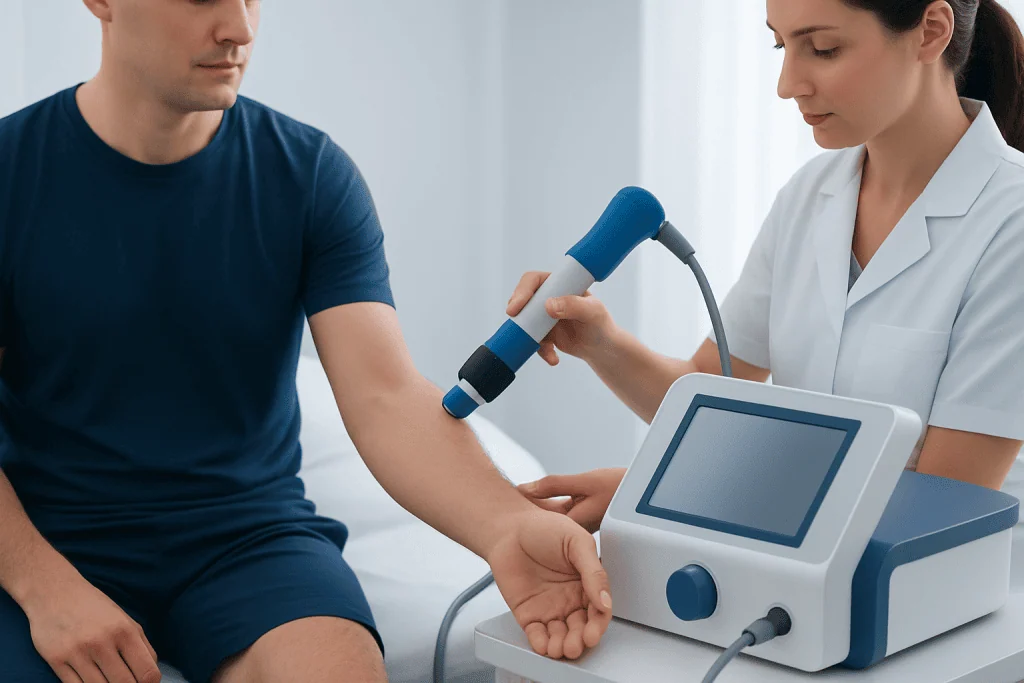
During EPAT therapy treatment, a handheld device delivers repeated acoustic pressure waves to the target area. A gel is applied to help transmit the waves through the skin. The energy is generally delivered to a localized region of tender or affected tissue, such as the plantar fascia in the foot, the Achilles tendon, the elbow tendons or shoulder tendons.
Research suggests that shockwave treatment may influence local blood flow, cellular signaling and the way pain is processed. These effects may support remodeling in chronically irritated tendon tissue. The treatment may also help some people tolerate a progressive rehabilitation program more comfortably, although it should not replace appropriate strengthening and movement guidance.
Not all devices and protocols are the same. Radial pressure-wave treatment, often called EPAT, differs from focused shockwave treatment in how the energy is generated and delivered. A clinician can explain which option is being considered and why it may suit a particular diagnosis.
Who May Be a Candidate for EPAT Therapy?

An EPAT assessment usually begins with a medical history and physical examination. The clinician asks about the location and duration of pain, recent activity changes, past injuries, medical conditions and previous treatments. They may assess strength, flexibility, walking or sport-related movement and the exact point of tenderness. Ultrasound, X-ray or MRI may be considered when the diagnosis is uncertain or a tear, stress injury, arthritis or another condition needs to be excluded.
EPAT may be considered for people with chronic tendinopathy or fascia-related pain that has not improved sufficiently with an appropriate period of conservative treatment. Examples can include plantar fasciitis, Achilles tendinopathy, tennis elbow and some shoulder tendon conditions. The best candidate is not simply someone with pain; it is someone with a clear diagnosis, realistic expectations and a plan for rehabilitation.
It may not be suitable in every situation. Pregnancy, active cancer at the treatment site, a local infection, certain bleeding disorders, use of some blood-thinning medicines, significant nerve or circulation problems, or an acute tendon rupture may require avoiding or postponing treatment. The treating clinician should review individual risks before proceeding.
What Happens During an EPAT Session?
Before the procedure, the clinician identifies the treatment region and explains what sensations to expect. Most sessions are performed in an outpatient setting without anesthesia. The person is positioned comfortably, gel is placed on the skin and the applicator is moved over the selected area while pulses are delivered.
The intensity is typically adjusted according to the person’s comfort and the clinical protocol. Many people feel tapping, pressure or brief discomfort, especially over a tender tendon attachment. The session is usually short, and a course commonly involves more than one visit separated by several days or a week or more. The number of sessions depends on the condition, device, response and clinician’s plan.
Afterward, the area may feel tender, warm or mildly bruised. Patients are commonly advised to continue a prescribed exercise program and avoid taking anti-inflammatory medication unless their clinician says it is appropriate, since inflammation can be part of the body’s repair response. Recommendations should always be individualized, particularly for people with other medical conditions.
How Long Does It Take for EPAT to Work?
EPAT therapy does not usually provide an immediate cure. Some people notice reduced pain or improved movement within a few weeks, while others experience gradual change over several weeks to a few months. Tendons and fascia generally adapt slowly, so the timing of EPAT results depends on the condition’s duration, the tissue involved, daily loading demands and participation in rehabilitation.
It is also possible to have temporary soreness after a session before improvement becomes noticeable. This does not necessarily mean treatment has failed. However, symptoms that steadily worsen, new weakness, swelling, numbness or inability to bear weight should be assessed by a clinician rather than attributed to normal recovery.
Review appointments help the care team evaluate progress and adjust the plan. The goal is not only less pain but also improved function, such as walking more comfortably, returning to work tasks or gradually resuming sport-specific activity.
How Do You Know if Shockwave Therapy Is Working?
Shockwave therapy may be working when pain becomes less frequent or less intense, morning stiffness eases, daily activities become more comfortable and the affected area tolerates progressively greater load. For example, a person with heel pain may notice easier first steps in the morning, while someone with elbow tendinopathy may manage gripping tasks with less discomfort.
Progress is best measured over time rather than from one day to the next. A clinician may use pain ratings, function questionnaires, walking or strength tests and assessment of activity tolerance. Improvement can be uneven: a good week may be followed by a brief flare if the tendon is loaded more than it can currently tolerate.
Online EPAT therapy reviews can describe individual experiences, but they cannot predict an individual outcome. A person’s diagnosis, rehabilitation program, health history and activity goals are more useful guides when discussing likely benefits with a qualified clinician.
How Many Days Should You Rest After Shockwave Therapy?
Most people do not need complete bed rest after EPAT therapy. Gentle everyday activity is often possible, but the treated area may need a short period of relative rest from high-impact, heavy or repetitive activity. The exact guidance differs for foot, ankle, shoulder, elbow and other conditions, as well as for the person’s work and sport demands.
Many clinicians recommend avoiding strenuous exercise involving the treated area for a short time and then returning gradually according to symptoms and a rehabilitation plan. This may include controlled stretching, strengthening or mobility exercises. Continuing high-load activity too soon can aggravate symptoms, while prolonged rest can reduce conditioning and delay return to function.
EPAT recovery advice should come from the treating team. People should ask specifically about walking, running, gym training, work duties, footwear, physiotherapy exercises and pain-relief medicines, because the safest plan is tailored to the diagnosis.
Is There a Downside to Shockwave Therapy?
Shockwave therapy is generally well tolerated when used appropriately, but it has potential downsides. Treatment can be uncomfortable during delivery, and temporary pain, redness, swelling, bruising, tingling or skin sensitivity may occur afterward. These effects are usually short-lived, but patients should know that the procedure may not be suitable or effective for everyone.
There is also a risk of delaying a more appropriate diagnosis or treatment if persistent pain is assumed to be a simple tendon problem. For this reason, an EPAT assessment is important before treatment begins. A sudden injury, marked weakness, major swelling, fever, unexplained weight loss, nighttime pain or loss of sensation may point to another condition requiring prompt evaluation.
Benefits should be weighed against alternatives such as targeted physiotherapy, orthotics or bracing where appropriate, medication advice, injection options in selected cases, or surgery for specific structural problems. A clinician can discuss the evidence and expected outcome for the individual condition rather than presenting EPAT as a universal solution.
When to Seek Medical Care
Medical assessment is advisable when pain lasts beyond a few weeks, interferes with walking, sleep, work or sport, or repeatedly returns despite self-care. An early evaluation can identify contributing factors and help prevent a minor overuse problem from becoming more persistent.
Urgent care is appropriate for severe pain after an injury, a popping sensation followed by weakness, inability to use the limb or bear weight, rapidly increasing swelling, fever, a red hot joint, new numbness or changes in skin color. These symptoms may need prompt investigation and should not be managed with shockwave therapy alone.
For international patients, Acibadem International’s multidisciplinary specialists and JCI-accredited hospitals can assess persistent musculoskeletal pain and discuss suitable non-surgical or surgical treatment pathways. A qualified orthopedics, sports medicine or rehabilitation clinician can help determine whether EPAT is appropriate within an individualized plan.
Frequently asked questions
Is EPAT therapy the same as shockwave therapy?
EPAT is commonly used to describe a type of radial pressure-wave or shockwave treatment. Different devices and shockwave methods deliver energy differently, so a clinician can explain the specific technology being offered. The intended purpose is generally to support recovery in selected chronic soft-tissue conditions.
Does EPAT therapy hurt?
Some discomfort during treatment is common because the device is applied to a sensitive area. The clinician can usually adjust the intensity based on tolerance. Mild soreness afterward may occur and often settles within a short time.
How many EPAT sessions are needed?
The number of sessions depends on the diagnosis, symptoms, treatment protocol and response. A clinician may recommend a series of visits rather than a single treatment. Progress is usually reviewed alongside function and rehabilitation goals.
Can I exercise after EPAT therapy?
Gentle daily movement may often be appropriate, but high-impact or heavy loading may need to be reduced temporarily. The safest return-to-exercise plan depends on the treated tissue and the person’s baseline activity. Following individualized rehabilitation advice is important.
Who should avoid shockwave therapy?
People with certain medical conditions may not be suitable, including those with infection at the treatment site, suspected tendon rupture or some bleeding-related risks. Pregnancy and active cancer at the treatment area may also affect eligibility. A clinician should review medical history and medications before treatment.
Are EPAT results permanent?
Results can be long-lasting when the underlying problem is addressed and the person gradually rebuilds strength and activity tolerance. However, symptoms can return if the tissue is repeatedly overloaded or contributing factors are not managed. Ongoing exercise, footwear or ergonomic changes may be recommended depending on the condition.
References
- National Institute for Health and Care Excellence
- American Academy of Orthopaedic Surgeons
- International Society for Medical Shockwave Treatment
- Mayo Clinic
This article is for general information only and is not a substitute for professional medical advice. Please consult a qualified doctor about your individual situation.
Joint and spine care in Turkey — expert assessment & treatment
JCI-accredited · board-certified surgeons · reply within 24h
Add us as a Preferred Source to see more of our trusted health content across Google Search, AI Overviews and Discover.