

Rad Therapy: How It Works, Results and What to Expect
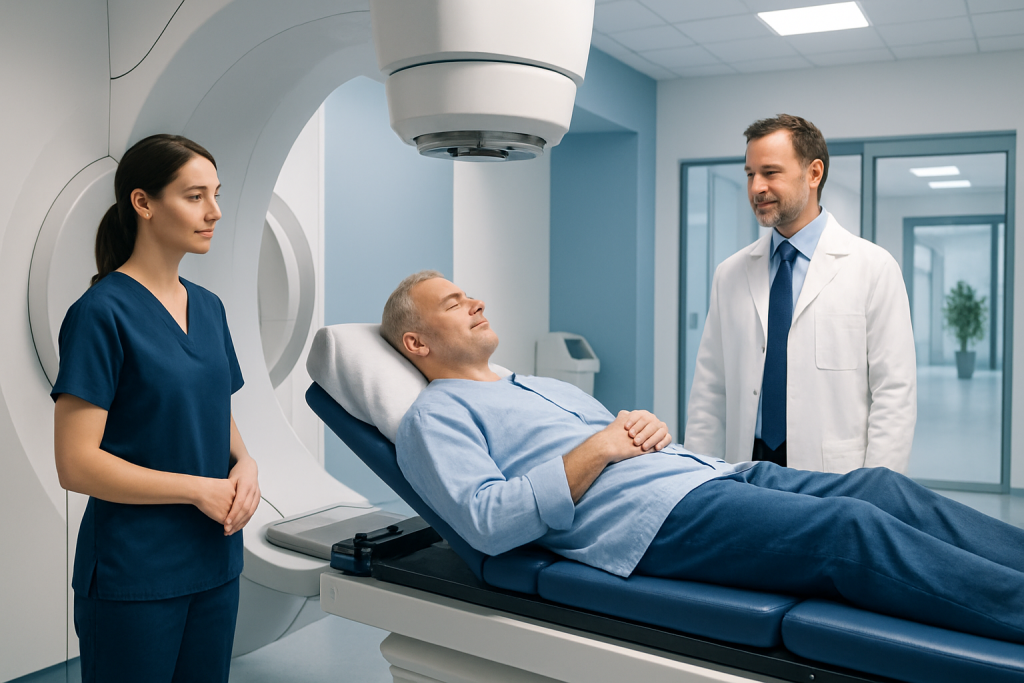
Rad therapy is a cancer treatment that targets a defined area while aiming to protect nearby healthy tissue. Most external-beam radiation appointments are painless and brief, although planning and positioning take time.
Key Takeaways
- Rad therapy is a cancer treatment that targets a defined area while aiming to protect nearby healthy tissue.
- Most external-beam radiation appointments are painless and brief, although planning and positioning take time.
- Fatigue is the most commonly reported general side effect, while local effects depend on the treatment area.
- Treatment response is assessed through follow-up examinations, imaging, blood tests and symptom changes, often over weeks to months.
- Side effects can continue to develop for a short time after treatment ends, and the cancer team can help manage them.
Rad therapy, short for radiation therapy, uses high-energy radiation to damage cancer cells and limit their ability to grow. It is a carefully planned treatment that may be used alone or alongside surgery, chemotherapy, immunotherapy, or other cancer care.
Rad Therapy Meaning: An Overview
Rad therapy is an informal term for radiation therapy, also called radiotherapy. It uses precisely directed high-energy radiation, such as X-rays or particles, to damage the DNA inside cancer cells. When these cells cannot repair the damage, they may stop dividing and gradually die.
Radiation therapy is commonly used to cure or control cancer, reduce the chance of cancer returning after surgery, or relieve symptoms caused by a tumor. It may be given as external-beam radiation from a machine outside the body, or less commonly as internal radiation, known as brachytherapy, in which a radioactive source is placed in or near the treatment area.
Radiation is a local treatment, meaning it works in the part of the body being treated. This differs from treatments such as chemotherapy, which circulate through the bloodstream. A radiation oncologist works with medical physicists, dosimetrists and radiation therapists to create an individualized plan that balances effective tumor treatment with protection of normal tissue.
How Radiation Therapy Works and Who May Be a Candidate
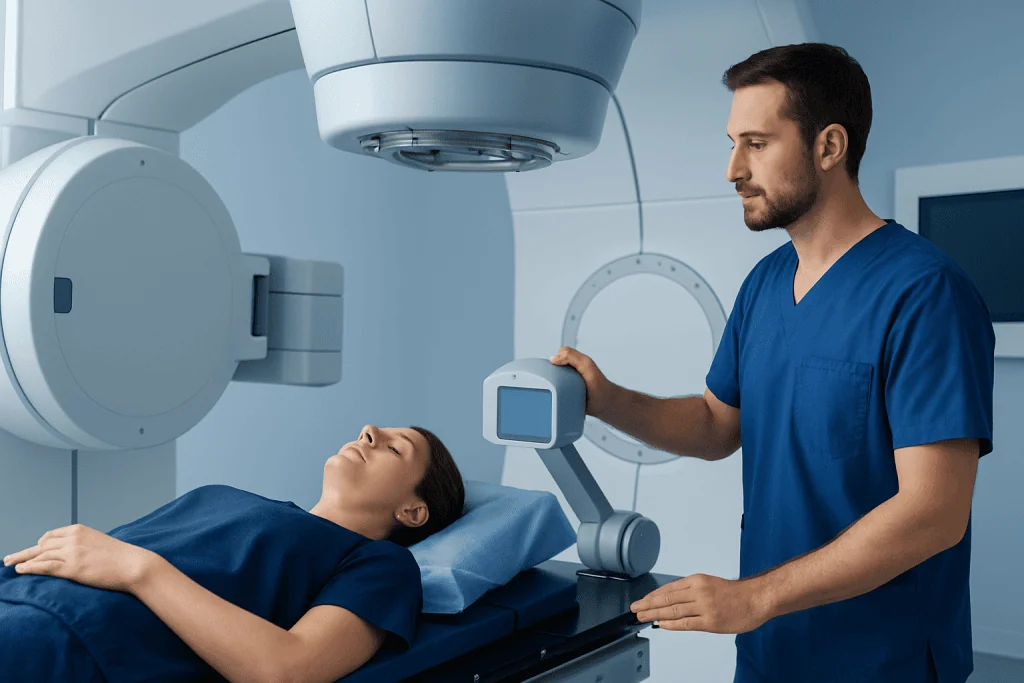
Cancer cells often divide more quickly and repair radiation-related DNA damage less effectively than many healthy cells. Radiation plans use this difference while carefully shaping the treatment beams around the tumor. Healthy cells in the treated region can also be affected, which explains why side effects may occur, but they often recover over time.
A person may be considered for radiation therapy depending on the cancer type, location, stage, tumor size, prior treatments, overall health and treatment goals. It may be recommended before surgery to shrink a tumor, after surgery to treat possible remaining cancer cells, with systemic treatment, or as the main treatment when surgery is not suitable.
Not everyone with cancer needs radiation, and the approach varies considerably between cancer types. The oncology team considers previous radiation to the same area, pregnancy, certain connective-tissue disorders, implanted medical devices and a person’s ability to lie still in the treatment position. Decisions are best made through a multidisciplinary discussion that includes the patient’s preferences and priorities.
What Happens During a Rad Therapy Week?
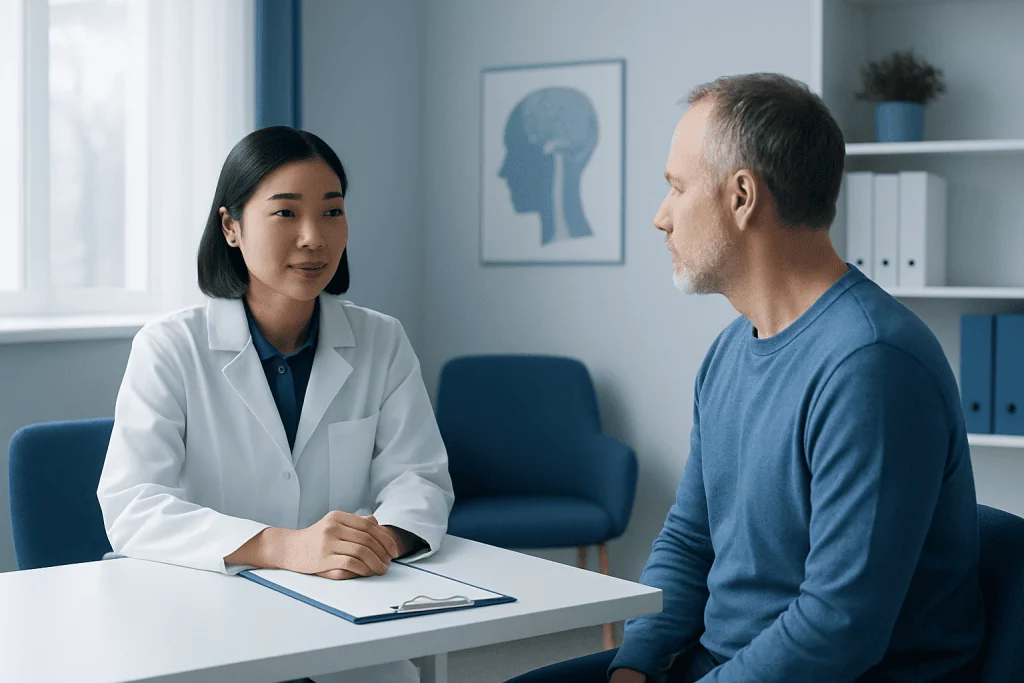
Before treatment starts, the patient attends a planning appointment called simulation. This usually includes a CT scan in the treatment position. Small skin marks or tiny permanent tattoo dots may help ensure accurate daily positioning. For some body areas, an individualized mask, cushion, mold or other support device is made to keep the body comfortably still.
The radiation oncologist outlines the treatment target and nearby organs on planning images. Medical physicists and dosimetrists then calculate how to deliver the prescribed dose safely and accurately. This preparation can take several days or longer; it is an important part of treatment rather than a delay.
During an external-beam rad therapy week, appointments are often scheduled on weekdays for a defined number of sessions, although schedules differ. The patient changes as instructed, is positioned on the treatment table and remains still while the machine moves around the body. The machine does not touch the person, and treatment itself usually takes only minutes. The team watches and communicates from an adjacent room.
External radiation does not make a patient radioactive. They can generally be around family members, including children and pregnant people, after each session. Internal radiation has different safety considerations, and the care team will explain any temporary precautions clearly.
Benefits, Risks and the #1 Side Effect of Radiation Therapy
The main benefit of radiation therapy is its ability to treat cancer in a specific area with high precision. Depending on the clinical situation, it may eliminate cancer, lower recurrence risk, slow tumor growth or improve symptoms such as pain, bleeding, pressure or difficulty swallowing. The expected benefit should be discussed in relation to the individual diagnosis and treatment aim.
The #1 side effect of radiation therapy is commonly fatigue. It may build gradually during treatment and can be influenced by travel to appointments, stress, sleep changes, anemia, nutrition, other treatments and the body’s repair processes. Fatigue does not necessarily mean the treatment is harming the body or that it is not working.
Other side effects depend mainly on the body area receiving radiation. Skin in the treatment field can become red, dry, itchy, tender or darker. Radiation to the head and neck may affect the mouth or swallowing; chest treatment may cause throat irritation or cough; abdominal or pelvic treatment may affect bowel, bladder or sexual function. The team provides tailored advice before treatment begins.
Some effects occur during treatment or shortly afterward, while late effects can emerge months or years later. Modern planning reduces exposure to surrounding tissue, but cannot remove all risk. Patients should report new or worsening symptoms promptly so supportive care can be offered and complications can be assessed.
What Are the Hardest Days After Radiation Treatment?
For many people, the hardest days after radiation treatment are not necessarily the final treatment day. Acute side effects can continue to build for about one to two weeks after a course finishes because normal cells in the treated area are still responding and repairing. The timing varies with the treatment area, total dose, schedule and whether other cancer treatments are being given.
Fatigue, skin irritation and area-specific symptoms may be most noticeable in the days or weeks immediately after treatment. For example, skin reactions can become more pronounced before gradually healing, and bowel, bladder, throat or mouth symptoms may temporarily persist. The cancer team should explain what is expected for the particular treatment site and provide contact details for concerns between visits.
Recovery is gradual rather than identical for everyone. Some people feel better within a few weeks, while others need several months to regain their usual energy and routine. Resting when needed, maintaining fluids and nutrition, gentle activity where appropriate, and accepting practical support can help. Severe pain, inability to drink fluids, fever, sudden shortness of breath, uncontrolled vomiting or rapidly worsening symptoms require timely medical advice.
How Do You Know If Radiation Therapy Is Working?
Radiation treatment results are not usually known immediately. Cancer cells may continue to lose their ability to divide for weeks or months after therapy ends, and tissues can look inflamed or swollen during the early healing period. For this reason, an early scan may not fully show the final rad results meaning or long-term response.
The care team assesses response using a combination of physical examinations, symptom changes, imaging studies and, for some cancers, blood tests or tumor markers. The timing of follow-up depends on the cancer type and treatment goal. In some situations, improving pain, bleeding, breathing, swallowing or other tumor-related symptoms can be an early sign that treatment is helping.
Follow-up appointments are also important for managing side effects and detecting recurrence or late effects. Patients should keep scheduled visits even when they feel well. If a scan result is unclear, the oncologist may recommend repeat imaging after an appropriate interval because treatment-related changes can resemble cancer on some tests.
What I Wish I Knew Before Radiation: Practical Preparation and Self-Care
Many patients say they wish they had known that radiation appointments are usually painless, but the treatment routine can still be tiring. Planning, travel and repeated daily visits may affect work, family responsibilities and emotional wellbeing. Asking early about appointment timing, transport, expected duration and available support services can make the course easier to manage.
Skin care should be guided by the radiation team because recommendations vary by treatment area and skin condition. In general, patients may be advised to wash gently, avoid rubbing or scratching the treated area, protect it from sun exposure and avoid applying products not approved by the team. Loose, soft clothing may reduce friction when skin is sensitive.
It is helpful to report symptoms early rather than waiting until they become difficult. Patients should tell the team about all medicines, supplements and skin products, and ask whether dietary changes are appropriate for their treatment field. Online discussions, including searches for rad therapy Reddit experiences, can offer personal perspectives, but they cannot predict an individual response or replace medical guidance.
Acibadem International’s multidisciplinary specialists and JCI-accredited hospitals support international patients who need individualized cancer assessment and radiation treatment planning.
When to Seek Medical Care
Patients should contact their radiation oncology team during treatment or recovery if side effects are new, worsening or affecting eating, drinking, sleep, mobility or daily activities. The team can advise whether symptoms are expected, recommend supportive measures or arrange an assessment. It is especially important not to stop treatment or start new medicines without discussing it with the care team.
Urgent medical assessment is appropriate for severe or rapidly worsening shortness of breath, chest pain, confusion, fainting, heavy bleeding, fever with significant illness, inability to keep fluids down, signs of dehydration, severe uncontrolled pain or a serious allergic reaction. People receiving treatment should follow the emergency instructions provided by their own oncology service.
Emotional distress also deserves attention. Anxiety, low mood, sleep difficulties and uncertainty are common during cancer treatment. A doctor, oncology nurse, counselor, social worker or support group may help patients and families find practical and psychological support.
Frequently asked questions
Is rad therapy the same as radiation therapy?
Yes. Rad therapy is a common informal abbreviation for radiation therapy or radiotherapy. It refers to treatment that uses carefully planned radiation to damage cancer cells in a targeted area.
What is the difference between rad therapy and rad tech?
Rad therapy refers to radiation treatment itself. A rad tech may refer to a radiologic technologist, who commonly performs diagnostic imaging, while radiation therapists are specially trained professionals who deliver planned radiation treatments under the supervision of a radiation oncologist.
Does radiation therapy hurt during the appointment?
External-beam radiation is generally painless, and patients do not feel the radiation beam as it is delivered. However, the treated body area may become sore or irritated over time, depending on the location and treatment plan.
How long do radiation side effects last?
Many short-term side effects improve within several weeks after treatment, although fatigue may last longer for some people. The duration depends on the body area treated, the treatment schedule, other therapies and individual health factors. Some late effects are possible months or years later, so follow-up care remains important.
Can someone work during a rad therapy week?
Some people continue working during radiation therapy, particularly if treatment is brief and side effects are mild. Others need reduced hours or time away because of fatigue, travel demands or site-specific symptoms. The oncology team can help with planning and workplace documentation when needed.
Will radiation therapy make a person radioactive?
External-beam radiation does not make a person radioactive, so normal contact with others is generally safe after appointments. Certain forms of internal radiation may require temporary safety instructions, which the treatment team will explain.
References
- National Cancer Institute
- American Cancer Society
- American Society for Radiation Oncology
- National Health Service
- World Health Organization
This article is for general information only and is not a substitute for professional medical advice. Please consult a qualified doctor about your individual situation.
Oncology care in Turkey — second opinion and treatment plan
JCI-accredited · board-certified surgeons · reply within 24h
Add us as a Preferred Source to see more of our trusted health content across Google Search, AI Overviews and Discover.

More from the Health Library


Related Specialists
Dr. Özlem Özkalaycı
Anesthesiology
Prof. Dr. Bahattin Çiçek
Gastroenterology
Dt. İletişim | 444 55 44
Oral & Dental Health
Dr. Alper Gölpınar
Orthopedic Surgery & Traumatology