Cold Sore Supportive Therapy: How It Works, Results and What to Expect

Cold sores are commonly caused by herpes simplex virus type 1 and can recur after the initial infection. Supportive therapy includes gentle skin care, pain relief, hydration and measures that reduce irritation and spread.
Key Takeaways
- Cold sores are commonly caused by herpes simplex virus type 1 and can recur after the initial infection.
- Supportive therapy includes gentle skin care, pain relief, hydration and measures that reduce irritation and spread.
- The blistering and open-sore phases are often the most uncomfortable, but most cold sores heal without scarring in about 1–2 weeks.
- Prescription antiviral medicines work best when started at the first tingling or burning symptoms.
- Medical advice is important for severe, frequent, prolonged, widespread or eye-area sores, and for people with weakened immune systems.
Cold sore supportive therapy focuses on relieving pain, protecting the affected skin and helping a person stay comfortable while the sore heals. It does not remove herpes simplex virus from the body, but early care and, when appropriate, antiviral treatment can reduce the impact of an outbreak.
Cold sore supportive therapy: how it works
Cold sore supportive therapy is care that helps control pain, dryness, cracking and irritation while the body heals a cold sore. Cold sores, also called herpes labialis, are usually caused by herpes simplex virus type 1 (HSV-1). After an initial infection, the virus remains inactive in nerve tissue and may reactivate from time to time, producing a sore around the lips or mouth.
Supportive measures do not eliminate HSV from the body. Instead, they aim to make an outbreak more manageable, protect the skin barrier and lower the chance of passing the virus to another person or spreading it to a different body area. Treatment can be most useful when it begins during the early tingling, burning or itching stage, before a visible blister develops.
Depending on symptoms and medical history, a clinician may recommend antiviral medicine as well as supportive care. Antiviral therapy can limit viral replication and may shorten an episode when started promptly. Supportive care remains useful whether or not antiviral medication is used.
Who may benefit and what supportive care includes
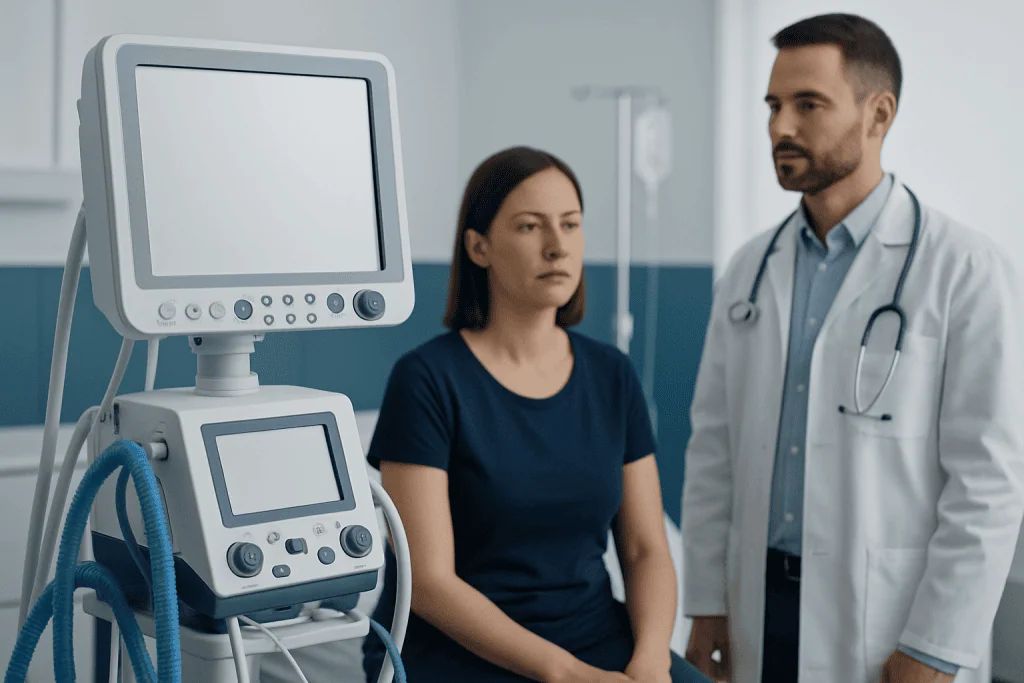
Most people with a typical, occasional cold sore can manage symptoms with simple supportive measures. Useful approaches include keeping the area clean, applying a protective lip product or bland barrier ointment to reduce cracking, choosing cool foods and drinks if the area is sore, and avoiding acidic, salty or spicy foods that sting.
Over-the-counter pain relief may be appropriate for some people, provided it is used according to the label and is safe with their health conditions and other medicines. A cool, clean compress may temporarily ease burning or swelling. It is best not to pick, squeeze or peel the crust, as this can delay healing and increase irritation.
People who have repeated, severe or particularly disruptive outbreaks may be candidates for prescription antiviral treatment, either at the first sign of an episode or, in selected cases, as preventive therapy. A doctor can help distinguish recurrent cold sores from conditions with a similar appearance, such as angular cheilitis, impetigo, mouth ulcers or contact dermatitis.
- Wash hands before and after touching the face or applying products.
- Avoid sharing lip products, drinks, eating utensils, towels and razors during an outbreak.
- Avoid kissing and oral sex from the first warning symptoms until the skin has fully healed.
- Use lip balm with sun protection if sunlight is a known trigger.
What happens step by step during an outbreak

There is usually no in-clinic procedure needed for an uncomplicated cold sore. The practical “procedure” is a prompt care plan: noticing the first symptoms, beginning any prescribed antiviral medicine as directed, using comfort measures and protecting others from contact with the virus until the sore is healed.
First, a person may notice a localized tingling, itch, tightness or burning sensation. At this point, they can avoid touching the site, wash their hands regularly and contact a clinician if they have a pre-arranged antiviral plan. Next, a small cluster of fluid-filled blisters may appear. The skin should be handled gently, and any topical product should be applied with clean hands or a clean applicator.
The blisters can break and form a shallow, tender sore, then dry and crust. During this period, a barrier product may reduce discomfort from dryness and movement of the lips. Adequate fluids, rest and regular meals can support general wellbeing. Once the crust falls away and the skin surface is intact, contagiousness is much lower and normal skin care can resume.
What are the 5 stages of a cold sore?
Cold sores often follow a recognizable pattern, although timing and severity vary between people. The first stage is the prodrome, when tingling, itching, burning or tenderness develops before there is a visible lesion. This is the best time to begin a clinician-approved antiviral plan because treatment is generally most effective early.
The second stage is blistering, when one or more small, fluid-filled blisters appear. The third stage is ulceration or weeping, when blisters break and leave a moist, tender open area. The fourth stage is crusting, when the area dries and a scab forms. The fifth stage is healing, when the crust loosens and new skin forms underneath.
An episode commonly resolves in 1–2 weeks. Healing can be slower if the sore is repeatedly irritated, if there is a secondary bacterial infection, or if the person has a condition or treatment that weakens immune function. A healthcare professional should assess sores that do not improve as expected.
What's the worst day of a cold sore?
For many people, the worst day of a cold sore is during the blistering or open-sore stage, often several days after the first tingling begins. Pain, swelling, sensitivity to food and embarrassment about the appearance may be most noticeable then. The exact timing differs, and some outbreaks remain mild throughout.
The open-sore stage can also be the period when virus-containing fluid is most likely to be present. Careful hand hygiene and avoiding close skin-to-skin contact around the mouth are especially important. A person should also avoid touching their eyes after touching the sore, because herpes infection of the eye needs urgent assessment.
Supportive therapy can make this period easier by reducing dryness and friction, using suitable pain relief and choosing foods that do not irritate the area. If pain is severe, if drinking is difficult, or if symptoms are rapidly worsening, medical advice is appropriate.
How to tell if your cold sore is getting better?
A cold sore is usually getting better when burning and pain lessen, swelling goes down, the open area becomes drier and the crust gradually shrinks or loosens. The surrounding skin should look less red and tender over time. A new layer of skin forms as the lesion closes.
Improvement is not always perfectly linear. A crust may crack when speaking, eating or smiling, causing brief soreness or a small amount of bleeding. Applying a gentle protective product can reduce repeated cracking, but the area should not be scrubbed or forcibly removed.
Signs that healing may not be progressing normally include increasing redness, warmth, pus-like drainage, marked swelling, fever, spreading lesions or worsening pain. These symptoms may indicate another problem, including bacterial infection, and should be assessed by a clinician.
What is the biggest trigger for cold sores?
There is no single biggest trigger for every person. Common triggers include fever or another illness, sunlight or ultraviolet exposure, physical or emotional stress, fatigue, skin injury around the lips, hormonal changes and dental procedures. For some people, outbreaks appear without an obvious trigger.
Sun exposure is a frequent and identifiable trigger for many people, especially on the lips. Using a broad-spectrum lip product with sun protection and limiting intense sun exposure may help reduce recurrences in those affected. Getting enough sleep, managing stress where possible and avoiding known personal triggers can also be useful.
Keeping a brief record of outbreaks can help identify patterns. It may include the date symptoms began, recent illnesses, sun exposure, sleep changes, menstrual timing where relevant, stressful events and foods or activities that seemed to irritate the lips. This information can guide a discussion with a doctor if outbreaks are recurrent.
Benefits, limits, risks and when to seek medical care
The main benefits of cold sore supportive therapy are improved comfort, reduced cracking and irritation, and practical steps to limit transmission. It is generally low risk when gentle products are used as directed. However, fragranced cosmetics, harsh antiseptics and unproven home remedies can irritate already inflamed skin, so they are best avoided unless recommended by a healthcare professional.
Medical care should be sought promptly for a sore near or in the eye, eye pain, light sensitivity, vision changes, severe headache, widespread rash, high fever, difficulty drinking, or significant facial swelling. A person should also seek advice if a cold sore lasts longer than about two weeks, occurs very frequently, is unusually severe, develops during pregnancy, or affects an infant, young child or someone with a weakened immune system.
A dermatologist, family physician or infectious diseases specialist can assess recurrent or complicated symptoms and discuss antiviral options. Acibadem International’s multidisciplinary specialists and JCI-accredited hospitals can diagnose and treat cold sore concerns for international patients, including cases needing a more detailed evaluation.
Frequently asked questions
Can cold sore supportive therapy cure HSV-1?
No. Supportive therapy does not remove HSV-1 from the body, because the virus can remain inactive in nerve tissue after infection. It helps manage discomfort, protect the skin and reduce opportunities for transmission during an outbreak.
How long does a cold sore usually last?
Many cold sores heal within 1–2 weeks. Episodes may be shorter when treatment is started early, but duration varies. A sore that lasts longer than about two weeks should be reviewed by a healthcare professional.
Are cold sores contagious after they have crusted?
Cold sores can remain contagious until they are fully healed and the skin surface is intact. The likelihood of spread is often highest when blisters or open sores are present, but transmission can occur even before visible lesions appear. Avoid kissing, oral sex and sharing personal items until healing is complete.
Can a person prevent cold sores from coming back?
Recurrences cannot always be prevented, but identifying triggers may help. Sun protection for the lips, adequate sleep, stress management and early treatment plans can be useful for some people. People with frequent outbreaks can ask a doctor whether prescription antiviral prevention is appropriate.
Should a cold sore be covered?
A protective lip product or suitable patch may reduce friction, cracking and touching of the sore. Any product should be used with clean hands and should not cause burning or irritation. Covering the lesion does not make it non-contagious, so precautions against spread are still needed.
When is a cold sore an emergency?
Urgent medical assessment is needed if there are eye symptoms, such as eye pain, redness, light sensitivity or vision changes, because herpes infection of the eye can be serious. Prompt care is also important for severe illness, inability to drink, widespread sores or symptoms in a person with a significantly weakened immune system.
References
- Centers for Disease Control and Prevention
- American Academy of Dermatology Association
- Mayo Clinic
- National Health Service
- World Health Organization
This article is for general information only and is not a substitute for professional medical advice. Please consult a qualified doctor about your individual situation.
Explore treatments in Turkey — costs, top hospitals & a free quote
JCI-accredited · board-certified surgeons · reply within 24h
Add us as a Preferred Source to see more of our trusted health content across Google Search, AI Overviews and Discover.