Smart Therapy: How It Works, Results and What to Expect

Smart therapy is not one single medical procedure; it is a personalised rehabilitation approach. Goals may include reducing pain, improving mobility, rebuilding strength and supporting daily activities.
Key Takeaways
- Smart therapy is not one single medical procedure; it is a personalised rehabilitation approach.
- Goals may include reducing pain, improving mobility, rebuilding strength and supporting daily activities.
- Programmes can use guided exercise, hands-on care, education and technology-assisted monitoring.
- Sessions, sometimes called smart therapy hours, vary by diagnosis, rehabilitation needs and care setting.
- Progress is reviewed regularly so the plan can be adjusted safely.
- Costs and insurance coverage vary by country, provider, diagnosis and policy.
Smart therapy is an individualized rehabilitation approach that combines clinician-led assessment, targeted exercises and, in some settings, digital tools to help a person improve function, mobility and independence. The exact programme, expected results and recovery time depend on the health condition, treatment goals and the person’s response to therapy.
Overview: What Is Smart Therapy?
Smart therapy generally describes a personalised, goal-directed rehabilitation programme that uses clinical assessment, structured therapy and, where appropriate, technology to guide care. It may be used after surgery, injury, neurological illness or a period of reduced mobility. Rather than following one fixed plan, the therapist adapts exercises and activities to the person’s symptoms, abilities and everyday needs.
Depending on the setting, smart therapy treatment may involve physiotherapy, occupational therapy, speech and language therapy, pain management, exercise coaching or digital rehabilitation tools. Some programmes use sensors, apps, virtual reality, robotic devices or remote monitoring. Technology can support therapy, but it does not replace professional assessment or hands-on clinical decision-making.
The central smart therapy goals are practical: helping a person move more confidently, manage symptoms, rebuild capacity and take part in daily life as independently as possible. Results differ widely because recovery is influenced by the underlying condition, overall health, consistency with therapy and the complexity of the person’s goals.
How does smart therapy work?
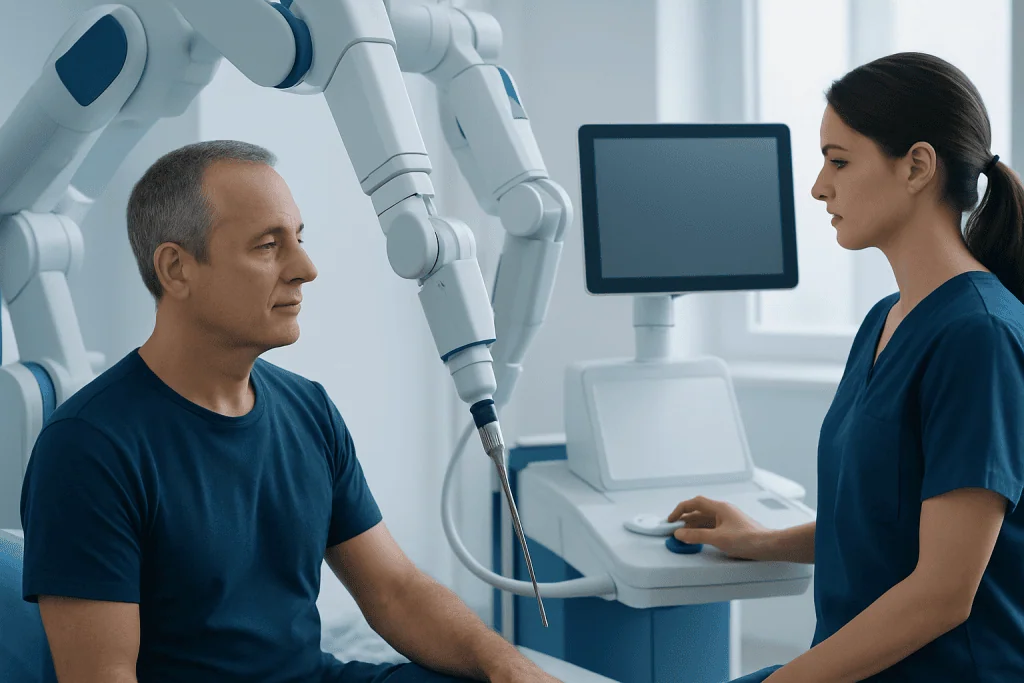
Smart therapy begins with an assessment of the person’s medical history, current symptoms, movement, strength, balance, communication or daily-function challenges. A therapist then works with the patient and, when needed, other specialists to set meaningful goals. These may include walking safely, returning to work, using the stairs, improving hand function or managing fatigue during daily tasks.
The programme is usually delivered in small, progressive steps. A therapist may teach specific movements, provide supervised practice, recommend activities at home and track response over time. When digital tools are used, they may record activity, guide repetitions, give feedback or allow remote follow-up. The information is interpreted in context by the clinical team rather than treated as a diagnosis on its own.
People sometimes search for “smart recovery, how does it work?” The principle is similar: recovery is supported through repeated, appropriately challenging practice, regular review and adjustments based on progress. Recovery may also require treatment of the underlying condition, such as stroke, joint disease or a neurological disorder.
Who May Be a Candidate for Smart Therapy?

Smart therapy may be appropriate for adults or children who need help recovering function or adapting to a change in health. Common reasons include recovery after orthopaedic surgery, sports injuries, stroke, neurological conditions, chronic pain, reduced balance, prolonged hospitalisation and difficulties with everyday activities.
Candidacy depends on the person’s diagnosis, medical stability, symptoms and rehabilitation goals. A clinician may first check whether pain, infection, heart or lung symptoms, medication effects or other medical concerns need attention before an exercise-based programme begins. For some people, rehabilitation can start early in recovery; for others, it should be introduced more gradually.
Smart therapy is most useful when its goals are specific and realistic. For example, a programme may focus on improving safe transfers from bed to chair, increasing walking tolerance, restoring shoulder movement after surgery or improving coordination. It is not a guaranteed cure, and it cannot replace urgent medical treatment when new or severe symptoms occur.
What Happens During Smart Therapy Treatment?
A typical programme starts with a consultation and baseline assessment. The therapist asks about symptoms, medical history, daily routines and personal priorities. They may measure movement, balance, endurance, strength, pain levels or ability to complete everyday tasks. This establishes a starting point and helps create a tailored treatment plan.
During sessions, the patient practises carefully selected activities with guidance and feedback. Treatment can include mobility and strengthening exercises, balance training, task-specific practice, education on pacing and posture, and strategies for safer movement at home or work. Some people may also benefit from technology-assisted rehabilitation, depending on availability and clinical need.
Smart therapy hours are not the same for everyone. Sessions may be scheduled several times a week, weekly or less often, with a home programme between visits. The total duration can range from a short course to longer-term rehabilitation. Follow-up assessments help the team decide whether to progress, modify or complete the programme.
For people recovering after an operation or musculoskeletal problem, physical therapy and rehabilitation may form an important part of the wider care plan. The safest programme is one that is coordinated with the treating doctor, especially after surgery or during recovery from a serious illness.
Benefits, Limits and Possible Side Effects of Smart Therapy
Potential benefits of smart therapy include improved mobility, strength, balance, confidence and ability to manage everyday activities. It may also help people understand their condition, use energy more effectively and build routines that support continued progress. Technology-based feedback can make some exercises easier to follow and can help therapists monitor participation between appointments.
Progress is rarely completely linear. Some people notice gradual improvement over weeks, while others need months of practice or may reach a plateau. The pace of smart therapy recovery depends on the diagnosis, severity of impairment, any surgery or injury involved, age, general health and participation in recommended exercises. A rehabilitation team can explain what progress is realistic for the individual situation.
What are the side effects of smart therapy? Temporary muscle soreness, tiredness or mild symptom flare-ups can occur when activity is increased. These effects should usually settle with appropriate pacing, rest and adjustment of the programme. Pain that is severe, worsening or associated with swelling, numbness, weakness, dizziness, chest symptoms or shortness of breath should be discussed promptly with a clinician.
Risks may be higher if exercises are done without proper guidance, if a person returns to strenuous activity too quickly or if important medical symptoms are overlooked. Therapists reduce these risks by screening for concerns, teaching safe technique and adjusting intensity. Patients should tell the team about new symptoms, falls, changes in medication or changes in their health.
Smart Therapy Recovery and Self-Care Between Sessions
Recovery continues outside appointments. The therapist may recommend a home exercise plan, activity diary, mobility strategies or gradual return-to-work guidance. Completing the agreed plan regularly is often more valuable than doing occasional intense exercise. However, a person should not add new exercises or substantially increase difficulty without checking with their therapist.
Good recovery habits include sleeping adequately, eating a balanced diet, staying hydrated and planning activity around energy levels. For people with pain or fatigue, pacing can be helpful: alternating activity with planned rest and avoiding the cycle of doing too much on a good day followed by several days of worsening symptoms.
Family members or carers can support recovery by helping create a safe environment, encouraging independence where appropriate and attending education sessions if invited. The rehabilitation team can advise about mobility aids, home safety and modifications for work or daily living. If therapy is delivered remotely, patients should use the recommended equipment and ensure there is enough space to exercise safely.
How Much Does SMART Therapy Cost?
The cost of SMART therapy varies considerably. It may depend on the country, clinic, therapist’s discipline, number and length of appointments, use of specialised equipment, need for multidisciplinary care and whether therapy is delivered in hospital, outpatient or home settings. A personalised assessment is often needed before a provider can outline an expected treatment plan.
Patients can ask for a clear estimate that explains consultation fees, planned sessions, assessments, technology charges where relevant and any likely additional services. It is also sensible to ask what may change the plan, such as a need for more sessions, additional testing or referral to another specialist. Cost should not be used as the only measure of suitability; clinical needs and safety are equally important.
For international patients, Acibadem International’s multidisciplinary specialists and JCI-accredited hospitals can assess rehabilitation needs and coordinate treatment planning. A care coordinator can help patients understand the proposed pathway and practical arrangements before treatment begins.
Is Smart Therapy Covered by Insurance? When to Seek Medical Care
Is smart therapy covered by insurance? Coverage depends on the individual policy, country, insurer, diagnosis and whether the therapy is considered medically necessary. Some plans cover a defined number of rehabilitation visits, while others require a referral, prior authorisation, use of an in-network provider or documented progress. Digital tools and home-based services may be covered differently from in-person therapy.
Before starting, patients should contact their insurer and ask about eligibility, referral requirements, visit limits, co-payments, exclusions and pre-approval. The treating clinic may provide clinical documentation or an estimate, but only the insurer can confirm benefits under a particular policy.
Medical review is important before rehabilitation if symptoms are new, unexplained or worsening. Urgent assessment is needed for chest pain, severe shortness of breath, fainting, sudden weakness or numbness, facial drooping, trouble speaking, a sudden severe headache, or signs of a serious injury. Patients should also contact their doctor if pain, swelling, fever, repeated falls or loss of function develops during therapy.
Frequently asked questions
What is smart therapy?
Smart therapy is a broad term for personalised rehabilitation that combines professional assessment, goal-based exercises and, in some cases, technology-supported monitoring or feedback. The exact approach depends on the condition being treated and the person’s functional goals.
How long does smart therapy take to work?
Some people notice early changes in confidence, movement or symptom management within a few sessions, while meaningful functional improvement may take weeks or months. The timeline depends on the underlying condition, treatment intensity, medical recovery and regular participation in the plan.
Are smart therapy hours the same for every patient?
No. Session frequency and length are tailored to the person’s diagnosis, stamina, safety needs and goals. A therapist may combine supervised appointments with a home programme and adjust the schedule as recovery progresses.
Does smart therapy hurt?
Therapy can cause temporary muscle effort, mild soreness or fatigue, particularly when activity is increased. Severe pain is not something to push through; patients should tell their therapist so the programme can be reviewed and modified safely.
Can smart therapy be done at home?
Some parts of a programme may be completed at home, including prescribed exercises, activity practice and remote follow-up where appropriate. Home-based therapy should be based on an individual assessment and include clear safety instructions.
What should a patient ask before beginning smart therapy?
Helpful questions include what the goals are, how progress will be measured, how often sessions are recommended, what to do between visits and which symptoms should prompt medical advice. Patients may also ask about expected costs, insurance documentation and whether other specialists should be involved.
References
- World Health Organization
- American Physical Therapy Association
- American Occupational Therapy Association
- National Institute for Health and Care Excellence
- Centers for Disease Control and Prevention
This article is for general information only and is not a substitute for professional medical advice. Please consult a qualified doctor about your individual situation.
Explore treatments in Turkey — costs, top hospitals & a free quote
JCI-accredited · board-certified surgeons · reply within 24h
Add us as a Preferred Source to see more of our trusted health content across Google Search, AI Overviews and Discover.