Varicocele Treatment Without Surgery: Procedure, Recovery and Results

Varicocele embolization is a minimally invasive alternative to open or microsurgical varicocele repair. A specialist typically uses imaging and a catheter inserted through a vein in the neck or groin to block abnormal testicular veins.
Key Takeaways
- Varicocele embolization is a minimally invasive alternative to open or microsurgical varicocele repair.
- A specialist typically uses imaging and a catheter inserted through a vein in the neck or groin to block abnormal testicular veins.
- Many people return to light daily activities within a few days, but recovery and symptom improvement vary.
- Treatment may be considered for ongoing pain, abnormal semen parameters in infertility evaluation, or testicular growth concerns in adolescents.
- Not every varicocele needs treatment; a urology assessment helps determine whether observation, embolization, or surgery is appropriate.
Varicocele treatment without surgery most often refers to varicocele embolization, an image-guided procedure that closes the enlarged veins around a testicle through a small catheter. It can be an option for selected people with persistent pain, infertility-related concerns, or testicular changes, although suitability depends on individual anatomy and clinical findings.
Overview: non-surgical treatment for varicocele
Varicocele treatment without surgery usually means varicocele embolization. This is a minimally invasive, image-guided procedure in which an interventional radiologist reaches the enlarged veins through a thin tube called a catheter and blocks them from inside. By redirecting blood through healthier veins, embolization can reduce abnormal pooling around the testicle.
A varicocele is an enlargement of veins in the scrotum, the skin sac that holds the testicles. It is often more noticeable on the left side because of normal differences in vein anatomy. Some varicoceles cause no symptoms and need no treatment, while others may be linked with aching discomfort, a feeling of heaviness, reduced testicular growth in adolescents, or fertility concerns.
Embolization is not the same as medication or a home remedy. It is a medical procedure, but it avoids a surgical incision in the scrotum or groin. A urologist and an interventional radiologist can help decide whether this approach is appropriate after considering symptoms, examination findings, fertility goals, test results, and the person’s preferences.
How varicocele embolization works
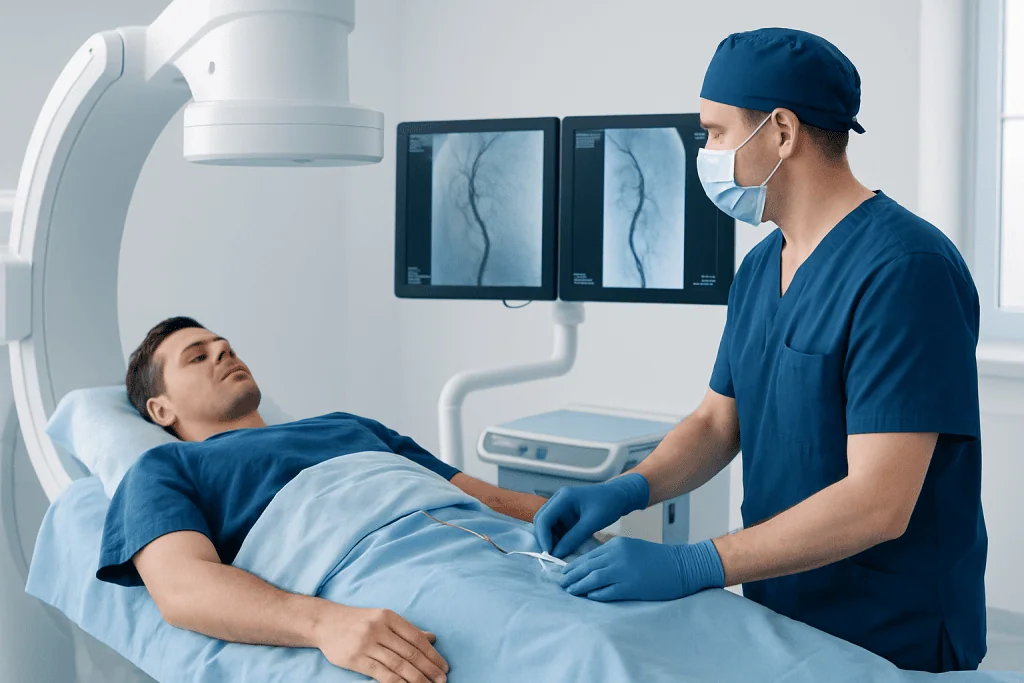
In a varicocele, one-way valves in the veins may not work effectively. Blood can flow backward and collect in the network of veins around the testicle, causing the veins to widen. Embolization treats the problem at the level of the affected drainage vein rather than removing or tying veins through an incision.
During the procedure, the specialist places a catheter into a vein, commonly through a small puncture in the neck or groin. Real-time X-ray imaging, usually with contrast dye, guides the catheter to the veins supplying the varicocele. The specialist then places tiny coils, a medical plug, a sclerosing agent, or a combination of these materials to close the abnormal vein safely.
Once the targeted vein is closed, blood is directed toward other normal venous pathways. The enlarged scrotal veins do not disappear immediately, but they often become less prominent over time. The main non-surgical procedural option is varicocele embolization, which should be performed by an experienced interventional radiology team in coordination with urology when appropriate.
Who may be a candidate

Many varicoceles are found incidentally and can be monitored without intervention. Treatment is more often discussed when a person has persistent discomfort that does not improve with supportive measures, when fertility evaluation identifies a clinically significant varicocele alongside abnormal semen findings, or when there is concern about testicular size or development.
Before recommending embolization, clinicians generally confirm the diagnosis with a physical examination. A scrotal ultrasound may be used when the examination is uncertain, to evaluate the veins and testicles, or to assess other possible causes of symptoms. For fertility-related concerns, assessment may also include semen analysis and, when indicated, evaluation of both partners.
Embolization may be especially worth discussing for people who prefer a minimally invasive approach, have had a varicocele recur after previous repair, or wish to avoid a surgical incision. However, vein anatomy, previous procedures, contrast allergy, kidney function, bleeding risk, and other health conditions can affect suitability. A specialist will also rule out other causes of scrotal pain, such as infection, hernia, cysts, or testicular conditions, because treating a varicocele may not resolve pain with another cause.
- Potential reasons to consider treatment: bothersome pain, fertility-related findings, or testicular growth concerns.
- Reasons for observation: no symptoms, normal testicular development, and no current fertility concern.
- Important principle: treatment decisions should be individualized rather than based on ultrasound findings alone.
What happens during the procedure
Varicocele embolization is commonly performed as an outpatient procedure. Before it begins, the care team reviews medical history, medicines, allergies, and relevant imaging or laboratory results. Instructions about eating, drinking, and medicines vary, so patients should follow the plan given by their clinical team. Sedation may be used to promote comfort, while the person continues to breathe independently.
The skin at the access site is cleaned and numbed with local anesthetic. The interventional radiologist makes a very small needle puncture, inserts the catheter into a vein, and advances it under imaging guidance. Contrast dye maps the blood flow and identifies the veins responsible for the varicocele. The selected vein is then blocked using embolic materials.
The catheter is removed at the end of the procedure, and pressure or a small dressing is applied to the access site. There is usually no scrotal incision and no stitches. The procedure duration can vary with anatomy and whether one or both sides require treatment. Patients typically need someone to accompany them home if sedation has been used.
Afterward, the team observes the patient briefly and provides written aftercare advice. They may arrange follow-up with urology, interventional radiology, or both. If fertility is the reason for treatment, repeat semen testing is generally timed months later because sperm production and maturation take time.
Recovery timeline, benefits and possible risks
Recovery after embolization is often shorter than after conventional surgery, although experiences differ. Mild soreness or bruising at the catheter entry site, temporary scrotal discomfort, or a pulling sensation may occur during the first several days. Many people can resume light daily activities relatively soon, while strenuous exercise, heavy lifting, and sexual activity may need to be postponed for a period recommended by the treating team.
Supportive underwear, rest, hydration, and an appropriate non-prescription pain reliever may help some people, if medically suitable. The care team should provide individualized advice, particularly for people taking blood thinners or those with kidney, liver, heart, or bleeding conditions. Follow-up is important even when recovery feels straightforward.
Potential benefits include improvement in varicocele-related discomfort, less visible or palpable vein enlargement, and possible improvement in semen parameters for some people treated as part of infertility care. Improvement is not immediate for everyone, and fertility outcomes depend on multiple factors, including age, ovarian factors in a partner, sperm quality, and other reproductive conditions. A varicocele repair does not guarantee pregnancy or eliminate every cause of scrotal pain.
Complications are uncommon but possible. These include bruising, bleeding, infection, reaction to contrast or sedation, inflammation of the treated vein, failure to access or fully close the target vein, recurrence or persistence of the varicocele, and unintended blockage of nearby vessels. Promptly reporting severe or worsening pain, fever, marked swelling, redness, shortness of breath, or significant bleeding helps the team assess for complications.
Self-care, monitoring and protecting reproductive health
For people with a mild or symptom-free varicocele, observation is often a safe approach. Supportive underwear may reduce discomfort during activity. Avoiding activities that reliably aggravate pain for a short period, taking breaks from prolonged standing when possible, and discussing suitable pain relief with a clinician can also be helpful.
It is sensible to avoid assuming that all scrotal discomfort is caused by a known varicocele. New pain, a new lump, or a change in testicular size should be assessed. Regular self-awareness—not anxious or repeated checking—can help a person recognize changes worth discussing with a healthcare professional.
Fertility concerns benefit from a broad assessment rather than focusing on one finding alone. A urologist with expertise in male reproductive health can interpret semen testing, hormones when needed, testicular examination, and the role of a varicocele. Related conditions, including male infertility, may require coordinated evaluation and a tailored plan.
Healthy habits support overall reproductive and vascular health, although they do not reverse an established varicocele. These include avoiding tobacco, maintaining a weight that is healthy for the individual, exercising regularly within comfort, and limiting excessive heat exposure to the testicles when trying to conceive. These steps complement, but do not replace, specialist advice.
When to seek medical care
A medical appointment is appropriate for a new scrotal lump, persistent aching or heaviness, a visible enlargement of scrotal veins, concern about one testicle being smaller, or difficulty conceiving after a period of regular unprotected intercourse. Assessment is also appropriate for adolescents with suspected varicocele, particularly if there are concerns about testicular development.
Sudden, severe testicular or scrotal pain requires urgent medical assessment. Although a varicocele more often causes a dull or dragging discomfort, abrupt intense pain can have other causes that need prompt treatment. Rapid swelling, fever, nausea or vomiting with testicular pain, or a testicle that appears unusually high or rotated should not be managed at home.
People considering non-surgical care can ask a urologist whether embolization or surgical repair is better suited to their findings and goals. Acibadem International’s multidisciplinary specialists and JCI-accredited hospitals evaluate and treat varicocele-related concerns for international patients, including coordinated urology and interventional radiology care.
Frequently asked questions
Is it possible to treat a varicocele without surgery?
Yes. Varicocele embolization is a minimally invasive alternative to surgical repair. An interventional radiologist uses a catheter placed through a small skin puncture to block the veins contributing to the varicocele.
How long does recovery take after varicocele embolization?
Many people return to light activities within a few days, but individual recovery varies. The treating team may advise avoiding heavy lifting, vigorous exercise, and sexual activity for a short period, depending on symptoms and the access site.
Does varicocele embolization improve fertility?
For selected people with a clinically significant varicocele and abnormal semen findings, treatment may improve semen parameters. Pregnancy depends on many factors affecting both partners, so improvement cannot be guaranteed.
Is embolization painful?
Local anesthetic is used at the catheter entry site, and sedation may be offered depending on the care setting and patient needs. Some temporary pressure, mild discomfort, or a warm sensation from contrast dye can occur, but the team monitors comfort throughout the procedure.
Can a varicocele come back after embolization?
Persistence or recurrence is possible because vein anatomy can vary and alternative drainage pathways may be present. Follow-up helps assess symptom changes and determine whether further evaluation or treatment is needed.
When does a varicocele need treatment?
Treatment may be considered for persistent pain, testicular growth concerns, or fertility-related circumstances such as abnormal semen results. A varicocele without symptoms or testicular changes often does not require treatment and may be monitored.
References
- American Urological Association
- European Association of Urology
- Society of Interventional Radiology
- National Institute of Diabetes and Digestive and Kidney Diseases
This article is for general information only and is not a substitute for professional medical advice. Please consult a qualified doctor about your individual situation.
Varicocele in Turkey — costs, top hospitals & a free quote
JCI-accredited · board-certified surgeons · reply within 24h
Add us as a Preferred Source to see more of our trusted health content across Google Search, AI Overviews and Discover.