

Dry Eye Treatment Drops: How It Works, Results and What to Expect

Dry eye treatment drops range from over-the-counter lubricants to prescription medicines that address inflammation or tear production. Many people feel temporary relief from lubricating drops within minutes, while prescription drops may take weeks to show their full benefit.
Key Takeaways
- Dry eye treatment drops range from over-the-counter lubricants to prescription medicines that address inflammation or tear production.
- Many people feel temporary relief from lubricating drops within minutes, while prescription drops may take weeks to show their full benefit.
- Preservative-free drops can be particularly useful for people who need frequent dosing or have sensitive eyes.
- Correct drop technique, contact lens guidance and follow-up care can improve comfort and treatment results.
- Pain, marked redness, light sensitivity, discharge or sudden vision changes need prompt medical assessment.
Dry eye treatment drops can reduce burning, grittiness and fluctuating vision by improving lubrication or treating inflammation that disrupts the tear film. The best choice depends on the type and severity of dry eye, so persistent symptoms should be assessed by an eye specialist.
Overview: what dry eye treatment drops do
Dry eye treatment drops are used to relieve symptoms caused by an unstable or inadequate tear film. Tears do more than make the eyes feel moist: they lubricate the eyelids, protect the front surface of the eye and help keep vision clear. When this system is disrupted, a person may notice stinging, burning, a sandy sensation, redness, tired eyes or vision that briefly clears after blinking.
The most common starting option is an artificial tear, also called a lubricating eye drop. These products add moisture and may help stabilize the tear film for a period of time. Other drops are prescribed when inflammation, reduced natural tear production, allergy, eyelid-gland dysfunction or another eye condition is contributing to dry eye.
Eye drops often improve comfort, but they are not always a complete cure. Successful care usually combines the right type of drop with practical measures such as managing screen time, treating eyelid inflammation where present, reviewing contact lens use and addressing contributing health conditions. An eye examination helps identify the most appropriate plan.
How dry eye treatment drops work
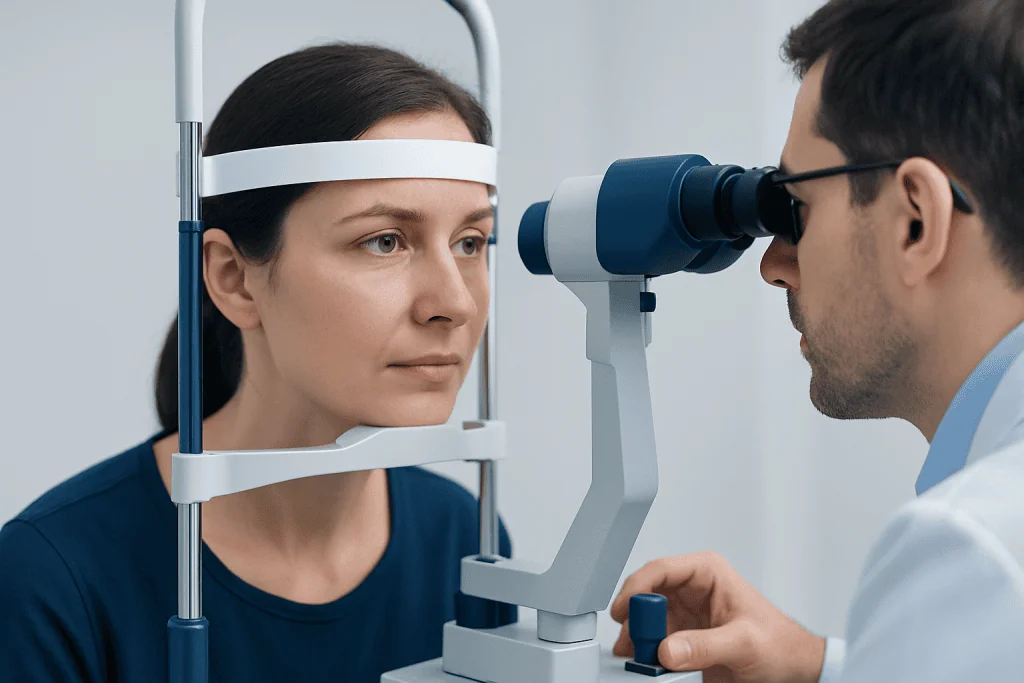
A healthy tear film has oily, watery and mucus-like components. The outer oily layer, produced largely by glands in the eyelids, slows evaporation. The watery layer supplies moisture, while the inner layer helps tears spread smoothly across the eye. Dry eye may occur when too few tears are made, when tears evaporate too quickly, or when the tear film is poor in quality.
Lubricating drops contain ingredients that hold water on the eye surface and reduce friction during blinking. Some are thinner for daytime use, while gels and ointments last longer but can blur vision temporarily. Preservative-free single-use drops may be recommended for frequent use because some preservatives can irritate sensitive eyes when used repeatedly.
Prescription drops may work differently. Depending on the medicine, they can reduce inflammation on the eye surface, support natural tear production or help manage associated conditions. These treatments generally need consistent use and follow-up rather than being used only when symptoms occur. An ophthalmologist may also recommend care for the eyelids or tear ducts when drops alone are insufficient.
Who may benefit and how dry eye is assessed

Dry eye treatment drops may benefit people with persistent discomfort, intermittent blurred vision, a foreign-body sensation, watering eyes or symptoms that worsen with reading, driving, air conditioning, wind or prolonged screen use. Watery eyes can seem surprising, but irritation from dryness can trigger reflex tearing that does not adequately lubricate the eye.
Dry eye is more common with increasing age and may be associated with hormonal changes, contact lens wear, eyelid-gland blockage, allergies, some medicines, previous eye surgery, autoimmune disease and environmental exposure. Certain skin conditions, including rosacea, can also affect the eyelids and tear film. Symptoms can overlap with infection, allergy and other eye problems, so self-diagnosis is not always reliable.
During assessment, an eye specialist discusses symptoms, medicines, general health and daily visual demands. They may examine the tear film, eyelid margins, blinking pattern and eye surface using magnification and special dyes. Tear production or tear-breakup tests may be used when needed. This process helps distinguish evaporative dry eye from reduced tear production and guides treatment selection.
People with chronic dry eye may also need evaluation for related eye-surface disorders or contributing systemic disease. For example, eyelid inflammation and blepharitis can worsen tear evaporation and may require targeted lid care alongside drops.
Using drops: what to expect step by step
Before using any eye drop, hands should be washed. The person can tilt the head back or lie down, look upward and gently pull the lower eyelid down to create a small pocket. One drop is usually enough; the bottle tip should not touch the eye, eyelid, fingers or any other surface because this can contaminate the product.
After instilling the drop, closing the eyes gently for a short time can help it remain on the surface. Light pressure at the inner corner of the closed eyelid may reduce drainage through the tear duct, particularly with prescription medication. Blinking hard or rubbing the eyes immediately afterward may push the drop out.
If more than one type of eye medicine is prescribed, they should generally be spaced apart so one does not wash out the other. Ointments or thicker gels are usually used after drops because they can form a barrier on the eye surface. Contact lens instructions vary by product: many lubricating drops are compatible with certain lenses, but some drops should not be applied while lenses are in place.
An eye specialist can advise whether preservative-free lubricants, gels, ointments or dry eye treatment beyond drops is appropriate. The treatment plan may include warm compresses, eyelid hygiene, lifestyle adjustments or in-office options depending on the underlying cause.
How long does it take for eye drops to fix dry eyes?
Lubricating drops may soothe dryness within minutes, but the effect can be temporary and may need to be repeated according to the product instructions and a clinician’s advice. They relieve symptoms by supplementing the tear film; they do not necessarily correct the reason dry eye developed.
When dry eye is driven by persistent inflammation or eyelid-gland dysfunction, improvement often takes longer. Prescription anti-inflammatory drops may require several weeks or longer before a meaningful benefit is noticed. Consistent use is important, even if the eyes feel better on some days.
There is no single timeframe that applies to everyone. A person whose symptoms do not improve, who needs lubricating drops very frequently, or who has worsening discomfort should arrange an eye review. The clinician can check whether the diagnosis is correct, whether the drop type is suitable and whether another treatment is needed.
How to tell if dry eye is improving
Improvement is usually noticed as less burning, grittiness, itching or awareness of the eyes during the day. The person may also find that they blink less often for comfort, tolerate screens or reading more easily, and experience fewer episodes of fluctuating or temporarily blurred vision.
Better symptoms do not always mean dry eye has fully resolved. Some people still have an unstable tear film or eyelid-gland problem that needs ongoing care to prevent symptoms returning. Follow-up testing may show whether the eye surface and tear film are improving, especially when prescription treatment has been started.
Keeping a short symptom record can be helpful. It may note the time of day symptoms occur, environmental triggers, screen use, contact lens wear and how often drops are needed. This information can help an ophthalmologist tailor care without relying only on how the eyes feel during one appointment.
Dry eye often follows a fluctuating course. Mild variation from day to day is common, but steadily worsening discomfort, increasing redness or new visual symptoms should not be assumed to be part of recovery.
What should you not do after eye drops?
After applying eye drops, a person should avoid rubbing the eyes or touching the bottle tip to the eye. Rubbing can worsen irritation and may interfere with the drop staying on the eye surface. The bottle should be closed promptly and stored as directed on its label.
It is sensible to wait until vision is clear before driving, operating machinery or doing tasks requiring precise vision. This is especially important after gels or ointments, which can cause short-lived blur. People should not share eye drops, use products past their expiry date or continue a drop that has changed colour, consistency or appearance.
Contact lenses should only be reinserted according to the instructions for that specific product or the advice of an eye professional. Some drops contain preservatives or other ingredients that may be absorbed by lenses. If several eye products are used, spacing them apart helps each treatment work as intended.
Non-prescribed redness-relieving drops should not be used as a long-term solution for dry eye without professional guidance. They may reduce visible redness temporarily but do not address tear-film problems and can sometimes worsen rebound redness when overused.
Do dry eyes get better with eye drops? Benefits, limits and when to seek care
Many people do get meaningful relief from dry eye treatment drops, particularly when symptoms are mild or linked to temporary triggers such as dry air, travel or sustained visual work. Lubricating drops can make the eyes more comfortable, while prescription options can help address inflammation in selected patients. However, ongoing dry eye may need a broader approach because drops do not correct every cause.
Possible side effects depend on the product. Lubricating drops may cause brief stinging or blurred vision, especially thicker formulations. Prescription drops can also cause temporary irritation or altered taste in some people. A clinician should be informed about persistent side effects, suspected allergy or difficulty using the drops as directed.
Medical care should be sought promptly for significant eye pain, injury, sensitivity to light, pus-like discharge, a pronounced red eye, sudden or sustained vision loss, or severe headache with eye symptoms. These signs are not typical simple dry eye and require assessment. An appointment is also appropriate for symptoms that continue despite regular use of suitable lubricating drops.
Acibadem International’s multidisciplinary specialists and JCI-accredited hospitals can assess and treat dry eye for international patients, including cases related to eyelid conditions, contact lenses or other eye-surface concerns. A tailored evaluation may also identify whether management of allergic conjunctivitis or another condition is needed alongside dry eye care.
Frequently asked questions
What are the best dry eye treatment drops?
The most suitable drops depend on the cause, severity and frequency of symptoms. Preservative-free artificial tears are often useful for frequent lubrication, while gels or ointments may help overnight. Prescription drops may be considered when inflammation or more persistent disease is present.
Can I use artificial tears every day?
Many artificial tears are designed for regular use. People who need them often, or who develop irritation with frequent use, may benefit from preservative-free products. An eye professional should review symptoms that require increasingly frequent drops.
How long does it take for eye drops to fix dry eyes?
Lubricating drops can provide comfort within minutes, but their effect may last only a limited time. Prescription drops that target inflammation can take several weeks or longer to provide fuller benefit. The underlying cause determines whether dry eye can be controlled with drops alone.
How to tell if dry eye is improving?
Symptoms may improve with less burning, grittiness, redness, watering and fluctuating vision. It may become easier to read, use digital screens or wear contact lenses comfortably. Regular follow-up can confirm that the eye surface is also improving.
What should you not do after eye drops?
Do not rub the eyes, touch the bottle tip to the eye or share the bottle with another person. Wait until temporary blurred vision has cleared before driving or performing visually demanding tasks. Follow product-specific advice about contact lenses and spacing different eye medicines.
Do dry eyes get better with eye drops?
Many people experience relief with lubricating or prescription drops, particularly when treatment matches the cause of dry eye. Chronic dry eye may require ongoing treatment and lifestyle measures rather than a one-time cure. Persistent or worsening symptoms should be assessed by an ophthalmologist.
References
- American Academy of Ophthalmology
- National Eye Institute
- Tear Film and Ocular Surface Society
- Mayo Clinic
This article is for general information only and is not a substitute for professional medical advice. Please consult a qualified doctor about your individual situation.
Explore treatments in Turkey — costs, top hospitals & a free quote
JCI-accredited · board-certified surgeons · reply within 24h

More from the Health Library



Related Specialists
Dr. Mehmet Fatih Özkan
Emergency Service
Dr. Taner Bayraktar
Emergency Service
Prof. Dr. Aslı Aslan
Pediatrics
Assoc. Prof. Dr. Eser Çolak
Vitro Fertilization and Reproductive Medicine Center