Triple Negative Breast Cancer Treatment: How It Works, Results and What to Expect

Chemotherapy is a central treatment for many triple-negative breast cancers and may be given before or after surgery. Immunotherapy can be combined with chemotherapy for some people with high-risk early-stage or advanced disease.
Key Takeaways
- Chemotherapy is a central treatment for many triple-negative breast cancers and may be given before or after surgery.
- Immunotherapy can be combined with chemotherapy for some people with high-risk early-stage or advanced disease.
- Surgery and radiation are selected according to tumour size, lymph node involvement and the type of breast operation.
- Triple-negative breast cancer is not automatically terminal; many early-stage cases are treated with curative intent.
- Treatment planning is best led by a multidisciplinary breast cancer team and includes support for side effects and wellbeing.
Triple negative breast cancer treatment is personalised according to the cancer stage, tumour features, genetic results and overall health. It commonly uses chemotherapy with surgery and may also include immunotherapy, radiation therapy or targeted treatment in specific situations.
Overview: How Triple Negative Breast Cancer Treatment Works
Triple negative breast cancer treatment usually combines systemic treatment, which works throughout the body, with local treatment directed at the breast and nearby lymph nodes. Chemotherapy is often the foundation because these cancer cells do not have estrogen receptors, progesterone receptors or HER2 proteins that can be targeted by standard hormone therapy or HER2-directed medicines. Depending on the stage and individual tumour characteristics, treatment may also include immunotherapy, surgery, radiation therapy, targeted medicines or a clinical trial.
The aim differs by situation. For early-stage disease, treatment is generally planned with the aim of removing and eradicating the cancer. For cancer that has spread to distant organs, treatment aims to control the disease, relieve symptoms, preserve daily function and extend life where possible. A breast surgeon, medical oncologist, radiation oncologist, radiologist, pathologist, genetics professional and supportive-care team can work together to create an individual plan.
Before treatment starts, the team confirms the diagnosis with a biopsy and determines the cancer stage. They may assess lymph nodes, perform imaging when appropriate and test the tumour and blood for biomarkers or inherited gene changes. These results help identify whether options such as immunotherapy, PARP inhibitors or antibody-drug conjugates may be suitable.
Candidacy and Treatment Planning
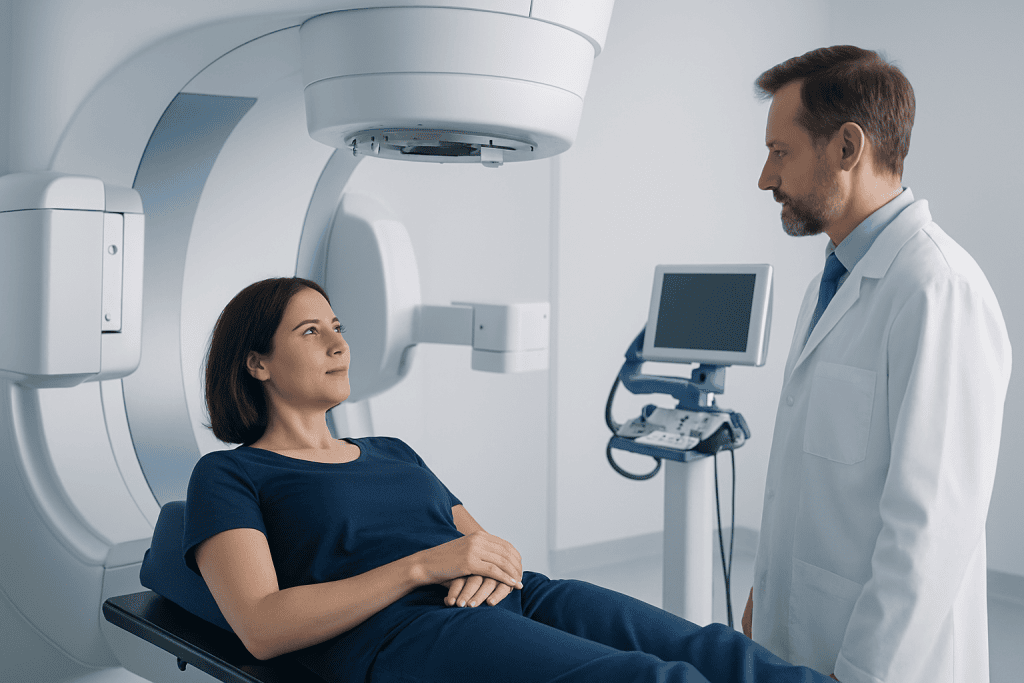
Suitability for each treatment depends on whether the cancer is early-stage, locally advanced, recurrent or metastatic. The size and grade of the tumour, lymph node findings, whether the cancer can be removed with surgery, previous treatments and a person’s general health all matter. The treatment team also considers personal priorities, such as breast-conserving surgery where medically appropriate, fertility preservation and practical support during treatment.
For many stage II or III triple-negative breast cancers, chemotherapy is given before surgery. This is called neoadjuvant chemotherapy. It can shrink the tumour, make breast-conserving surgery more feasible and show how strongly the cancer responds to treatment. In selected higher-risk cases, immunotherapy may be given with chemotherapy before surgery and continued afterwards.
Some smaller, node-negative cancers may be treated with surgery first, followed by chemotherapy when the expected benefits outweigh the risks. Testing for inherited BRCA1 or BRCA2 changes is often considered, particularly for people diagnosed at a younger age, those with a relevant family history, or those with high-risk disease. Such testing can affect treatment choices and provide useful information for relatives.
- Early-stage disease may involve chemotherapy, surgery and sometimes radiation.
- High-risk early-stage disease may include immunotherapy or additional treatment after surgery.
- Metastatic disease is treated using systemic therapies selected by tumour testing, prior treatment and symptoms.
Treatment Pathway: Step by Step
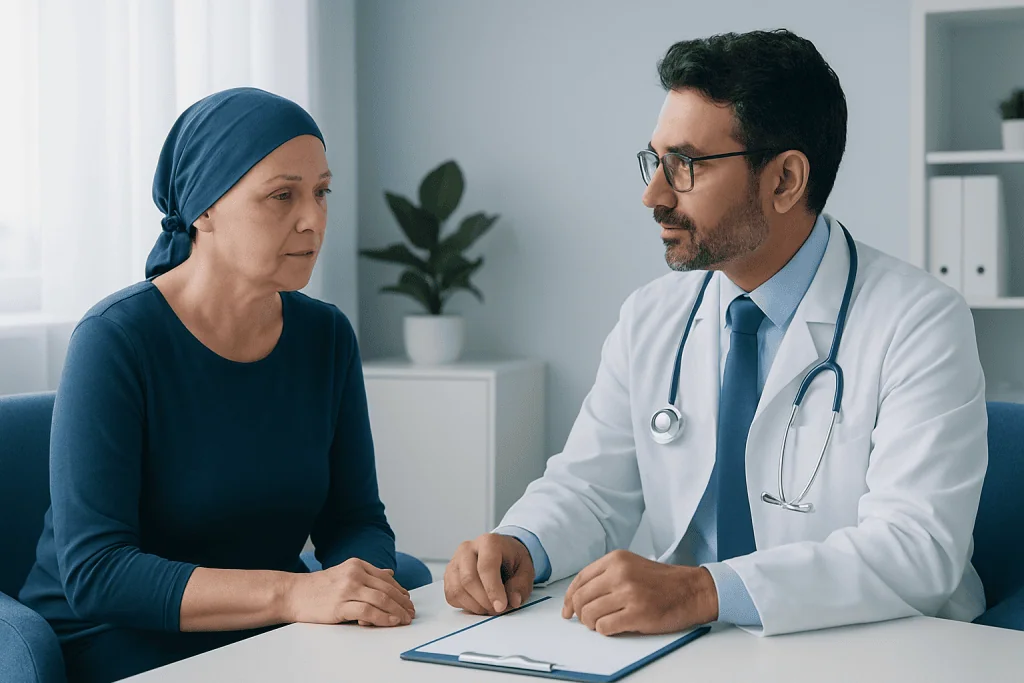
The first step is a careful assessment, including biopsy review, receptor testing and staging. The oncology team explains the recommended sequence of care, expected benefits, likely side effects and alternatives. If chemotherapy is planned before surgery, treatment is usually delivered in cycles, with planned recovery periods between infusions. Blood tests and clinical reviews help clinicians monitor safety and response.
After neoadjuvant treatment, imaging and examination assess the response, although the final assessment is made when tissue is examined after surgery. Surgery may be breast-conserving surgery, also called lumpectomy, or mastectomy. The surgeon may also perform sentinel lymph node biopsy or remove lymph nodes if there is evidence of nodal involvement. Breast cancer treatment is planned individually, including discussions about reconstructive options when mastectomy is needed.
Radiation therapy may follow breast-conserving surgery and is also recommended in some cases after mastectomy, particularly when lymph nodes are involved or other recurrence-risk features are present. If cancer remains in the breast or lymph nodes after preoperative chemotherapy, the oncology team may recommend further treatment after surgery. For certain people with an inherited BRCA mutation and high-risk early disease, a PARP inhibitor may be considered.
In metastatic disease, treatment is chosen according to factors such as PD-L1 testing, BRCA status and other tumour findings. Options may include chemotherapy, immunotherapy for eligible patients, PARP inhibitors for some people with BRCA mutations, or antibody-drug conjugates after previous treatments. Breast cancer care also includes monitoring symptoms, emotional wellbeing, nutrition and treatment-related complications.
Benefits, Risks and Recovery Timeline
The potential benefit of treatment for early-stage triple-negative breast cancer is reducing the chance that the cancer returns and improving the possibility of long-term cure. When chemotherapy is given before surgery, achieving no remaining invasive cancer in the breast and sampled lymph nodes at surgery is associated with a more favourable outlook. However, response is only one part of prognosis, and people who do not have a complete response may still benefit from additional treatment and close follow-up.
Chemotherapy can cause fatigue, nausea, appetite changes, hair loss, mouth soreness, temporary lowering of blood counts, infection risk, numbness or tingling in the hands and feet, and changes in concentration or mood. Side effects vary greatly by medicine and person. The care team can offer anti-sickness medicines, blood-count monitoring, symptom treatment and advice on when urgent assessment is needed. Most side effects improve after treatment, although some, such as neuropathy, can last longer.
Immunotherapy can cause the immune system to inflame healthy organs. Uncommon but important effects can involve the lungs, bowel, liver, hormone-producing glands or skin. New cough, breathlessness, persistent diarrhoea, severe abdominal pain, marked fatigue, headache or vision changes should be reported promptly. Surgery may involve pain, swelling, temporary limited shoulder movement, wound problems or lymphoedema; radiation can cause temporary skin changes and fatigue.
Recovery occurs in stages. People receiving chemotherapy often have periods of lower energy during each cycle and may need several weeks or months to regain stamina after completion. Recovery after lumpectomy is often shorter than after mastectomy, while reconstruction may lengthen the timeline. Follow-up appointments focus on healing, pathology results, any further treatment and a plan for ongoing surveillance.
How Quickly Does Triple-Negative Breast Cancer Progress?
Triple-negative breast cancer is often considered biologically more active than some hormone receptor-positive breast cancers, and it can grow or spread more quickly in some people. However, progression is not the same for every tumour. Growth rate depends on the cancer’s biology, stage, grade, response to treatment and the person’s overall circumstances.
Because timely assessment and treatment are important, a new breast lump, skin or nipple change, swollen underarm node or unexplained breast change should not be ignored. Once diagnosed, care should be coordinated without unnecessary delay, while still allowing enough time for accurate pathology review, staging and informed treatment planning.
It is also important to avoid drawing conclusions from the word “triple-negative” alone. Many cases are diagnosed before distant spread and can be treated effectively. The oncology team can explain the likely behaviour of an individual cancer using its stage, imaging, pathology and response to treatment.
How Bad Is Chemo for Triple-Negative Breast Cancer?
Chemotherapy for triple-negative breast cancer can be demanding, but its effects are manageable for many people with proactive supportive care. The intensity depends on the drug combination, treatment schedule, other medicines such as immunotherapy, existing health conditions and individual sensitivity. The team will explain the expected effects before treatment and regularly adjust supportive measures when needed.
Some side effects are temporary and predictable, including tiredness, hair loss, nausea and changes in taste. Others require rapid attention, particularly fever or other possible signs of infection during periods of low white blood cell counts. Patients should receive clear contact instructions from their treatment centre and should not wait for a routine appointment if they develop a fever, chills, severe shortness of breath, uncontrolled vomiting or sudden worsening symptoms.
Practical measures can help: rest balanced with gentle activity as tolerated, regular fluids, small nourishing meals and support from family or friends. Scalp cooling may be available for some regimens, although it is not suitable or effective for everyone. Fertility preservation should be discussed before chemotherapy begins for those who may wish to have children in the future.
How Many Rounds of Chemo Is Normal for Triple-Negative Breast Cancer?
There is no single normal number of chemotherapy rounds for triple-negative breast cancer. Treatment is delivered in cycles, and the total number depends on the stage, whether chemotherapy is given before or after surgery, the medicines selected and how well treatment is tolerated. Many early-stage treatment plans take several months and use more than one chemotherapy medicine in sequence.
Some regimens use treatment every one, two or three weeks, while others include weekly doses for part of the course. The oncology team may recommend changes or delays if blood counts are low, side effects are significant or medical circumstances change. Adjusting a plan for safety does not mean treatment has failed; it is a routine part of individualised cancer care.
For metastatic disease, chemotherapy may continue for as long as it is controlling the cancer and side effects remain acceptable, or it may be changed when scans, symptoms or laboratory results show that another approach is needed. Patients can ask their oncologist about the purpose of each medicine, the anticipated duration and how response will be monitored.
Is Triple-Negative Breast Cancer Considered Terminal?
Triple-negative breast cancer is not automatically considered terminal. When it is diagnosed at an early stage, treatment is often given with curative intent, and many people complete treatment without evidence of cancer afterwards. The outlook depends most strongly on the stage at diagnosis, lymph node involvement, tumour response to treatment and individual tumour biology.
When triple-negative breast cancer has spread to distant parts of the body, it is generally not considered curable with currently available treatments. Nevertheless, modern systemic therapies can often control metastatic disease for a period of time, and care remains active and individualised. The goals are to slow growth, manage symptoms and maintain quality of life.
Prognosis conversations can be emotionally difficult, and broad statistics cannot predict one person’s experience. A treating oncologist is best placed to discuss the likely outlook using the complete clinical picture. Acibadem International’s multidisciplinary specialists and JCI-accredited hospitals provide diagnosis and treatment planning for international patients with breast cancer.
When to Seek Medical Care
Medical assessment is recommended promptly for a new breast or underarm lump, a change in breast size or shape, nipple discharge that is bloody or spontaneous, skin dimpling, persistent redness, nipple inversion or a sore that does not heal. These symptoms are often caused by non-cancerous conditions, but they should be evaluated rather than self-diagnosed.
During chemotherapy or immunotherapy, the treatment team should be contacted urgently for a fever, chills, signs of infection, chest pain, new or worsening breathlessness, severe diarrhoea, persistent vomiting, confusion, sudden weakness or an allergic-type reaction. Patients should use the urgent-contact instructions provided by their oncology service.
Follow-up after treatment is important even when a person feels well. It provides an opportunity to monitor recovery, manage lasting effects, review breast imaging when indicated and discuss concerns about recurrence. Emotional support, rehabilitation and survivorship care are valuable parts of recovery.
Frequently asked questions
What is the main treatment for triple-negative breast cancer?
Chemotherapy is a main treatment for many people with triple-negative breast cancer because hormone therapy and HER2-targeted treatments do not work for this subtype. Surgery and radiation may also be used for early-stage disease, while immunotherapy and certain targeted medicines are suitable for selected patients.
Can triple-negative breast cancer be cured?
Early-stage triple-negative breast cancer may be treated with curative intent using combinations of chemotherapy, surgery and sometimes radiation or immunotherapy. Whether cure is possible depends on the stage, lymph node status, treatment response and other tumour features.
Why is chemotherapy often given before surgery for TNBC?
Chemotherapy before surgery can reduce the size of the tumour and may make breast-conserving surgery possible. It also helps the team assess how the cancer responds to treatment and may guide decisions about treatment after surgery.
Will everyone with triple-negative breast cancer need immunotherapy?
No. Immunotherapy is recommended only for certain situations, such as some high-risk early-stage cancers or advanced cancers with specific biomarker findings. A medical oncologist will consider the stage, test results, potential benefit and possible immune-related side effects.
What happens if cancer remains after chemotherapy and surgery?
Residual cancer after preoperative chemotherapy does not mean there are no further options. Depending on the pathology findings and genetic test results, the oncology team may recommend additional treatment after surgery to lower the chance of recurrence.
How is follow-up done after treatment for triple-negative breast cancer?
Follow-up usually includes clinical appointments, discussion of symptoms and breast imaging according to the type of surgery and local recommendations. Additional scans or blood tests are not routinely needed for everyone, but may be arranged if symptoms or examination findings raise concern.
References
- National Cancer Institute
- American Cancer Society
- National Comprehensive Cancer Network
- European Society for Medical Oncology
- Breast Cancer Research Foundation
This article is for general information only and is not a substitute for professional medical advice. Please consult a qualified doctor about your individual situation.
Breast Cancer in Turkey — costs, top hospitals & a free quote
JCI-accredited · board-certified surgeons · reply within 24h
Add us as a Preferred Source to see more of our trusted health content across Google Search, AI Overviews and Discover.

Medical Oncology Department
Medical treatment of cancer with chemotherapy, immunotherapy and targeted therapies under a multidisciplinary tumor board.
60 specialists in this unit