Radiation for Breast Cancer: How It Works, Results and What to Expect
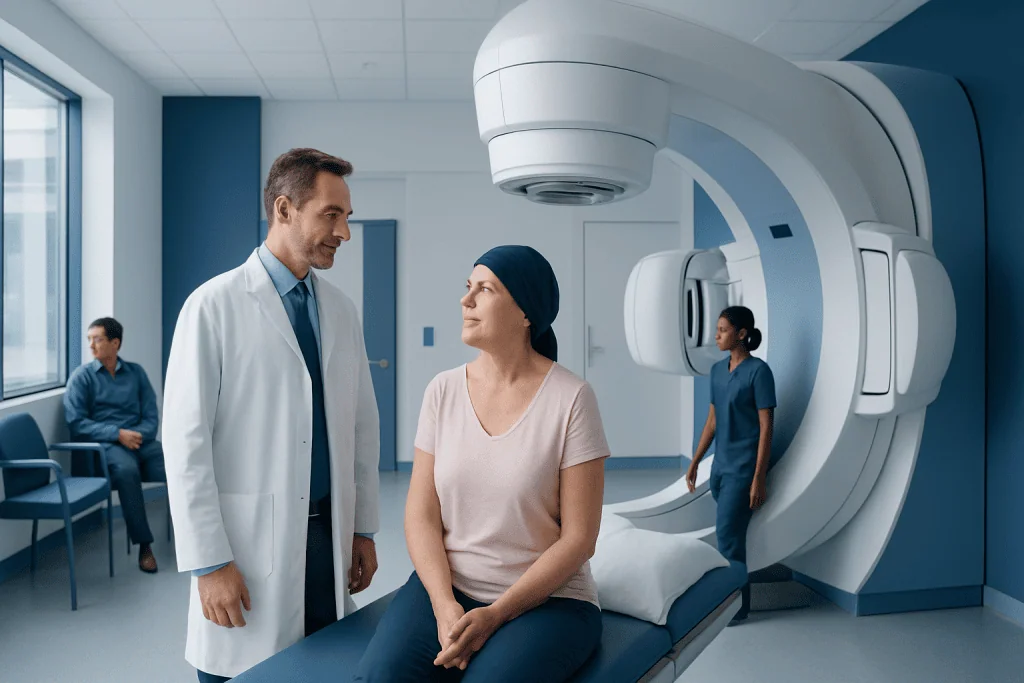
Radiation is usually delivered after surgery and is planned individually by a radiation oncology team. Most breast radiation is external beam treatment given on weekdays for a course lasting about one to several weeks.
Key Takeaways
- Radiation is usually delivered after surgery and is planned individually by a radiation oncology team.
- Most breast radiation is external beam treatment given on weekdays for a course lasting about one to several weeks.
- Temporary fatigue and skin changes are common, while serious long-term effects are less common and are considered during planning.
- Modern planning techniques aim to protect the heart, lungs and nearby healthy tissue.
- Patients should contact their care team promptly for severe skin reactions, fever, worsening swelling, shortness of breath or concerning new symptoms.
Radiation for breast cancer is a local treatment that uses precisely planned high-energy radiation to destroy remaining cancer cells and reduce the chance of cancer returning in the treated breast or nearby lymph nodes. It is commonly recommended after breast-conserving surgery and may also be used after mastectomy for selected people.
Overview: How Radiation for Breast Cancer Works
Radiation for breast cancer uses carefully targeted high-energy beams, usually X-rays, to damage the DNA of cancer cells that may remain in the breast, chest wall or nearby lymph node areas after surgery. Cancer cells are less able than healthy cells to repair this damage, so they gradually stop growing and die. The purpose is to lower the risk of a local or regional recurrence; radiation does not replace treatments designed to address cancer cells elsewhere in the body, such as endocrine therapy, chemotherapy or targeted therapy.
It is most often given after lumpectomy, also called breast-conserving surgery. In this setting, whole-breast radiation is a standard part of treatment for many patients because it substantially reduces the risk of cancer returning in the breast. Some people also need radiation after mastectomy, particularly when the original cancer was large, lymph nodes were involved, surgical margins are close or positive, or other features suggest a higher recurrence risk.
External beam radiation is the most common approach. A machine called a linear accelerator moves around the body without touching it and delivers radiation from planned angles. In selected situations, internal radiation techniques, sometimes called brachytherapy, may be considered. The exact recommendation is made by a multidisciplinary team based on pathology, imaging, surgery, overall health and personal priorities.
Who May Benefit and How the Plan Is Chosen
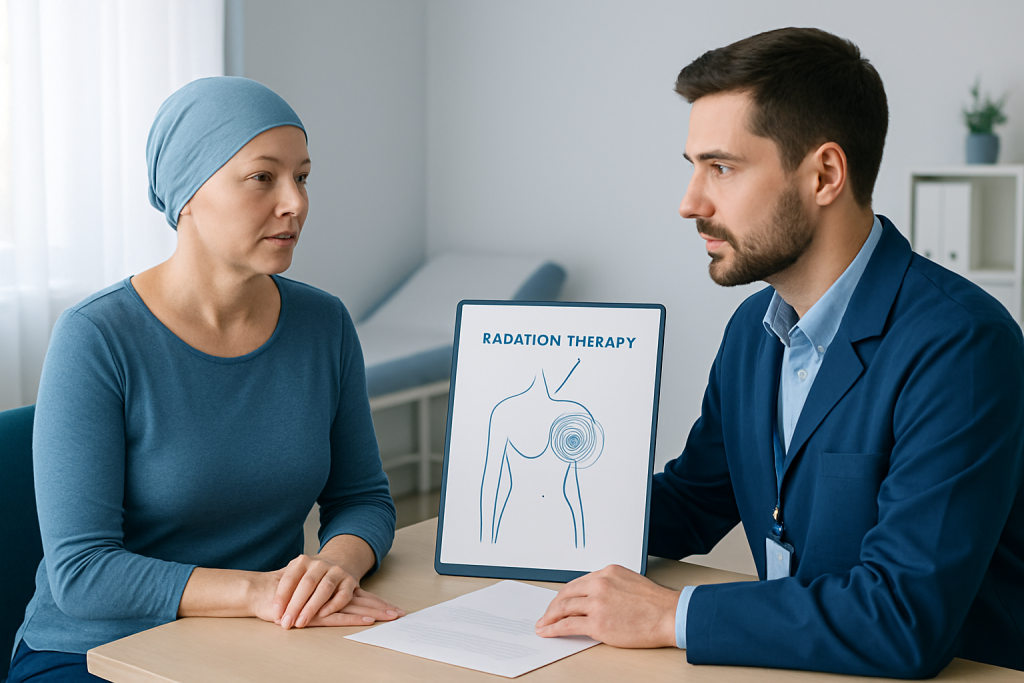
Candidacy for breast radiation depends on the type and stage of breast cancer, the surgery performed, whether lymph nodes contain cancer, the pathology report and other treatments planned. Most people who have a lumpectomy are advised to discuss radiation with a radiation oncologist. In a small group of older adults with a very low-risk, hormone receptor-positive cancer who will take endocrine therapy, omitting radiation may be an option after an individualized discussion.
After mastectomy, radiation is not necessary for everyone. It may be recommended to the chest wall and sometimes regional lymph nodes when there is a meaningful risk of recurrence. This decision can be particularly important for people with positive lymph nodes, large tumors, cancer close to the surgical edge, inflammatory breast cancer or cancer that has grown into nearby skin or chest-wall tissues.
The team also considers left- versus right-sided cancer, prior radiation exposure, connective-tissue conditions, pregnancy, healing after surgery and the presence of breast reconstruction. Radiation can usually be coordinated safely with reconstruction, but its timing and technique may influence reconstructive choices. A discussion with breast surgery, medical oncology, radiation oncology and plastic surgery, when appropriate, helps create a coordinated plan.
Patients can learn more about the underlying diagnosis through breast cancer information and should ask how each part of their treatment plan contributes to their individual goals.
Step by Step: Planning and Receiving Treatment
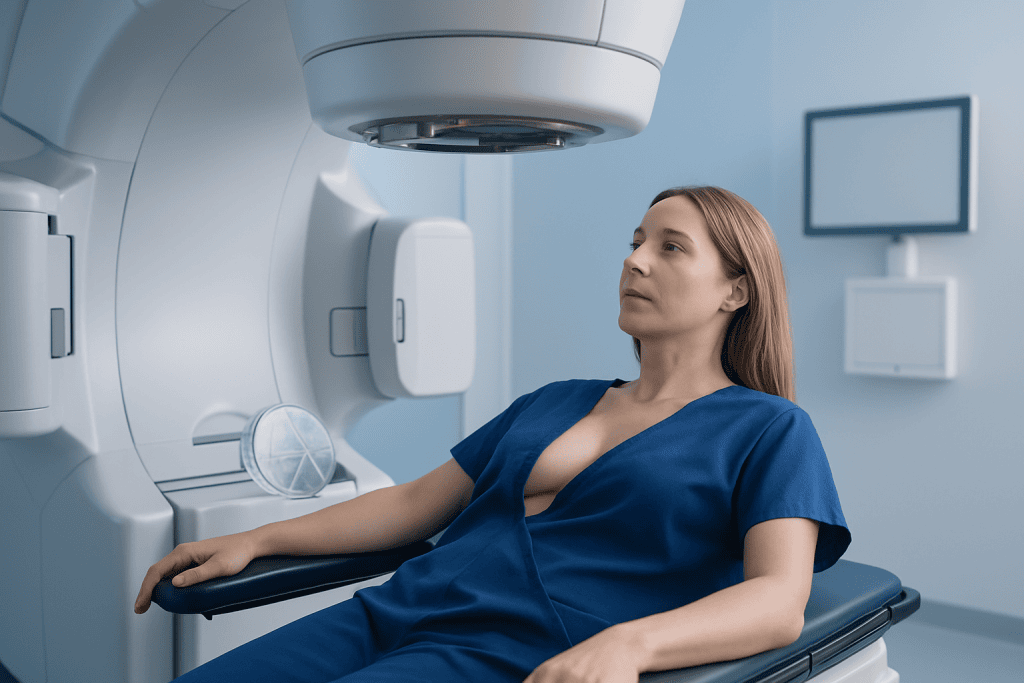
Before treatment starts, patients attend a planning appointment called simulation. They lie in the treatment position, often with the arms raised, while a CT scan maps the breast, chest wall and nearby organs. Small skin marks or tiny tattoo dots may be used to reproduce the same position each day. For left-sided breast cancer, many centers use deep-inspiration breath hold, in which the patient holds a comfortable deep breath for short periods to move the heart farther from the radiation field.
After simulation, the radiation oncologist, medical physicist and dosimetry team create a tailored plan. They define the area needing treatment and set dose limits for nearby healthy structures such as the heart and lungs. This planning stage may take several days to a few weeks. The team may recommend radiation to the whole breast or chest wall, a focused boost to the original tumor site, and/or treatment to lymph node regions.
At each treatment visit, radiotherapy staff help position the patient and use imaging to check alignment. The radiation itself is painless, does not make the patient radioactive and usually takes only a few minutes; the full appointment is often somewhat longer because of setup and verification. Treatment is commonly delivered Monday through Friday. The primary treatment approach is explained further in radiation therapy.
Follow-up visits during the course allow the team to monitor skin, fatigue, comfort and any practical concerns. Patients should mention new symptoms rather than waiting until treatment ends, as supportive care can often improve day-to-day comfort.
How Long Do You Need Radiation for Stage 1 Breast Cancer?
For stage 1 breast cancer treated with lumpectomy, radiation is often delivered over about one to several weeks, depending on the technique and whether a boost is advised. Many modern schedules use a shorter course of whole-breast radiation given over approximately three weeks, while some selected patients may be candidates for an even shorter schedule. A boost to the area where the tumor was removed can add several additional treatments.
The length of treatment is not determined by stage alone. Age, tumor grade, margins, cancer subtype, lymph node findings, breast size and shape, healing after surgery, and whether lymph nodes need treatment all influence the plan. A radiation oncologist can explain the recommended number of sessions and why that schedule is suitable for the individual situation.
For selected people with very low-risk stage 1 disease, the team may discuss whether radiation can be omitted or whether partial-breast irradiation is appropriate. These are individualized decisions and should be based on a careful review of the pathology report and the person’s expected benefit from treatment.
Benefits, Risks and What Not to Do During Breast Radiation
The main benefit of breast radiation is a lower chance that cancer will return in the treated breast, chest wall or regional lymph nodes. Radiation can preserve the breast after lumpectomy and is an important part of local control for many patients. The expected benefit varies, so it is reasonable to ask the oncology team how radiation changes recurrence risk in the specific case.
Common short-term effects include tiredness, breast or chest-wall tenderness, mild swelling, and skin redness, darkening, dryness or itching in the treated area. These effects often build gradually during treatment and may peak in the week or two after it finishes. Longer-term effects can include persistent firmness or change in breast shape, skin color changes, mild swelling, rib tenderness or lymphedema, especially when lymph node areas are treated. Heart and lung effects are uncommon with modern techniques but remain important considerations, particularly for left-sided treatment.
What not to do during breast radiation? Patients should not apply creams, powders, deodorants, perfumes, heat packs or adhesive products to the treatment area unless their radiation team says they are suitable. They should avoid sun exposure or tanning of treated skin, very hot baths or saunas, tight friction-causing clothing, and activities that irritate broken skin. Smoking can impair healing and may increase treatment-related risks, so stopping is strongly encouraged.
Gentle washing with lukewarm water, patting the skin dry, wearing soft loose clothing, maintaining nutrition and hydration, and taking light activity as tolerated are usually helpful. Skin-care instructions differ between centers and plans, so the care team’s specific advice should take priority.
Recovery Timeline: How Long After Radiation for Breast Cancer Will I Feel Better?
Recovery varies, but many people notice that fatigue and skin irritation begin to improve within several weeks after radiation ends. Because radiation effects continue briefly after the final session, skin redness, tenderness or peeling may worsen for about one to two weeks before improving. More complete skin healing often takes several weeks, and changes in color or texture may fade gradually over months.
Energy can return at different rates. Some patients feel close to their usual level within a few weeks, while others need a few months, particularly if they are also recovering from surgery, receiving endocrine therapy, managing anemia or coping with emotional stress. Returning to normal routines gradually, resting when needed and keeping follow-up appointments can support recovery.
Breast swelling, firmness or sensitivity may settle slowly over months. Gentle range-of-motion exercises and individualized physiotherapy may be useful, especially after lymph node surgery. Patients should report ongoing or worsening arm swelling, reduced shoulder movement, breast pain or tightness, as these symptoms may benefit from early assessment and rehabilitation.
Follow-up care includes regular clinical examinations and recommended breast imaging. Radiation oncology follow-up also gives patients an opportunity to discuss persistent side effects, cosmetic changes and any concerns about recurrence.
What I Wish I Knew Before Radiation
Many patients find it helpful to know that the daily treatment is usually brief and painless, but the planning process is highly detailed. The treatment team will focus closely on positioning and imaging because small adjustments help deliver radiation accurately. Wearing a two-piece outfit can make changing easier, and arranging transport or support in advance may reduce stress during weekday visits.
It is also useful to expect that side effects are often gradual rather than immediate. Keeping a simple record of fatigue, skin changes and questions can help the team respond promptly. Patients should tell staff about skin sensitivity, pain, prior surgery complications, implants or expanders, pacemakers, medications and any difficulty lying flat or holding their breath.
Emotional reactions are common as active treatment continues after surgery. Support from family, breast cancer nurses, mental health professionals, rehabilitation specialists and peer groups can be valuable. Questions about work, travel, exercise, sexual well-being, body image and reconstruction are appropriate to raise with the oncology team.
Acibadem International’s multidisciplinary specialists and JCI-accredited hospitals can coordinate diagnosis and treatment planning for international patients with breast cancer.
When to Seek Medical Care
Patients should contact their radiation or oncology team promptly if they develop a fever, rapidly worsening redness or swelling, pus-like drainage, significant skin blistering or open wounds, uncontrolled pain, or symptoms that make eating, drinking or usual self-care difficult. New shortness of breath, chest pain, coughing up blood, sudden arm swelling or severe weakness should be assessed urgently.
It is also important to report persistent breast or chest-wall swelling, a new lump, progressive shoulder stiffness, numbness or tingling, or arm heaviness. These symptoms do not always mean a serious problem, but early assessment can identify treatable causes such as infection, fluid buildup, nerve irritation or lymphedema.
Routine follow-up is essential even when recovery appears smooth. The care team will advise when mammography or other imaging should resume and which changes merit earlier review. Patients should not delay contacting a qualified clinician if they are worried about a new or changing symptom.
Frequently asked questions
Is radiation for breast cancer painful?
The radiation delivery itself is painless and patients do not feel the beams as they are given. Some people develop skin tenderness, warmth or breast discomfort gradually during treatment or shortly afterward, and the team can recommend ways to manage these effects.
Does breast radiation make a person radioactive?
No. External beam radiation does not leave radiation in the body, so patients are not radioactive after each session. They can generally be around family members, children and pregnant people as usual unless their care team gives different instructions for a specific internal radiation treatment.
Can radiation be given after breast reconstruction?
Yes, radiation can be given after reconstruction when it is needed, but it may affect healing and the appearance or feel of reconstructed tissue over time. The breast surgeon, plastic surgeon and radiation oncologist should coordinate the timing and type of reconstruction.
Can I work and exercise during breast radiation?
Many people continue working and doing light-to-moderate exercise, depending on their energy level and other treatments. Rest, flexible scheduling and gentle activity are often helpful; strenuous activity should be adjusted if it worsens fatigue, rubbing or skin irritation.
What happens if I miss a radiation appointment?
Patients should contact the radiation department as soon as possible if they cannot attend. The team will usually reschedule the session and advise whether any adjustment to the overall timetable is needed.
Will I lose my hair during breast radiation?
Breast radiation does not cause scalp hair loss because the scalp is not in the treatment field. Hair may thin only in areas that receive radiation, which is uncommon for standard breast treatment.
References
- National Cancer Institute
- American Cancer Society
- American Society for Radiation Oncology
- National Comprehensive Cancer Network
- European Society for Medical Oncology
This article is for general information only and is not a substitute for professional medical advice. Please consult a qualified doctor about your individual situation.
Breast Cancer in Turkey — costs, top hospitals & a free quote
JCI-accredited · board-certified surgeons · reply within 24h
Add us as a Preferred Source to see more of our trusted health content across Google Search, AI Overviews and Discover.