Soft Tissue Sarcoma Therapy: How It Works, Results and What to Expect
Treatment depends on the sarcoma subtype, size, grade, location and whether it has spread. Surgery is often the main treatment for localized soft tissue sarcoma, with the goal of removing the tumor completely.
Key Takeaways
- Treatment depends on the sarcoma subtype, size, grade, location and whether it has spread.
- Surgery is often the main treatment for localized soft tissue sarcoma, with the goal of removing the tumor completely.
- Radiation therapy may be used before or after surgery to lower the chance of local recurrence.
- Drug treatments are most often considered for higher-risk, advanced, recurrent or metastatic sarcoma.
- Care is best planned by a multidisciplinary sarcoma team because these tumors are uncommon and diverse.
Soft tissue sarcoma therapy is individualized treatment for cancers that begin in muscles, fat, nerves, blood vessels or other connective tissues. It commonly combines surgery with radiation therapy and, for selected cases, systemic medicines such as chemotherapy, targeted therapy or immunotherapy.
Overview: how soft tissue sarcoma therapy works
Soft tissue sarcoma therapy aims to remove or control a cancer arising in the body’s connective tissues, such as muscle, fat, fibrous tissue, nerves and blood vessels. Treatment is not one single procedure. Instead, a specialist team develops a plan based on the exact sarcoma type, where it began, its size and grade, and whether it has spread beyond its original site.
For a tumor that is confined to one area, surgery is commonly the central treatment. Radiation therapy may be given before or after surgery to reduce the likelihood that cancer returns in the same area. Some people also need medicines that travel through the bloodstream, including chemotherapy, targeted therapy or immunotherapy, particularly when the sarcoma is high risk, cannot be fully removed, has returned or has spread.
There are many subtypes of soft tissue sarcoma, and they can behave differently. For this reason, pathology review by clinicians experienced in sarcoma and coordinated planning before treatment begins are important parts of care.
How doctors choose the right treatment plan
Before recommending therapy, doctors confirm the diagnosis with a core needle biopsy whenever possible. The biopsy is ideally planned by the team that may perform surgery, because the biopsy pathway can matter for later tumor removal. A pathologist examines the tissue and may use specialized testing to identify the sarcoma subtype.
Imaging helps show the tumor’s size, depth and relationship to important structures. Magnetic resonance imaging is often useful for sarcomas in an arm, leg or pelvis, while CT scans may be used for tumors in the chest or abdomen. Because some sarcomas can spread to the lungs, chest imaging is frequently part of staging.
The team also considers the person’s general health, age, daily activities, treatment priorities and ability to undergo rehabilitation. A small, low-grade tumor may be treated with surgery alone, whereas a larger or high-grade tumor near nerves, vessels or vital organs may benefit from combined treatment and careful reconstructive planning.
Many patients are discussed at a multidisciplinary meeting involving surgical oncologists or orthopedic oncologists, medical oncologists, radiation oncologists, radiologists, pathologists, rehabilitation professionals and other specialists as needed. This approach helps balance cancer control with preservation of function.
Main soft tissue sarcoma therapy options
Surgery removes the tumor along with a margin of normal-looking tissue around it. The aim is to remove the cancer completely while preserving the limb, organ function and appearance whenever safely possible. Limb-sparing surgery is now feasible for many sarcomas of the arms and legs, although reconstruction with plastic surgery techniques, grafts or flaps may sometimes be required.
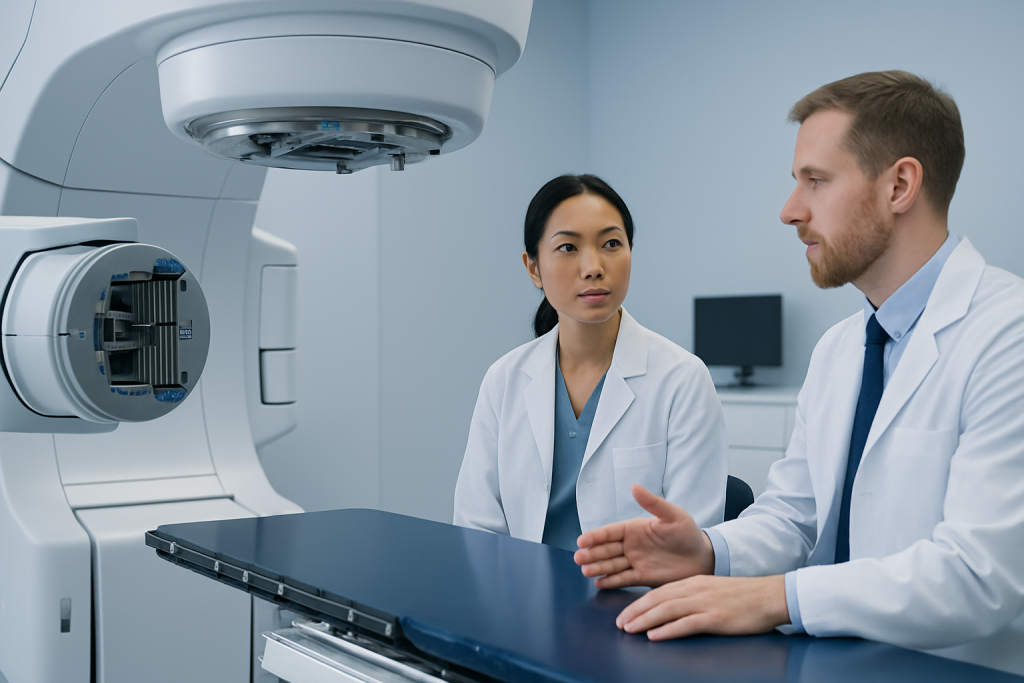
Radiation therapy uses focused high-energy beams to damage cancer cells. It may be delivered before surgery to shrink or contain the tumor, or after surgery to address the risk of microscopic cells remaining in the area. The timing is individualized: preoperative radiation may involve a smaller treatment field, while postoperative radiation may be preferred in other clinical situations. Radiation therapy for cancer is planned carefully to protect nearby healthy tissue.
Systemic therapy refers to medicines that circulate through the body. Chemotherapy may be considered before surgery for selected high-risk tumors, after surgery in particular circumstances, or for advanced disease. Targeted medicines and immunotherapy can be useful for certain sarcoma subtypes, molecular findings or treatment situations, but they are not appropriate for every patient.
Some tumors may require more specialized approaches. For example, sarcomas in the abdomen or behind the abdominal organs can involve complex surgery, and tumors affecting bone or joints may require coordination with orthopedic oncology care. Clinical trials may also be discussed when suitable, especially for rare subtypes or advanced disease.
What happens during treatment: a step-by-step pathway
After diagnosis and staging, the care team explains the recommended sequence of treatment and the expected goals. If radiation or systemic therapy is advised before surgery, treatment begins with planning scans, blood tests and discussions about possible effects. Radiation is generally delivered in short outpatient sessions on weekdays over several weeks, while medicine schedules vary by drug and regimen.
Before surgery, the surgeon reviews the planned incision, expected tissue removal, potential need for reconstruction and the likely effect on movement or organ function. An anesthesiologist assesses fitness for anesthesia. Patients may also meet physiotherapists or occupational therapists in advance when surgery involves a limb, shoulder, pelvis or abdominal wall.
During surgery, the surgeon removes the tumor and a planned margin of surrounding tissue. The operation’s length and complexity depend on the tumor site. Nearby nerves, blood vessels, tendons or organs may need to be carefully separated, repaired or reconstructed. The removed tissue is examined by pathology to assess the margins, subtype and other features that guide next steps.
Following surgery, the team reviews the final pathology results. Depending on the findings, the plan may include radiation, systemic therapy, surveillance imaging or further surgery in uncommon circumstances. Decisions are revisited over time, since the plan can be adjusted to response, recovery and new information.
Benefits, limitations and possible risks
The main potential benefit of localized soft tissue sarcoma therapy is long-term control or cure. Surgery can remove a tumor entirely, and radiation or systemic therapy may lower recurrence risk in selected situations. In advanced sarcoma, treatment may slow tumor growth, relieve symptoms, preserve function and support quality of life.
No treatment can guarantee that sarcoma will not return. The likelihood of recurrence differs substantially according to tumor subtype, grade, size, depth, surgical margins and spread at diagnosis. Regular follow-up is therefore a routine part of care, even after successful treatment.
Surgical risks include bleeding, infection, wound-healing problems, fluid collection, numbness, weakness, stiffness and changes in appearance or function. The risks are influenced by the tumor’s location and the amount of tissue that must be removed. Reconstruction and rehabilitation can help many people regain mobility and independence.
Radiation can cause skin irritation, fatigue, swelling and stiffness in the treated area, with possible later effects on tissue flexibility, bone strength, nerves or nearby organs. Chemotherapy, targeted therapy and immunotherapy each have different side effects, such as fatigue, low blood counts, nausea, bowel changes, skin reactions or immune-related inflammation. The oncology team monitors for side effects and can recommend supportive care.
Recovery timeline, rehabilitation and follow-up
Recovery varies widely. After a smaller operation, a person may return home within a short period and gradually resume routine activities over several weeks. More extensive surgery, reconstruction or surgery involving the pelvis, abdomen, chest wall or major limb muscles can require a longer hospital stay and a recovery period of months.
Wound care, pain control and gradual activity are important early after surgery. Physiotherapy can improve strength, range of motion, balance and walking ability. Occupational therapy may help people adapt daily tasks, work activities or self-care when treatment affects an arm or hand. The rehabilitation plan is tailored to the body area treated and the person’s goals.
Follow-up visits usually include physical examinations and imaging at intervals determined by the sarcoma subtype and recurrence risk. Imaging may focus on the original tumor location and the chest. Follow-up schedules commonly become less frequent over time, but patients should continue attending recommended appointments.
Emotional support is also part of recovery. A rare cancer diagnosis and prolonged treatment can affect mood, relationships and work. Speaking with the clinical team, a counselor, social worker or support organization may help patients and families manage practical and emotional concerns.
When to seek medical care
A new lump should be assessed by a doctor if it is enlarging, painful, deep beneath the skin, firm or larger than a small golf ball. A mass that returns after removal, or a swelling associated with unexplained weakness, numbness or reduced movement, also deserves medical review. Most lumps are not sarcoma, but timely assessment helps identify the cause.
People already receiving treatment should contact their care team promptly for fever, increasing redness or drainage from a wound, uncontrolled pain, sudden swelling, shortness of breath, chest pain, persistent vomiting or any new symptom that feels severe or unusual. The team can advise whether urgent evaluation is needed.
For a confirmed or suspected sarcoma, seeking assessment at a center with sarcoma expertise before an unplanned excision is especially valuable. Acibadem International’s multidisciplinary specialists and JCI-accredited hospitals diagnose and treat soft tissue sarcoma for international patients, with treatment plans coordinated around pathology, imaging, surgery and oncology care.
Frequently asked questions
What is the most common soft tissue sarcoma therapy?
Surgery is commonly the main treatment for localized soft tissue sarcoma. Radiation therapy may be added before or after surgery, while medicines such as chemotherapy are used in selected higher-risk or advanced cases. The best approach depends on the sarcoma subtype and stage.
Can soft tissue sarcoma be cured?
Many localized soft tissue sarcomas can be treated with curative intent, often using surgery with or without radiation therapy. Outcomes vary according to factors such as tumor grade, size, location, subtype and whether it has spread. The treating team can explain the outlook for the individual situation.
Is chemotherapy always needed for soft tissue sarcoma?
No. Chemotherapy is not routinely needed for every soft tissue sarcoma. It may be considered for some high-grade, large, recurrent, unresectable or metastatic tumors, and its role differs among sarcoma subtypes.
How long does radiation therapy for sarcoma take?
External beam radiation therapy is often given on weekdays over several weeks, although the exact schedule varies. Planning appointments are needed before treatment begins. The radiation oncologist will explain the number of sessions, expected side effects and how the schedule fits with surgery.
Will surgery for a sarcoma require amputation?
Amputation is uncommon for many sarcomas of the arms and legs because surgeons can often remove the tumor while preserving the limb. However, it may be considered when complete removal cannot otherwise be achieved safely or when function would be severely compromised. This decision is made carefully with the patient and multidisciplinary team.
What follow-up is needed after soft tissue sarcoma treatment?
Follow-up generally includes regular examinations and imaging of the treated area and chest. The schedule is tailored to the tumor’s subtype, grade, stage and recurrence risk. Patients should also report new lumps, persistent pain, breathing symptoms or other concerning changes between scheduled visits.
References
- National Cancer Institute
- American Cancer Society
- European Society for Medical Oncology
- National Comprehensive Cancer Network
- Cancer Research UK
This article is for general information only and is not a substitute for professional medical advice. Please consult a qualified doctor about your individual situation.
Oncology care in Turkey — second opinion and treatment plan
JCI-accredited · board-certified surgeons · reply within 24h
Add us as a Preferred Source to see more of our trusted health content across Google Search, AI Overviews and Discover.