Can Immunotherapy Cure Stage 4 Cancer: How It Works, Results and What to Expect

Immunotherapy helps the immune system recognize and attack cancer cells, but it does not work for every stage 4 cancer. A small proportion of people with certain cancers may have long-lasting complete responses, sometimes described as durable remission.
Key Takeaways
- Immunotherapy helps the immune system recognize and attack cancer cells, but it does not work for every stage 4 cancer.
- A small proportion of people with certain cancers may have long-lasting complete responses, sometimes described as durable remission.
- Testing the tumor for biomarkers can help doctors estimate whether immunotherapy is likely to help.
- Response monitoring is essential because cancer can grow, remain stable, shrink, or appear temporarily larger before improving.
- Immune-related side effects can affect many organs and need prompt assessment by the oncology team.
Immunotherapy does not reliably cure stage 4 cancer, but some people have deep, durable responses that can keep cancer controlled for many years. Its potential depends on the cancer type, tumor biology, overall health, previous treatments, and the specific immunotherapy used.
Can Immunotherapy Cure Stage 4 Cancer?
Can immunotherapy cure stage 4 cancer? In most cases, it cannot promise a cure. However, for a subset of people with particular advanced cancers, immunotherapy can cause a complete and long-lasting response, meaning no cancer may be detectable on scans for an extended period.
Stage 4 cancer, also called metastatic cancer, has spread from its original site to distant organs or tissues. Treatment is usually aimed at controlling cancer, easing symptoms, preserving daily function, and helping people live as long and as well as possible. For some cancers, modern immunotherapy has changed the outlook by producing durable benefit in people who respond.
The result is highly individual. Cancer type, extent of spread, tumor markers, prior treatment, immune health, and the medicine used all influence outcomes. An oncology team can explain what immunotherapy may realistically achieve for a specific diagnosis rather than relying on a general prediction.
How Immunotherapy Works Against Advanced Cancer
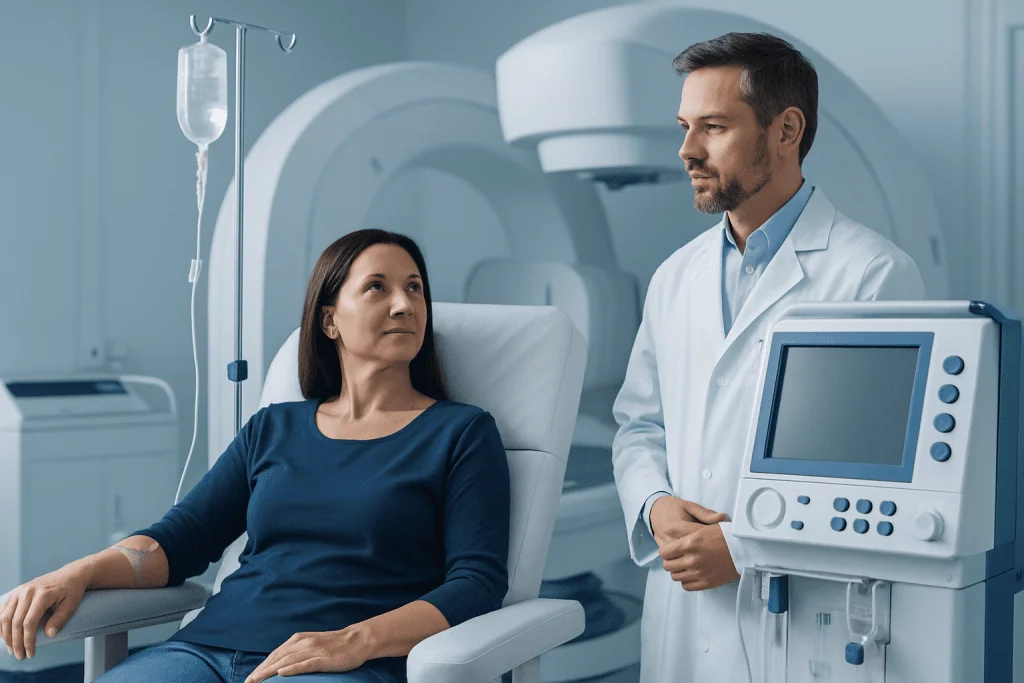
The immune system normally identifies and removes abnormal cells. Cancer cells can sometimes avoid this surveillance by using “checkpoint” signals that slow immune responses. Checkpoint inhibitor medicines release some of these brakes, allowing immune cells, especially T cells, to recognize and attack cancer more effectively.
Checkpoint inhibitors are the most widely used form of immunotherapy for metastatic solid tumors. Other approaches may include monoclonal antibodies, cancer vaccines, oncolytic viruses, cytokine treatment, and cellular therapies such as CAR T-cell therapy for selected blood cancers. These treatments work differently and are appropriate only for particular conditions.
Immunotherapy may be used alone, with chemotherapy, with targeted therapy, or around radiation or surgery in carefully chosen situations. The treatment plan is based on evidence for the specific cancer and on a person’s goals, symptoms, and overall medical condition.
Doctors often test tumor tissue or blood for biomarkers. Depending on the cancer, these may include PD-L1 expression, microsatellite instability or mismatch-repair deficiency, tumor mutational burden, and certain genetic changes. A favorable biomarker can support treatment selection, but it does not guarantee a response.
Who May Be a Candidate for Immunotherapy?

Eligibility begins with a precise diagnosis. The oncology team confirms the cancer’s original site, stage, pathology, molecular profile, previous treatments, and whether there are symptoms or organ problems requiring urgent care. Imaging and laboratory tests help establish a clear starting point before treatment.
People may be considered for immunotherapy when their cancer has an approved indication, when biomarker testing supports its use, or when research and clinical guidelines support treatment regardless of a biomarker. Some cancers, including melanoma, lung cancer, kidney cancer, bladder cancer, head and neck cancer, liver cancer, colorectal cancer with certain biomarkers, and several blood cancers, may be treated with immunotherapy in appropriate cases.
Medical history matters because activating the immune system can worsen some autoimmune diseases or cause complications after an organ transplant. These factors do not automatically rule out treatment, but they require individualized specialist assessment. Active infection, severe frailty, organ dysfunction, and the need for high-dose immune-suppressing medicine may also affect the plan.
A multidisciplinary review can be useful for complex metastatic disease. Medical oncologists may work with pathologists, radiologists, surgeons, radiation oncologists, organ specialists, palliative-care clinicians, nurses, and nutrition professionals to coordinate care.
What Happens During Immunotherapy Treatment?
Before treatment starts, the team reviews pathology results, scans, blood tests, medicines, allergies, previous cancer therapies, and symptoms. They explain the intended benefit, alternatives, possible side effects, and the schedule for follow-up. Some people may need a biopsy or additional molecular testing before a final decision is made.
Most checkpoint inhibitor treatments are given by intravenous infusion in an outpatient clinic or infusion center. The visit generally includes a symptom review and, when needed, blood tests to check organ function. The infusion itself is usually completed over a relatively short appointment, though observation may be longer during early treatments or if a reaction is suspected.
Treatment is repeated at intervals determined by the particular medicine and treatment plan. Scans are performed periodically to assess response. Doctors do not judge benefit from symptoms alone, because some people feel well even when cancer is changing and others may have symptoms from treatment rather than the cancer.
In selected blood cancers, cell-based immunotherapy follows a more involved pathway. It may involve collecting immune cells, preparing them in a laboratory, chemotherapy to prepare the body, hospital-based infusion, and close monitoring afterward. The care team will explain this process when it is relevant.
Benefits, Limits and Possible Risks
The main potential benefit is durable cancer control. Some people experience tumor shrinkage, fewer cancer-related symptoms, or prolonged stable disease. A smaller group may have a complete response that lasts for years. When this happens, it can be clinically significant, but doctors still continue appropriate surveillance because outcomes vary.
Immunotherapy also has limits. Some tumors do not respond at all, and others respond initially but later become resistant. The chance of benefit is not the same across cancer types, and treatment should be reassessed when scans, symptoms, or laboratory results show that it is no longer helping or is causing unacceptable harm.
Because immunotherapy activates immune activity, side effects can result from inflammation in normal tissues. Common effects include fatigue, rash, itching, diarrhea, nausea, joint aches, and thyroid changes. Less common but potentially serious effects can involve the lungs, colon, liver, kidneys, heart, nerves, hormone-producing glands, or other organs.
New or worsening symptoms should be reported promptly, even if they seem mild. Early recognition often allows side effects to be managed with treatment pauses, corticosteroids, hormone replacement, other immune-suppressing medicines, or specialist care. Patients should not start or stop medicines for suspected side effects without advice from their oncology team.
Can You Beat Stage 4 Cancer With Immunotherapy?
Some people do achieve a deep and lasting response to immunotherapy, and everyday language may describe this as “beating” cancer. In clinical practice, doctors are careful with this term because metastatic cancer can sometimes return after a period of remission, even after an excellent response.
A complete response means imaging and other available assessments show no evidence of detectable cancer. It is encouraging, but it is not always the same as a confirmed cure. The longer a complete response continues after treatment, the more reassuring it may be, although follow-up remains important.
It is reasonable for a person to ask their oncologist about the goals of treatment: whether the aim is tumor shrinkage, long-term disease control, a chance of durable remission, symptom relief, or a combination of these. Clear discussions can help align treatment decisions with personal priorities and quality of life.
Can Cancer Spread While on Immunotherapy?
Yes. Cancer can grow or spread while a person is receiving immunotherapy if the treatment is not effective or if the cancer develops resistance. This is why regular scans, blood tests, examinations, and symptom reviews are an important part of care.
Occasionally, scans early in treatment may appear worse before later improving. This uncommon pattern is called pseudoprogression and can happen when immune cells enter the tumor, making it look temporarily larger. Doctors interpret imaging alongside symptoms, laboratory results, timing, and sometimes repeat scans before deciding whether treatment is failing.
If cancer is progressing, the oncology team may recommend a different immunotherapy approach, chemotherapy, targeted therapy, radiation for specific areas, a clinical trial, symptom-focused care, or another plan based on the cancer type. A change in treatment is not a failure by the patient; it is a common part of adapting care to the cancer’s behavior.
Which Is Harder on the Body, Chemo or Immunotherapy?
Neither chemotherapy nor immunotherapy is universally harder on the body. They have different mechanisms and side-effect patterns, and the experience varies widely between individuals, drug combinations, doses, and underlying health conditions.
Chemotherapy directly affects rapidly dividing cells, which can lead to fatigue, nausea, appetite changes, low blood counts, infection risk, hair loss with some regimens, and nerve symptoms. Immunotherapy often causes fewer of these traditional chemotherapy effects, but it can trigger immune-related inflammation that may become serious if not recognized early.
For some people, immunotherapy is easier to tolerate day to day; for others, immune-related complications require intensive treatment or hospitalization. When treatments are combined, side effects may be greater. The oncology team weighs expected benefit against risks and monitors each person closely throughout care.
Can You Live 10 Years With Stage 4 Cancer?
Yes, some people live 10 years or longer with stage 4 cancer, particularly with cancers that can be controlled for extended periods or that respond deeply to modern treatment. However, it is not possible to predict an individual life expectancy accurately from stage alone.
Long-term outlook depends on the primary cancer, where it has spread, tumor biology, response to treatment, general health, complications, and access to appropriate ongoing care. Population survival figures cannot determine what will happen to one person because they combine many different diagnoses, treatments, and individual circumstances.
People may find it helpful to ask their oncologist what factors are most relevant in their situation and how the treatment response will be measured. Supportive care for pain, nutrition, sleep, mental health, mobility, and family needs can be provided alongside cancer treatment at any stage.
Recovery, Daily Life and When to Seek Medical Care
There is no single recovery timeline during immunotherapy. Many people return home after an infusion and continue ordinary activities, while others need rest for a day or two. Energy levels, appetite, symptoms from cancer, and treatment side effects may change from one cycle to another, so pacing activities and accepting practical support can be helpful.
Patients should contact their oncology team promptly for new or worsening diarrhea, persistent cough or shortness of breath, fever, chest pain, severe fatigue, yellowing of the skin or eyes, confusion, severe headache, major rash, reduced urination, or sudden weakness. These symptoms can have many causes, but prompt review is important during immunotherapy.
Emergency care is needed for severe difficulty breathing, chest pressure, fainting, seizures, signs of a severe allergic reaction, uncontrolled bleeding, or sudden neurological symptoms such as facial drooping, inability to speak, or weakness on one side. The person should inform emergency clinicians that they are receiving immunotherapy.
Acibadem International’s multidisciplinary specialists and JCI-accredited hospitals assess and treat complex cancer conditions for international patients, with treatment plans guided by the cancer type, pathology, and individual needs.
Frequently asked questions
How long does immunotherapy take to work in stage 4 cancer?
Some people show signs of response within weeks or a few months, while others need longer before scans can show whether treatment is helping. The timing depends on the cancer type, treatment used, and how the tumor behaves. Regular imaging and clinical review are needed to assess benefit.
Does immunotherapy work for all stage 4 cancers?
No. Immunotherapy is effective for some cancer types and some tumor profiles, but many cancers do not respond. Biomarker testing and pathology review can help identify whether it is an evidence-based option. An oncologist can explain the likely role in a specific diagnosis.
Can immunotherapy make cancer worse at first?
Rarely, early scans can appear to show growth before later improvement, a pattern called pseudoprogression. More commonly, apparent growth means the cancer is progressing despite treatment. The oncology team uses scans, symptoms, examination findings, and sometimes repeat imaging to distinguish these possibilities.
Can immunotherapy be used with chemotherapy?
Yes, certain cancers are treated with immunotherapy and chemotherapy together. The combination may improve the chance of response in selected situations, but it can also increase side effects. The choice depends on the cancer type, biomarkers, prior treatment, and a person’s overall health.
What should a patient avoid while receiving immunotherapy?
Patients should avoid delaying the report of new symptoms and should check with the oncology team before taking new medicines, supplements, or vaccines. There is usually no universal food restriction, but nutrition and infection-prevention advice should be individualized. Alcohol, smoking, and strenuous activity should be discussed when they affect liver health, symptoms, or recovery.
Can immunotherapy be stopped after a complete response?
Sometimes treatment may be stopped after a planned duration or a sustained complete response, depending on the cancer and medicine used. There is no single rule that applies to all cancers. The decision is made with the oncology team after considering response durability, side effects, and available clinical evidence.
References
- National Cancer Institute
- American Society of Clinical Oncology
- European Society for Medical Oncology
- National Comprehensive Cancer Network
- World Health Organization
This article is for general information only and is not a substitute for professional medical advice. Please consult a qualified doctor about your individual situation.
Immunotherapy in Turkey — costs, top hospitals & a free quote
JCI-accredited · board-certified surgeons · reply within 24h
Add us as a Preferred Source to see more of our trusted health content across Google Search, AI Overviews and Discover.

Medical Oncology Department
Medical treatment of cancer with chemotherapy, immunotherapy and targeted therapies under a multidisciplinary tumor board.
60 specialists in this unit