

Colon Operation: Procedure, Recovery and Results
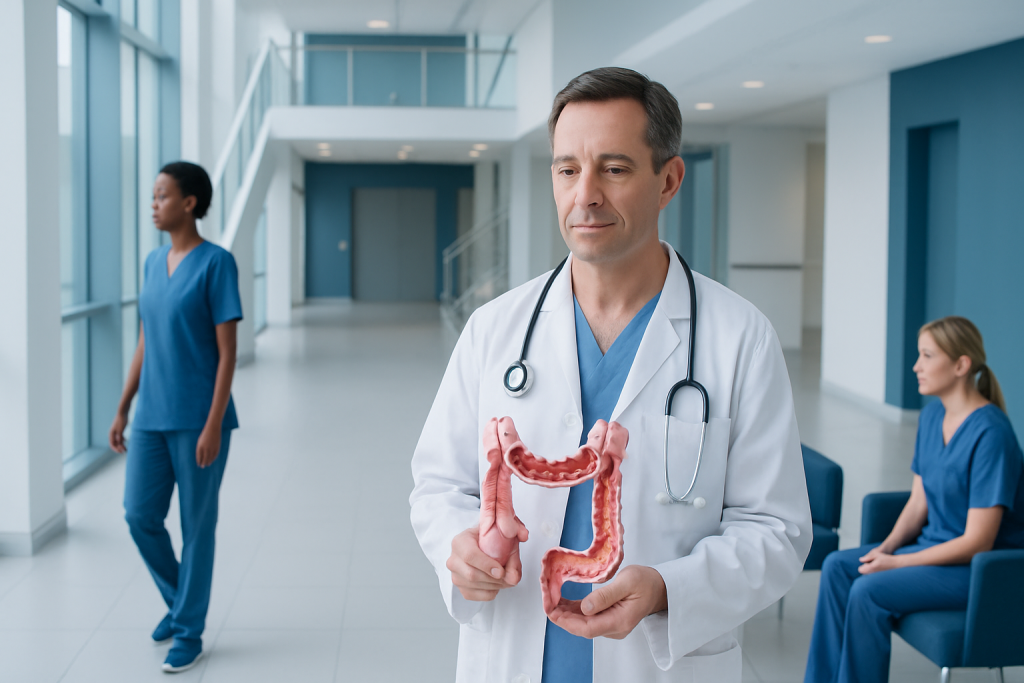
A colon operation may be performed for cancer, diverticular disease, inflammatory bowel disease, bowel obstruction, bleeding or injury. The surgeon removes the affected bowel segment and may reconnect the healthy ends; some people temporarily or permanently need a stoma.
Key Takeaways
- A colon operation may be performed for cancer, diverticular disease, inflammatory bowel disease, bowel obstruction, bleeding or injury.
- The surgeon removes the affected bowel segment and may reconnect the healthy ends; some people temporarily or permanently need a stoma.
- Minimally invasive approaches can support recovery for suitable patients, but open surgery remains important in some situations.
- Bowel habits commonly change after surgery and often improve over time as the bowel adapts.
- Prompt medical review is important for fever, worsening pain, persistent vomiting, wound concerns, or inability to pass stool or gas after discharge.
A colon operation, also called colon resection or colectomy, removes or reconnects part of the large intestine when disease, blockage, injury or cancer cannot be managed safely in other ways. Recovery is individual, but most people gradually return to daily activities over several weeks with support from their surgical and medical teams.
Colon operation: what it is and how it works
A colon operation is surgery on the large intestine, also called the colon. The most common type is a colon resection, or colectomy, in which a surgeon removes a diseased or damaged section of bowel. The remaining healthy sections are usually joined together, allowing stool to continue passing through the digestive tract.
The amount of colon removed depends on the diagnosis and location of the problem. A right, left or sigmoid colectomy removes a specific portion of the colon, while a subtotal or total colectomy removes most or all of it. If the rectum is also involved, the operation may be described as colorectal or colon-rectal surgery.
In some cases, it is not safe to reconnect the bowel immediately. The surgeon may create a stoma, an opening on the abdomen that brings bowel to the skin surface so stool can leave into a pouch. A stoma may be temporary while the bowel heals, or permanent when reconnection is not possible or advisable.
Who may need a colon resection?
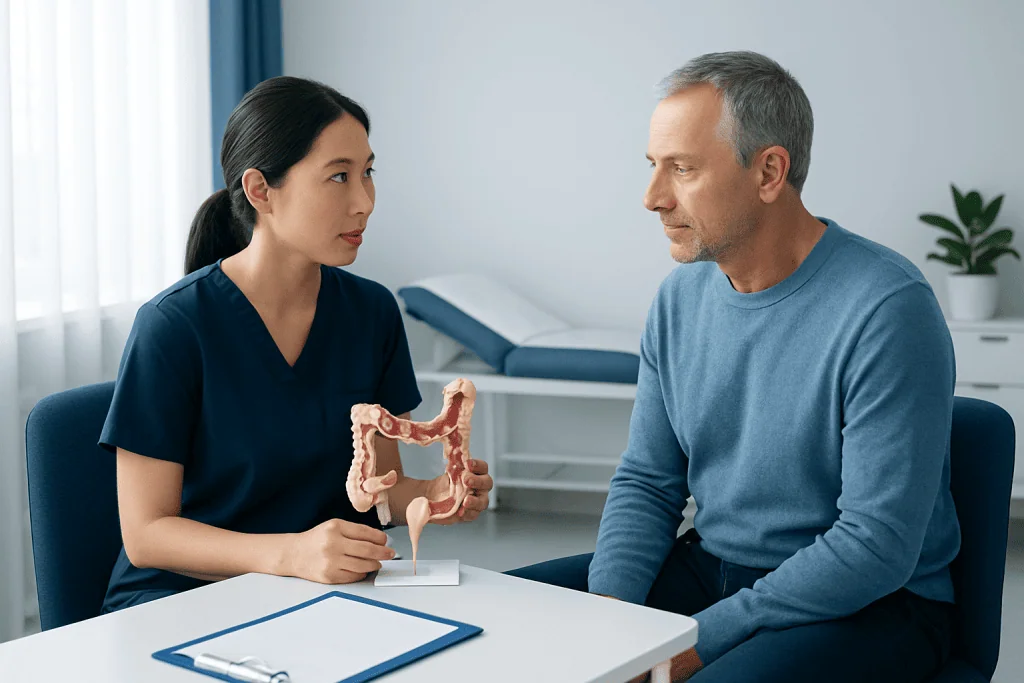
A colon operation is recommended when the expected benefit of surgery outweighs the risks and when less invasive treatments are unlikely to resolve the problem. The reason for surgery strongly influences the type of operation, whether it is planned or urgent, and what recovery may involve.
Common reasons include colon cancer, large polyps that cannot be removed safely during colonoscopy, recurrent or complicated diverticulitis, inflammatory bowel disease, bowel obstruction, reduced blood supply to the bowel, severe bleeding, perforation, and traumatic injury. For cancer, surgery may remove the tumor, a margin of healthy bowel and nearby lymph nodes for examination.
Before a planned operation, the team reviews symptoms, imaging, colonoscopy findings, laboratory tests, medications, nutrition and overall fitness for anesthesia. People with heart, lung, kidney or diabetes-related conditions may need additional assessment and optimization. A colorectal surgeon, gastroenterologist, anesthesiologist, oncologist, dietitian and stoma nurse may all contribute to care when appropriate.
What happens during a colon operation?
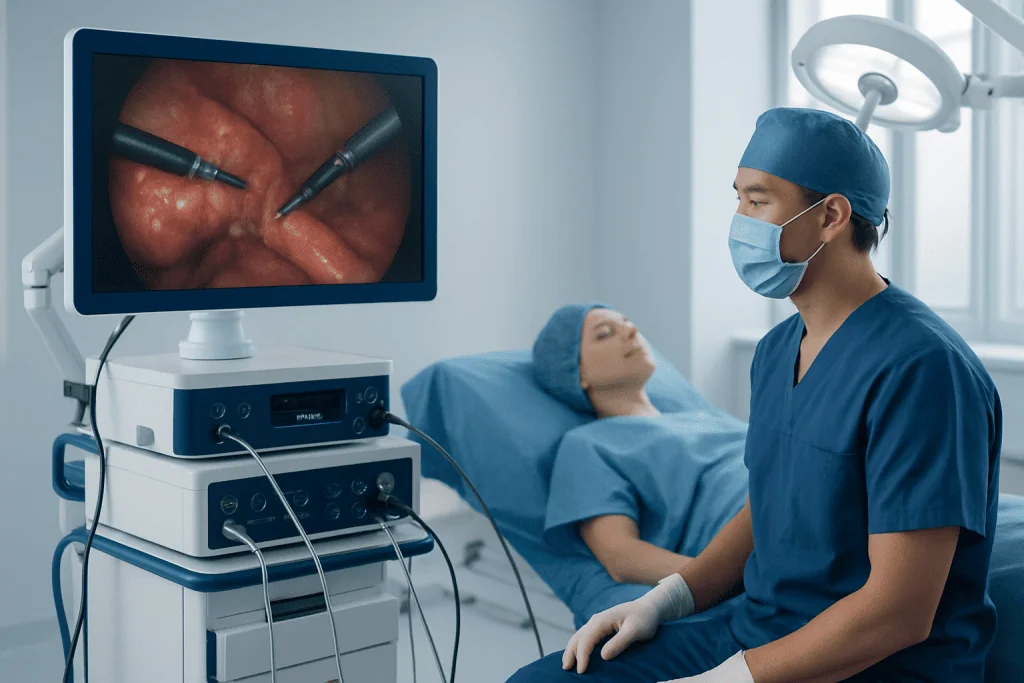
Colon surgery is performed under general anesthesia, so the patient is asleep and does not feel the operation. The procedure may be carried out through an open incision, laparoscopically through several small incisions, or with robotic assistance. The safest approach depends on the condition, prior operations, anatomy, urgency and surgeon expertise.
After accessing the abdomen, the surgeon identifies the affected bowel section and carefully separates it from surrounding tissue and its blood supply. When cancer is being treated, the operation follows established principles to remove the involved segment and relevant lymph nodes. The diseased section is removed, and the healthy ends are commonly joined with sutures, staples or both; this connection is called an anastomosis.
The surgical team checks blood flow and the security of the bowel connection before closing the incisions. If a stoma is required, it is created during the same operation. Tissue removed during surgery is sent to a pathology laboratory, and the final results can guide further treatment, particularly after cancer surgery.
- Before surgery: bowel preparation, fasting instructions and medication adjustments may be needed.
- During surgery: the length varies according to the procedure and complexity.
- After surgery: pain relief, early movement, breathing exercises, clot prevention and gradual reintroduction of food are central parts of care.
Benefits and possible risks
The main benefit of a colon operation is treatment of a condition that is causing symptoms, complications or a threat to health. Surgery may remove cancer, relieve a blockage, control severe inflammation or infection, stop bleeding, or prevent repeated complications from a diseased bowel segment. The expected benefit should be discussed in relation to the person’s diagnosis and treatment goals.
A colon resection is a serious surgery because it involves the abdomen, bowel and general anesthesia. However, it is a commonly performed procedure, and careful preparation, experienced surgical care and structured postoperative monitoring help reduce risk. The risks vary with age, overall health, emergency versus planned surgery, the reason for surgery and the amount of bowel removed.
Possible complications include bleeding, infection, blood clots, pneumonia, injury to nearby organs, delayed return of bowel function, scar-related bowel obstruction, hernia and reactions to anesthesia. A bowel connection can occasionally leak, which may cause infection in the abdomen and may require drainage, antibiotics or further surgery. A surgeon can explain the risks that are most relevant to the individual case.
Colon resection recovery timeline: what to expect
The colon surgery recovery period starts in the hospital. Many patients are encouraged to sit up and walk, often with assistance, as soon as it is safe. Early activity supports circulation, lung function and return of bowel movement. The care team monitors pain, hydration, wound healing, urine output, blood tests and signs that the bowel is beginning to work again.
Hospital stay and colon surgery recovery time differ considerably. A straightforward minimally invasive operation may involve a shorter stay than open surgery, emergency surgery or surgery performed for serious infection or cancer complications. Eating usually resumes gradually, beginning with fluids or easily tolerated foods as directed by the surgical team.
At home, fatigue is common and rest should be balanced with gentle, frequent walking. Many people need several weeks before they feel ready for usual routines, and full recovery can take longer after open surgery, complications or extensive colon-rectal surgery. Lifting restrictions, driving, bathing and return-to-work advice should come directly from the surgical team because they depend on healing and the type of work performed.
Colon resection recovery problems can include constipation, loose stools, cramping, urgency, reduced appetite and tiredness. These often improve as inflammation settles and the bowel adapts, but persistent or worsening symptoms should be discussed with a clinician. Follow-up appointments are used to review pathology, incisions, nutrition, stoma care if needed, and the next steps in treatment or surveillance.
How long do you have to rest after colon surgery?
Most people need a period of reduced activity after colon surgery, but complete bed rest is not recommended unless a clinician advises it. Short walks and regular movement around the home are generally encouraged as recovery progresses, while heavy lifting, strenuous exercise and tasks that strain the abdominal muscles should be avoided until the surgeon confirms they are safe.
Daily activities may become easier over the first few weeks, although tiredness can continue for longer. People recovering from an open operation, emergency procedure, significant illness before surgery or complications may need more time. Returning to desk-based work may be possible sooner than returning to physically demanding work, but timing should be individualized.
Resting well, taking prescribed pain medicine safely, drinking enough fluids, eating according to postoperative advice and accepting practical help can make recovery more manageable. New or increasing pain, marked weakness or difficulty coping at home should be shared with the healthcare team rather than simply waiting for the next visit.
Do you poop more after colon resection? What is life like afterward?
Yes, some people poop more often after a colon resection, especially in the first weeks and months. The colon normally absorbs water and stores stool, so removing part of it can lead to more frequent, softer or looser bowel movements. Urgency, gas and changes in timing can also occur while the bowel adjusts.
Long-term bowel function depends on how much colon was removed, whether the rectum was affected, the original condition and any treatments such as radiation. Many people develop a new routine and can eat, travel, work, exercise and enjoy social life after healing. Some may need dietary adjustments, medication for bowel symptoms, pelvic floor support or specialist follow-up.
Small, regular meals, adequate fluid intake and gradual attention to foods that trigger diarrhea, gas or constipation may be helpful. A food and symptom diary can identify patterns. People with a stoma can also lead active lives with education and support from a specialist stoma nurse.
At Acibadem International, multidisciplinary specialists in JCI-accredited hospitals assess and treat colon conditions for international patients, including surgical planning, postoperative care and coordinated follow-up.
When to seek medical care
After discharge, the surgical team should be contacted promptly for fever, chills, worsening or severe abdominal pain, persistent nausea or vomiting, increasing abdominal swelling, inability to keep fluids down, or failure to pass gas or stool when this is accompanied by discomfort or distension. These symptoms do not always indicate a serious complication, but they need timely assessment.
Medical advice is also important for redness spreading around an incision, pus-like drainage, wound opening, significant bleeding, new shortness of breath, chest pain, calf swelling or sudden weakness. People with a stoma should seek help for major changes in stoma color, persistent leakage, severe skin irritation, or no output together with cramping or vomiting.
For planned surgery, patients should tell their doctor about new illness, fever, cough, medication changes, pregnancy or new symptoms before the procedure. Clear communication with the care team helps ensure that preparation and postoperative advice are tailored to the person’s needs.
Frequently asked questions
Is a colon resection a serious surgery?
Yes. A colon resection is major abdominal surgery performed under general anesthesia, and it has important potential benefits and risks. It is also a well-established operation, and the team plans care around the person’s diagnosis, health status and recovery needs.
How long does it take to recover from a colon operation?
Recovery varies by the type of operation, surgical approach, reason for surgery and whether complications occur. Many people steadily improve over several weeks, while complete recovery may take longer after open, emergency or extensive surgery. The surgeon provides the most reliable timeline for returning to work, driving and exercise.
Do you poop more after colon resection?
More frequent or looser bowel movements are common after part of the colon is removed. The bowel often adapts over time, although some people continue to have changes in frequency, urgency or stool consistency. Persistent symptoms can be assessed and treated by the surgical or gastroenterology team.
Will I need a colostomy bag after colon surgery?
Not everyone needs a stoma or colostomy bag. When one is needed, it may be temporary to protect a bowel connection while it heals, or permanent if reconnection is not safe or possible. The surgeon and stoma nurse explain the reason, expected duration and practical care before surgery whenever circumstances allow.
What can I eat after colon surgery?
Diet usually returns gradually, starting with foods and fluids that are easy to tolerate according to the surgical team’s instructions. Some people temporarily benefit from smaller meals and limiting foods that worsen gas, diarrhea or discomfort. Individual nutrition advice is particularly important after extensive surgery or if appetite and weight are affected.
What are warning signs after colon surgery?
Fever, worsening abdominal pain, persistent vomiting, increasing swelling, wound drainage, inability to drink, chest pain or shortness of breath require prompt medical advice. A person should also contact the team for concerning stoma changes or unusual bleeding. Early review can help identify problems before they become more difficult to treat.
References
- American Society of Colon and Rectal Surgeons
- National Institute of Diabetes and Digestive and Kidney Diseases
- National Cancer Institute
- Mayo Clinic
- NHS
This article is for general information only and is not a substitute for professional medical advice. Please consult a qualified doctor about your individual situation.
Persistent digestive symptoms? Get evaluated in Turkey
JCI-accredited · board-certified surgeons · reply within 24h
Add us as a Preferred Source to see more of our trusted health content across Google Search, AI Overviews and Discover.

More from the Health Library



Related Specialists

Dt. Berna Mercangöz
Oral & Dental Health
Dr. Ümran Karabulut Doğan
Gynecology & Obstetrics
Dr. Alper Gölpınar
Orthopedic Surgery & Traumatology
Assoc. Prof. Dr. Ahmet Yeşilyurt
Medical Genetics