Adjuvant Treatment: How It Works, Results and What to Expect

Adjuvant treatment is additional therapy used after primary cancer treatment, often surgery. Its purpose is to treat possible microscopic cancer cells and lower recurrence risk.
Key Takeaways
- Adjuvant treatment is additional therapy used after primary cancer treatment, often surgery.
- Its purpose is to treat possible microscopic cancer cells and lower recurrence risk.
- The recommended treatment depends on cancer type, stage, pathology results, biomarkers, and overall health.
- Adjuvant chemotherapy can cause side effects, but the infusion itself is usually not painful beyond needle or IV discomfort.
- Follow-up visits, blood tests, symptom management, and recovery planning are important throughout treatment.
Adjuvant treatment is cancer care given after the main treatment, usually surgery, to reduce the chance that cancer cells remain and later cause a recurrence. It may involve chemotherapy, radiation therapy, hormone therapy, targeted therapy, immunotherapy, or a planned combination based on the cancer type and individual risk.
Overview: What Is Adjuvant Treatment?
Adjuvant treatment is additional cancer therapy given after the primary treatment, most often surgery, to lower the risk that cancer will return. It is used because very small clusters of cancer cells can sometimes remain in the body even when scans, surgery results, and examinations show no visible cancer. These cells cannot always be detected, but treatment may help eliminate them.
In simple terms, to define adjuvant treatment, it is treatment intended to strengthen the results of the first, main cancer treatment. The adjuvant treatment setting commonly follows surgery, although it may also follow another definitive approach. Depending on the diagnosis, adjuvant treatment of cancer may include chemotherapy, radiotherapy, hormone therapy, targeted medicines, immunotherapy, or more than one of these options.
Not every person needs adjuvant therapy. Oncologists weigh its likely benefit against possible side effects, the person’s health, cancer biology, and personal priorities. The decision is individualized and is usually discussed by a multidisciplinary cancer team.
How Adjuvant Treatment Works
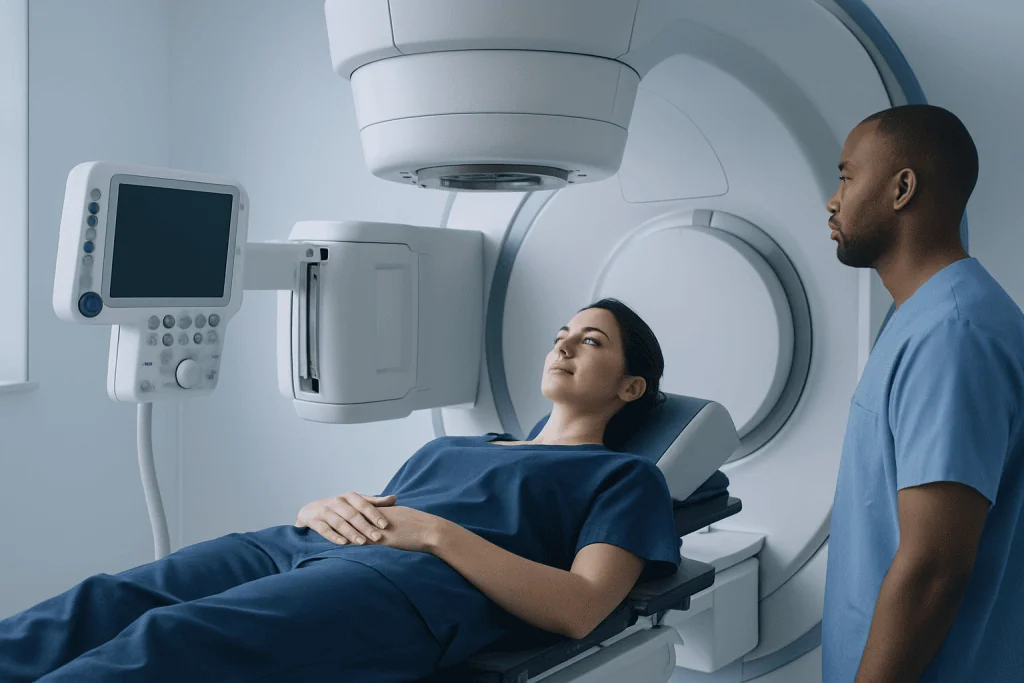
The main purpose of adjuvant treatment is to reduce the likelihood of recurrence. Surgery can remove the known tumor and nearby tissue, but it cannot always confirm that no cancer cells have moved beyond the surgical area. Systemic treatments, such as chemotherapy or targeted therapy, circulate through the body and can address cells outside the original tumor site. Radiation therapy works locally, targeting a specific area where recurrence risk may be higher.
Adjuvant techniques are therefore different approaches that support the primary treatment. Chemotherapy damages or prevents the growth of rapidly dividing cancer cells. Hormone therapy blocks hormonal signals that fuel certain cancers. Targeted therapy acts on specific changes in cancer cells, while immunotherapy helps the immune system recognize and attack cancer cells. The right method depends on the particular cancer and its molecular or hormone-receptor features.
Adjuvant therapy is different from neoadjuvant therapy, which is given before surgery or another main treatment. Neoadjuvant care may be used to shrink a tumor or assess its response to medicine, while adjuvant care is intended to lower the risk of disease returning after the main treatment has been completed.
Who Is a Candidate for Adjuvant Therapy?

A candidate for adjuvant therapy is someone whose cancer has been treated with curative intent but who may still have a meaningful risk of recurrence. The recommendation is based on more than the cancer stage alone. Doctors consider the tumor’s size, grade, lymph-node involvement, surgical margins, whether cancer has invaded blood or lymph vessels, and the presence of particular biomarkers or genetic changes.
Overall health also matters. The oncology team considers age, daily functioning, heart, kidney, liver, nerve, and bone marrow health, as well as other medications and medical conditions. The expected benefit should be sufficient to justify the potential short- and long-term effects of treatment. For some lower-risk cancers, careful follow-up without additional therapy may be the preferred option.
Decisions are often made after review of the surgical pathology report and, when appropriate, genomic or molecular testing. A person should feel comfortable asking what recurrence risk is being addressed, how much a recommended treatment may help, what alternatives exist, and what side effects are most relevant to their situation.
When Would an Oncologist Use Adjuvant Chemotherapy?
An oncologist may use adjuvant chemotherapy after surgery when there is a risk that microscopic cancer cells could remain elsewhere in the body. It is commonly considered for certain breast, colon, lung, ovarian, pancreatic, bladder, and other cancers, but its role varies widely by diagnosis. In some cancers, chemotherapy is routine for particular stages; in others, it is offered only when pathology findings indicate higher risk.
Examples of factors that may support adjuvant chemotherapy include cancer found in lymph nodes, a larger or higher-grade tumor, aggressive biological features, blood or lymphatic vessel invasion, or a cancer type known to respond to chemotherapy. Conversely, some tumors have a low recurrence risk or are unlikely to benefit from chemotherapy, making other approaches or surveillance more appropriate.
The plan may involve chemotherapy alone or chemotherapy combined with other adjuvant approaches. For example, a cancer that is hormone-sensitive may be treated with hormone therapy after surgery, while certain cancers with specific molecular features may be considered for targeted medicine or immunotherapy. The sequence and combination are tailored to the individual treatment plan.
What Happens During Adjuvant Treatment?
Before treatment begins, the team reviews pathology findings, imaging when needed, blood tests, medical history, and current medicines. Some people also need baseline tests such as heart-function testing, fertility counseling, nutritional support, dental assessment, or placement of a venous access device for repeated intravenous treatment. The team explains the intended schedule, likely side effects, and who to contact with concerns.
Adjuvant chemotherapy is commonly delivered in cycles. A cycle includes a treatment day or days followed by a recovery period, allowing healthy tissues time to recover. Some medicines are given through a vein in an infusion unit, while others are tablets taken at home. Radiation therapy is usually delivered in short outpatient sessions over several weeks, whereas hormone therapy and some targeted treatments can continue for months or years.
During care, regular appointments and blood tests help clinicians monitor blood cell counts, organ function, symptoms, and treatment response or tolerance. The plan can sometimes be adjusted if side effects become difficult. Supportive treatments for nausea, infection prevention, pain, fatigue, bowel changes, or other concerns are an important part of cancer care.
- Ask for a written treatment calendar and contact numbers.
- Bring an up-to-date medicine and supplement list to appointments.
- Report new symptoms promptly rather than waiting for the next visit.
Is Adjuvant Chemotherapy Painful?
Adjuvant chemotherapy itself is usually not painful while it is being infused. A person may feel a brief sting when an IV is placed or when blood is drawn. If a port or other central line is used, access may involve mild pressure or a short needle sensation. Nurses monitor the infusion and can address discomfort, burning, itching, or other unusual sensations immediately.
Some chemotherapy medicines can cause side effects that are uncomfortable, such as fatigue, nausea, mouth soreness, diarrhea or constipation, numbness or tingling, muscle aches, or changes in taste. These effects vary by medication and person, and many can be prevented, reduced, or treated. Pain should always be reported, as it is not something a patient should simply endure.
Emotional strain is also common during adjuvant therapy, especially after the intensity of diagnosis and surgery. Counseling, support groups, practical help at home, and conversations with the cancer care team can make treatment more manageable. The care plan should address physical and emotional wellbeing together.
How Successful Is Adjuvant Chemo?
Adjuvant chemotherapy can be successful in lowering the risk of cancer recurrence and, for many cancers and risk groups, improving the chance of long-term survival. However, its benefit is not the same for every person. It depends on the cancer type, stage, tumor biology, the effectiveness of available medicines, and the person’s baseline risk after surgery.
Because adjuvant chemotherapy treats cancer cells that may be too small to detect, doctors usually cannot directly measure its effect in an individual person during treatment. Instead, recommendations are based on evidence from clinical trials and on risk estimates using pathology, biomarkers, and sometimes genomic tests. The oncologist can explain the likely absolute benefit in the patient’s specific circumstances.
Completing the planned course can be valuable, but safety comes first. Dose delays, dose reductions, or changes in treatment may be appropriate when side effects are significant. These adjustments do not mean that care has failed; they are part of providing treatment that is both effective and tolerable.
Recovery, Follow-Up and When to Seek Medical Care
Recovery varies according to the therapy used. After each chemotherapy cycle, many side effects improve before the next cycle, though fatigue may build over time and can take weeks or months to gradually resolve after treatment ends. Hair changes, appetite changes, altered taste, and low blood counts are often temporary, while some effects, such as nerve symptoms or early menopause, may last longer. The team can discuss what is expected for the specific regimen.
Follow-up care generally includes oncology appointments, physical examinations, recommended imaging or laboratory tests, and a survivorship plan. Healthy routines can support recovery: adequate fluids, balanced meals, gentle activity as tolerated, sleep, avoiding tobacco, and keeping vaccinations and other preventive care up to date when approved by the oncology team. Supplements should not be started without checking with a clinician because some can interact with cancer treatment.
When to seek medical care: Patients should contact their oncology team urgently for fever or chills, shortness of breath, chest pain, confusion, severe weakness, uncontrolled vomiting or diarrhea, sudden swelling, unusual bleeding, a rash with swelling or breathing difficulty, or inability to drink fluids. The team should also be told about persistent pain, worsening numbness, mouth sores that limit eating or drinking, or any symptom that feels concerning.
Acibadem International’s multidisciplinary specialists and JCI-accredited hospitals provide diagnosis and treatment planning for international patients receiving cancer care, including adjuvant therapy when clinically appropriate.
Frequently asked questions
What is the difference between adjuvant and neoadjuvant treatment?
Adjuvant treatment is given after the main treatment, often surgery, to reduce the risk of recurrence. Neoadjuvant treatment is given before surgery or another main treatment, usually to shrink a tumor or make treatment more effective. Some people receive both approaches as part of a carefully planned treatment pathway.
How long does adjuvant chemotherapy last?
The duration depends on the cancer type, treatment medicines, and the goal of the regimen. Chemotherapy is often given in cycles over several months, but schedules vary considerably. The oncology team can explain the expected timeline and how it may change if side effects occur.
Can adjuvant treatment be given years after surgery?
Most adjuvant treatment starts after a person has recovered sufficiently from surgery and after pathology results are available. Some therapies, particularly hormone therapy for certain cancers, may continue for years after the initial treatment. Starting any treatment later than planned should be discussed with the oncology team because timing depends on the specific cancer and therapy.
Does adjuvant treatment mean the cancer has spread?
No. Adjuvant treatment does not necessarily mean cancer has spread or is visible elsewhere in the body. It is often given when there is no detectable cancer after surgery, but there is a possibility of microscopic cells remaining. Its purpose is to reduce future recurrence risk.
What side effects should be reported during adjuvant therapy?
Any new, severe, or worsening symptom should be reported to the oncology team. Important concerns include fever, chills, breathing problems, chest pain, severe diarrhea or vomiting, dehydration, unusual bleeding, severe rash, and increasing numbness or pain. Early reporting allows the team to provide supportive care and make treatment safer.
Can a person work during adjuvant chemotherapy?
Some people continue working during treatment, while others need reduced hours or time away, especially around treatment days. This depends on the regimen, side effects, job demands, commute, and access to workplace flexibility. The oncology team can help with planning, documentation, and practical strategies for managing fatigue and infection risk.
References
- National Cancer Institute
- American Society of Clinical Oncology
- European Society for Medical Oncology
- American Cancer Society
This article is for general information only and is not a substitute for professional medical advice. Please consult a qualified doctor about your individual situation.
Oncology care in Turkey — second opinion and treatment plan
JCI-accredited · board-certified surgeons · reply within 24h
Add us as a Preferred Source to see more of our trusted health content across Google Search, AI Overviews and Discover.