Fecal Incontinence Treatment: How It Works, Results and What to Expect

Treatment begins by identifying whether loose stool, constipation, muscle injury, nerve problems or another condition is contributing. Dietary changes, bowel-routine planning and pelvic floor therapy are common first steps.
Key Takeaways
- Treatment begins by identifying whether loose stool, constipation, muscle injury, nerve problems or another condition is contributing.
- Dietary changes, bowel-routine planning and pelvic floor therapy are common first steps.
- Neuromodulation and selected surgical procedures may improve control for people with persistent symptoms.
- Recovery depends on the treatment: lifestyle changes may help within weeks, while recovery from a procedure can take several weeks or longer.
- New or worsening bowel leakage, especially with bleeding, severe pain, fever or neurological symptoms, needs medical assessment.
Fecal incontinence treatment is tailored to the cause, severity and effect on daily life. Many people improve with bowel-habit changes and pelvic floor rehabilitation, while procedures or surgery can help when conservative care is not enough.
Overview: how fecal incontinence treatment works
Fecal incontinence treatment aims to reduce unexpected stool leakage, improve the ability to delay a bowel movement and help a person return to daily activities with greater confidence. The most suitable plan depends on why leakage is happening. Common contributors include diarrhea, constipation with overflow leakage, weakened anal sphincter muscles, pelvic floor dysfunction, childbirth-related injury, rectal prolapse, nerve conditions and reduced mobility.
Care is usually stepwise rather than centered on one procedure. A clinician may first address stool consistency and bowel habits, then recommend pelvic floor rehabilitation or medication when appropriate. If symptoms continue and significantly affect quality of life, specialist testing can help determine whether a nerve-stimulation procedure or surgery is likely to help.
Fecal incontinence is common and treatable, but many people delay discussing it because they feel embarrassed. A gastroenterologist, colorectal surgeon, pelvic floor specialist or continence nurse can assess symptoms respectfully and develop an individualized plan.
Assessment and candidacy for treatment
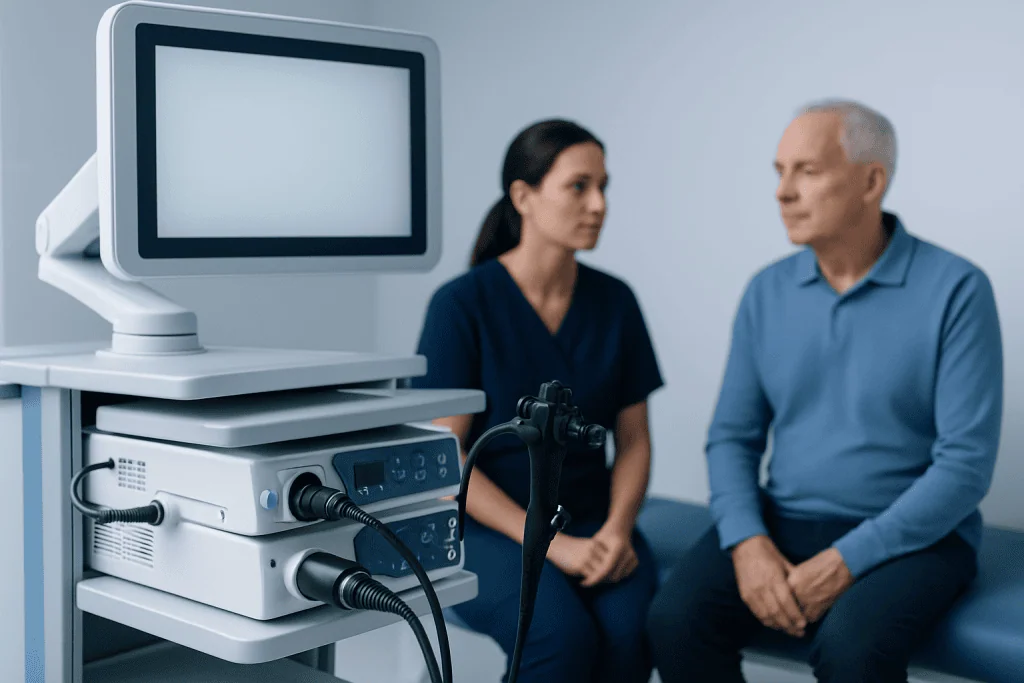
Before recommending treatment, the clinical team asks about the pattern of leakage, stool consistency, diet, medicines, previous childbirth or pelvic surgery, neurological health and impact on everyday life. Keeping a brief bowel diary can be useful. It may record food and drink intake, bowel movements, urgency, leakage episodes and use of pads or protective garments.
Evaluation may include a physical and rectal examination. Depending on the history, tests can assess sphincter muscle structure, anal pressure and nerve function, or examine the rectum and colon. Blood tests, stool testing, colonoscopy or imaging may be considered when there are symptoms suggesting inflammation, infection, bleeding or another bowel disorder.
A person may be a candidate for advanced treatment when leakage persists despite carefully followed conservative care, or when testing identifies a correctable structural problem. The decision also considers general health, bowel function, prior operations, ability to attend follow-up and the person’s own goals. Treatment is not one-size-fits-all; controlling diarrhea or constipation may be the most effective intervention for some people.
First-line fecal incontinence treatment options

Improving stool consistency is often central to treatment. For loose stools, a clinician may advise adjusting trigger foods or drinks, increasing soluble fiber gradually, reviewing medicines that may worsen diarrhea and treating an underlying digestive condition. For constipation, regular meals, adequate fluid intake, appropriate fiber and a planned toileting routine may reduce hard stool and overflow leakage. Changes should be individualized, since too much fiber or an unsuitable diet can worsen bloating or urgency for some people.
Pelvic floor muscle training teaches coordinated tightening of the muscles that support the rectum and help maintain continence. A specialist physiotherapist may use biofeedback, which provides information about muscle activity or rectal sensation, to make training more targeted. Rehabilitation generally requires regular practice over weeks to months, and it can be especially helpful when pelvic floor weakness, impaired sensation or urgency contributes to leakage.
Medication may be used to make stool less loose, treat constipation or manage an underlying bowel condition. The right medicine depends on the cause and a person’s other health conditions, so it should be selected with a clinician. Skin care also matters: gentle cleansing, careful drying and barrier products can reduce irritation caused by frequent leakage.
- Scheduled toilet visits may reduce accidents for people with predictable bowel patterns.
- Absorbent products can provide practical support while treatment takes effect.
- Reviewing medications is important because some drugs can cause diarrhea, constipation or reduced awareness of rectal fullness.
Procedures and surgery: step by step
When non-surgical treatment does not provide sufficient control, a specialist may discuss procedures. One established option is sacral neuromodulation, also called sacral nerve stimulation. It uses a small implanted device to send mild electrical signals to nerves involved in bowel control. The exact mechanism is still being studied, but stimulation can improve communication between the bowel, pelvic floor and brain in selected patients.
The process commonly begins with a temporary test phase. A thin lead is placed near sacral nerves under imaging guidance, usually with local anesthesia and sedation or anesthesia as appropriate. The person keeps a symptom diary while using an external stimulator. A meaningful improvement during the test supports proceeding to placement of a small implanted pulse generator, usually beneath the skin in the upper buttock area. Settings can be adjusted after implantation to balance symptom control and comfort.
Other options may be appropriate in specific circumstances. A sphincter repair may be considered when there is a clearly defined muscle injury, such as an old obstetric injury, although benefits can change over time. Injectable bulking agents are used less commonly and may offer limited benefit for selected people. For severe, complex cases, a stoma may be discussed as an option that diverts stool into a pouch; it is generally considered only after thorough specialist assessment and shared decision-making.
Modern care may involve gastroenterology, colorectal surgery, pelvic floor physiotherapy, radiology and nursing support. Acibadem International’s multidisciplinary specialists and JCI-accredited hospitals assess and treat fecal incontinence for international patients, with care plans based on individual clinical needs.
Benefits, risks and recovery timeline
The expected benefit of treatment is fewer leakage episodes, less urgency, improved confidence and easier participation in work, travel and social life. Complete continence is not guaranteed, and results vary according to the underlying cause. A realistic goal is often meaningful improvement in control and quality of life rather than a single identical outcome for every person.
Dietary changes, medication adjustments and pelvic floor therapy usually do not require downtime, although improvement may develop gradually over several weeks. After sacral neuromodulation testing or implantation, people often limit strenuous activity, heavy lifting and movements that could dislodge the lead during early healing. The clinical team provides individualized wound-care, activity and follow-up instructions. Full adjustment to the device and optimization of settings may take several follow-up visits.
Risks depend on the treatment. Medicines may cause bowel changes or other side effects. Pelvic floor exercises are generally low risk but require correct technique. Procedure-related risks can include pain, bruising, infection, bleeding, lead movement, an uncomfortable stimulation sensation or need for device revision or removal. Surgical repairs also carry anesthesia and wound-related risks, and symptoms can recur. Discussing expected benefits, alternatives and risks with the treating specialist supports informed decisions.
What is the newest treatment for fecal incontinence?
Sacral neuromodulation is one of the most important modern, established treatments for persistent fecal incontinence and is supported by clinical guidelines for selected patients. It is not new in the sense of being experimental, but device technology and programming options continue to develop. The temporary test phase is valuable because it helps estimate whether stimulation is likely to provide benefit before a permanent device is placed.
Research is also examining less invasive forms of nerve stimulation, improved pelvic floor rehabilitation methods, regenerative approaches and new device designs. Some approaches may be available only in specific centers, clinical trials or carefully selected circumstances. A newer option is not automatically better; the best choice is the one supported by evidence and matched to the person’s cause of incontinence, health status and preferences.
People considering an advanced treatment should ask what evidence supports it, what follow-up it requires, whether it is reversible and what alternatives remain available if it does not help enough. A colorectal specialist can explain which options are established versus investigational in the local setting.
What will stop fecal incontinence? Can it be permanent?
There is no single treatment that stops fecal incontinence for everyone. When the main cause is temporary diarrhea, constipation, infection, medication effects or a reversible bowel problem, treating that cause may substantially reduce or stop leakage. In other cases, a combination of stool-management strategies, pelvic floor therapy and specialist procedures provides the best chance of long-term control.
Fecal incontinence can be long-lasting, particularly when related to significant sphincter injury, nerve damage, neurological disease or age-related changes in pelvic floor function. However, permanent symptoms do not mean that nothing can be done. Even when the underlying condition cannot be fully reversed, treatment can often reduce the frequency and impact of accidents.
Ongoing follow-up is useful because bowel symptoms may change over time. A plan may need adjustment after changes in diet, mobility, medicines, childbirth, surgery or another illness. Seeking help early can prevent skin problems, isolation and avoidable disruption to daily life.
When to seek medical care
A person should arrange a medical appointment for new, recurrent or worsening stool leakage, particularly when it affects daily life or has lasted more than a short period. Assessment is also important if there is persistent diarrhea, constipation, abdominal pain, unintentional weight loss, a change in bowel habits, rectal bleeding or a family history of bowel cancer or inflammatory bowel disease.
Urgent medical care is needed for fecal incontinence accompanied by sudden leg weakness, numbness around the genitals or anus, inability to pass urine, severe back pain, confusion, high fever, severe abdominal pain or substantial rectal bleeding. These symptoms can indicate conditions requiring prompt evaluation.
It can help to bring a medication list and a bowel diary to the appointment. The diary does not need to be perfect; even a few days of information about stool type, urgency, food, leakage and triggering situations can guide the next steps.
Frequently asked questions
How long does it take to recover from fecal incontinence?
Recovery depends on the cause and treatment. Diet changes, bowel-routine adjustments and medication changes may begin to help within days to weeks, while pelvic floor therapy commonly takes several weeks or months of regular practice. Recovery after a procedure varies, and device settings or rehabilitation may need adjustment over time.
What will stop fecal incontinence?
Treating the underlying cause offers the best chance of stopping or greatly reducing leakage. This may involve managing diarrhea or constipation, changing medicines, pelvic floor rehabilitation, nerve stimulation or surgery for selected structural problems. A clinician can identify the likely cause and recommend the safest approach.
What is the newest treatment for fecal incontinence?
Sacral neuromodulation is a modern, established option for selected people whose symptoms continue despite conservative treatment. Research continues into new stimulation methods, devices and regenerative therapies, but availability and evidence differ. A specialist can explain whether a newer approach is appropriate or still investigational.
Can fecal incontinence be permanent?
It can be persistent when it is caused by major muscle injury, nerve damage or a chronic neurological or bowel condition. Even then, symptoms can often improve with individualized treatment and practical support. Long-term management may involve more than one approach.
Is surgery always needed for fecal incontinence?
No. Many people improve without surgery through stool-management strategies, pelvic floor therapy and treatment of contributing conditions. Procedures and surgery are usually considered when symptoms remain troublesome despite these measures or when testing shows a problem that may be corrected.
Can pelvic floor exercises help fecal incontinence?
Yes, pelvic floor muscle training can improve bowel control for some people, especially when weakness or poor coordination contributes to leakage. Training is often more effective when guided by a pelvic floor physiotherapist and combined with bowel-habit management. Results require consistent practice and may take time.
References
- National Institute of Diabetes and Digestive and Kidney Diseases
- American Society of Colon and Rectal Surgeons
- National Health Service
- Mayo Clinic
This article is for general information only and is not a substitute for professional medical advice. Please consult a qualified doctor about your individual situation.
Fecal Incontinence in Turkey — costs, top hospitals & a free quote
JCI-accredited · board-certified surgeons · reply within 24h
Add us as a Preferred Source to see more of our trusted health content across Google Search, AI Overviews and Discover.

General Surgery
Open, laparoscopic and robotic surgery for a broad range of abdominal and soft-tissue conditions.
119 specialists in this unit