Treatment of Eye Problem: How It Works, Results and What to Expect

Eye problems require different treatments depending on whether they affect the surface of the eye, lens, retina, optic nerve or eye pressure. A comprehensive eye examination helps determine whether symptoms need medicines, a procedure, surgery or observation.
Key Takeaways
- Eye problems require different treatments depending on whether they affect the surface of the eye, lens, retina, optic nerve or eye pressure.
- A comprehensive eye examination helps determine whether symptoms need medicines, a procedure, surgery or observation.
- Many eye treatments are outpatient procedures, but recovery time varies widely by diagnosis and treatment type.
- Sudden vision loss, severe eye pain, new flashes or a curtain-like shadow need urgent medical assessment.
- Following aftercare instructions, using prescribed drops correctly and attending follow-up visits support safe healing.
Treatment of eye problem begins with identifying the affected part of the eye and the underlying cause. Depending on the diagnosis, care may involve monitoring, medicines, injections, laser treatment, surgery, or visual rehabilitation to protect sight and improve comfort.
Treatment of Eye Problem: How It Works
Treatment of eye problem is tailored to the cause, severity and part of the visual system involved. Some concerns, such as dry eye or mild infection, may improve with lubricating drops, prescription medicines or changes in daily habits. Other conditions, including cataract, glaucoma, retinal disease or serious injury, may need laser treatment, injections, surgery or ongoing monitoring.
Eye care is not one single procedure. An ophthalmologist first determines whether the problem involves the cornea, lens, retina, optic nerve, eye muscles or blood vessels. Treatment then aims to relieve symptoms, control inflammation or pressure, treat infection, prevent further damage, restore clarity of vision when possible, or support vision that has been affected.
Results depend on the diagnosis and how early treatment begins. Some treatments can improve vision, while others are intended mainly to preserve remaining sight or slow progression. A clinician can explain what outcome is realistic for the individual condition and eye health history.
Common Eye Problems and Their Treatment Paths
The top 3 eye problems commonly affecting adults are refractive errors, cataract and glaucoma. Refractive errors, such as short-sightedness, long-sightedness and astigmatism, occur when light does not focus correctly on the retina. They are often managed with glasses, contact lenses or selected refractive procedures.
Cataract causes the eye’s natural lens to become cloudy, often leading to blurred vision, glare and reduced contrast. When symptoms interfere with daily activities, cataract surgery can replace the cloudy lens with an artificial lens. Glaucoma damages the optic nerve, often in association with raised eye pressure, and may be treated with eye drops, laser procedures or surgery to lower pressure and protect vision.
Retinal disorders, including diabetic eye disease and age-related macular degeneration, can require regular monitoring, retinal laser treatment or medication placed inside the eye. Other frequent reasons for consultation include dry eye disease, conjunctivitis, corneal disorders, eyelid conditions and eye injuries. Each requires a different approach, so self-treating persistent visual symptoms is not advisable.
- Surface eye conditions: lubricants, allergy treatment, antimicrobial medicine or anti-inflammatory care when appropriate.
- Pressure-related conditions: prescribed drops, laser treatment or surgery.
- Retinal conditions: imaging-led monitoring, injections, laser treatment or surgery when needed.
- Lens and focusing problems: corrective lenses, cataract surgery or selected refractive treatment.
Who May Need Eye Treatment and How Candidacy Is Assessed

People may need assessment for treatment if they have blurred vision, pain, redness, discharge, double vision, light sensitivity, persistent irritation or changes in their field of vision. Age, diabetes, high blood pressure, autoimmune disease, medication use, family history of glaucoma and prior eye surgery can all affect eye health and the treatment plan.
Candidacy for a procedure depends on the specific diagnosis. For example, injections into the eye may be considered for certain retinal conditions, while laser treatment may be suitable for particular types of glaucoma or retinal tears. Cataract surgery is generally considered when lens clouding is affecting function or quality of life, rather than based on a single visual acuity measurement alone.
Before recommending treatment, an ophthalmologist usually reviews symptoms, general health, current medicines and past eye history. The clinician also discusses expected benefits, alternatives, possible risks and the follow-up care required. Pregnancy, uncontrolled infection, severe dry eye, active inflammation or certain medical conditions may influence the timing or type of treatment.
What Happens During Eye Assessment and Treatment
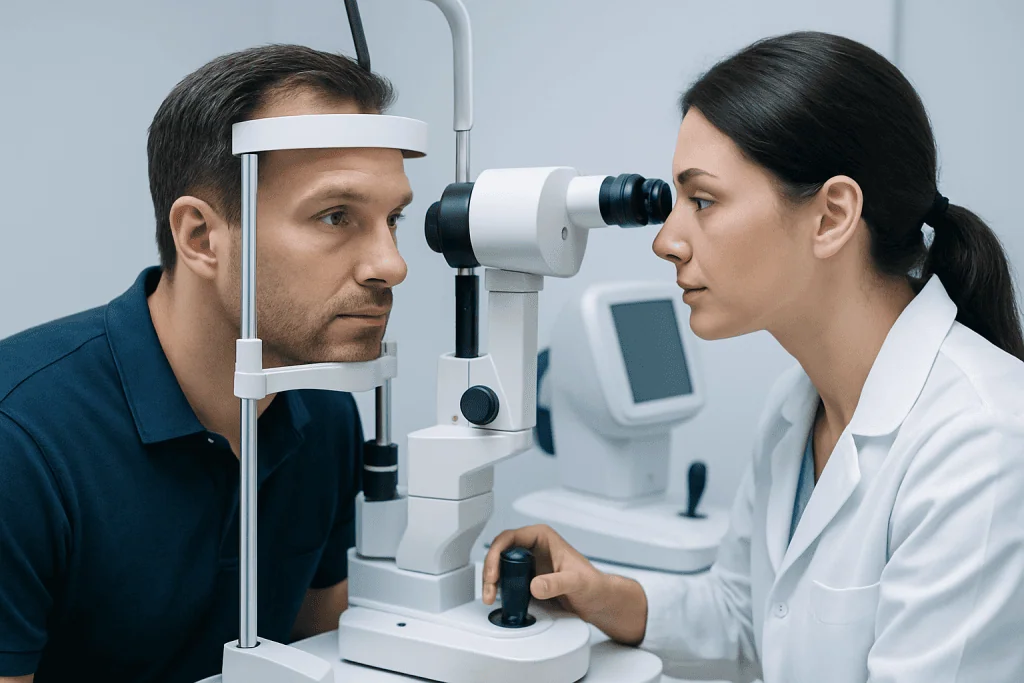
A thorough eye assessment commonly includes a vision test, eye pressure measurement, examination with a microscope called a slit lamp and dilation of the pupils to view the retina and optic nerve. Tests such as optical coherence tomography, corneal mapping, visual field testing or retinal photography may provide detailed information that guides treatment.
Many eye procedures are performed as outpatient care. Before an injection, laser procedure or surgery, the eye is usually numbed with drops and cleaned to reduce infection risk. Depending on the treatment, the clinician may use a laser to target tissue, deliver medicine into or around the eye, remove a cloudy lens, repair retinal tissue or improve fluid drainage.
The treatment itself may be brief, but preparation and observation afterward can take longer. Patients may need someone to accompany them home if their pupils have been dilated, their vision is temporarily blurred or sedation has been used. The care team provides individual instructions about eye drops, protective shields, activity restrictions and follow-up visits.
At Acibadem International, multidisciplinary specialists in JCI-accredited hospitals assess and treat eye conditions for international patients, coordinating ophthalmology care with relevant medical specialties when needed.
Benefits, Risks and Expected Results
The main benefit of treatment is to address the underlying eye problem as early and effectively as possible. Depending on the condition, this may reduce pain or irritation, improve visual clarity, stabilize vision, prevent further loss of sight or make everyday tasks safer and easier. Some chronic diseases require ongoing treatment to maintain these benefits.
All eye treatments have possible risks, although serious complications are uncommon with appropriate assessment and follow-up. Risks vary by procedure and may include temporary redness, discomfort, light sensitivity, dry eye symptoms, blurred vision, inflammation, raised or lowered eye pressure, bleeding, infection or the need for further treatment. Surgery may have additional procedure-specific risks.
It is important to distinguish expected short-term effects from warning signs. Mild irritation, watering or temporary blur can occur after some procedures. Worsening pain, rapidly declining vision, increasing redness, nausea with severe eye pain, pus-like discharge or new flashes and floaters should be reported promptly to the treating team.
Recovery Timeline and What Helps Eyes Heal Faster?
Recovery after eye treatment varies considerably. Following a routine examination with dilation, blurred near vision and light sensitivity may last several hours. After some laser treatments or injections, mild discomfort or redness may settle over one to a few days, while visual improvement may take days to weeks depending on the retinal condition being treated.
Recovery after surgery is often more gradual. Many people notice meaningful improvement after cataract surgery within days, but the eye may continue to heal and vision may continue to stabilize for several weeks. Retinal and glaucoma procedures can have longer or more variable recovery periods, particularly if the underlying disease was advanced.
What helps eyes heal faster? Healing cannot safely be rushed, but patients can support recovery by using prescribed drops exactly as directed, washing hands before touching the face or using drops, avoiding eye rubbing, protecting the eye from injury and attending follow-up appointments. Rest, good hydration and management of conditions such as diabetes and high blood pressure also support general healing.
Patients should not restart contact lenses, eye makeup, swimming, strenuous exercise or driving until their clinician confirms it is appropriate. They should also avoid using non-prescribed drops, especially steroid or antibiotic drops, as these may be unsuitable for the condition and can cause harm when used incorrectly.
What Can You Not Do After Eye Injections?
After an eye injection, the treating ophthalmologist’s instructions take priority because restrictions may differ according to the medicine and eye condition. In general, patients should avoid rubbing or pressing on the treated eye, avoid swimming or hot tubs for the period advised, and keep hands clean before applying prescribed drops. Eye makeup and contact lenses may also need to be avoided temporarily.
Vision can be blurry immediately after an injection, and some people see small spots or floaters from air bubbles or the medicine. Driving should be avoided until vision is clear enough to do so safely. Heavy physical activity may be limited for a short period if the clinician recommends it, but ordinary gentle activities are often possible.
Urgent contact with the eye team is needed for increasing pain, worsening redness, marked light sensitivity, a major decrease in vision, nausea or vomiting, or discharge. These symptoms can indicate a complication that requires prompt examination rather than waiting for the next scheduled visit.
How Long Does Eye Therapy Take and When to Seek Medical Care
How long eye therapy takes depends on what “therapy” means for the individual condition. A short course of drops for an uncomplicated surface problem may last days to weeks, while treatment for glaucoma may continue long term. Retinal injection therapy may involve repeated appointments over months or longer, with the interval adjusted according to eye scans and response to treatment.
Visual rehabilitation or low-vision therapy may continue for several sessions, focusing on practical strategies, devices and skills for reading, mobility and daily activities. Recovery-focused therapy after surgery also has no fixed timeline; it depends on healing, the condition treated and whether there are other eye diseases.
Medical care should be sought urgently for sudden loss of vision, a dark curtain or shadow across vision, new flashes with a sudden increase in floaters, severe eye pain, chemical exposure, an eye injury, or a red eye with reduced vision. A same-day professional assessment is also sensible for persistent pain, worsening redness or visual changes after an eye procedure.
For non-urgent but ongoing symptoms such as gradual blur, headaches with visual tasks, repeated eye irritation or difficulty seeing at night, an appointment with an eye-care professional can clarify the cause and treatment options.
Frequently asked questions
What is the best treatment of eye problem?
There is no single best treatment of eye problem because eye conditions have different causes. An eye examination identifies whether the issue involves focusing, dryness, infection, pressure, the retina, the lens or another part of the eye. Treatment is then selected to address that specific cause.
Can eye problems be treated without surgery?
Many eye problems can be managed without surgery. Depending on the diagnosis, treatment may include glasses, contact lenses, lubricating drops, prescription medicines, lifestyle adjustments, laser treatment or injections. Surgery is considered when it offers the most appropriate benefit for the condition.
What helps eyes heal faster?
Eyes heal best when prescribed treatment and follow-up plans are followed carefully. Patients should avoid rubbing the eye, use medicines as directed, keep hands clean and avoid activities restricted by their clinician. New or worsening pain, redness or vision loss should be assessed promptly.
What can you not do after eye injections?
After eye injections, patients are generally advised not to rub or press on the treated eye and to avoid swimming, eye makeup or contact lenses for the period specified by the clinician. They should not drive if vision is blurred. Increasing pain, worsening redness or reduced vision needs urgent medical advice.
How long does eye therapy take?
Eye therapy can last from days to long term, depending on the diagnosis. Drops for a temporary condition may be used for a short course, while glaucoma or retinal disease often needs regular ongoing care. The ophthalmologist adjusts the plan based on symptoms, eye examinations and imaging results.
What are the top 3 eye problems?
Common eye problems include refractive errors, cataract and glaucoma. Refractive errors affect focusing, cataract clouds the natural lens and glaucoma can damage the optic nerve. These conditions have different symptoms and treatment approaches, making a professional examination important.
References
- American Academy of Ophthalmology
- National Eye Institute
- World Health Organization
- National Health Service
- Mayo Clinic
This article is for general information only and is not a substitute for professional medical advice. Please consult a qualified doctor about your individual situation.
Explore treatments in Turkey — costs, top hospitals & a free quote
JCI-accredited · board-certified surgeons · reply within 24h
Add us as a Preferred Source to see more of our trusted health content across Google Search, AI Overviews and Discover.
Check your numbers in seconds
BMI, calories, due date, blood pressure and 30+ more clinical calculators — free, instant, doctor-reviewed ranges.