Gastric Flu Treatment: How It Works, Results and What to Expect

Most cases of viral gastroenteritis improve with supportive care rather than antibiotics. Preventing dehydration is the main priority, especially for children, older adults and people with chronic conditions.
Key Takeaways
- Most cases of viral gastroenteritis improve with supportive care rather than antibiotics.
- Preventing dehydration is the main priority, especially for children, older adults and people with chronic conditions.
- Small, frequent sips of oral rehydration solution can be easier to tolerate than large drinks.
- Vomiting often improves before diarrhea, which may last several days longer.
- Blood in stool, severe pain, confusion or signs of dehydration require prompt medical assessment.
Gastric flu treatment usually involves replacing fluids and electrolytes, resting, and gradually returning to normal food as symptoms settle. Although it is often called “flu,” gastric flu is usually viral gastroenteritis and is not the same illness as influenza.
Overview: How Gastric Flu Treatment Works
Gastric flu treatment works by supporting the body while it clears the infection. The term “gastric flu” commonly refers to viral gastroenteritis, an infection that inflames the stomach and intestines and can cause nausea, vomiting, watery diarrhea, abdominal cramps and sometimes a mild fever. It is not caused by influenza viruses and is not treated with flu medicines.
For most otherwise healthy people, the illness improves without a specific antiviral treatment. Care focuses on replacing lost water and salts, easing discomfort safely, limiting spread to others and watching for complications. Antibiotics do not help viral gastroenteritis and are only considered when a clinician identifies or strongly suspects a bacterial cause.
The main short-term risk is dehydration. This can develop when vomiting or diarrhea causes fluid loss faster than a person can drink. Early, steady rehydration is therefore more useful than trying to stop every symptom immediately.
Symptoms, Causes and Who May Need More Support

Common symptoms include sudden nausea, vomiting, loose or watery stools, cramping, tiredness, reduced appetite and low-grade fever. Symptoms can begin after contact with an infected person, contaminated food or water, or contaminated surfaces. Norovirus is a frequent cause in adults, while rotavirus remains an important cause of gastroenteritis in young children where vaccination coverage is incomplete.
Many people can manage mild symptoms at home. However, infants and young children, adults over 65, pregnant people, and people with kidney disease, diabetes, inflammatory bowel disease, weakened immunity or other complex health conditions may become dehydrated more quickly or need individualized advice.
- Frequent vomiting that prevents fluid intake
- Many episodes of diarrhea or substantial fluid losses
- Difficulty caring for oneself or a dependent person at home
- Recent travel, a suspected foodborne outbreak or symptoms after an antibiotic course
These factors do not necessarily mean a serious illness is present, but they can make timely medical guidance especially important.
Gastric Flu Treatment Step by Step
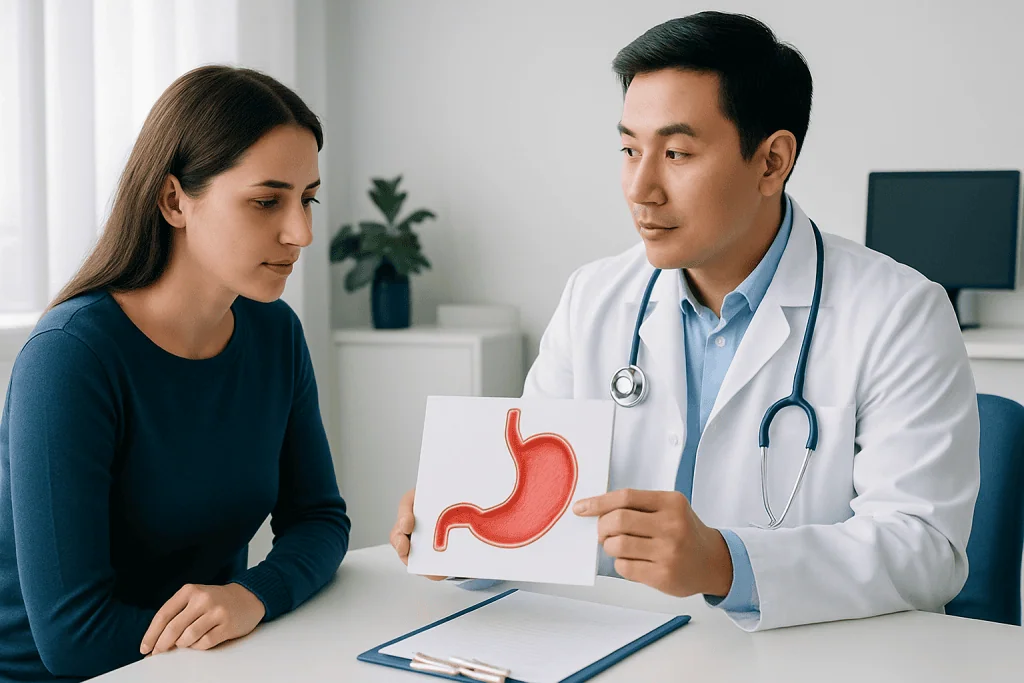
The first step is rehydration. Oral rehydration solutions are designed to replace both water and electrolytes in proportions that support absorption from the intestine. A pharmacist or clinician can advise on suitable products. If nausea is significant, small sips every few minutes, ice chips or spoonfuls of fluid may be more manageable than drinking a full glass at once.
Once vomiting becomes less frequent, a person can gradually add simple, familiar foods according to appetite. Options may include rice, potatoes, toast, bananas, soup, yogurt if tolerated, or other gentle foods. There is no need to force food, but prolonged fasting is generally unnecessary when fluids are being retained. Alcohol, large amounts of caffeine, very fatty foods and heavily spiced foods may aggravate symptoms for some people.
A clinician may recommend medication for nausea, fever or pain in selected cases. Anti-diarrheal medicines are not appropriate for everyone, particularly when there is fever, bloody diarrhea, severe abdominal pain or possible invasive bacterial infection. Children should not be given medicines intended for adults unless a qualified clinician specifically recommends them.
If dehydration is moderate to severe or oral fluids cannot be kept down, treatment may involve medical observation, anti-nausea treatment and intravenous fluids. Testing is not routinely needed for a brief, uncomplicated illness, but stool tests, blood tests or other evaluations may be appropriate when symptoms are severe, prolonged or atypical.
How Long Does It Take to Get Rid of Gastric Flu?
Most viral stomach infections begin to improve within one to three days, although the precise timeline depends on the virus, a person’s age, hydration status and overall health. Vomiting often settles within a day or two, while diarrhea and tiredness may continue for several more days. Some people notice temporarily sensitive digestion after the main infection has passed.
Recovery may take longer in young children, older adults and people with chronic medical conditions. Persistent symptoms should not automatically be assumed to be gastric flu. A doctor can assess for bacterial infection, medication side effects, food intolerance, inflammatory bowel conditions or other causes when symptoms do not follow the expected course.
Returning to work, school or travel should be guided by symptom control and local public-health advice. Because viruses such as norovirus spread easily, careful handwashing and avoiding food preparation for others while ill are important parts of recovery.
How Do You Know If Stomach Flu Is Getting Better?
Improvement usually happens gradually. A person may first notice that vomiting is less frequent, fluids stay down more easily and urination becomes more regular. Energy and appetite then tend to return over time, while bowel movements become less frequent and less watery.
Signs of adequate hydration include a moist mouth, improved alertness, less dizziness when standing and urine that is not very dark or unusually infrequent. These signs are reassuring, but they do not replace medical assessment if the person has significant pain, high fever, blood in the stool or ongoing inability to drink.
It is common to feel tired after the acute symptoms resolve. A gradual return to ordinary meals, activity and routine is usually more comfortable than trying to resume everything immediately.
How to Recover From Gastric Flu Fast
There is no safe way to force viral gastroenteritis to end immediately, but supportive care can make recovery smoother. The most effective approach is to begin fluids early, take small and frequent amounts, rest, and increase food intake as tolerated. Oral rehydration solutions may be particularly helpful after repeated diarrhea or vomiting.
Good hygiene also matters. Hands should be washed thoroughly with soap and water after using the toilet, changing diapers and before preparing food. Alcohol-based hand sanitizer may not work as reliably against every stomach virus, so soap-and-water handwashing is especially valuable. Frequently touched bathroom and kitchen surfaces should be cleaned according to product instructions.
People should avoid sharing towels, utensils and food while symptoms are active. They should also follow local guidance about staying away from school, work, healthcare settings and food handling duties after vomiting or diarrhea stops, as some viruses can remain contagious for a period afterward.
How to Flush Out Stomach Flu?
There is no recommended “flush” or detox that removes a stomach virus faster. Excessive water intake, fasting, laxatives, herbal cleanses or unproven supplements can worsen dehydration, disturb electrolyte balance or irritate an already sensitive digestive tract.
The body clears most viral infections naturally. The safest approach is to replace what has been lost with appropriate fluids and electrolytes, rest, and let appetite guide the gradual return to food. If a person has diabetes, kidney disease, heart failure or another condition that affects fluid management, they should ask their clinician for individualized advice.
If symptoms follow a suspected toxin exposure, contaminated food, travel-related illness or a medication change, medical evaluation may be needed rather than attempting home cleansing methods.
When to Seek Medical Care
Medical care should be sought promptly for signs of dehydration, such as very little urine, marked thirst, dry mouth, fainting, confusion, severe weakness, sunken eyes in a child, or unusual sleepiness. Urgent assessment is also appropriate for blood or black material in the stool, vomit that looks like blood or coffee grounds, severe or worsening abdominal pain, a rigid abdomen, a high or persistent fever, or repeated vomiting that prevents fluid intake.
A doctor should assess symptoms that last longer than expected, occur after recent international travel, follow a course of antibiotics, or affect a person at higher risk of complications. Parents and caregivers should seek early advice for babies and young children, especially if there are fewer wet diapers, no tears when crying, poor feeding or reduced responsiveness.
Acibadem International’s multidisciplinary specialists and JCI-accredited hospitals provide assessment and treatment for digestive infections and dehydration in international patients when medical care is needed.
Frequently asked questions
What is the best treatment for gastric flu?
The best treatment for most cases is supportive care: oral rehydration, rest and a gradual return to food as tolerated. A clinician may recommend additional treatment when vomiting is severe, dehydration develops or another cause is suspected.
Can antibiotics treat gastric flu?
Antibiotics do not treat viral gastroenteritis, which causes most cases of gastric flu. They may be used only when a clinician identifies a bacterial infection for which antibiotics are appropriate.
Should a person eat while they have stomach flu?
Fluids are the first priority, especially during active vomiting. When fluids are staying down, small portions of simple foods can be introduced according to appetite; forcing food is usually unnecessary.
What should a person drink with gastric flu?
Oral rehydration solution is often a good choice because it replaces water and important electrolytes. Small, frequent sips can be easier to tolerate than large amounts at once, particularly during nausea.
How contagious is gastric flu?
Viral gastroenteritis can spread very easily through close contact, contaminated hands, food, water and surfaces. Careful handwashing with soap and water, avoiding food preparation for others while ill, and cleaning shared surfaces can reduce spread.
When is diarrhea from gastric flu a concern?
Diarrhea needs medical assessment when it is bloody or black, severe, persistent, accompanied by significant pain or fever, or causing signs of dehydration. A doctor should also assess prolonged symptoms or diarrhea in people at increased risk of complications.
References
- World Health Organization
- Centers for Disease Control and Prevention
- National Institute of Diabetes and Digestive and Kidney Diseases
- Mayo Clinic
- NHS
This article is for general information only and is not a substitute for professional medical advice. Please consult a qualified doctor about your individual situation.
Persistent digestive symptoms? Get evaluated in Turkey
JCI-accredited · board-certified surgeons · reply within 24h
Add us as a Preferred Source to see more of our trusted health content across Google Search, AI Overviews and Discover.