Inflammatory Breast Cancer Treatment: How It Works, Results and What to Expect
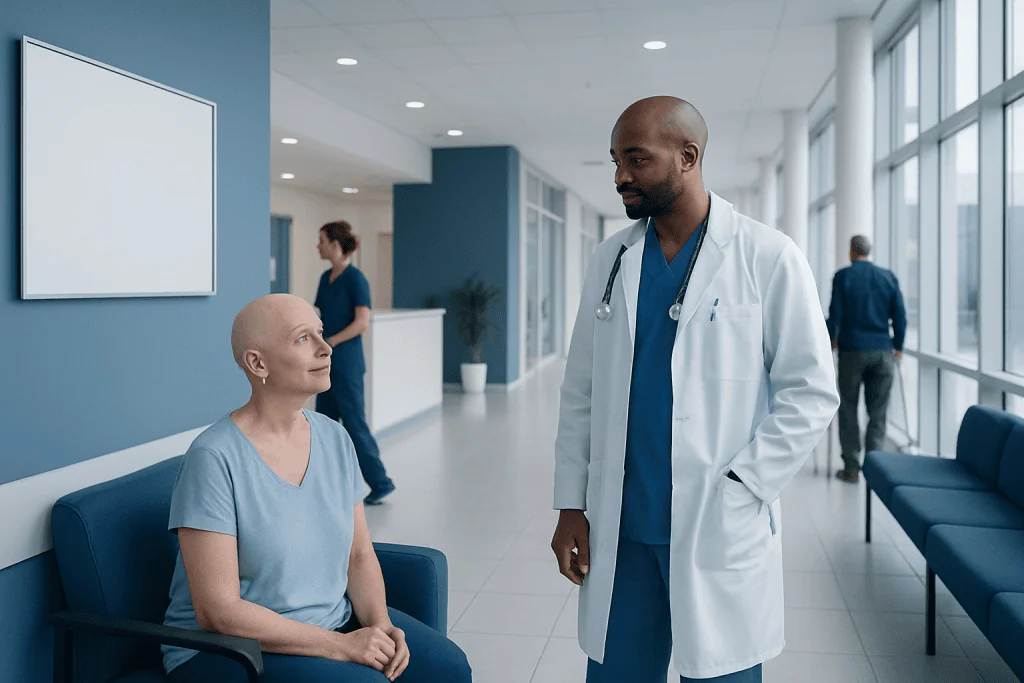
Inflammatory breast cancer is treated urgently with a multidisciplinary approach rather than surgery alone. Treatment commonly begins with chemotherapy, followed by mastectomy, radiotherapy and additional medicines when indicated.
Key Takeaways
- Inflammatory breast cancer is treated urgently with a multidisciplinary approach rather than surgery alone.
- Treatment commonly begins with chemotherapy, followed by mastectomy, radiotherapy and additional medicines when indicated.
- Targeted therapy, immunotherapy or endocrine therapy may be included according to tumor testing.
- Response to initial treatment helps clinicians tailor the next steps, but ongoing follow-up remains important.
- New breast redness, swelling, skin thickening or rapid change should be assessed promptly by a doctor.
Inflammatory breast cancer treatment is usually planned as a coordinated sequence of systemic therapy, surgery and radiotherapy because this fast-growing breast cancer may involve the breast skin and nearby lymph nodes at diagnosis. The exact plan depends on cancer subtype, extent of disease, previous health conditions and response to treatment.
Overview: How inflammatory breast cancer treatment works
Inflammatory breast cancer treatment generally uses several treatments in sequence: medicines that work throughout the body, surgery to remove the affected breast and lymph nodes, and radiotherapy to lower the risk of cancer returning in the chest wall and nearby areas. This combined approach is used because inflammatory breast cancer can grow and spread through lymphatic channels in the skin, causing redness, warmth, swelling, tenderness and a peau d’orange, or orange-peel, appearance.
Unlike many breast cancers, inflammatory breast cancer often does not form a single, easily felt lump. It is considered locally advanced when diagnosed, even if scans do not show spread to distant organs. Treatment is therefore planned by a team that may include medical oncologists, breast surgeons, radiation oncologists, radiologists, pathologists, specialist nurses and supportive-care professionals.
Testing of the tumor is central to planning. Clinicians assess whether the cancer has hormone receptors and whether it has increased HER2 activity. These results help determine whether chemotherapy should be combined with HER2-targeted medicines, immunotherapy in selected situations, or long-term endocrine therapy.
Who may be offered this treatment approach?
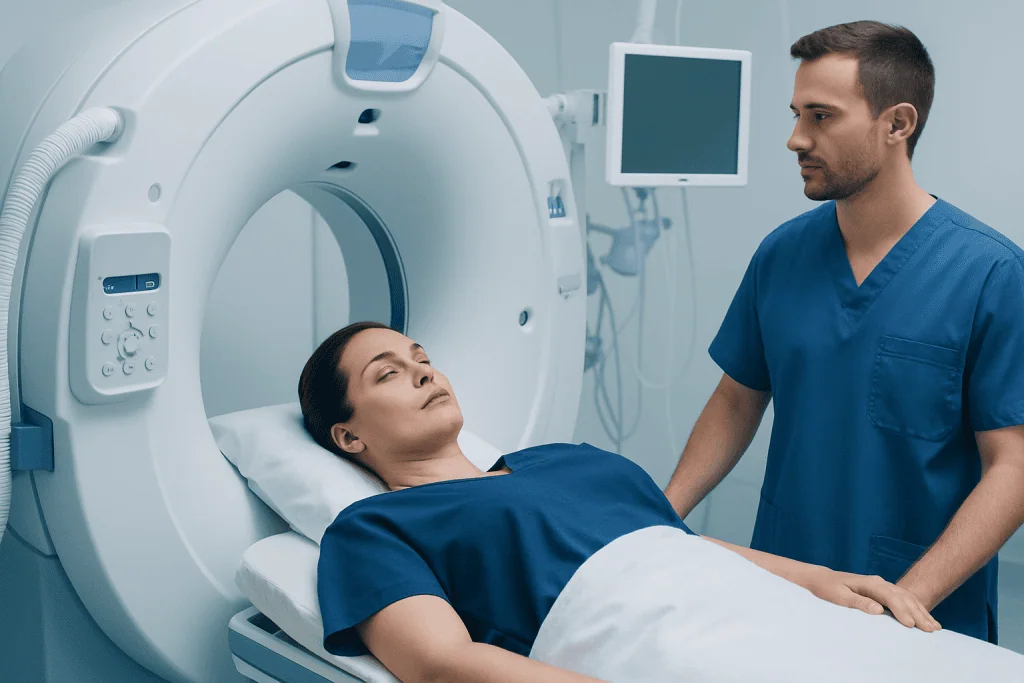
A person is considered for combined treatment after a biopsy confirms invasive breast cancer and clinical findings support inflammatory breast cancer. Imaging is used to assess the breast, lymph nodes and other parts of the body. The team also evaluates general health, heart function when certain medicines are considered, other medical conditions and personal treatment priorities.
For inflammatory breast cancer that has not spread to distant sites, the aim is usually curative treatment. Systemic therapy is given first, often called neoadjuvant therapy, to treat cancer cells beyond the breast and to shrink or control disease before surgery. Surgery and radiotherapy are then usually recommended if the cancer responds sufficiently and the person is medically fit for these treatments.
If cancer has spread to distant organs, treatment focuses on controlling the disease, easing symptoms and supporting quality of life. Systemic medicines remain the main treatment, while surgery or radiotherapy may occasionally be used for symptom relief or carefully selected individual circumstances.
Step by step: the usual treatment pathway
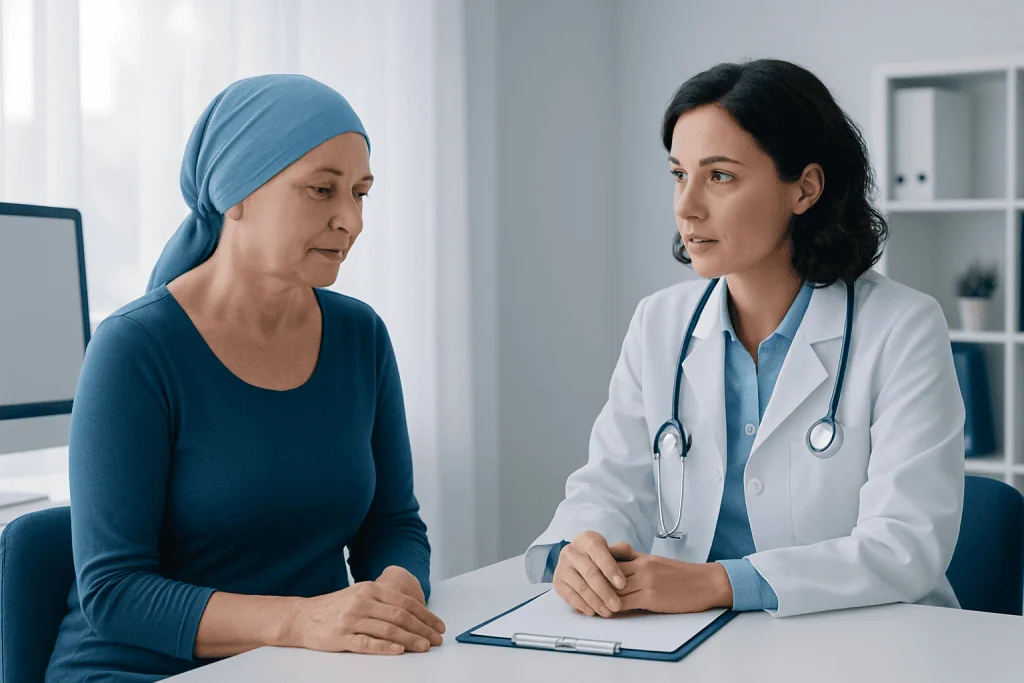
1. Diagnosis and staging. The process begins with a clinical examination, breast imaging and a core-needle biopsy. A skin punch biopsy may sometimes help identify cancer cells in skin lymphatic vessels, although its absence does not rule out inflammatory breast cancer. Scans are used to look for spread outside the breast and to create a baseline for assessing response.
2. Systemic treatment first. Chemotherapy is commonly the first phase and is given in cycles over several months. Depending on tumor biology, it may be combined with HER2-targeted therapy, immunotherapy or other medicines. This stage allows the team to see how the cancer responds and addresses microscopic cancer cells that cannot be detected on imaging.
3. Surgery. If appropriate after systemic treatment, the usual operation is a modified radical mastectomy, which removes the affected breast and lymph nodes under the arm. Breast-conserving surgery is generally not recommended because inflammatory breast cancer can involve a broad area of breast skin and tissue. Reconstruction may be discussed, but is often delayed until after radiotherapy to support safe cancer treatment and healing.
4. Radiotherapy and further treatment. Radiotherapy is generally delivered after surgery to the chest wall and regional lymph node areas. Additional systemic treatment may continue afterward, such as HER2-targeted therapy, endocrine therapy for hormone receptor-positive cancer, or other treatments recommended from pathology and response results. Breast cancer treatment should be individualized through discussion with an experienced oncology team.
Benefits, limits and possible risks
The main potential benefit of multimodal treatment is the best available opportunity to control inflammatory breast cancer in the breast, lymph nodes and elsewhere in the body. Giving medicines before surgery may shrink the cancer, improve surgical options and provide valuable information about how the tumor responds. A strong response is generally encouraging, but it does not eliminate the need for surgery, radiotherapy or follow-up.
Each treatment has possible side effects. Chemotherapy can cause fatigue, nausea, mouth soreness, hair loss, infections related to low blood counts, numbness or tingling in the hands and feet, and effects that vary by regimen. Targeted treatments, immunotherapy and endocrine therapy have their own specific risks, which the oncology team reviews before treatment begins.
Surgery can cause pain, wound-healing problems, fluid collection, shoulder stiffness, numbness and lymphedema, which is swelling of the arm or chest due to changes in lymph drainage. Radiotherapy may cause temporary skin irritation, tiredness and longer-term firmness or changes in the treated skin and tissues. Promptly reporting new symptoms can help the care team prevent or manage complications.
Recovery timeline and supportive care
Recovery occurs in stages because treatment extends over many months. During systemic treatment, appointments, blood tests and scans are scheduled regularly to monitor side effects and response. People may need support with fatigue, nutrition, work, caring responsibilities and emotional wellbeing. The treating team can adjust supportive medicines and refer to specialist services when needed.
After mastectomy, many people go home within a few days, although recovery varies. Drains may remain temporarily, and gentle shoulder exercises are usually recommended when advised by the surgical team. Healing commonly takes several weeks, while numbness, tightness or reduced range of motion can last longer and may benefit from physiotherapy.
Radiotherapy usually starts after surgical healing and is delivered over a planned course of outpatient visits. Follow-up continues after active treatment to monitor recovery, manage long-term effects and check for signs of recurrence. Supportive care can include rehabilitation, lymphoedema education, psychological support, fertility counseling when relevant and help with menopausal symptoms or sexual health.
How long does it take for inflammatory breast cancer to spread?
Inflammatory breast cancer can progress over weeks to months, which is why symptoms often appear quickly compared with other breast cancers. However, no one can predict exactly how fast it will spread in an individual person. Growth rate depends on the cancer’s biology, whether it has already reached lymph nodes or distant sites, and how it responds to treatment.
It is important not to wait for symptoms to settle if there is new breast redness, swelling, warmth, rapid enlargement, skin dimpling or nipple change. These changes can also be caused by infection or other non-cancerous conditions, but a clinician should assess them promptly, particularly when they do not improve as expected.
What is the success rate of inflammatory breast cancer treatments?
There is no single success rate that accurately applies to every person with inflammatory breast cancer. Outcomes vary according to whether cancer is confined to the breast and regional lymph nodes or has spread elsewhere, tumor subtype, response to initial systemic treatment, overall health and access to timely specialist care.
Modern combined treatment has improved outcomes compared with treatment approaches used in the past. For disease without distant spread, doctors commonly use chemotherapy or other systemic therapy, mastectomy and radiotherapy with curative intent. The oncology team can discuss prognosis using the person’s stage, pathology results and treatment response rather than relying on a general figure.
Can you fully recover from inflammatory breast cancer? Has anyone beat inflammatory breast cancer?
Some people with inflammatory breast cancer that has not spread to distant organs achieve no evidence of disease after comprehensive treatment and remain free of recurrence for many years. In everyday language, people may describe this as having “beaten” the cancer. Clinicians often use careful terms such as remission or no evidence of disease because recurrence remains possible and long-term follow-up is needed.
When inflammatory breast cancer has spread to distant organs, it is usually not considered curable with currently available treatments. Even so, treatment may control the disease for meaningful periods, relieve symptoms and support daily life. New therapies and clinical trials may be appropriate for some people, and decisions should be individualized with a cancer specialist.
Acibadem International’s multidisciplinary specialists at JCI-accredited hospitals support international patients with diagnosis, treatment planning and follow-up for complex breast cancers. Breast cancer care should always include open discussion about treatment goals, likely benefits, possible side effects and personal preferences.
When to seek medical care
Medical assessment is recommended promptly for a breast that becomes red, swollen, warm, heavy or painful over a short period; skin that looks thickened or dimpled; a newly inverted nipple; enlarged lymph nodes near the collarbone or under the arm; or breast changes that do not improve as expected with treatment for a suspected infection. Inflammatory breast cancer is uncommon, but early specialist assessment is important because it can resemble mastitis or other benign conditions.
A person already receiving treatment should contact their care team urgently for fever, chills, shortness of breath, chest pain, uncontrolled vomiting or diarrhea, sudden arm swelling, severe wound changes, or any new neurological symptom. These symptoms may have causes unrelated to cancer, but they require timely medical advice, particularly during chemotherapy or after surgery.
Frequently asked questions
Is surgery always part of inflammatory breast cancer treatment?
For inflammatory breast cancer without distant spread, surgery is usually part of the standard combined treatment plan after initial systemic therapy. The operation is most often a mastectomy with removal of underarm lymph nodes, followed by radiotherapy. If cancer has spread to distant organs, surgery is considered selectively and is not always appropriate.
Why is chemotherapy given before surgery for inflammatory breast cancer?
Chemotherapy and other systemic medicines are usually given first because inflammatory breast cancer may have spread microscopically beyond the breast even when scans do not show distant disease. Starting treatment before surgery can shrink or control the tumor and allows the team to assess response. The exact medicines depend on tumor subtype and individual health factors.
Can inflammatory breast cancer be mistaken for an infection?
Yes. Redness, warmth, swelling and tenderness may resemble mastitis or another breast infection. Anyone with persistent or rapidly progressing symptoms, especially without a clear response to appropriate treatment, should have prompt assessment and may need breast imaging and a biopsy.
Will I need breast reconstruction after mastectomy?
Reconstruction is a personal choice and is not required for cancer treatment. Because radiotherapy is usually needed after surgery for inflammatory breast cancer, delayed reconstruction is often discussed to reduce complications and allow cancer treatment to proceed as planned. A breast surgeon and reconstructive surgeon can explain the available timing and options.
What follow-up is needed after treatment ends?
Follow-up appointments focus on recovery, treatment side effects, examination, symptom review and ongoing medicines such as endocrine therapy when prescribed. Imaging of the remaining breast may be recommended according to the care plan. New symptoms should be reported rather than waiting for the next scheduled appointment.
Can lifestyle changes replace inflammatory breast cancer treatment?
No. Nutrition, activity within a person’s abilities, sleep, stopping smoking and emotional support can help overall wellbeing during treatment, but they do not replace cancer therapy. Any supplements, restrictive diets or complementary treatments should be discussed with the oncology team because some may interfere with treatment or recovery.
References
- National Cancer Institute
- American Cancer Society
- European Society for Medical Oncology
- Breast Cancer Now
- National Comprehensive Cancer Network
This article is for general information only and is not a substitute for professional medical advice. Please consult a qualified doctor about your individual situation.
Breast Cancer in Turkey — costs, top hospitals & a free quote
JCI-accredited · board-certified surgeons · reply within 24h
Add us as a Preferred Source to see more of our trusted health content across Google Search, AI Overviews and Discover.

Medical Oncology Department
Medical treatment of cancer with chemotherapy, immunotherapy and targeted therapies under a multidisciplinary tumor board.
60 specialists in this unit